











EN
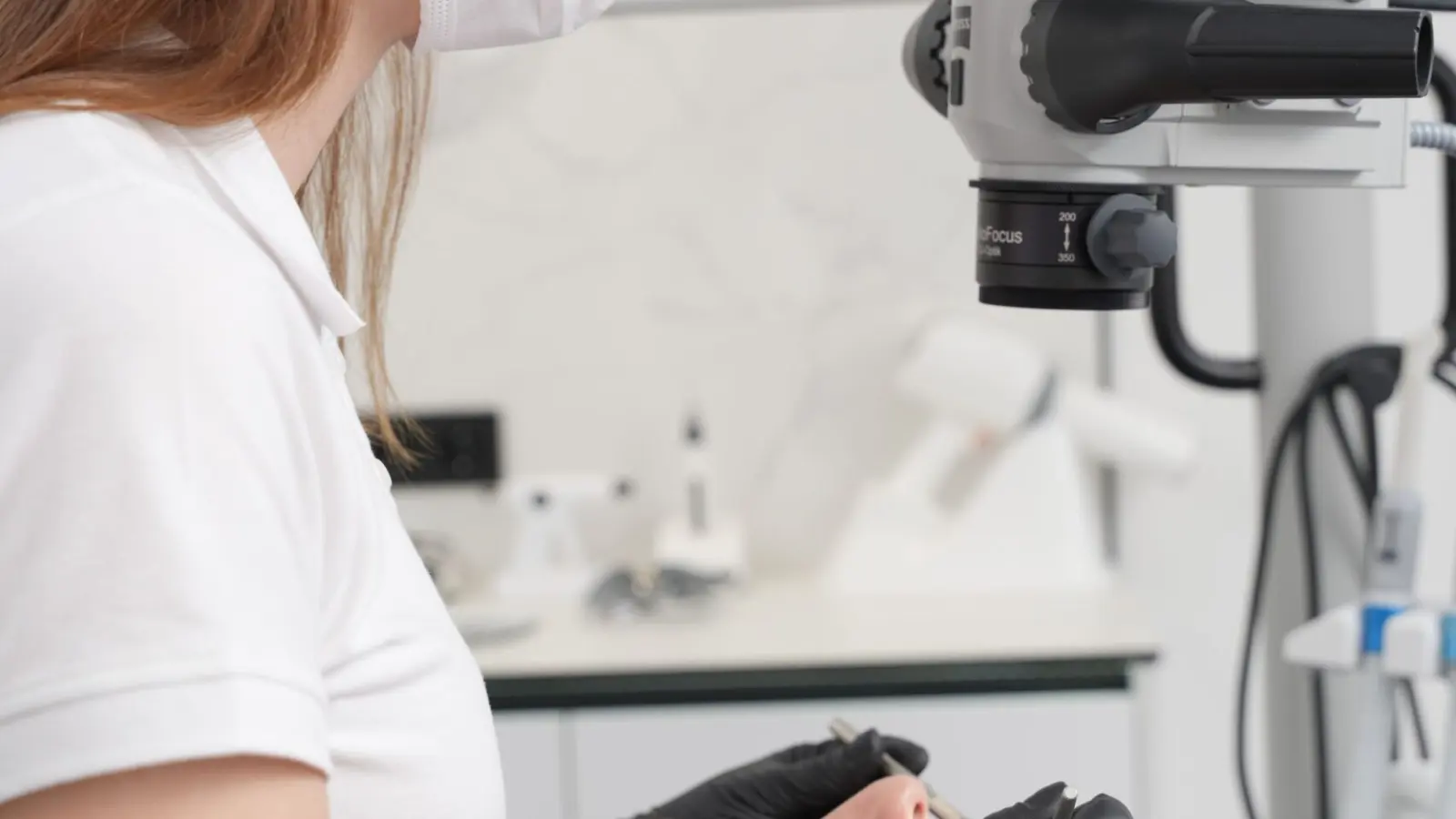
Treatment under a dental microscope

Why choose FrankoLab:

  1. 01 Treatment of tooth decay and root canal treatment under a dental microscope (20x magnification)
  2. 02 Saving ‘hopeless’ teeth and retreatment of old root canals
  3. 03 Highly aesthetic restorations that replicate the anatomy of the tooth

Treatment of tooth decay under a microscope in Ivano-Frankivsk

Caries treatment is a comprehensive procedure aimed at removing affected tissue and restoring the integrity of the tooth. The dentist carries out a diagnosis, determines the depth of the lesion, and then removes the decayed tissue under local anaesthetic. At our clinic, we carry out high-quality dental fillings using photopolymer composites. These perfectly restore the tooth’s anatomical shape and colour. We guarantee pain-free treatment for deep caries, even in the most complex cases.

Keep your teeth healthy with our clinic’s cutting-edge technologies.

Our dental clinic uses state-of-the-art equipment and high-quality composite materials to treat tooth decay of any complexity. Our team consists of experienced specialists with extensive expertise. A personalised approach and caries prevention help to keep your teeth healthy for many years to come. Entrust the health and aesthetics of your smile to us. We guarantee long-lasting results from your treatment.

Benefits of caries treatment

Preservation of natural tooth structure.

Comprehensive treatment for tooth decay halts tissue destruction and prevents tooth loss. Without high-quality restoration, this is inevitable. Timely dental fillings help to preserve the teeth’s functionality and prevent complications.

Pain-free treatment, even for deep lesions.

Modern anaesthesia techniques and equipment ensure complete comfort during the procedure. Caries treatment is carried out without discomfort, even in complex cases. We can perform a pain-free procedure even when treating deep caries.

Restoring the aesthetics of your smile.

High-quality fillings restore the natural beauty of your smile, particularly in cases of tooth decay affecting the front teeth. Composite materials match the colour of the enamel, ensuring that the treatment of tooth decay is both long-lasting and aesthetically pleasing.

Prevention of other conditions.

Early detection and prevention of tooth decay help prevent the development of pulpitis, periodontitis and tooth loss. Timely treatment preserves as much of the natural tooth structure as possible. This is the result of seeking professional dental care in good time.

Speed and effectiveness of treatment.

Thanks to modern technology, the procedure for removing affected tissue and filling cavities caused by tooth decay takes very little time at our clinic. In just one visit, you’ll achieve a high-quality result and can get back to your normal life.

Long-lasting results.

The use of high-quality materials ensures the durability of fillings. With proper care, your teeth will remain healthy for many years to come. Our specialists provide advice on preventing tooth decay and maintaining good oral hygiene.

Indications for the treatment of dental caries

Tooth sensitivity, discomfort when exposed to hot or cold temperatures.

Pain or discomfort when exposed to hot, cold, sweet or sour substances indicates the onset of enamel decay. Treating tooth decay at this stage of the condition prevents further damage to the tooth structure.

Dark spots, pronounced pigmentation and visible defects in the enamel.

Darkening, white chalky patches or holes on the surface of a tooth are signs of tooth decay. In this case, it is essential to see a dentist. Timely treatment of tooth decay can halt the process and restore the tooth’s integrity.

Pain that occurs when chewing or when pressure is applied to a tooth.

Discomfort or sharp pain whilst eating, or when pressure is applied to a tooth, indicates the need for treatment for deep tooth decay. Seeing a dentist in good time prevents complications and tooth loss.

Bad breath that doesn’t go away even after brushing.

A persistent unpleasant odour that does not disappear after oral hygiene procedures may be a symptom of hidden tooth decay. Professional diagnosis and dental fillings eliminate the sources of bacterial growth.

Spontaneous pain that occurs without any external triggers.

Throbbing or sharp pain without any external cause indicates a deep-seated problem. Urgent dental care is required. Timely diagnosis, prevention of tooth decay and, where necessary, treatment can prevent tooth loss.

Cost of caries treatment

The cost of treating tooth decay depends on the extent of the damage and the complexity of the procedure. The price of treating tooth decay includes diagnosis, anaesthesia, filling teeth with composite materials and polishing. The cost may vary; superficial damage is less expensive to treat. The cost of treating tooth decay in complex cases is higher. Book a consultation to find out how much it costs to treat tooth decay.

Treatment under a dental microscope

Treatment for tooth decay – payment plans available

High-quality treatment for tooth decay has become more accessible thanks to FrankoLab Clinic.

Tooth decay that is not treated in good time spreads rapidly to healthy tissue. That is why it is important not to waste time. Our clinic offers convenient payment plans so that you can treat tooth decay straight away without straining your budget. You can split the cost of the treatment into equal instalments with no fees or surcharges. Don’t wait until superficial damage to the enamel affects other tissues and you end up needing treatment for deep tooth decay. We offer high-quality dental fillings that are affordable for everyone.

Our clinic offers affordable dental services for everyone. Treatment and prevention of tooth decay on an instalment plan – the path to a healthy smile!

The process of treating tooth decay

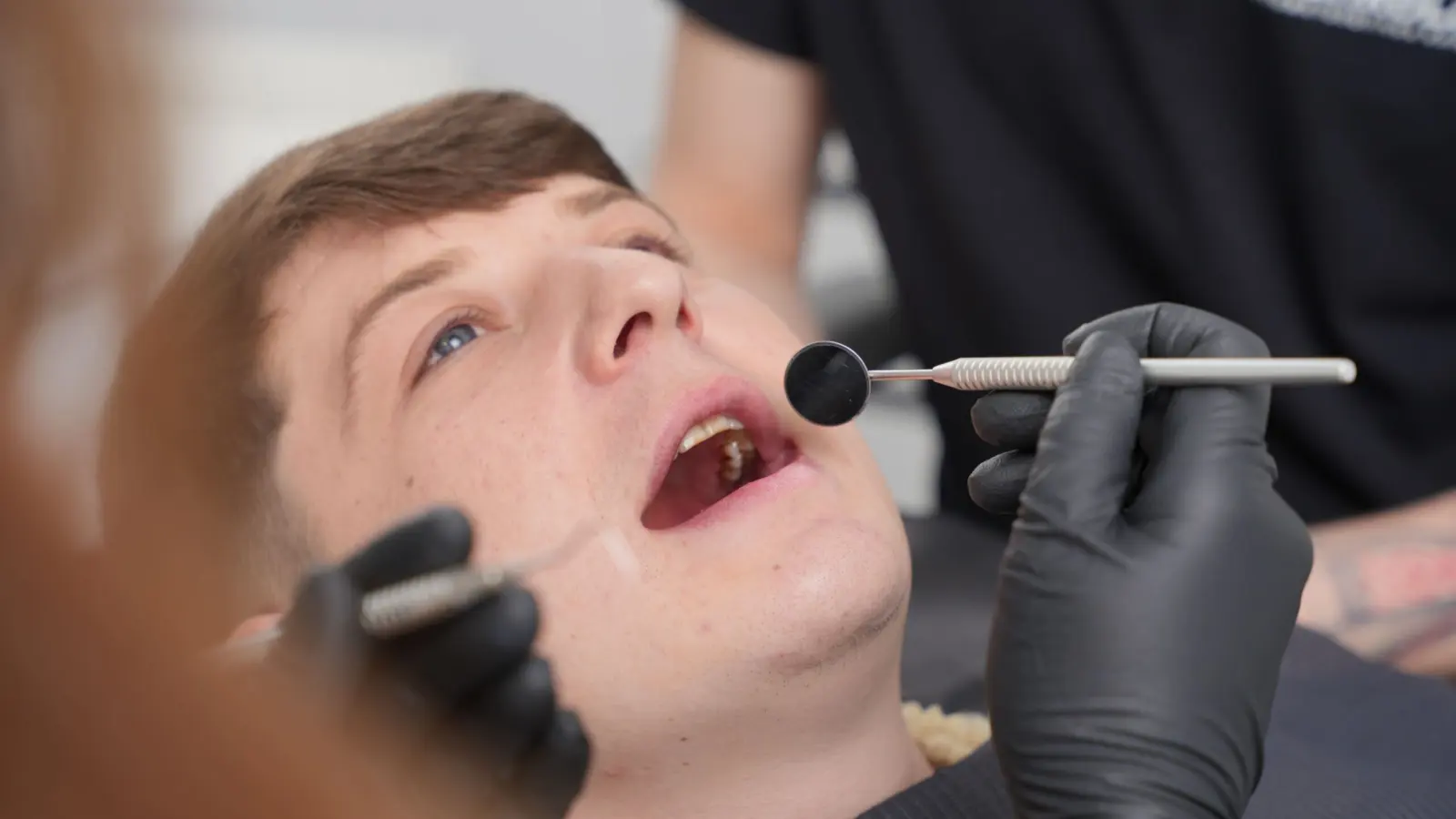
The modern methods of treating tooth decay used by our clinic’s specialists ensure that the procedure is quick and comfortable. The use of innovative technologies and high-quality materials guarantees long-lasting results. Treatment at our clinic is pain-free and effective. We combine professionalism with a commitment to the dental health of every patient.

01

Comprehensive diagnosis, consultation with a specialist.

The dentist carries out a detailed examination of the oral cavity using modern diagnostic methods: X-rays, laser scanning or an intraoral camera. The extent of the damage and the location of tooth decay are determined. A treatment plan is drawn up to achieve the desired result.

02

Painless anaesthesia using modern anaesthetics.

To ensure patient comfort during the treatment of tooth decay, local anaesthesia is administered using safe, effective anaesthetics. The injection is painless, and the anaesthetic takes effect quickly, eliminating any sensation. This is particularly important when treating deep tooth decay.

03

Precise removal of affected tissue.

Using modern dental technologies and equipment, the dentist carefully removes decayed tissue whilst preserving as much of the healthy tooth structure as possible. The cavity is thoroughly cleaned of bacteria and dentine damaged by decay. This creates the ideal foundation for the next stage of treatment.

04

Reliable fillings using modern materials.

The cleaned cavity is filled with a light-curing composite. The filling matches the natural colour of the enamel. The material is applied in layers, with each layer cured using a special lamp. The dentist restores the tooth’s anatomical shape, which is essential for maintaining a correct bite.

05

Polishing and, if necessary, adjustment.

During the treatment of tooth decay, the next step is to grind and polish the filling once it has set to ensure it is perfectly smooth. The bite is checked and, if necessary, adjusted. The result of this stage is the restoration of teeth with a natural appearance and a comfortable feel for the patient.

06

Dentist’s recommendations and preventative care.

Our attentive dentist provides personalised advice on dental care. He offers recommendations on proper brushing, flossing and choosing the right toothpaste. Preventing tooth decay involves regular dental check-ups every six months and professional cleaning to ensure long-term dental health.

Types of tooth decay

Superficial caries is the initial stage of the condition, when only the top layer of enamel is damaged. In this case, white chalky spots or slight discolouration appear. Treating caries at this stage is the simplest. An experienced dentist will simply carry out remineralisation or a simple filling.

Moderate caries – destruction of the enamel with penetration into the dentine. This condition is accompanied by increased sensitivity to temperature and chemical irritants. Caries of this type requires precise removal of the affected tissue and high-quality filling to prevent the condition from spreading further.

Deep caries is a serious form of dentine decay. The destruction of tissue is approaching the pulp. Treatment for deep caries is carried out as a matter of urgency, as the condition is accompanied by acute, throbbing pain, particularly when chewing and in contact with food. Without timely intervention, this can lead to pulpitis.

Cervical caries is located near the gums, in the most sensitive area. It is caused by poor oral hygiene, gum recession or incorrect brushing technique. Treating this type of caries requires particular care due to its proximity to soft tissues and the risk of root exposure.

Fissure caries affects the natural grooves (fissures) on the chewing surfaces of the teeth, where food debris and bacteria accumulate. It is difficult to detect in its early stages without professional diagnosis. Dental fillings and fissure sealing are effective ways of preventing this type of caries.

Secondary caries develops around old fillings or crowns due to microcracks, poor-quality treatment or poor oral hygiene. The old filling is replaced, the cavity is thoroughly cleaned, and a new restoration is fitted. Dental health depends on the maintenance of existing fillings.

Our patients’ results

Case Study 3: Composite Restorations

Diagnosis:

The patient presented with complaints of discolouration of her front teeth, numerous old composite restorations and an unsatisfactory smile. During the clinical examination, discolouration of the teeth was identified, along with restorations that had lost their functionality and aesthetic appearance.

Treatments:

Following digital planning, a decision was made to carry out aesthetic restoration of the upper incisors using refractive veneers.
The restorations
are made entirely from ceramic materials, without any metal framework, which is one of the most aesthetically pleasing techniques in modern dentistry. This method allows for the most accurate reproduction of the natural translucency, colour depth and optical properties of natural enamel, ensuring a flawless result.

Result:

Discolouration has been removed and old, unaesthetic restorations have been replaced. The natural shape, proportions and harmony of the front teeth have been restored. Thanks to refractive veneers, the patient achieved a natural, bright and aesthetically pleasing smile that closely mimics natural teeth, combining durability, functionality and premium aesthetics.

Our team

Patient reviews

4,9 Google rating All reviews on Google

Diana Kruk

08.07.2026

The clinic and service are of the highest standard – keep up the good work!

Ksenia Savenko

23.06.2026

I am very grateful to the whole FrankoLab team for the experience I’ve had with you. You are incredible! I wish you continued growth and prosperity, because the smiles you create are not only beautiful but also genuine, as seen on the faces of your grateful clients.

FrankoLab Dental Laboratory

Stop tooth decay before it gets out of hand! Book an appointment with us today to have your tooth decay treated.

In-house laboratory

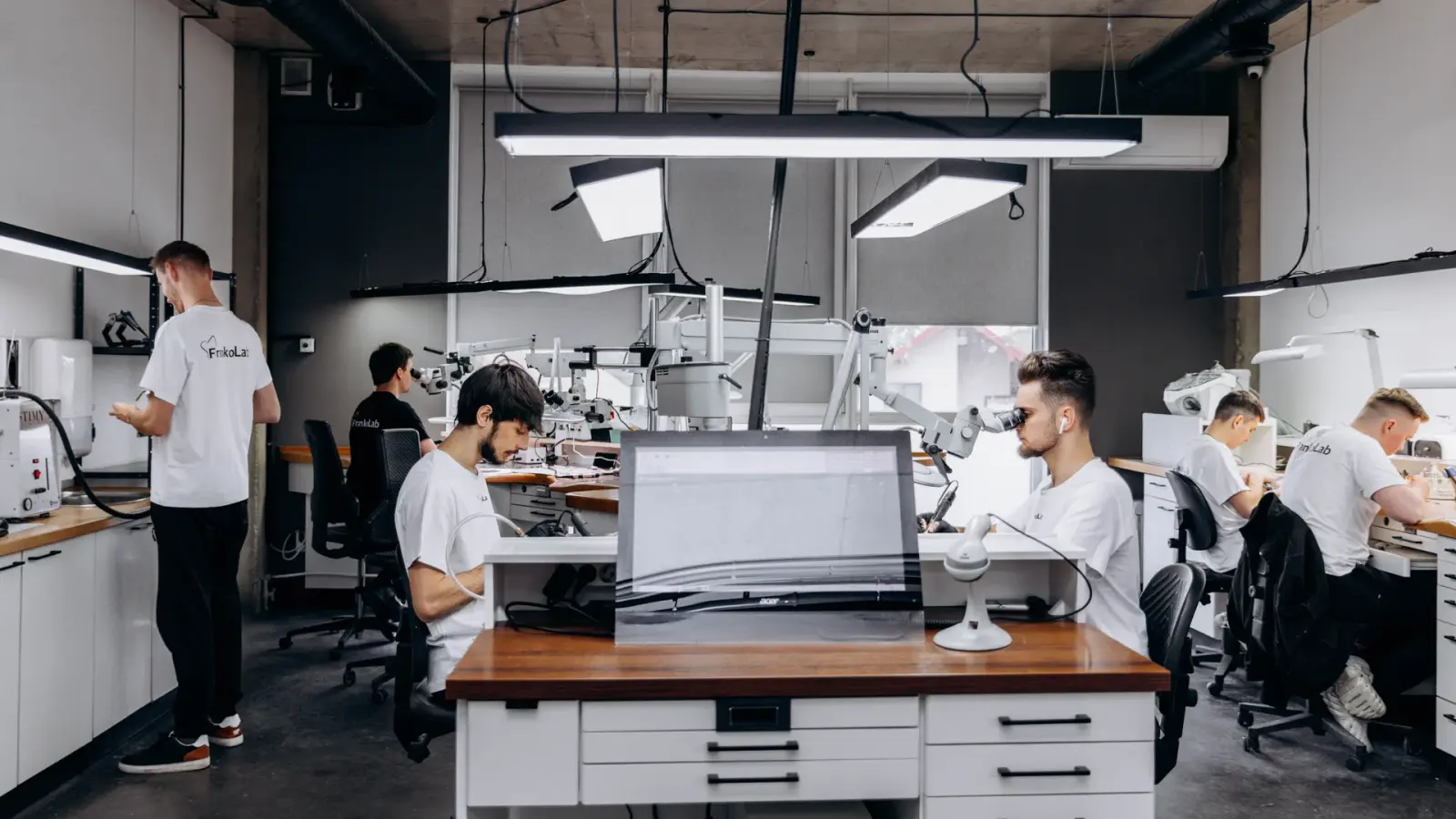
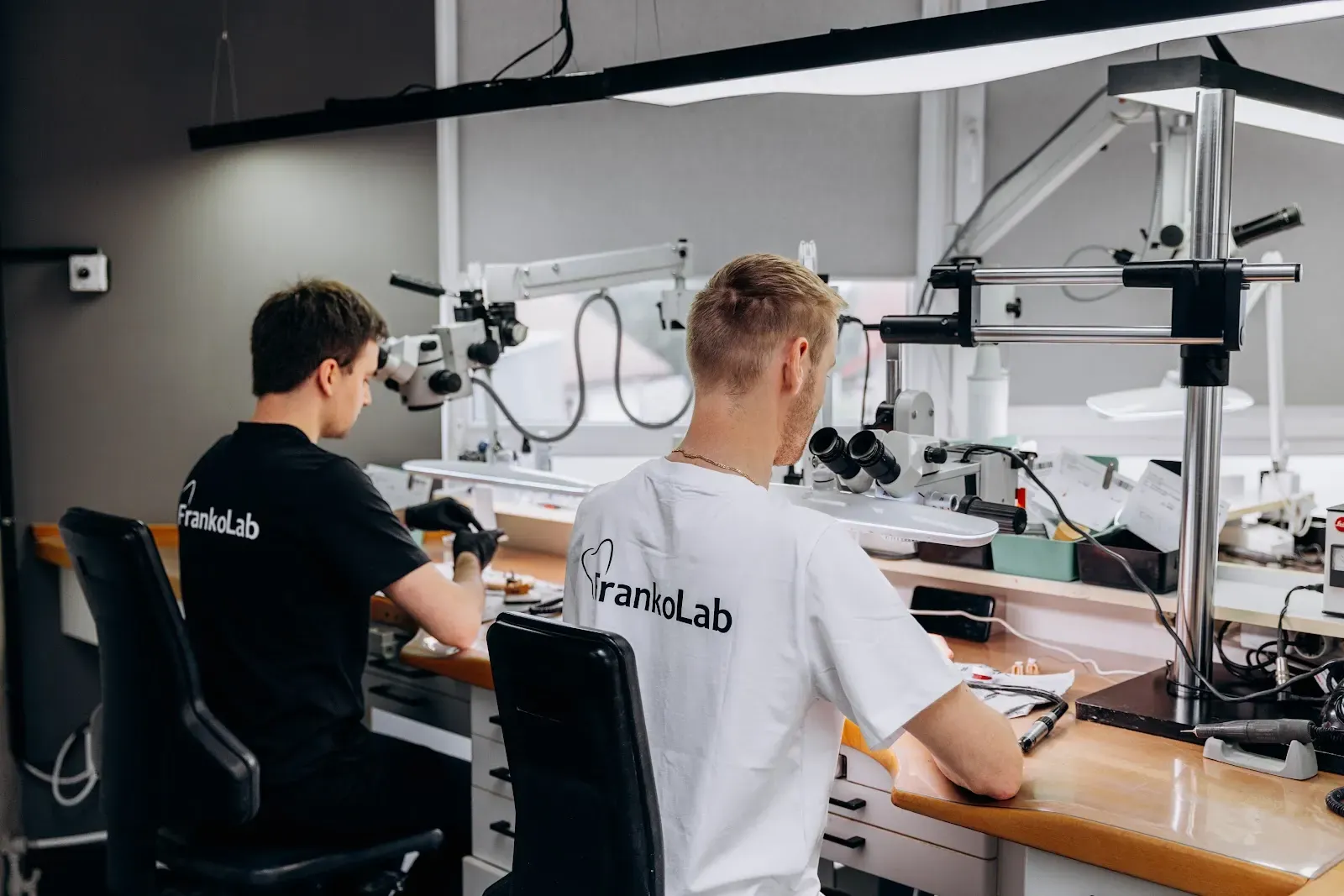
FrankoLab’s main advantage is its own in-house dental laboratory.

As all our production facilities are located on-site, we can fully control the manufacturing process for restorations of any complexity, develop solutions quickly and guarantee long-term results.

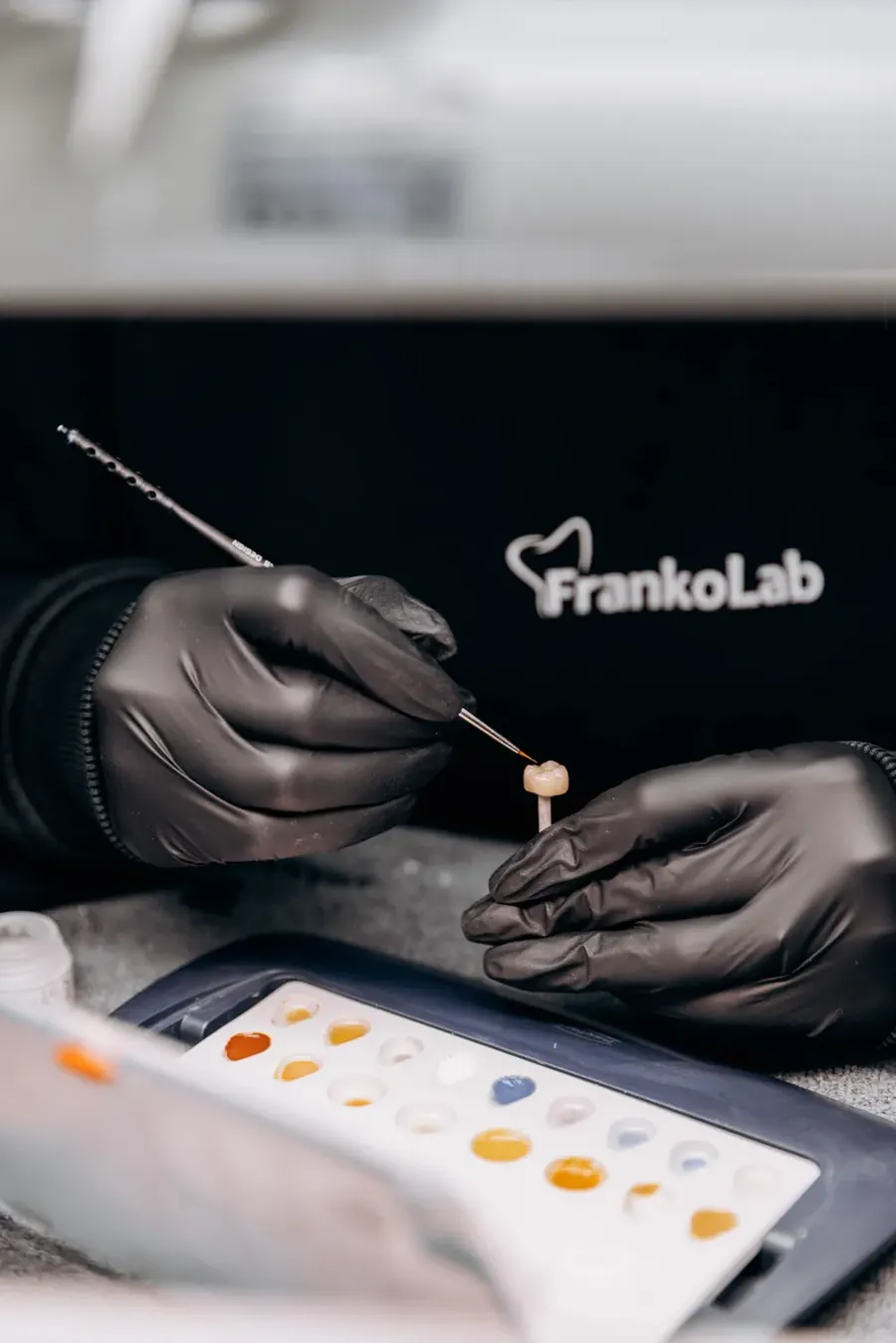
In our digital dental laboratory, metal-free prosthetic restorations are manufactured using leading CAD/CAM technologies and the highest-quality European materials.

FrankoLab Dental Laboratory

Why do people choose FrankoLab Clinic for treating tooth decay?

A FrankoLab dental technician works on a crown in the clinic’s in-house laboratory
01

We use modern techniques, technologies and precision equipment.

We use the latest technology for the diagnosis and treatment of tooth decay: digital X-rays, laser systems and intraoral cameras. We offer a guarantee on fillings, as the procedure is carried out using premium-quality materials.

02

Highly qualified dentists with extensive experience.

Our specialists specialise in treating tooth decay and guarantee the effectiveness of the procedure even in the most complex cases, including the treatment of deep decay. They undergo continuous professional development and apply the most up-to-date protocols.

03

Pain-free and comfortable treatment using safe anaesthetics.

Professional dentistry at FrankoLab ensures comfort at every stage. Treatment for tooth decay is carried out under high-quality anaesthesia, whilst the pleasant atmosphere of our clinic and the attentive care of our staff leave a positive impression.

04

A comprehensive approach and a guarantee of long-lasting results.

Treatment includes not only the procedure itself, but also advice on preventing tooth decay and personalised recommendations tailored to the specific circumstances of each case. We provide a guarantee on all types of work, offer a convenient appointment schedule and quick booking.

Frequently asked questions about treating tooth decay

Tooth decay is the destruction of hard tissues caused by bacteria that produce acid from food debris. The main causes are: poor oral hygiene, frequent consumption of sweets, and an imbalance in the pH of the mouth. Tooth decay develops gradually, progressing from white spots to deep cavities. Preventing tooth decay and seeking timely treatment help to maintain dental health.
The first signs of tooth decay are increased sensitivity to cold, hot, sweet or acidic foods; dark spots or white chalky patches on the enamel. If you experience pain whilst chewing, treatment for deep tooth decay is required. In the later stages, visible holes and sharp pain appear. Regular check-ups with a dentist help to treat tooth decay at an early stage.
Modern treatment for tooth decay at our clinic is completely pain-free thanks to high-quality local anaesthesia. The injection is comfortable, and the anaesthetic takes effect quickly, completely eliminating any sensation during the procedure. Even in cases of deep decay, you will not feel any pain during treatment. Once the anaesthetic has worn off, you may experience slight discomfort, which passes quickly.
The duration depends on the complexity of the case. Treating early-stage tooth decay takes 30–40 minutes. For deep tooth decay, the procedure may take up to an hour. The treatment process involves diagnosis, anaesthesia, removal of affected tissue, filling the teeth and polishing them. Thanks to modern technology, tooth decay can be treated in a single visit.
Preventing tooth decay involves brushing your teeth twice a day with fluoride toothpaste, using dental floss, limiting your intake of sweets, having regular check-ups with your dentist every 6 months, and professional dental hygiene. A balanced diet with sufficient calcium and vitamins strengthens tooth enamel. Dental health depends on seeing a dentist in good time.

Find out more: treatment under a dental microscope

Healthy teeth are about much more than just looking good. They are the foundation of a fulfilling life, self-confidence and your overall health. Many people underestimate the importance of early diagnosis of dental problems, especially when the first signs of tooth decay appear. Our clinic, FrankoLab Clinic in Ivano-Frankivsk, invites you to receive professional diagnosis and treatment for dental diseases and conditions. We guarantee the best results.

What is tooth decay?

Dental caries is a disease of the hard tissues of the tooth, leading to the gradual destruction of tooth enamel and dentine. It is a complex pathological process resulting from a combination of several factors: Bacterial plaque is the main cause of caries. Microorganisms living in the oral cavity produce acids that destroy tooth enamel. Poor diet — excessive consumption of sweets and carbohydrates creates an ideal environment for harmful bacteria to multiply. Poor oral hygiene — irregular brushing allows bacteria to accumulate and form dental plaque, which eventually hardens into tartar. These factors interact with one another, creating conditions for the disease to progress. The sooner you consult a specialist, the greater the chance of preserving the healthy structure of your teeth. Hidden tooth decay between the teeth is difficult to spot on your own. It is therefore important to understand that the absence of pain does not mean there is no problem. The early stages of superficial caries are often asymptomatic, which underlines the importance of regular check-ups.

Why tooth decay must not be ignored

Failure to treat tooth decay in good time leads to serious complications:

  • Acute deep caries affecting the dental pulp.
  • Pulpitis (inflammation of the nerve).
  • Periodontitis and cyst formation.
  • Tooth loss.
  • Spread of infection to neighbouring teeth and the jawbone.

Treating advanced tooth decay always takes more time, costs more and causes greater discomfort. Early diagnosis and treatment are the best strategy for maintaining dental health.

Stages of caries treatment at FrankoLab Clinic

Our clinic’s specialists use cutting-edge technology to detect even hidden tooth decay:

  • An orthopantomogram is a digital panoramic X-ray of both jaws for a general assessment of the condition of the teeth.
  • Targeted radiography — a detailed image of individual teeth, enabling the detection of caries in the front teeth and hard-to-reach areas.
  • Computed tomography — a three-dimensional image that allows us to detect tooth decay between teeth and assess the depth of the lesion.

Our diagnostic methods enable us to detect even the smallest lesions that are not visible during a routine examination. State-of-the-art technology ensures highly accurate diagnosis without causing the patient any discomfort. At your first consultation, our dentist will carry out a thorough examination, determine the type and severity of the problem, and draw up a personalised treatment plan taking your preferences into account. You will also be given the exact cost of treating tooth decay.

Removal of affected tissue and filling

At our clinic, we treat tooth decay using modern anaesthesia techniques:

  • Topical anaesthesia — for superficial caries.
  • Infiltration anaesthesia — for moderate caries and deep lesions.

Our dentists carefully remove all affected tissue whilst preserving as much of the healthy tooth structure as possible. We take into account each patient’s individual circumstances, including any allergic reactions and underlying medical conditions. Once the affected tissue has been removed, the tooth is filled. Modern filling materials are used to fill the cavity. Our specialists also have extensive experience in filling front teeth. This is a rather complex procedure that requires the use of the highest-quality materials, which blend seamlessly with the natural colour of the enamel. The price of a filling depends on the type of material and the complexity of the procedure.

Types of dental fillings

It is worth noting that the prices for dental fillings depend on the type of technique and the complexity of the procedure. We use the following approaches:

  • Light-cured (photopolymer) fillings. The main type of filling we use for tooth restoration. These fillings provide a natural colour, making them ideal for front teeth, as well as high strength and durability, and a secure bond to the tooth structure. The material sets quickly when exposed to a special light.
  • Glass ionomer fillings. These fillings have special properties that make them ideal for specific cases, such as treating caries in children’s milk teeth or in cases of acute, deep caries. They release fluoride, which strengthens tooth enamel and ensures good biocompatibility with tooth tissue.
  • Temporary fillings. These are used during multi-stage treatment or when it is necessary to protect a tooth between visits to the dentist, carry out further diagnostics or prepare the tooth for a permanent filling.

Our dentists guarantee excellent treatment results, even in complex cases. They have experience in treating tooth decay between teeth, on front teeth and in cases of deep decay.

Why choose FrankoLab Clinic?

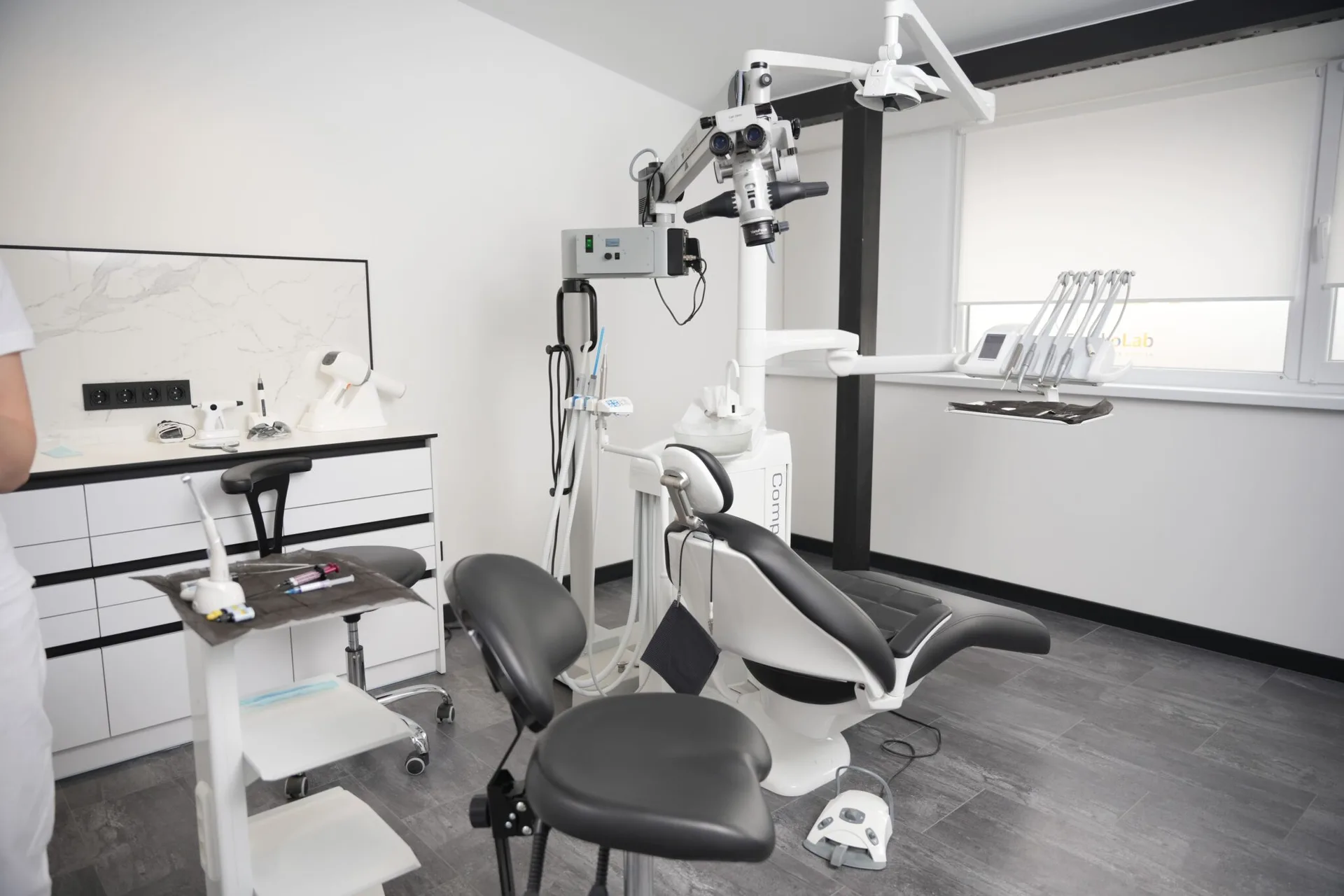
Our clinic is equipped with the latest dental equipment, ensuring accurate diagnosis of all types of tooth decay, including hidden decay, and pain-free, comfortable treatment. We guarantee high-quality and long-lasting results, offering the most advanced methods of caries diagnosis and treatment. The FrankoLab Clinic team consists of qualified specialists who tailor treatment plans to each patient’s individual needs. These are professionals who combine expert knowledge with a caring approach to every patient. At our clinic, every instrument undergoes a three-stage sterilisation process, including mechanical, chemical and ultrasonic disinfection, followed by autoclaving. Book an appointment with us online or by telephone.
Book a consultation

Book a consultation and one of our managers will contact you shortly

+380 50 011 20 00

FrankoLab Clinic dental surgery

A healthy smile starts with the right decision

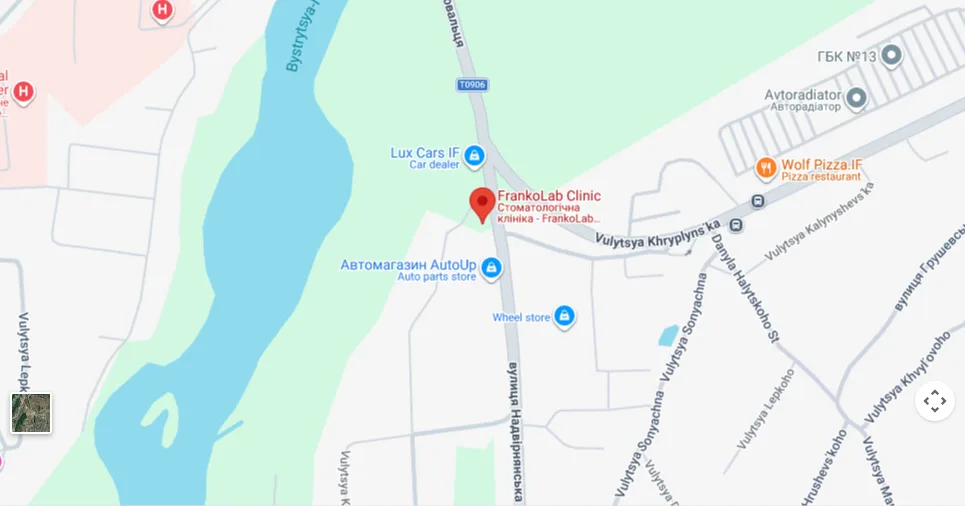
  • 77460, Ivano-Frankivsk, Cherniiv village, 2B Nadvirnianska Street
  • Mon–Sat 9.30 am–7.00 pm, Sun 10.00 am–7.00 pm
  • +380 50 011 20 00
Book a consultation
Map: 77460, Ivano-Frankivsk, village of Cherniiv, 2B Nadvirnianska Street