EN
Preventive care

Why choose FrankoLab:

  1. 01 Professional dental hygiene and tartar removal
  2. 02 Prevention of tooth decay and gum disease
  3. 03 Personalised selection of home care products
  4. 04 Regular check-ups for children and adults

Prevention of dental diseases in Ivano-Frankivsk

The basis for preventing dental and gum disease is daily personal oral hygiene (brushing your teeth and tongue, removing food debris from between your teeth, rinsing the mouth with antibacterial mouthwashes) and regular visits to the dentist, who recommends the necessary professional treatments — professional cleaning and dental treatment. Together, these two approaches provide reliable protection against tooth decay, inflammation and more serious problems.

How to keep your teeth and gums healthy

Why are professional measures for the prevention of dental diseases necessary?

Preventative check-up at the dentist

It enables the early detection of tooth decay, gum inflammation or other conditions, when they can still be treated without complex procedures. Recommended frequency: 1–2 times a year, or more frequently as advised by your dentist.

Professional dental hygiene

Removes tartar and pigmented plaque that cannot be removed with a toothbrush, interdental brush, dental pick or water flosser. Reduces the risk of tooth decay and gum inflammation. Recommended frequency: 1–2 times a year, depending on the condition of your teeth and your habits.

Prices for dental disease prevention services

The cost of dental disease prevention services depends on the scope of the procedures and the individual condition of the oral cavity. Preventative care may include professional cleaning, removal of plaque and tartar, polishing, advice on home care, and more. The exact cost is determined by the dentist following an examination. This allows us to select the optimal range of procedures (our expert will discuss the preventative care plan with you in advance) and avoid unnecessary costs.

The dentist will quote the final cost following an examination and diagnosis. Payment in instalments is available. Full price list for the clinic

Prevention of dental diseases — the foundation of oral health

Preventing dental and gum disease is not a one-off procedure, but a systematic approach to maintaining oral health. It comprises three levels: primary prevention (preventing disease), secondary prevention (early detection and treatment) and tertiary prevention (preventing complications). Regular preventative care makes it possible to avoid tooth decay, gingivitis, periodontitis and other conditions which, if treated too late, require much more extensive intervention and incur significant costs.

Proper care of your teeth and gums begins at home, but requires regular support through professional treatments. Even with thorough oral hygiene at home, tartar and bacterial plaque build up in hard-to-reach areas, which cannot be removed with a toothbrush, or even with interdental brushes, interdental picks and oral irrigators. That is why combining personal hygiene with professional treatments is the only reliable way to prevent the development of dental and gum diseases.
Tips for maintaining healthy teeth and gums at home

01

Teeth cleaning

Brush your teeth twice a day — in the morning after breakfast and in the evening before bed — using a soft or medium-soft toothbrush with fluoride toothpaste (1000–1500 ppm). You should spend at least 2 minutes brushing. Hold the toothbrush at a 45° angle to the gums. And don’t forget to change your toothbrush every 3 months or after recovering from an illness.

02

Removal of food debris

Use dental floss or a water flosser every day to clean between your teeth — this is where tooth decay and plaque most often start to form.

03

Mouthwash

Rinse your mouth after meals with a special antibacterial mouthwash. If you do not have any mouthwash, at least rinse with water to remove any food debris.

04

Tongue cleaning

Clean your tongue with a special scraper or the back of your toothbrush. You can also use special gel-based tongue cleaners.

05

Restrictions on certain habits

You should limit your intake of sugar, acidic drinks and coffee, and give up smoking. Bacteria in the mouth break down carbohydrates into acid, which damages the enamel; coffee stains teeth, whilst tobacco and vaping significantly increase the risk of periodontal disease, tooth discolouration and the development of malignant tumours in the oral cavity.

06

Fluid intake

Make sure you drink enough water. Saliva acts as a natural defence against bacteria, and dehydration reduces its production.

07

Preventative check-ups at the dentist

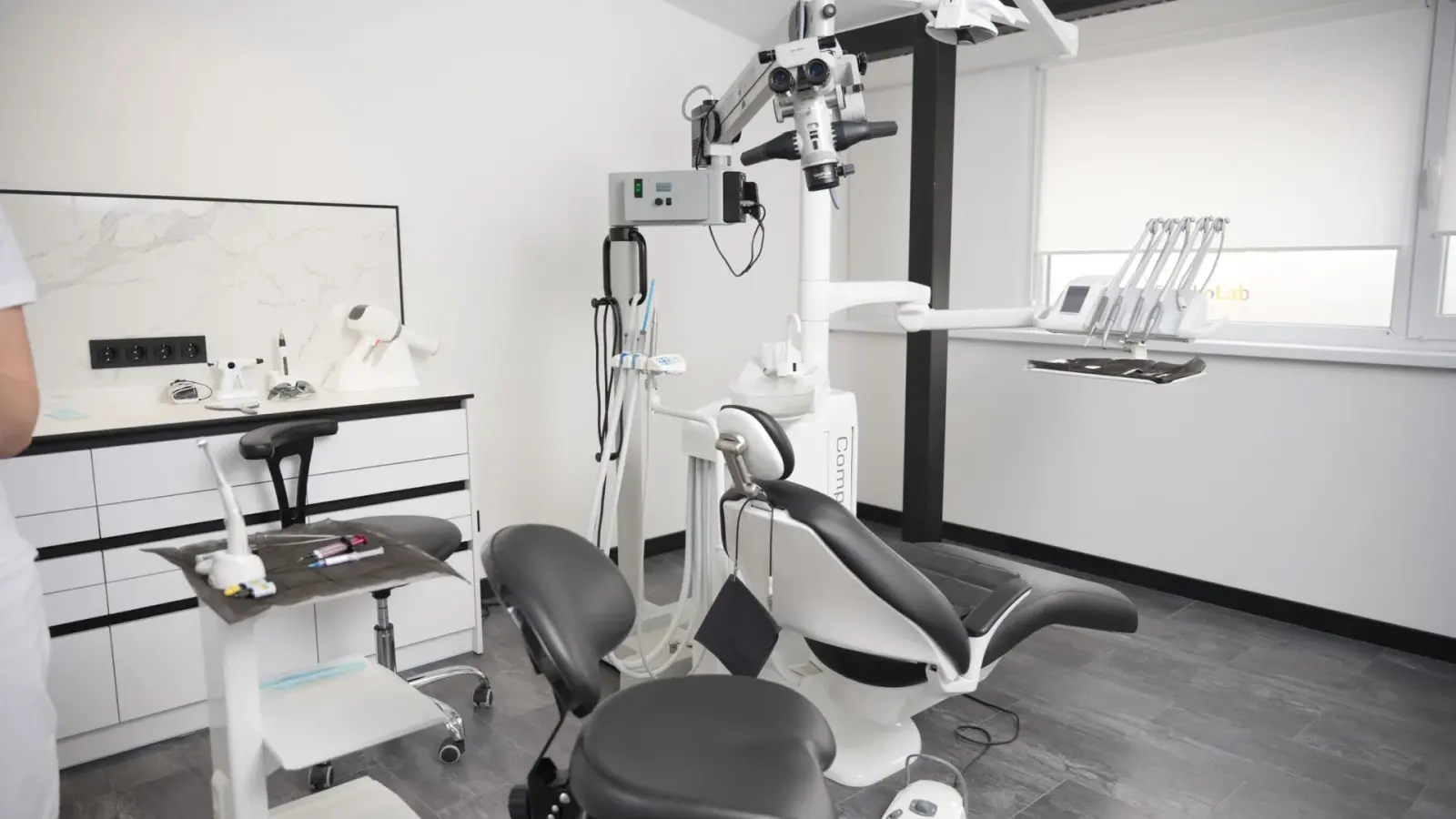
Visit your dentist regularly for check-ups — at least once every 6–12 months. Early detection helps you avoid complex and expensive treatment. At FrankoLab Clinic, it is very convenient to undergo examinations and receive all necessary preventive and therapeutic treatments: specialists, diagnostic facilities and our own dental laboratory are all in one place, and even lengthy appointments remain comfortable for patients thanks to Planmeca Compact dental units.

Our patients’ results

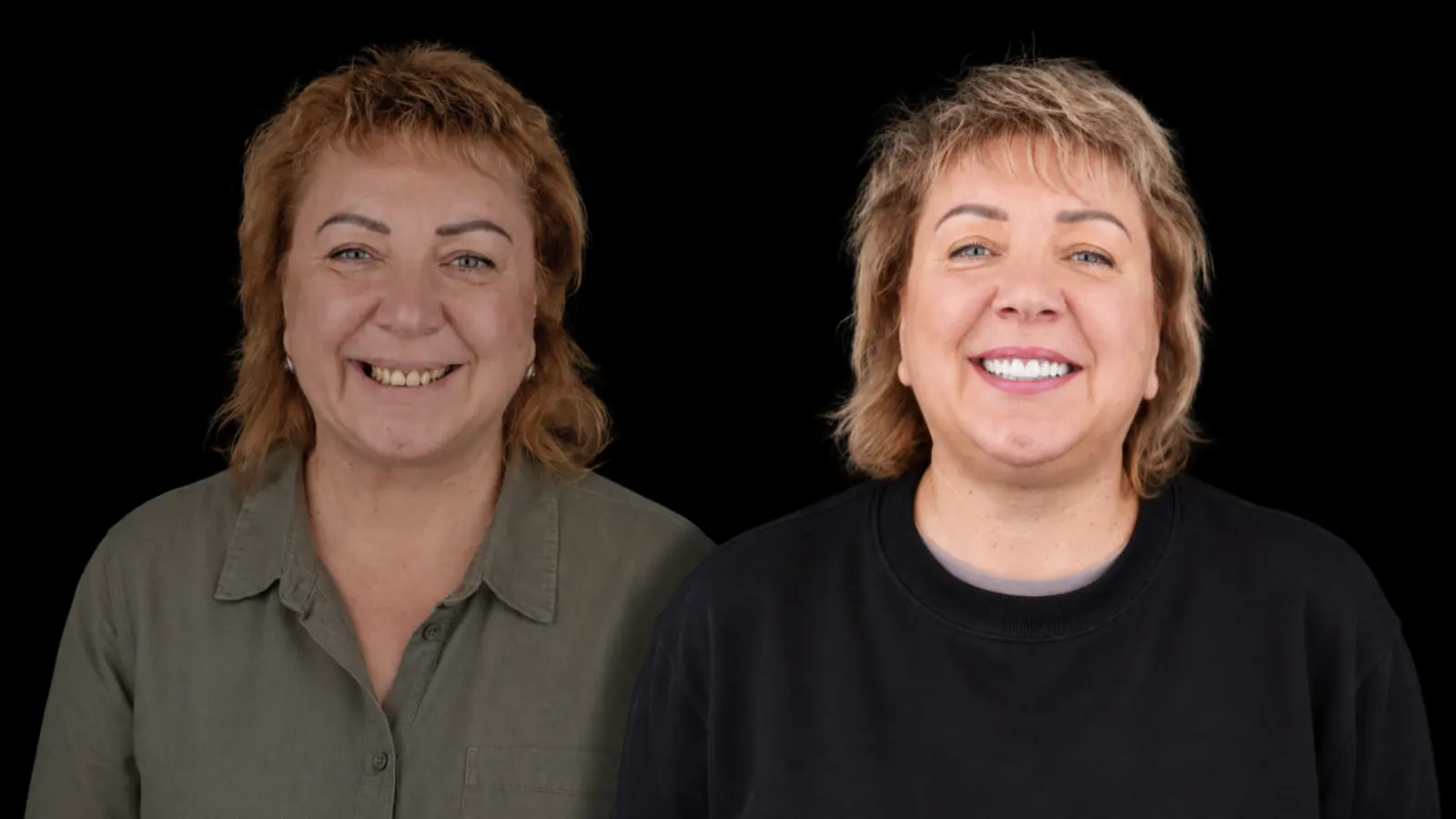
Case 2: Implantology. Prosthetics

Diagnosis:

The patient presented with complaints of discomfort whilst chewing, increased tooth sensitivity and dissatisfaction with the appearance of her smile.

Treatments:

The first stage involved professional hygiene, comprehensive oral rehabilitation, therapeutic and endodontic treatment, the extraction of teeth that could not be restored, and implant placement.

Immediately following the surgical stage, temporary prosthetic restorations were fitted.
Six months
later, a prototype of the future smile was fabricated in the clinic’s own dental laboratory, FrankoLab.

The final stage involved the fitting of 24 fully anatomical zirconia crowns onto the patient’s natural teeth and implants in the upper and lower jaws.

Result:

Full functional and aesthetic rehabilitation has been achieved. Tooth sensitivity has been eliminated, chewing efficiency has been fully restored, and a stable prosthetic structure and a natural, harmonious smile have been created.

Patient reviews

4,9 Google rating All reviews on Google

Diana Kruk

08.07.2026

The clinic and service are of the highest standard – keep up the good work!

Ksenia Savenko

23.06.2026

I am very grateful to the whole FrankoLab team for the experience I’ve had with you. You are incredible! I wish you continued growth and prosperity, because the smiles you create are not only beautiful but also genuine, as seen on the faces of your grateful clients.

FrankoLab Dental Laboratory

Book a professional dental check-up at FrankoLab Clinic — keep your teeth and gums healthy. Call us or book online.

Why people choose FrankoLab Clinic for professional dental care

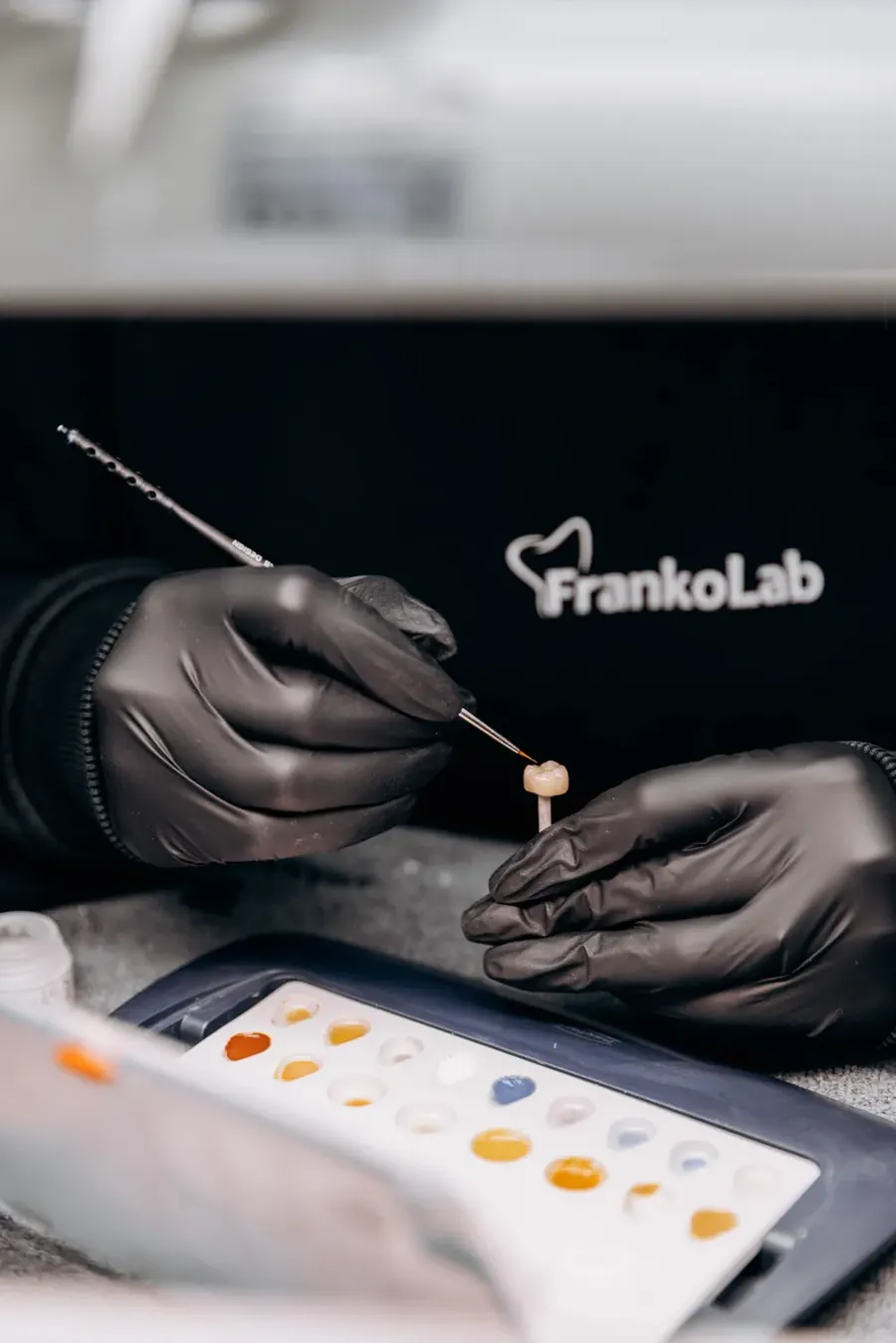
A FrankoLab dental technician works on a crown in the clinic’s in-house laboratory
01

Doctors with clinical experience

We work in accordance with modern preventive care protocols. We regularly undertake further training and take into account the specific needs of each patient.

02

A comprehensive approach

We assess the condition of the mouth before each procedure, determine the optimal course of treatment and provide recommendations for home care.

03

State-of-the-art equipment

We use ultrasonic scalers, self-contained water supply units and digital diagnostics (including the J. Morita 3D Accuitomo CT scanner, where required) to accurately identify problems and ensure comfortable cleaning.

04

Comfort and safety

We ensure a pain-free and gentle experience at every stage of preventive care. We also prioritise sterility and infection control. We have top-of-the-range autoclaves — Melag and Dentares — as well as the Axyia Plus B, which eliminates 100 per cent of bacteria, viruses and spores.

05

Transparent pricing

We draw up a treatment plan following your consultation and confirm the final cost of the dental care you require. We only proceed once the costs have been agreed. With us, you need not worry about hidden extra charges – there won’t be any.

06

Personalised recommendations

Following a check-up, we explain how to maintain the results and reduce the risk of developing dental conditions. The dentist provides personalised advice on choosing a toothbrush and toothpaste, brushing techniques, the frequency of check-ups and any additional products.

Frequently asked questions about the prevention of dental diseases

Both tools are effective, but in different ways. Dental floss is better at mechanically removing plaque from the surfaces of the teeth in the interdental spaces — it is recommended as the primary method. A water flosser effectively rinses away food debris and massages the gums, but does not completely replace floss. The ideal approach is to use them in combination: floss first, then the water flosser. If you have to choose just one, consult a specialist to find out which will be most effective in your case.
The main ‘enemies’ of teeth are sugar and acids. Bacteria in the mouth break down carbohydrates into acid, which damages tooth enamel and causes tooth decay. Particularly harmful are: sweet fizzy drinks, sweets, fruit juices and any foods that remain in the mouth for a long time. In addition, teeth are damaged by smoking (which destroys the gums and enamel), incorrect brushing (excessive pressure, a hard-bristled brush), teeth grinding (bruxism) and neglecting preventive check-ups. Regular oral hygiene and limiting sugar intake are the simplest strategies for keeping your teeth healthy.
Good oral hygiene at home is necessary but not sufficient. Even with thorough cleaning, mineralised plaque – tartar – accumulates in the spaces between the teeth and along the gum line, which cannot be removed with a toothbrush. Tartar irritates the gums and provides a breeding ground for bacteria, leading to gingivitis and periodontitis. Specialists therefore recommend combining thorough home oral hygiene with professional teeth cleaning once or twice a year.
It is recommended to begin professional oral hygiene when milk teeth appear — at around 2–3 years of age. At an early age, the procedure takes the form of a playful check-up and an introduction to the instruments, to foster a positive attitude towards the dentist. A full ultrasonic cleaning is most commonly carried out from the age of 6–7 — when permanent teeth start to appear. The dentist determines the specific age and approach on a case-by-case basis during the examination.
It is recommended that you change your toothpaste every 1–3 months or when your needs change: for example, in cases of increased sensitivity, active treatment for tooth decay or gum disease. Continuous use of the same toothpaste can sometimes reduce its effectiveness as the oral microflora becomes accustomed to it. It is best to discuss your choice of toothpaste with your dentist: they will select a formula based on the condition of your teeth — fluoride content, and the presence of antibacterial or whitening ingredients.
The most important thing is regular professional oral hygiene: it removes plaque, which harbours the bacteria that cause tooth decay. Combined with daily oral hygiene at home and regular check-ups, this provides reliable protection for your teeth.
Gingivitis (inflammation of the gums) and periodontitis (deeper damage to the tissues supporting the teeth) develop due to the build-up of bacterial plaque along the gum line. Key preventive measures: brush your teeth daily with a soft-bristled toothbrush, making sure to clean along the gum line; use dental floss, an interdental brush or a water flosser to remove plaque between your teeth; give up smoking, which significantly accelerates damage to periodontal tissues; monitor blood sugar levels (diabetes is a risk factor); and visit the dentist regularly for check-ups and professional treatments. At the first signs — bleeding, swelling or redness of the gums — you should see a dentist as soon as possible, whilst the changes are still reversible.

Book a consultation

Book a consultation and one of our managers will contact you shortly

+380 50 011 20 00

FrankoLab Clinic dental surgery

A healthy smile starts with the right decision

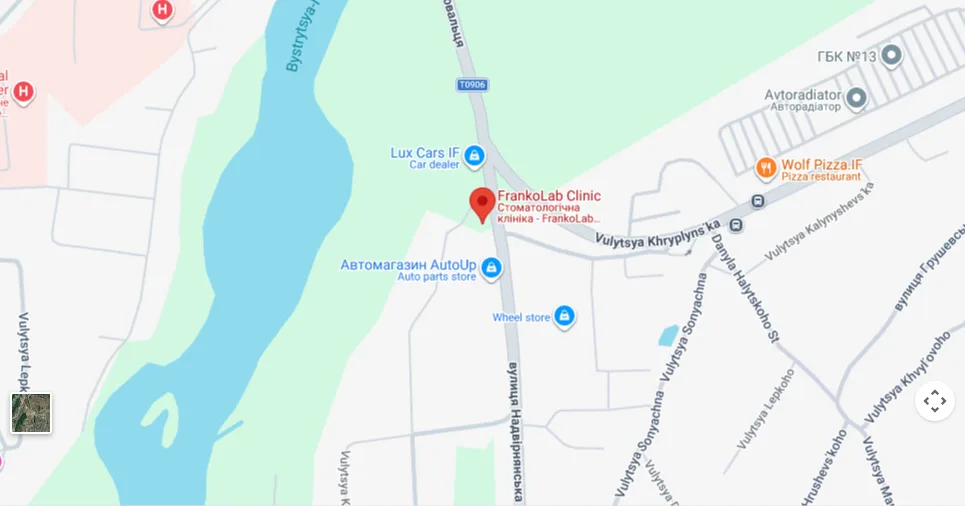
  • 77460, Ivano-Frankivsk, Cherniiv village, 2B Nadvirnianska Street
  • Mon–Sat 9.30 am–7.00 pm, Sun 10.00 am–7.00 pm
  • +380 50 011 20 00
Book a consultation
Map: 77460, Ivano-Frankivsk, village of Cherniiv, 2B Nadvirnianska Street