EN
Core build-up (tooth stump restoration)

Why choose FrankoLab:

  1. 01 We can save even severely damaged teeth
  2. 02 We select the treatment method best suited to your specific case
  3. 03 Results in one or two visits

Tooth stump restoration in Ivano-Frankivsk

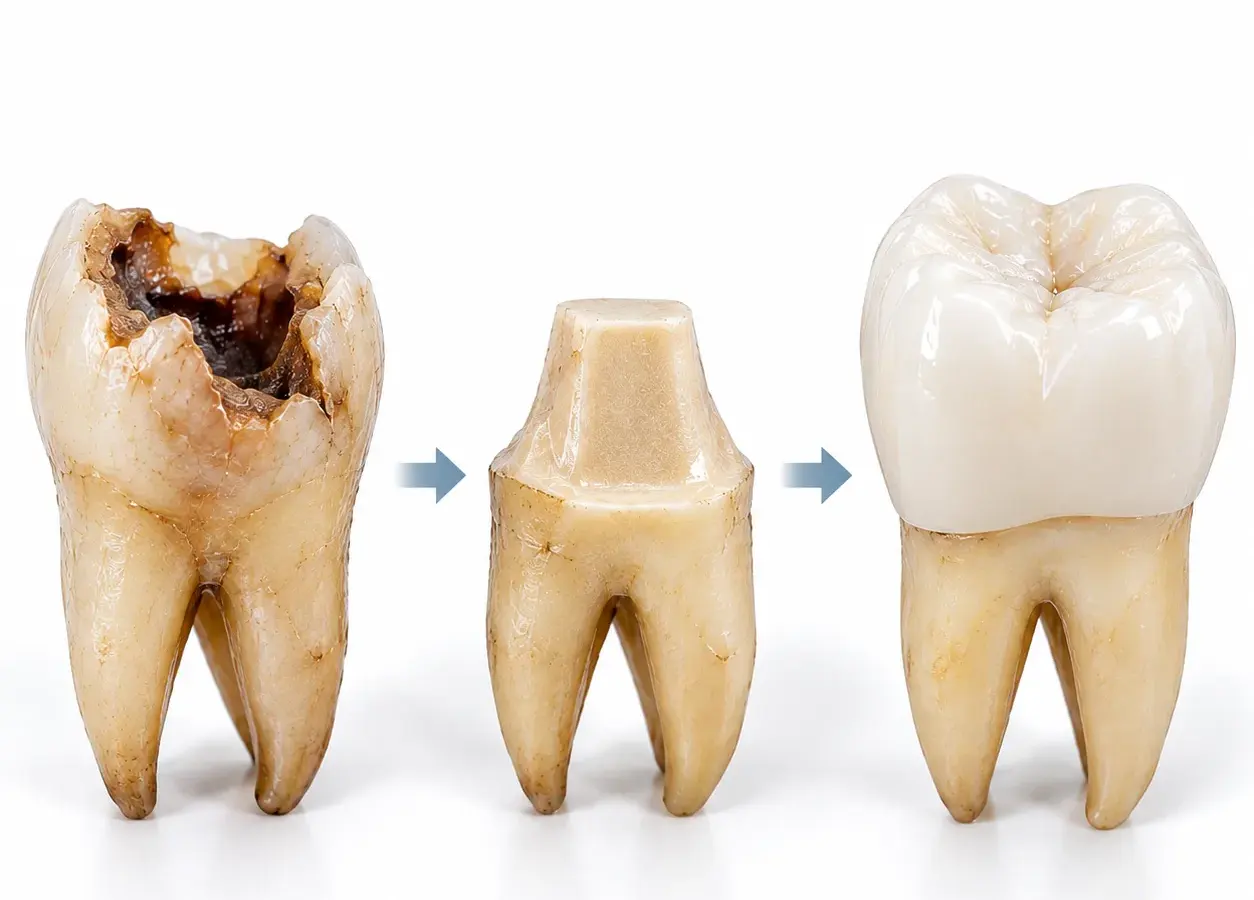
A tooth stump, or stump, is the remnant of a tooth following its partial destruction: what remains of the crown following deep caries, a chip or a fracture. Sometimes the tooth stump remains intact, whilst at other times only the root remains. In either case, simply ‘fitting a crown on top’ will not work: the crown needs a reliable foundation that can withstand the forces of chewing. This is precisely why tooth stump restoration is carried out: first, the supporting structure is rebuilt, and only then is the crown secured. This is a standard stage in preparing the tooth for restoration, well-established by the dental specialists at FrankoLab Clinic, which allows the natural root to be preserved and avoids complete extraction.

What is a tooth stump (residual tooth) and why should it be restored?

Tooth restoration in dentistry is a procedure that helps restore aesthetics and functionality when the tooth root has no cracks, inflammation or pathological mobility. Even if old fillings have fallen out or broken down and the tooth can no longer be filled using conventional methods, or cannot be filled at all, it is very often possible to restore the tooth with a crown.

When is tooth root restoration needed?

Destruction of more than 50 per cent of the crown portion of the tooth

Restoring the tooth stump provides a reliable foundation for a future crown when more than half of the hard tissue has been lost and a standard filling no longer ensures the stability of the tooth or the full restoration of the dentition.

After root canal treatment

Stump restoration strengthens a depulped tooth, which becomes brittle and lacks the necessary tissue to support a prosthesis directly, and provides a solid foundation for subsequent prosthetic treatment.

Insufficient height or thickness of the tooth walls

Restoring the abutment compensates for the lack of natural tissue, ensuring the correct shape and secure fixation of the artificial crown.

Preparation for prosthetic treatment

The abutment provides a reliable foundation for the permanent restoration, ensuring an even distribution of the chewing load and the longevity of the restoration.

Uneven tooth decay

This method makes it possible to smooth the surface of the tooth and restore its anatomically correct shape before fitting a permanent prosthetic restoration.

How much does a tooth stump restoration cost?

The cost of restoring a tooth stump at FrankoLab Clinic in Ivano-Frankivsk depends on the extent of tooth damage, the chosen restoration method (composite with a post, without a post, or a stump inlay) and the material used. The exact price is determined following an examination and X-ray diagnosis: before treatment begins, the dentist will clearly explain exactly what needs to be done and how much it will cost. Our dental clinic offers flexible payment plans — you can spread the cost of treatment over several instalments. After all, we know that root canal treatment is a procedure that needs to be carried out here and now, not at some point in the future. Please check the current terms and conditions with the receptionist.

The dentist will quote the final cost following an examination and diagnosis. Payment in instalments is available. Full price list for the clinic

Stages of tooth stump restoration

01

Consultation and diagnosis

The dentist examines the remaining tooth structure, takes a targeted X-ray or CT scan using the state-of-the-art J. Morita 3D Accuitomo 170 tomograph. The specialist will always assess the condition of the root, gums and bone tissue. They determine whether there are indications for restoring the tooth stump, whether the stump can be restored, and which restoration method is suitable for you.

02

Root canal treatment (if required)

If the tooth is ‘vital’, a root canal treatment and high-quality filling of the canals are carried out before restoring the tooth stump. If the canals have already been treated and filled previously, the dentist assesses the quality of the previous treatment.

03

Root canal treatment and placement of a post (where indicated)

In cases of significant tooth loss, a glass-fibre or anchor post is inserted into the root canal for additional stabilisation. This acts as the internal framework for the future dental prosthesis.

04

Cultural formation

A composite material is applied layer by layer and polymerised onto the post or directly onto the root walls / remaining tooth structure, or a laboratory-fabricated stump inlay is cemented in place (depending on the chosen method of stump restoration).

05

Preparation for a crown

The prepared stump is shaped to the form required for securing the crown. An impression is taken or a digital scan is performed.

06

Fitting of a temporary and/or permanent crown

Whilst a permanent crown is being fabricated in the dental laboratory, a temporary restoration can be fitted to protect the tooth stump. Once the finished crown has been received from the laboratory, it is replaced with the permanent one. The tooth is fully restored.

Methods of tooth stump restoration

Restoration using composite material with a glass-fibre post

The most common method. A fibreglass post is inserted into the root canal and secured with cement; it acts as ‘reinforcement’. A photopolymer material is then applied in layers on top of it and cured, shaping the stump to the required form.

When it is suitable: 30–50 per cent or less of the crown remains, but the root walls are sufficiently thick and strong.

Advantages: completed in a single visit, affordable pricing, good adhesion to tooth tissue.

Cuxo tab

A bespoke design, manufactured in the dental laboratory from a metal alloy or zirconium dioxide. It precisely replicates the shape of the prepared canal and the supraradicular portion. We cement it in place.

When it is suitable: very extensive damage (only the root or thin walls remain), the tooth bears a heavy chewing load, or maximum structural strength is required.

Advantages: high precision of fit, considerable strength, durability.

Restoration without a post

If a tooth has minor damage and its remaining structure is sufficient to support the restoration, the stump is restored using composite resin alone, without placing a post in the root canal.

When it is suitable: 50 per cent or more of the crown is intact, and the tooth walls are strong and thick.

Advantages: the gentlest method, does not require canal widening.

Our patients’ results

Case Study 3: Composite Restorations

Diagnosis:

The patient presented with complaints of discolouration of her front teeth, numerous old composite restorations and an unsatisfactory smile. During the clinical examination, discolouration of the teeth was identified, along with restorations that had lost their functionality and aesthetic appearance.

Treatments:

Following digital planning, a decision was made to carry out aesthetic restoration of the upper incisors using refractive veneers.
The restorations
are made entirely from ceramic materials, without any metal framework, which is one of the most aesthetically pleasing techniques in modern dentistry. This method allows for the most accurate reproduction of the natural translucency, colour depth and optical properties of natural enamel, ensuring a flawless result.

Result:

Discolouration has been removed and old, unaesthetic restorations have been replaced. The natural shape, proportions and harmony of the front teeth have been restored. Thanks to refractive veneers, the patient achieved a natural, bright and aesthetically pleasing smile that closely mimics natural teeth, combining durability, functionality and premium aesthetics.

Doctors providing treatment

Patient reviews

4,9 Google rating All reviews on Google

Diana Kruk

08.07.2026

The clinic and service are of the highest standard – keep up the good work!

Ksenia Savenko

23.06.2026

I am very grateful to the whole FrankoLab team for the experience I’ve had with you. You are incredible! I wish you continued growth and prosperity, because the smiles you create are not only beautiful but also genuine, as seen on the faces of your grateful clients.

FrankoLab Dental Laboratory

Not sure which method of tooth restoration is right for you? A dentist at FrankoLab Clinic will help you decide. Book a consultation!

Why do people choose FrankoLab Clinic for tooth stump restoration?

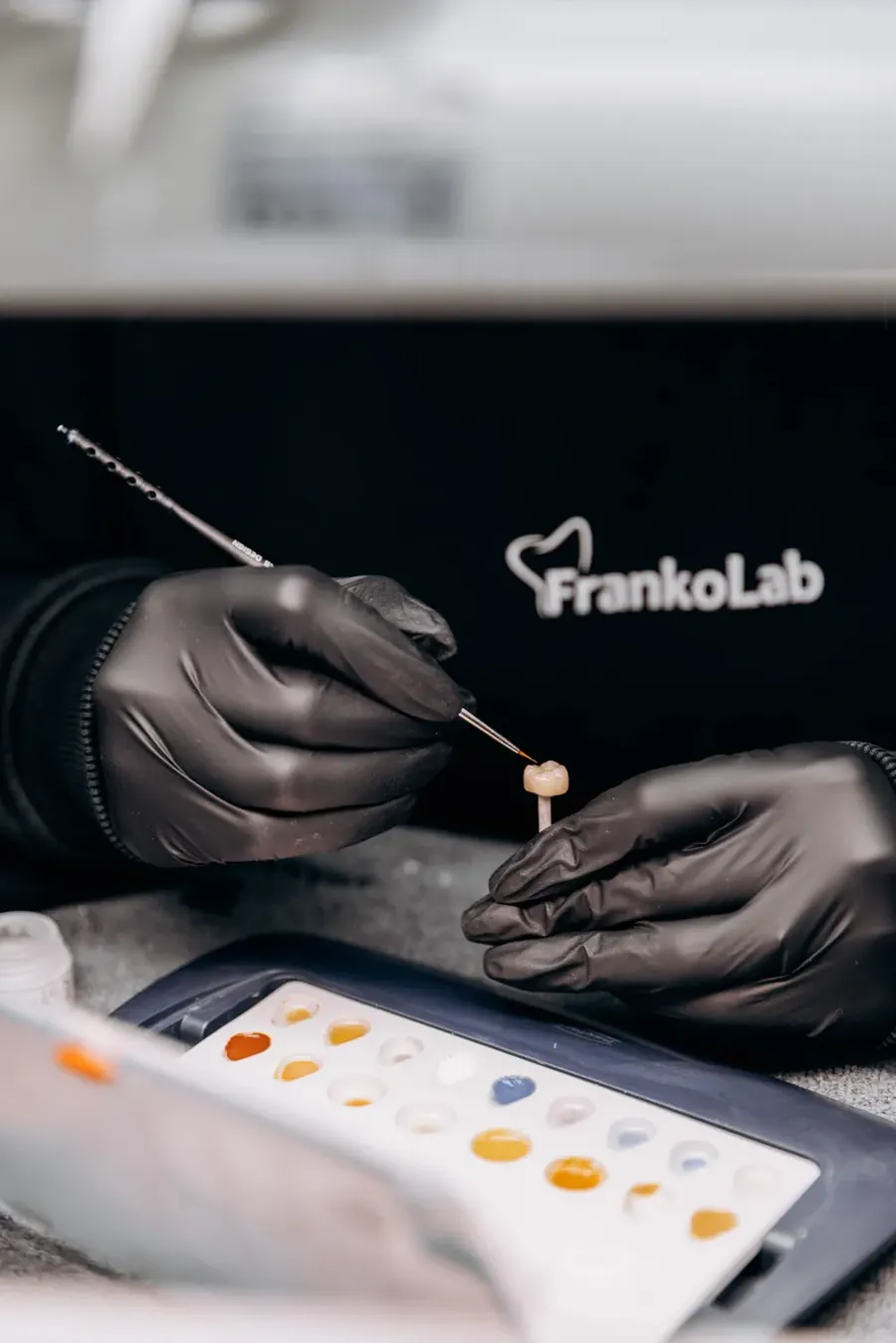
A FrankoLab dental technician works on a crown in the clinic’s in-house laboratory
01

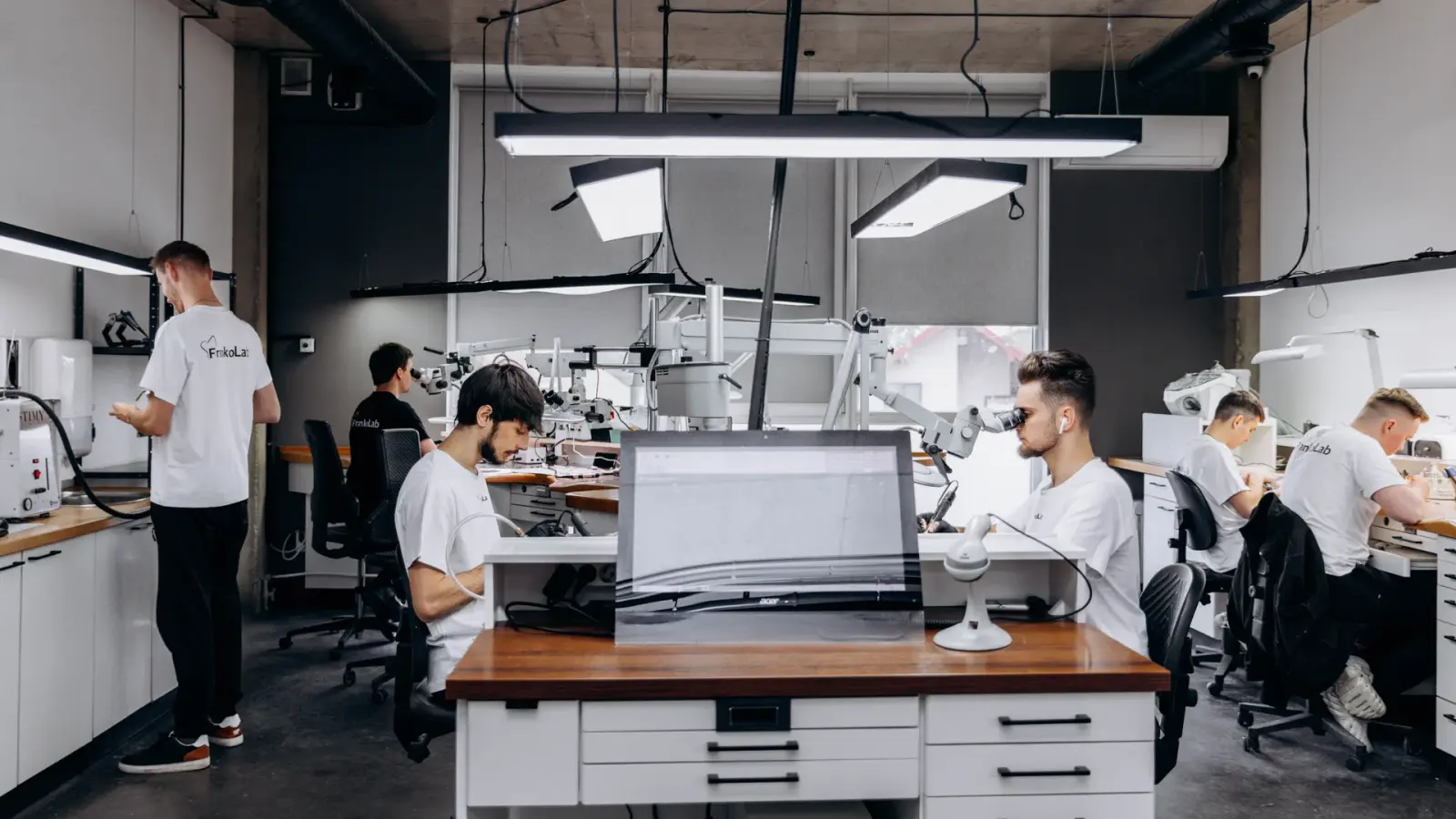
In-house full-service digital dental laboratory

We manufacture crown-retained inlays and onlays and post-and-core restorations in our own dental laboratory using customised digital impressions. This ensures a precise fit, durability and minimal waiting times.

02

Modern digital technologies

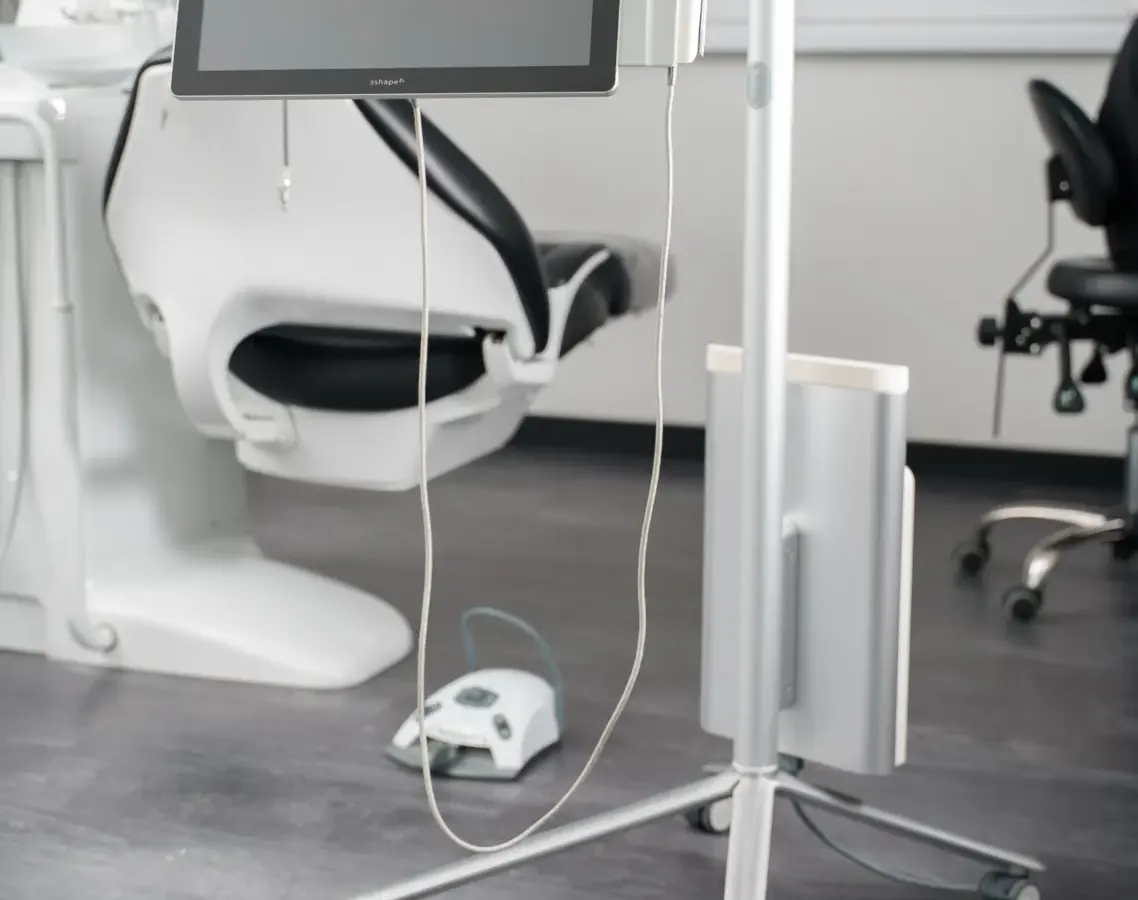
The use of 3Shape TRIOS 3 and Dentsply Sirona Primescan intraoral scanners, CAD/CAM systems and 3D modelling makes it possible to precisely plan the shape of the abutment and create the ideal foundation for the future crown.

03

High-quality endodontic foundation

Before restoring the stump, the root canals are treated under a microscope, which guarantees the seal and durability of the restoration.

04

Reliable materials and methods

We use modern fibreglass posts, composite materials and core build-ups from tried-and-tested systems, which ensure strength and biocompatibility.

05

A comprehensive ‘turnkey’ approach

The prosthodontist and dental technician work as a single team: from diagnosis and tooth preparation to the fabrication and fitting of the abutment and subsequent crown — all under one roof. Thanks to the closed production cycle, every restoration undergoes internal quality control, which minimises the risk of inaccuracies and repeat visits.

Frequently asked questions about tooth stump restoration

No. At FrankoLab Clinic in Ivano-Frankivsk, we carry out tooth root restoration under local anaesthetic, so you will not feel any pain during the procedure. Once the anaesthetic has worn off, you may experience slight sensitivity — this usually subsides within a few days. If the tooth has been root-canal treated (with the nerve removed), there is almost no discomfort after the procedure.
If the tooth is still ‘alive’ (the pulp is intact), then, before restoring the stump, we carry out a root canal treatment and fill the canals. This is an essential step: there is a possibility that a live tooth beneath the stump and crown may become infected over time. If the root canals have already been properly filled previously, there is no need for further endodontic treatment.
We usually carry out composite core restoration with a post in a single appointment. The procedure takes between 40 minutes and 1.5 hours. If a stump inlay is chosen, two appointments are required: during the first, we take a digital impression and fit a temporary restoration; during the second (after the inlay has been fabricated in our dental laboratory), we fit the permanent restoration.
In most cases, yes. If the root is healthy, of sufficient length, and free from cracks and pathological mobility, restoration is possible using a post-and-core restoration or a post and core construction. Sometimes, prior to restoration, a minor surgical procedure is carried out — clinical crown lengthening — to expose more of the root for secure fixation. The decision is made following an examination and a CT scan.
A post is not required if at least 50 per cent of the crown of the tooth remains and the walls of the remaining tooth structure are thick and strong enough to support the composite layer. In this case, the material is bonded directly to the remaining tooth structure, without being placed in the root canal. The dentist determines whether a post is unnecessary after assessing the X-ray and conducting a clinical examination of the oral cavity.
Usually, yes, if the restoration is completed in a single visit (composite with a post). After shaping the stump, we take a digital impression and send it to our in-house full-cycle digital dental laboratory. The waiting time for a permanent crown is a few days (the timeframe depends on the type of restoration). In the meantime, a temporary crown is fitted to protect the stump.
Both methods are reliable — the choice depends on the clinical situation, rather than on the principle that ‘one is better than the other’. The dentist will recommend the best option following an examination.
It is not possible to restore a tooth stump if the tooth root is fractured vertically, there is pathological mobility due to significant bone loss, the root is too short or too thin to support a post or inlay, or if there is an active inflammatory process in the bone that cannot be treated. In such cases, the dentist recommends root extraction followed by implantation or another type of prosthetic restoration.

Book a consultation

Book a consultation and one of our managers will contact you shortly

+380 50 011 20 00

FrankoLab Clinic dental surgery

A healthy smile starts with the right decision

  • 77460, Ivano-Frankivsk, Cherniiv village, 2B Nadvirnianska Street
  • Mon–Sat 9.30 am–7.00 pm, Sun 10.00 am–7.00 pm
  • +380 50 011 20 00
Book a consultation
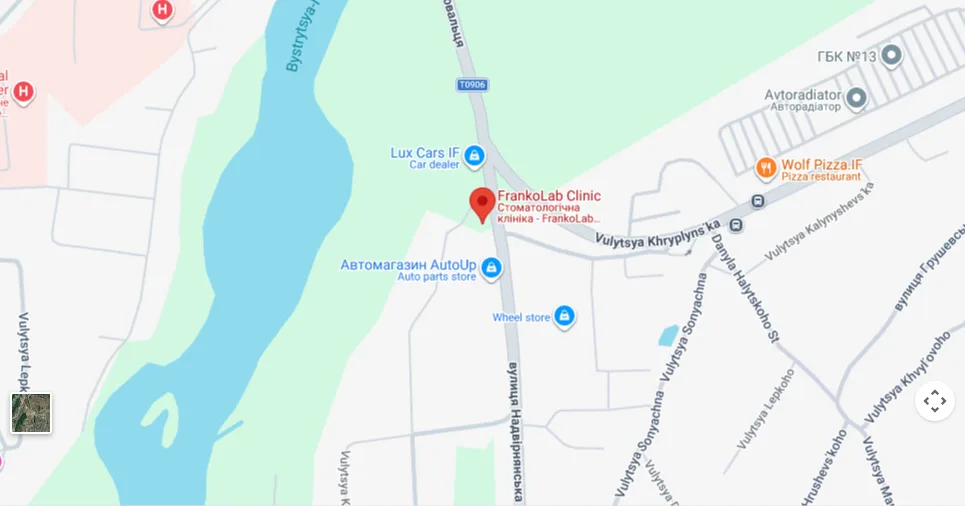
Map: 77460, Ivano-Frankivsk, village of Cherniiv, 2B Nadvirnianska Street