EN
Aesthetic composite restoration of posterior teeth

Aesthetic composite restoration of the posterior teeth in Ivano-Frankivsk

A chip on a molar, a crack caused by chewing hard food, a crown or filling destroyed by a cavity that is unsatisfactory in both appearance and function — these are all familiar problems affecting the posterior teeth. And although the molars are hidden from view, their condition directly affects the quality of chewing, the load on the dentition, and the overall health of the oral cavity and jaw.

FrankoLab Clinic’s dentistry department offers a minimally invasive solution — aesthetic composite restoration of the posterior teeth. The dentist restores the tooth layer by layer, using light-cured materials that match the natural colour of the enamel. The result is a tooth that looks natural, withstands chewing forces and lasts for years.

Indications for aesthetic composite restoration of posterior teeth

Caries lesions

Small and medium-sized cavities on the occlusal (chewing), proximal (between the teeth) and cervical surfaces. Aesthetic restoration of posterior teeth allows for the restoration of lost tooth structure and its natural anatomy.

Non-carious defects

Cracks or chips in the enamel and dentine, wear (abrasion/attrition), enamel erosion, etc. Aesthetic composite restoration of posterior teeth helps to restore the integrity of the tooth following trauma or excessive chewing pressure.

Replacement of old fillings and restoration following caries treatment

Restoration of molars using composite resin is recommended if there is wear, a loss of seal, discolouration or gaps between the filling and the tooth; old fillings will need to be removed. Composite restorations allow for a more natural-looking tooth without visible margins between the tooth structure and the filling.

Aesthetic and functional corrections

There is a discolouration of the tooth that cannot be whitened; restoration of the anatomical shape, contact points and occlusion is required. It helps to restore the tooth’s surface structure and function in cases of moderate pathological wear of the chewing surface, thereby enabling the even distribution of chewing forces to be restored.

Minor defects on the contact surfaces between teeth

Composite restoration of the posterior teeth helps to restore proper occlusion and reduce the risk of food getting stuck between the teeth.

Prices for aesthetic composite restorations of molars

The cost of cosmetic restoration of molars using composite resin in Ivano-Frankivsk depends on the extent of the damage, the number of surfaces to be restored, and the complexity of the clinical case. We determine the exact price during the consultation.

The dentist will quote the final cost following an examination and diagnosis. Payment in instalments is available. Full price list for the clinic

Payment in instalments

Don’t put off looking after your teeth because of financial constraints. At FrankoLab Clinic in Ivano-Frankivsk, you can pay for aesthetic composite restorations of your posterior teeth in instalments — with no hidden charges or unnecessary conditions. Ask the receptionist for details or call our contact centre.

Stages of aesthetic restoration of posterior teeth using composite resin

01

Consultation and diagnosis

The dentist examines the tooth, assesses the extent of the damage and takes a panoramic or CT scan (if necessary). At this stage, we determine the extent of the restoration and select a shade of composite material to match the colour of your teeth.

02

Anaesthesia and tooth preparation

If the restoration involves the dentine or is close to the gums, the dentist administers a local anaesthetic. We then remove the affected tooth tissue, the carious cavity and any remnants of the old filling. Important: the dentist preserves as much healthy tissue as possible — this is one of the key advantages of aesthetic restoration of posterior teeth over a crown.

03

Tooth isolation

To ensure perfect adhesion of the composite to the tooth structure, the dentist isolates the treatment area from saliva using a rubber dam or cotton rolls.

04

Layered application of composite

When restoring molars, the material is applied in thin layers, each of which is cured using a curing light. In this way, the dentist shapes the relief of the chewing surface — the cusps, fissures and contact points.

05

Grinding and polishing

After polymerisation, the dentist checks the bite, smooths out any unevenness and carefully polishes the surface to restore the enamel’s natural shine.

06

Bite correction

A patient checks the comfort of their bite following the restoration of their molars with composite resin. If necessary, our specialist makes minor adjustments straight away during the appointment.

What is aesthetic composite restoration of posterior teeth?

Aesthetic composite restoration of posterior teeth is a procedure for restoring chewing teeth using modern photopolymer (composite) materials. Unlike a standard filling, which is mainly used to fill a cavity, aesthetic restoration involves a more meticulous recreation of the tooth’s anatomical shape, surface texture and shade.

The dentist restores the occlusal cusps, fissures and natural contour — so that the tooth not only looks good, but also distributes the chewing load evenly. The procedure is carried out in a single visit. It is suitable for both front and back teeth, but is particularly often used for the posterior teeth, which bear the greatest mechanical load.
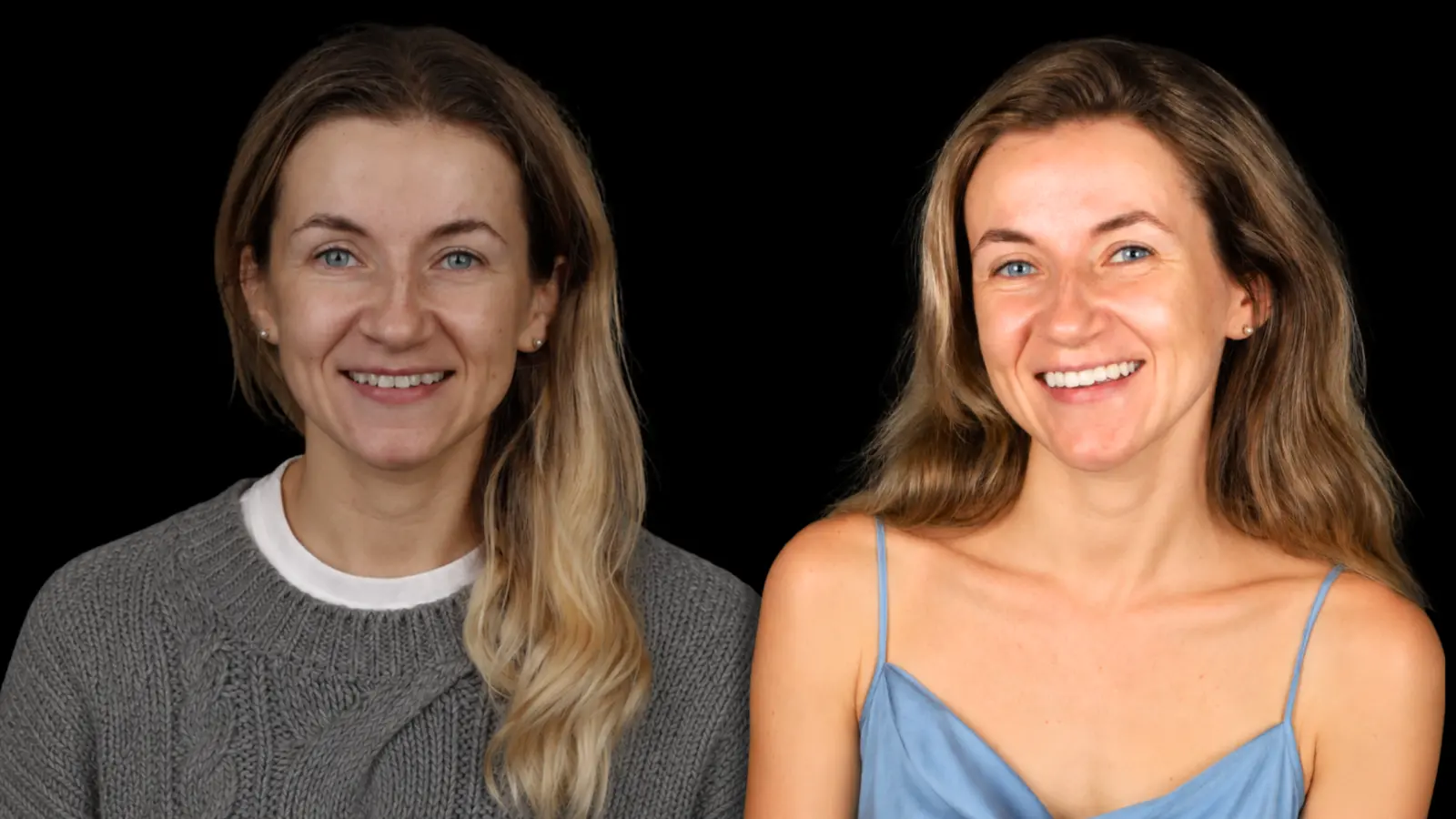

Our patients’ results

Case Study 3: Composite Restorations

Diagnosis:

The patient presented with complaints of discolouration of her front teeth, numerous old composite restorations and an unsatisfactory smile. During the clinical examination, discolouration of the teeth was identified, along with restorations that had lost their functionality and aesthetic appearance.

Treatments:

Following digital planning, a decision was made to carry out aesthetic restoration of the upper incisors using refractive veneers.
The restorations
are made entirely from ceramic materials, without any metal framework, which is one of the most aesthetically pleasing techniques in modern dentistry. This method allows for the most accurate reproduction of the natural translucency, colour depth and optical properties of natural enamel, ensuring a flawless result.

Result:

Discolouration has been removed and old, unaesthetic restorations have been replaced. The natural shape, proportions and harmony of the front teeth have been restored. Thanks to refractive veneers, the patient achieved a natural, bright and aesthetically pleasing smile that closely mimics natural teeth, combining durability, functionality and premium aesthetics.

Doctors providing treatment

Patient reviews

4,9 Google rating All reviews on Google

Diana Kruk

08.07.2026

The clinic and service are of the highest standard – keep up the good work!

Ksenia Savenko

23.06.2026

I am very grateful to the whole FrankoLab team for the experience I’ve had with you. You are incredible! I wish you continued growth and prosperity, because the smiles you create are not only beautiful but also genuine, as seen on the faces of your grateful clients.

FrankoLab Dental Laboratory

Cosmetic restoration of posterior teeth using composite resin is quick, painless and delivers long-lasting results. Submit an enquiry or give us a call, and we’ll arrange a convenient time for a consultation.

Why choose FrankoLab Clinic for aesthetic composite restorations of the posterior teeth?

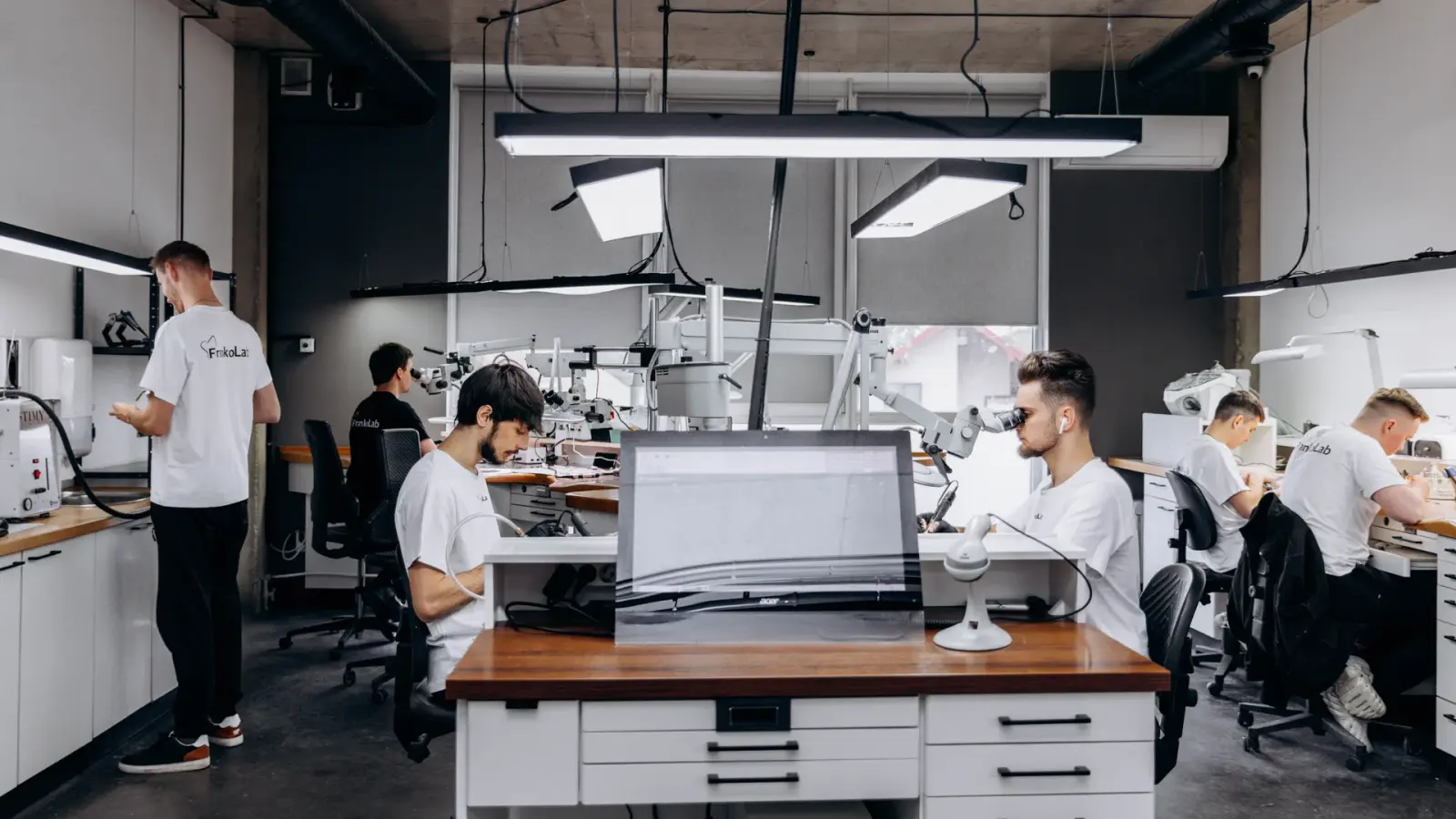
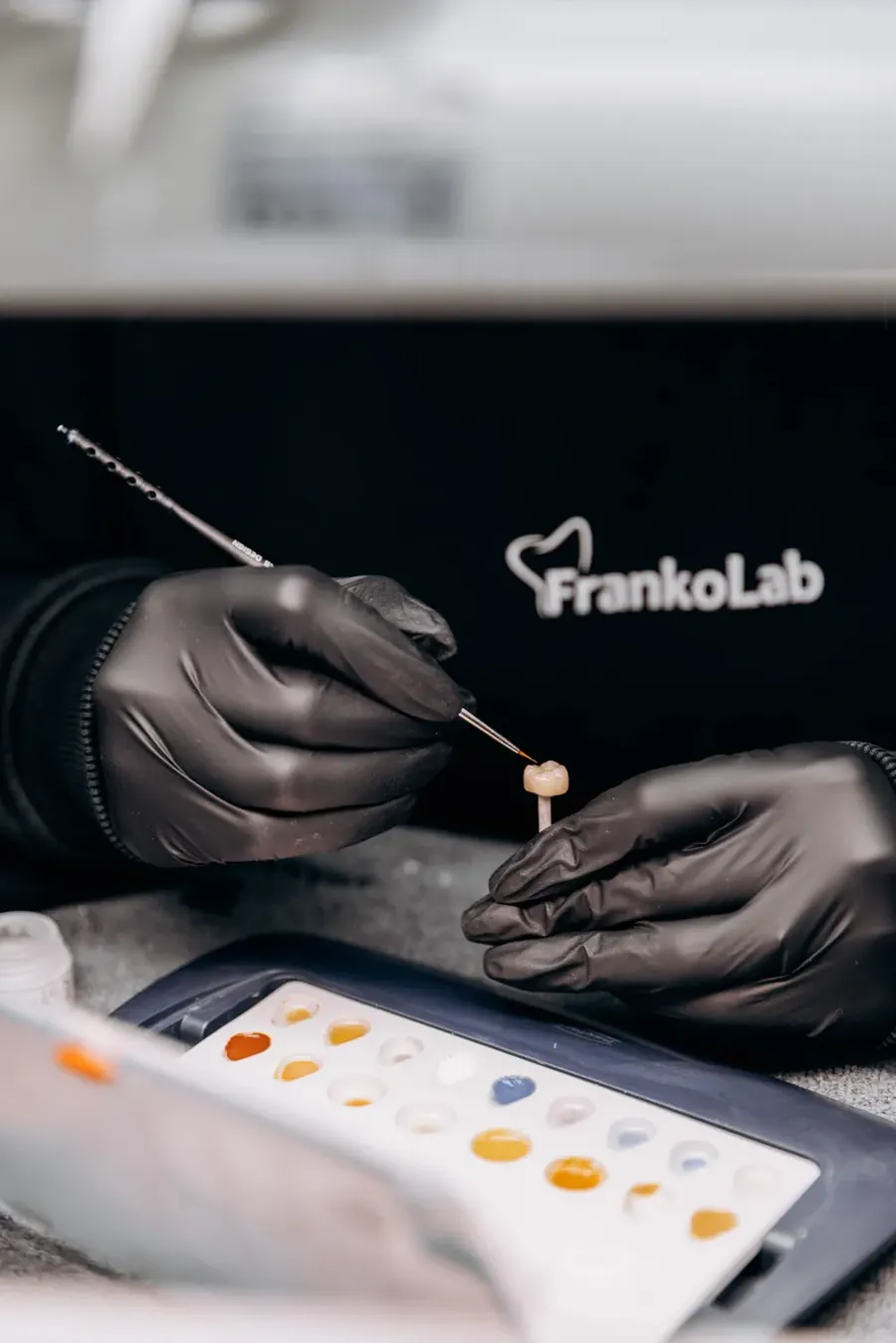
A FrankoLab dental technician works on a crown in the clinic’s in-house laboratory
01

In-house full-service digital dental laboratory

Our dental clinic has its own dental laboratory — this means that we carry out all work in-house, without involving external contractors, in strict accordance with the clinical requirements. This minimises errors, speeds up the process and ensures a perfect match in terms of shape, colour and occlusion. This is crucial for posterior teeth: precise restoration of the anatomy affects chewing function and durability.

02

Modern photopolymer materials and digital protocols

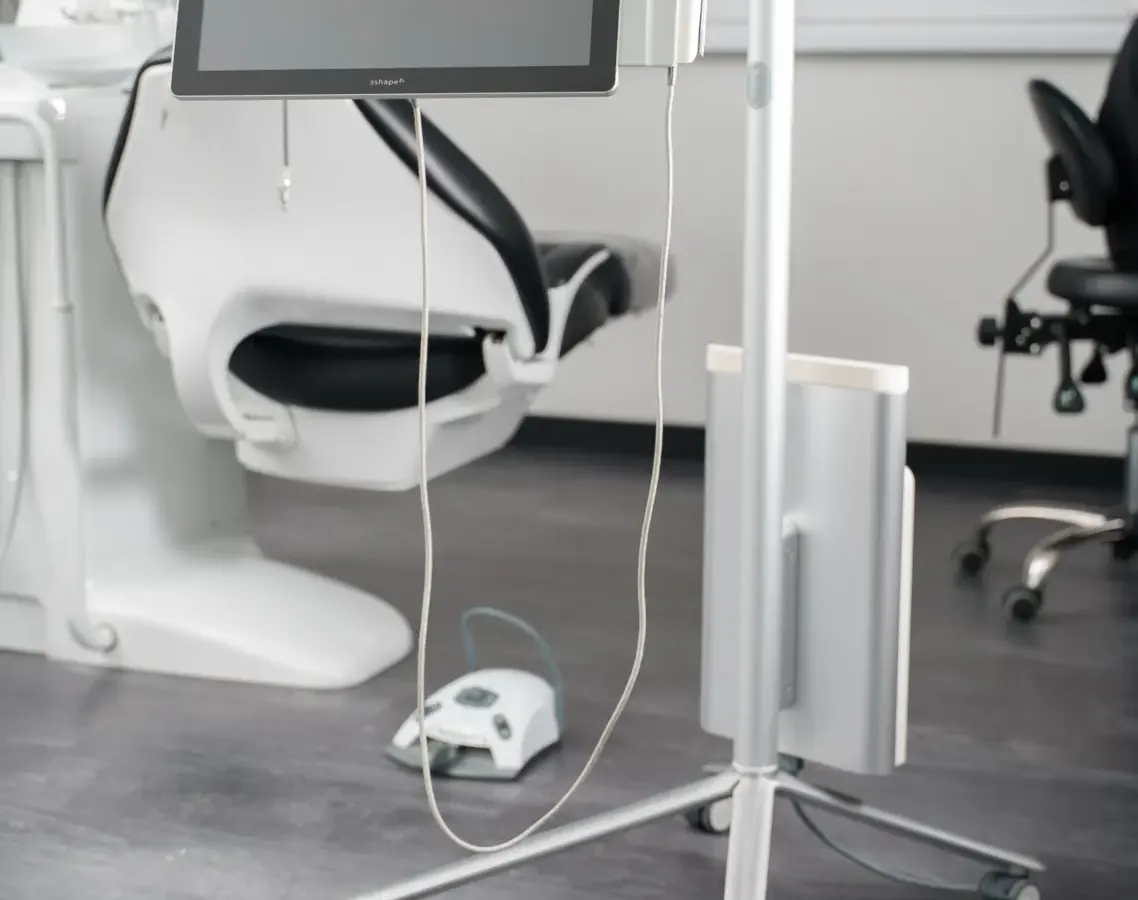
We use premium light-cured composites from leading manufacturers, which accurately replicate natural colour, translucency and resistance to stress and wear. 3D scanning (3Shape TRIOS, Sirona PrimeScan), computer modelling and digital diagnostics (CT scan using the J. Morita 3D Accuitomo 170) enable us to plan restorations in advance and achieve the desired outcome.

03

Treatment under a microscope (Carl Zeiss and others)

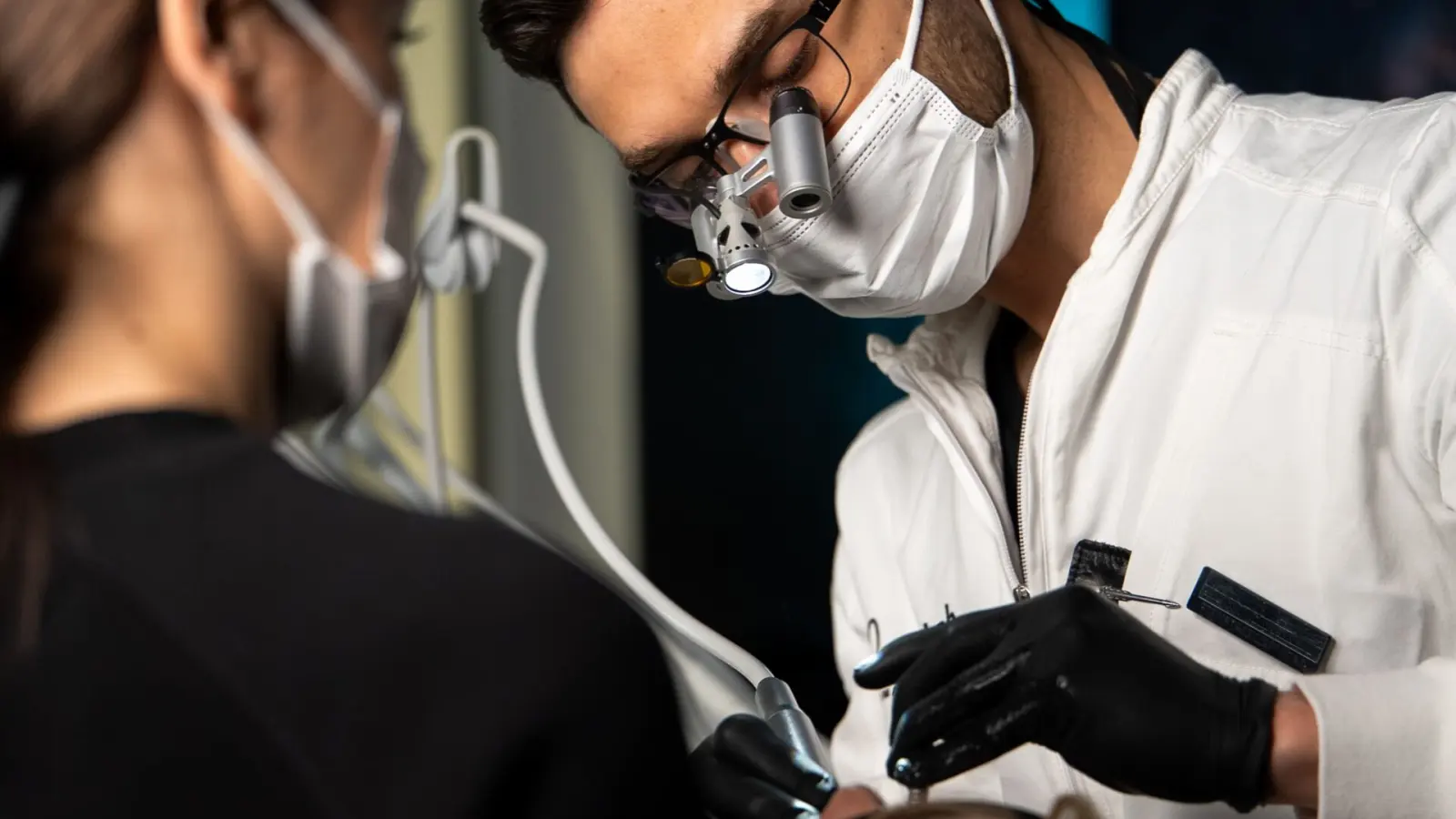
This approach ensures maximum precision when working with composites. The dentist can see details at the micron level, which makes it possible to preserve more healthy tissue, adapt the material perfectly and achieve a high standard of aesthetics, even on molars (not just front teeth).

04

A comprehensive and predictable approach

We take on complex cases and offer a ‘turnkey’ service (diagnosis + treatment + restoration). Patients receive a clear plan, transparent pricing and long-term results. Treatment under sedation is available for your comfort.

05

Results in a single visit

We usually carry out aesthetic restoration of one or more posterior teeth in a single visit, with no need to return, unless you are planning more extensive treatment. A restoration carried out correctly using high-quality materials will last 5–10 years or more, provided it is properly looked after.

06

Experience and equipment

Tens of thousands of patients (including international patients), a high standard of sterility (Melag Class B autoclaves), state-of-the-art equipment (all necessary diagnostic tests can be carried out on-site). Our patients praise the speed and quality of treatment and professional cleaning, as well as the comfort and natural appearance of the restorations.

Frequently asked questions about cosmetic restoration of molars

A standard filling seals a cavity but does not always replicate the natural contours of the tooth. Artistic restoration is a more complex and meticulous process: the dentist restores the anatomical shape of the chewing surface layer by layer, selects the shade of the material and polishes it to a natural shine. The result looks just like a real tooth and distributes the chewing load more effectively.
Depending on the complexity and extent of the damage — from 40 minutes to 1.5 hours. If the restoration is minor (a chip, a very small cavity), a single short appointment is sufficient to carry out an aesthetic composite restoration on a posterior tooth. If more extensive restoration is required, it will take longer, but in most cases it can still be completed in a single visit.
Yes. FrankoLab Clinic carries out the restoration of 2–3 teeth in a single visit, provided this is clinically appropriate and the patient is psychologically and physically prepared for a longer procedure. The dentist determines the exact number of teeth following an examination.
Composite is suitable for restoring small to moderate defects. If more than 50 per cent of the crown is damaged or the tooth requires root canal treatment, the dentist may recommend a inlay or crown instead of a composite restoration. The specific decision depends on the results of the examination and the X-ray.
No. If the procedure involves live tooth tissue, the dentist will administer a local anaesthetic. Modern anaesthetics are gentle and reliable, so the patient feels no pain throughout the restoration procedure. Once the anaesthetic has worn off, there may be some slight sensitivity — this usually subsides within 1–2 days.
High-quality, modern composites have good colour stability. However, just like natural enamel, they may change colour slightly with frequent consumption of coffee, tea, red wine or tobacco. Regular polishing at the dentist’s will help maintain the aesthetic appearance of the restoration throughout its lifespan.
No special preparation is required. We recommend brushing your teeth beforehand.
When correctly fitted and with regular care, a restoration of a molar made from high-quality photopolymer material will last 5–10 years or longer. The lifespan depends on the extent of the restoration, the load on the tooth and the thoroughness of oral hygiene at home.
The photopolymer itself has already set completely in the chair after being cured with the lamp. However, if anaesthesia has been used, it is advisable to wait until the effects have worn off (1–2 hours) to avoid biting your cheek. We also recommend avoiding very hard or heavily pigmented foods for the first 24–48 hours.
In mild cases of bruxism, restoration is possible; however, the dentist may also recommend wearing a bite splint to protect the material from excessive wear. In cases of severe bruxism, the underlying problem is addressed first, followed by restoration.
Contraindications include: active caries or pulpitis requiring root canal treatment; significant crown destruction (over 50 per cent); allergy to components of composite materials (extremely rare); severe bruxism without bite correction. In each of these cases, the dentist will suggest an alternative solution.
Standard oral hygiene: brush your teeth twice a day with a soft or medium-bristled toothbrush, use dental floss or a water flosser, and use mouthwash. It is recommended to visit the dentist for a check-up and to have your restorations polished every 6 months. Avoid opening bottles with your teeth, and chewing ice or sweets.

Book a consultation

Book a consultation and one of our managers will contact you shortly

+380 50 011 20 00

FrankoLab Clinic dental surgery

A healthy smile starts with the right decision

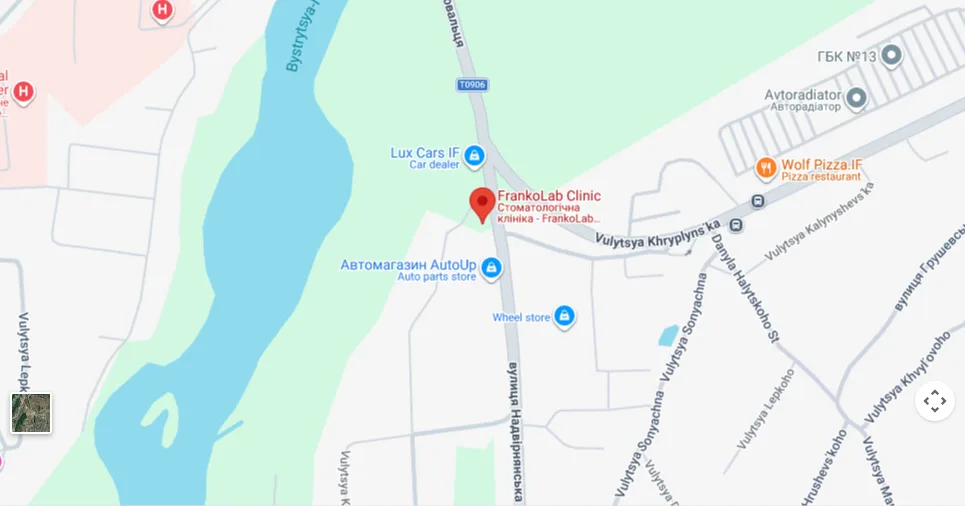
  • 77460, Ivano-Frankivsk, Cherniiv village, 2B Nadvirnianska Street
  • Mon–Sat 9.30 am–7.00 pm, Sun 10.00 am–7.00 pm
  • +380 50 011 20 00
Book a consultation
Map: 77460, Ivano-Frankivsk, village of Cherniiv, 2B Nadvirnianska Street