EN
Endodontics

Why choose FrankoLab:

  1. 01 Root canal treatment under a microscope for maximum precision
  2. 02 Modern endodontic techniques for preserving even complex teeth
  3. 03 Sealing of root canals and verification of results using 3D diagnostics

Endodontics in Ivano-Frankivsk

Endodontics is a branch of dentistry that deals with the treatment of the inner parts of the tooth: the pulp, dentine and root canals. Endodontic treatment makes it possible to save a tooth even in cases of deep caries, pulpitis and periodontitis, where previously the tooth would have had to be extracted.

At FrankoLab Clinic in Ivano-Frankivsk, we provide endodontic treatment to the highest standard — initial treatment and retreatment using a dental operating microscope (Carl Zeiss, Leica or Scanner), utilising the latest protocols and digital diagnostics (including the J. Morita 3D Accuitomo 170 CT scanner). This ensures maximum precision, complete removal of infection and hermetic sealing of the root canals. The health of your teeth is our priority!

Indications for endodontic treatment of teeth

Deep caries affecting the pulp chamber

When tooth decay reaches the pulp, bacteria penetrate the tooth, causing inflammation of the nerve and severe pain. Without treatment, the infection spreads to the root canals. Endodontics makes it possible to remove the infected tissue and save the tooth.

Acute or chronic pulpitis

In cases of pulp (nerve) inflammation, characterised by severe pain that worsens at night and sensitivity to hot and cold, pulp and root canal treatment under a microscope makes it possible to save the tooth and relieve the pain.

Periodontitis (infection near the root of the tooth)

The infection spreads beyond the anatomical boundaries of the tooth and affects the periodontium (the tissues surrounding the root). This results in severe swelling, an abscess and intense pain when biting down. Timely root canal treatment halts the process and eliminates the source of the infection.

Tooth injury (crack, fracture, exposed pulp)

Following mechanical impact, a tooth may sometimes develop chips or cracks in the enamel, fractures of the crown or root, and the pulp may become exposed or infected. Our endodontist removes the damaged tissue and seals the root canals.

A cyst or granuloma near the root of a tooth

A chronic focus of infection near the root apex is often asymptomatic, but sometimes the presence of such a condition leads to tooth loss. Treatment under a microscope makes it possible to remove cysts without extracting the tooth.

Preparing a tooth for restoration with a prosthetic device

Sometimes, before fitting a crown or using a tooth as an abutment for a bridge, root canal treatment is required to strengthen the tooth. This ensures a reliable and sturdy foundation.

Prices for endodontic treatment

The cost of root canal treatment in Ivano-Frankivsk at FrankoLab Clinic is determined on a case-by-case basis and depends on the number of canals, the complexity of the case and the extent of the restoration. The price includes diagnosis, anaesthesia, work under a microscope, root canal filling and tooth restoration. The dentist will quote the exact cost following an examination and a CT scan. We offer transparent pricing with no hidden charges.

The dentist will quote the final cost following an examination and diagnosis. Payment in instalments is available. Full price list for the clinic

Payment in instalments

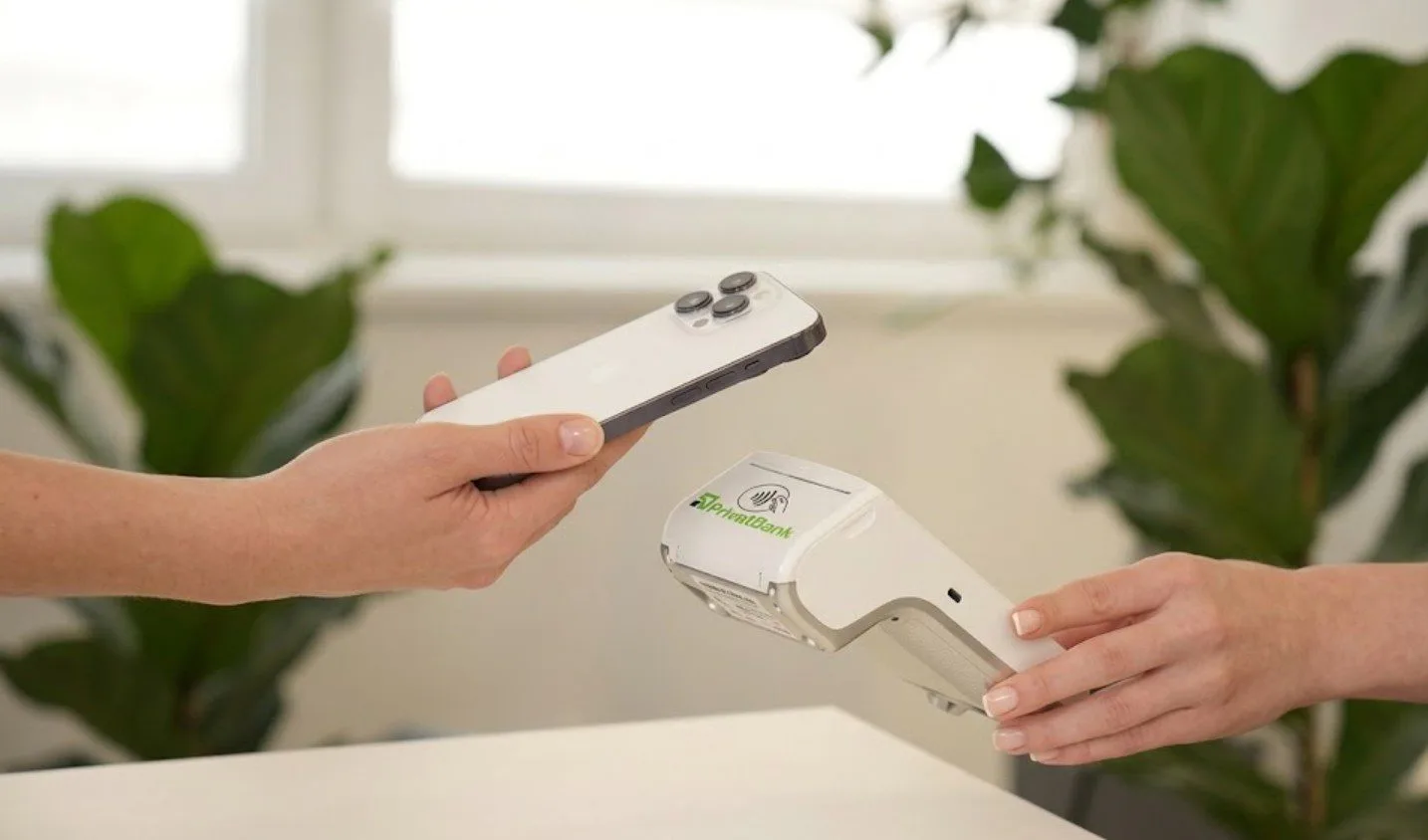
At FrankoLab Clinic, you can undergo root canal treatment with payment in instalments. You can pay for endodontic treatment in instalments without any extra charges or unnecessary red tape. This is convenient and takes the financial strain off you when you need complex or lengthy treatment that you hadn’t planned for.

Stages of endodontic treatment

01

Diagnosis and treatment planning

We carry out detailed diagnostics: examination, CT scans, X-rays. The dentist assesses the condition of the pulp, the number and shape of the root canals, and the presence of any infection or complications; under a microscope, we identify all the anatomical features of the tooth. We draw up a clear treatment plan that guarantees a predictable outcome and minimises the risk of complications.

02

Anaesthesia and isolation of the treatment area

We use modern local anaesthesia, which completely eliminates pain. We isolate the tooth with a special rubber dam to prevent saliva and bacteria from entering. Under a microscope, the endodontist checks the quality of the isolation. This stage ensures sterility and patient comfort throughout the entire treatment.

03

Access preparation and pulpectomy

Under the guidance of a dental microscope, we create a minimal opening in the tooth crown and carry out the complete removal of inflamed or infected pulp from the pulp chamber and root canals. The microscope enables us to work with jeweller’s precision to remove all affected tissue whilst preserving as much healthy dentine as possible.

04

Mechanical and chemical root canal treatment

We widen and clean root canals using specialised instruments, carrying out thorough mechanical preparation and rinsing with antiseptic solutions to completely remove infection from all canal passages and microcracks. Thanks to the apex locator and microscope, no infected area will go undetected.

05

Root canal treatment

After thorough cleaning and disinfection, the root canals are tightly filled with biocompatible material (gutta-percha using a sealer) under constant visual monitoring via a microscope. We carry out the filling hermetically to prevent re-infection of the root canal system by bacteria.

06

Tooth restoration

Following a filling, we carry out an anatomical composite restoration of the tooth using modern materials or a crown. Thanks to the precision of the microscope, treatment proceeds without complications, and the tooth fully regains its function and shape. Our dentist provides recommendations on dental care and monitoring the condition of your teeth.

After root canal treatment, increased sensitivity may sometimes persist for 1–3 days. Avoid eating hard foods on the treated side, and do not consume anything that is too hot or too cold.

Regular hygiene and check-ups every 6–12 months will help maintain the results for many years to come. If you experience severe pain or swelling, consult your dentist immediately!

Our patients’ results

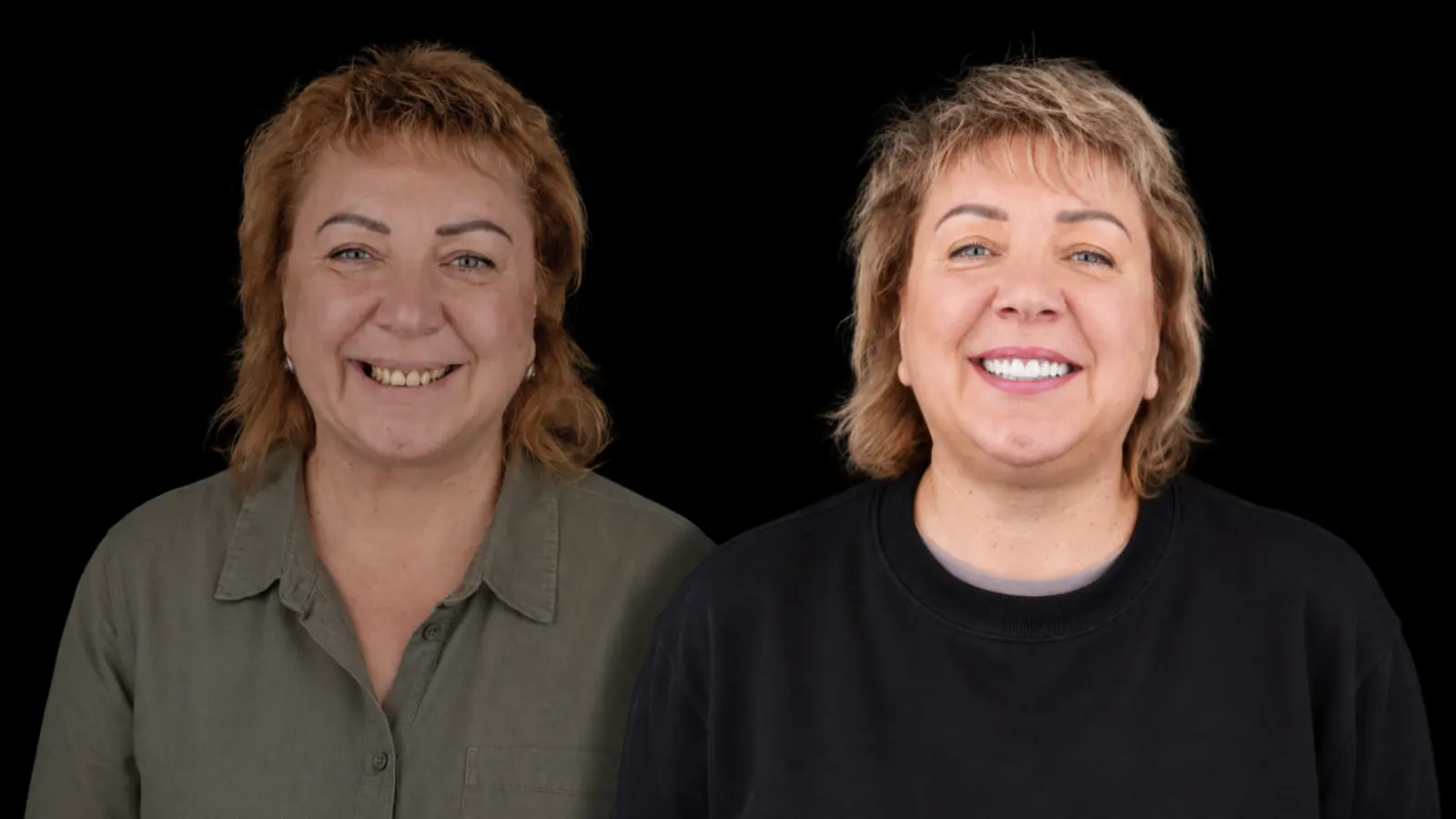
Case 2: Implantology. Prosthetics

Diagnosis:

The patient presented with complaints of discomfort whilst chewing, increased tooth sensitivity and dissatisfaction with the appearance of her smile.

Treatments:

The first stage involved professional hygiene, comprehensive oral rehabilitation, therapeutic and endodontic treatment, the extraction of teeth that could not be restored, and implant placement.

Immediately following the surgical stage, temporary prosthetic restorations were fitted.
Six months
later, a prototype of the future smile was fabricated in the clinic’s own dental laboratory, FrankoLab.

The final stage involved the fitting of 24 fully anatomical zirconia crowns onto the patient’s natural teeth and implants in the upper and lower jaws.

Result:

Full functional and aesthetic rehabilitation has been achieved. Tooth sensitivity has been eliminated, chewing efficiency has been fully restored, and a stable prosthetic structure and a natural, harmonious smile have been created.

Our team

Patient reviews

4,9 Google rating All reviews on Google

Diana Kruk

08.07.2026

The clinic and service are of the highest standard – keep up the good work!

Ksenia Savenko

23.06.2026

I am very grateful to the whole FrankoLab team for the experience I’ve had with you. You are incredible! I wish you continued growth and prosperity, because the smiles you create are not only beautiful but also genuine, as seen on the faces of your grateful clients.

FrankoLab Dental Laboratory

If you’re experiencing pain, don’t put off your appointment. Book an endodontic treatment today — save your tooth for years to come!

Why people choose FrankoLab Clinic for endodontic treatment

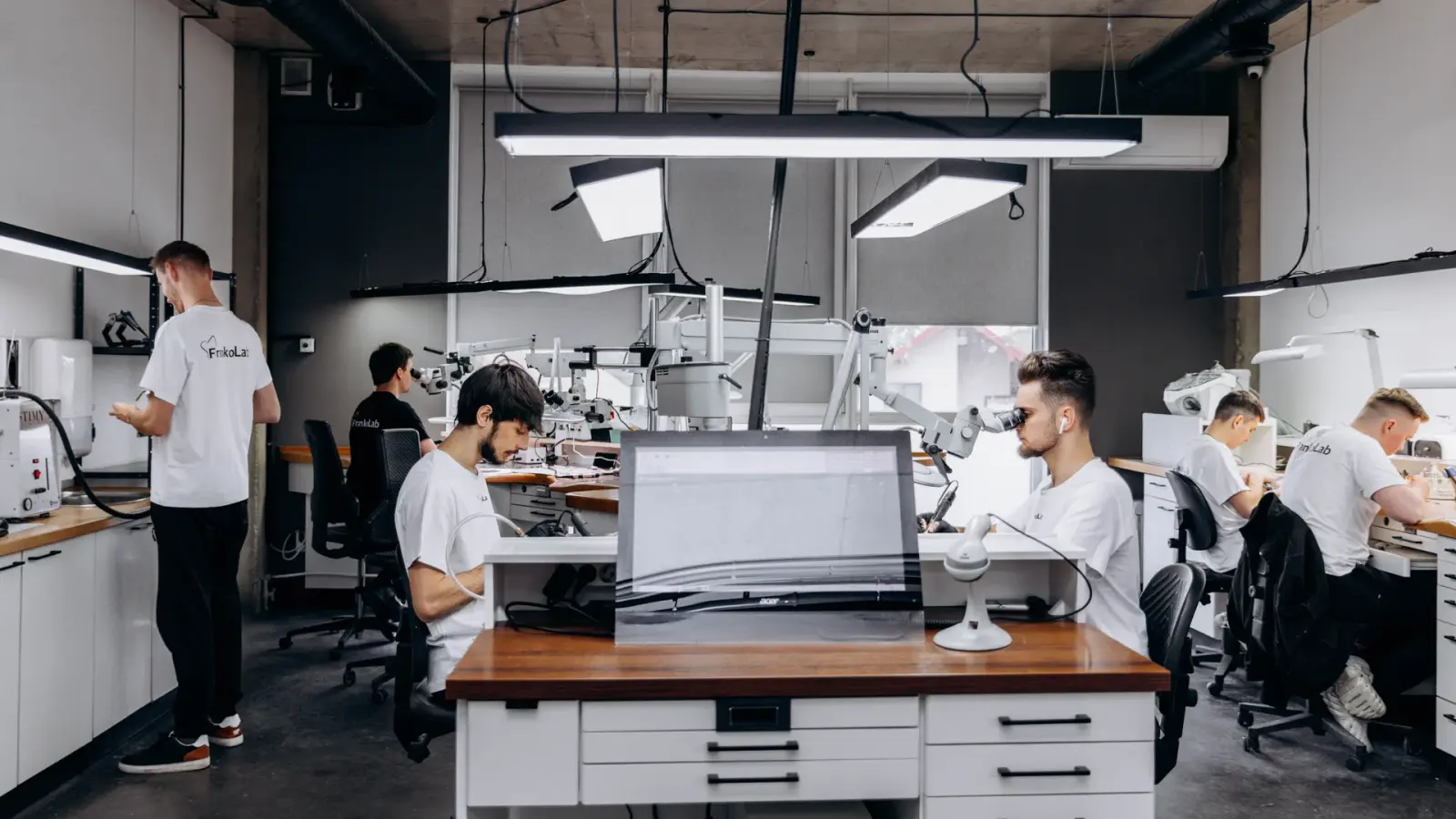
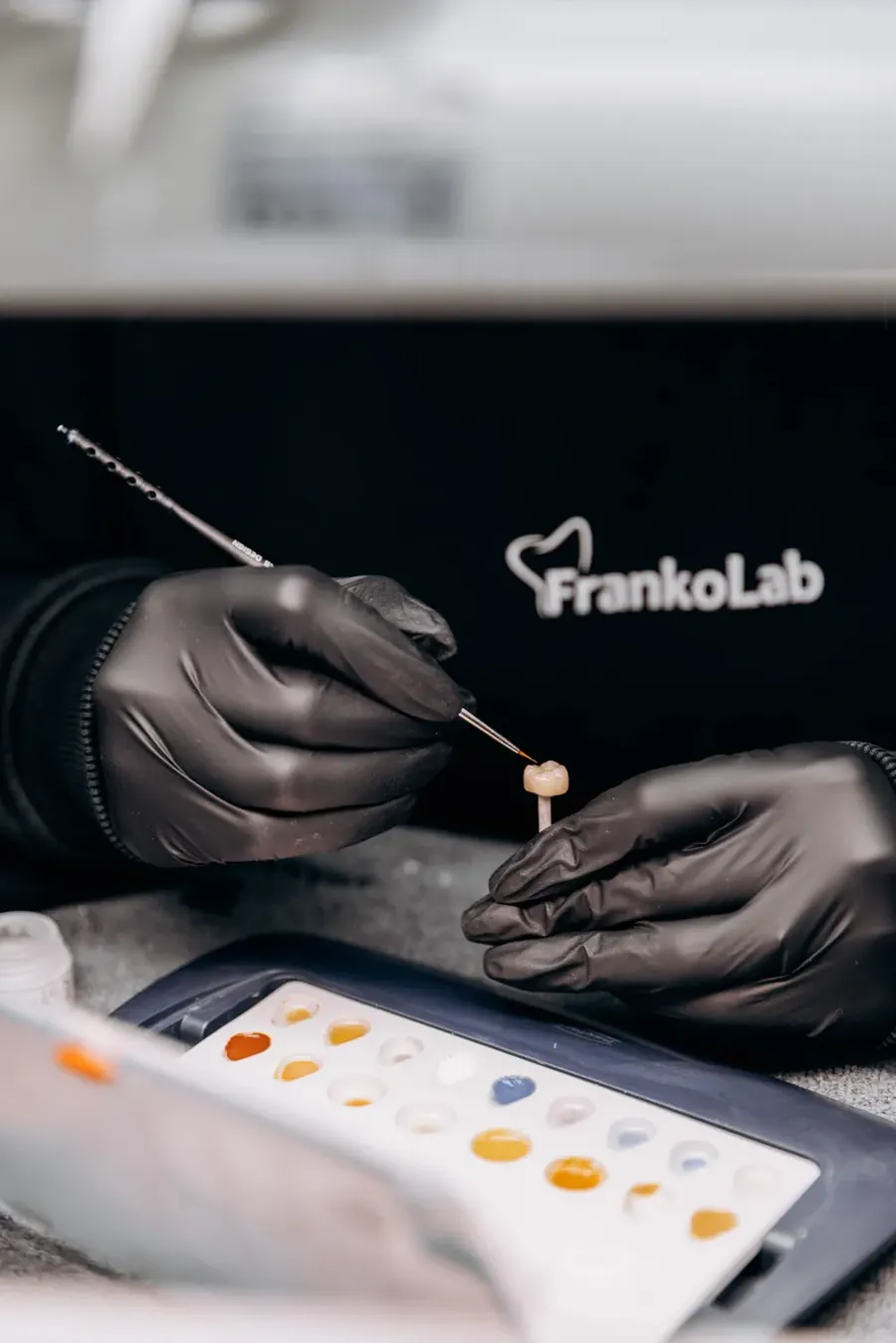
A FrankoLab dental technician works on a crown in the clinic’s in-house laboratory
01

Dental microscope for maximum precision

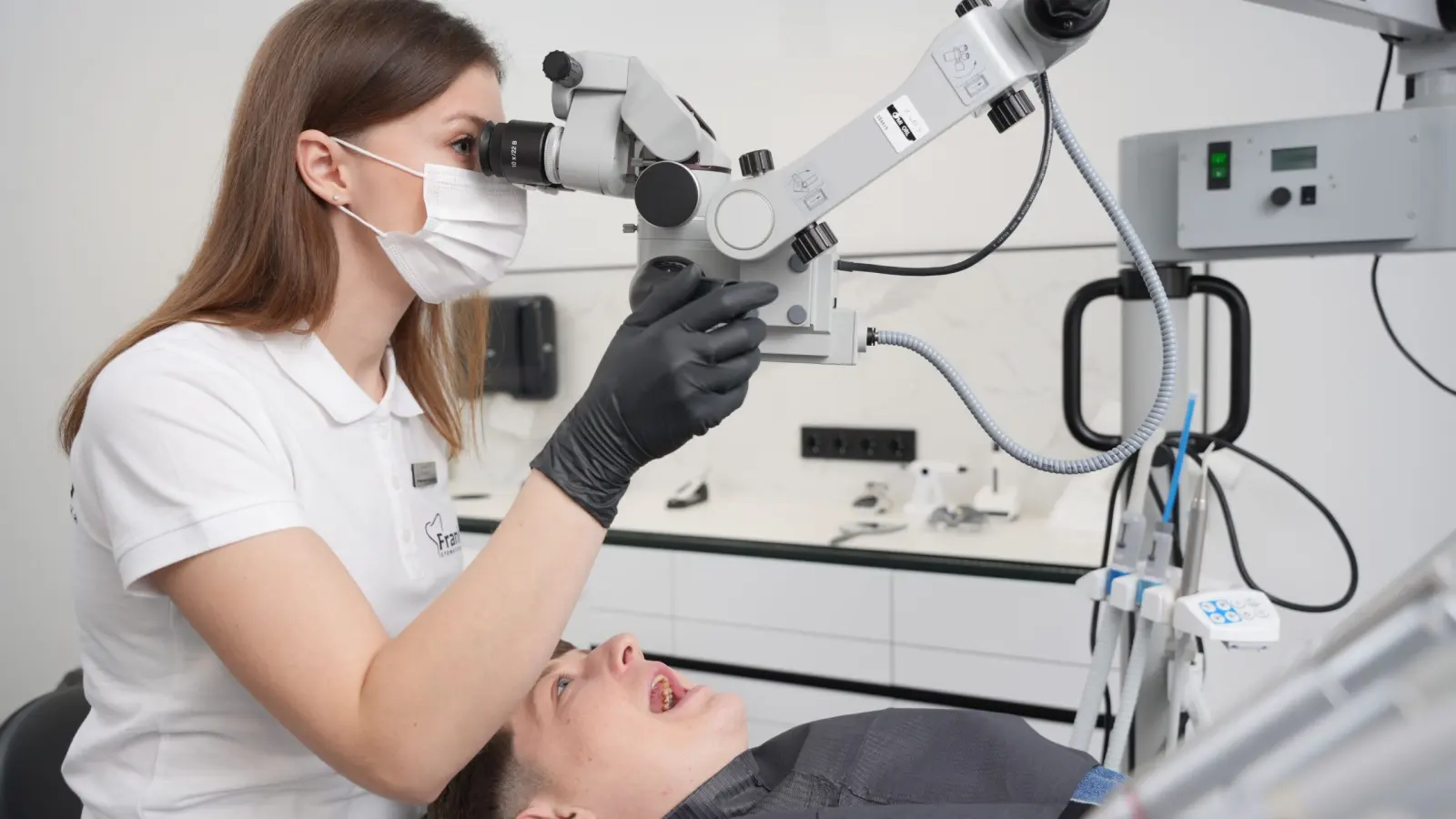
We carry out root canal treatment under a high-powered surgical microscope (Carl Zeiss, Leica or Scanner) with a magnification of up to 20–30 times. This enables us to locate all root canals (even the smallest accessory ones), clean them thoroughly and seal them hermetically, save ‘hopeless’ teeth and retreat old root canals.

02

Experienced endodontists

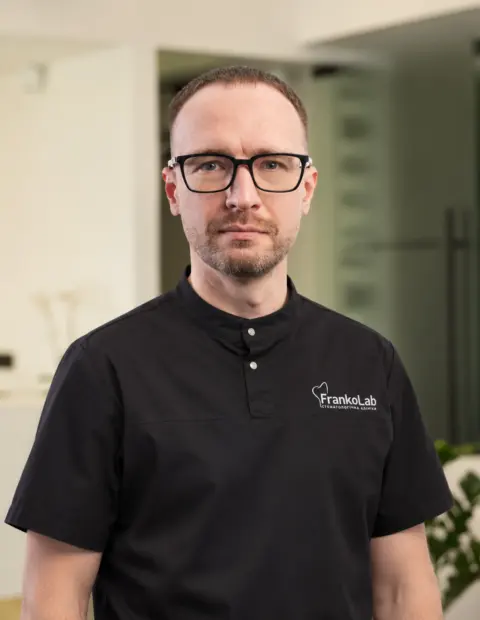
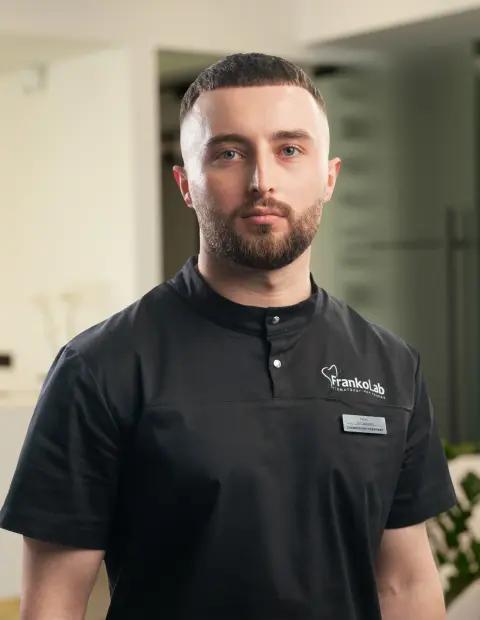
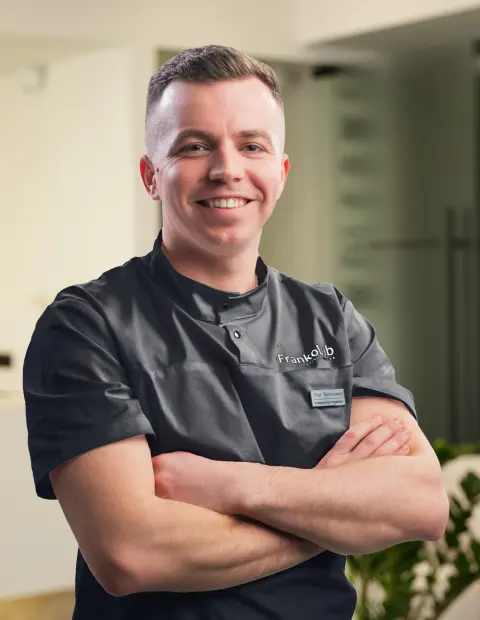
Treatment is carried out by specialists who are constantly improving their qualifications — Oleh Pivtorak (general dentist and endodontist) and Oleksii Shavshyn (endodontist). They specialise specifically in microscopic endodontics and work according to modern protocols.

03

Modern materials and equipment

We offer digital 3D diagnostics right here at our clinic (J. Morita, intraoral scanners) — no need to travel anywhere; treatment is carried out using a dental microscope, apex locators for precise control of root canal length, and biocompatible materials (gutta-percha with sealer).

04

Pain-free treatment

We administer high-quality anaesthetics that completely block sensation in the tooth and surrounding tissues. After administering the anaesthetic, we always check for sensitivity — only then do we begin the procedure. This guarantees complete pain relief throughout the entire treatment (lasting between 60 and 90 minutes). Treatment under sedation is available.

05

In-house dental laboratory

Following root canal treatment, the tooth is immediately restored with a crown, creating a single, sturdy structure that can withstand chewing forces for years to come. The digital dental laboratory is located right within the clinic — it is an integral part of FrankoLab, operating on a closed-loop principle: from digital scan to finished restoration.

06

A personalised approach and guaranteed results

We consider each case individually, taking into account the anatomy of the tooth and the patient’s preferences. And we provide a guarantee on our work, as we are confident that our multi-stage digital monitoring of pulp and root canal treatment ensures predictable long-term success — your tooth will serve you for years to come without any complications.

Frequently asked questions about endodontic treatment

The microscope provides the dentist with 20–30 times magnification. This improves precision and safety.

Key benefits:

Better visibility of the anatomy of the root canals, even those that are very narrow and curved.

It is easier to locate additional root canals, which is very important: overlooking them is a common cause of retreatment.

Monitoring the cleaning and filling process reduces the risk of leaving an infection behind.

It is possible to remove instrument fragments or old material.
There is a lower
risk of perforation — accidental damage to the root wall.

According to experts, the use of a microscope increases the success rate of treatment to 90–95 per cent.
No, in modern dentistry this is a painless procedure. It is very important that local anaesthesia is used when treating the inside of the tooth — it completely blocks any pain. During treatment, you may only feel pressure or vibration, but some discomfort may persist for 1–3 days after the procedure. This is a normal reaction of the tissues. If the pain is severe or lasts longer, you should consult your dentist.
The timeframe depends on the type of filling. In most cases, you can drink water after 30–60 minutes, and eat once the anaesthetic has completely worn off, which usually takes 1.5–3 hours. For the first few days, you should avoid putting pressure on the treated tooth with hard food.
In most cases, treatment proceeds without any problems. However, complications are possible. The most common complications include pain when biting for several days, swelling or inflammation of the tissues around the root, incomplete cleaning of the root canals → persistence of infection, root perforation (rare), instrument fracture within the root canal, and recurrence of a chronic condition. According to statistics, the success rate of endodontic treatment using a dental microscope is 85–95 per cent.
There are almost no absolute contraindications (the most common being severe tooth decay where restoration is no longer possible), but there are situations where treatment is postponed. For example, in cases of acute infectious diseases accompanied by a fever, where the patient’s general condition is poor, in the case of uncontrolled chronic conditions (such as diabetes), or during the first trimester of pregnancy. The decision is made by the dentist following an examination and diagnosis. In complex cases, it is sometimes more appropriate to consider an alternative — tooth extraction followed by prosthetic restoration.

Book a consultation

Book a consultation and one of our managers will contact you shortly

+380 50 011 20 00

FrankoLab Clinic dental surgery

A healthy smile starts with the right decision

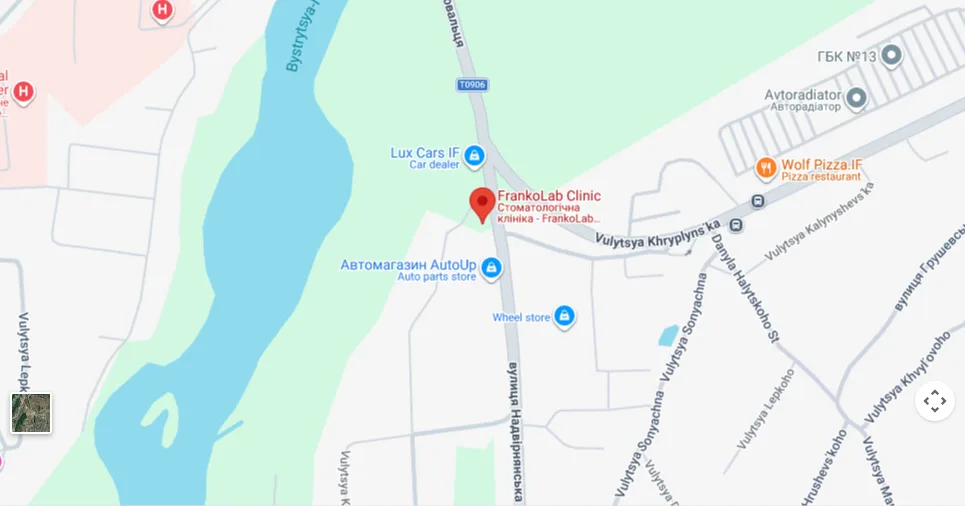
  • 77460, Ivano-Frankivsk, Cherniiv village, 2B Nadvirnianska Street
  • Mon–Sat 9.30 am–7.00 pm, Sun 10.00 am–7.00 pm
  • +380 50 011 20 00
Book a consultation
Map: 77460, Ivano-Frankivsk, village of Cherniiv, 2B Nadvirnianska Street