



EN
Removal of a separated instrument from a root canal

Removal of a separated instrument from a root canal

FrankoLab Clinic will remove the detached instrument.

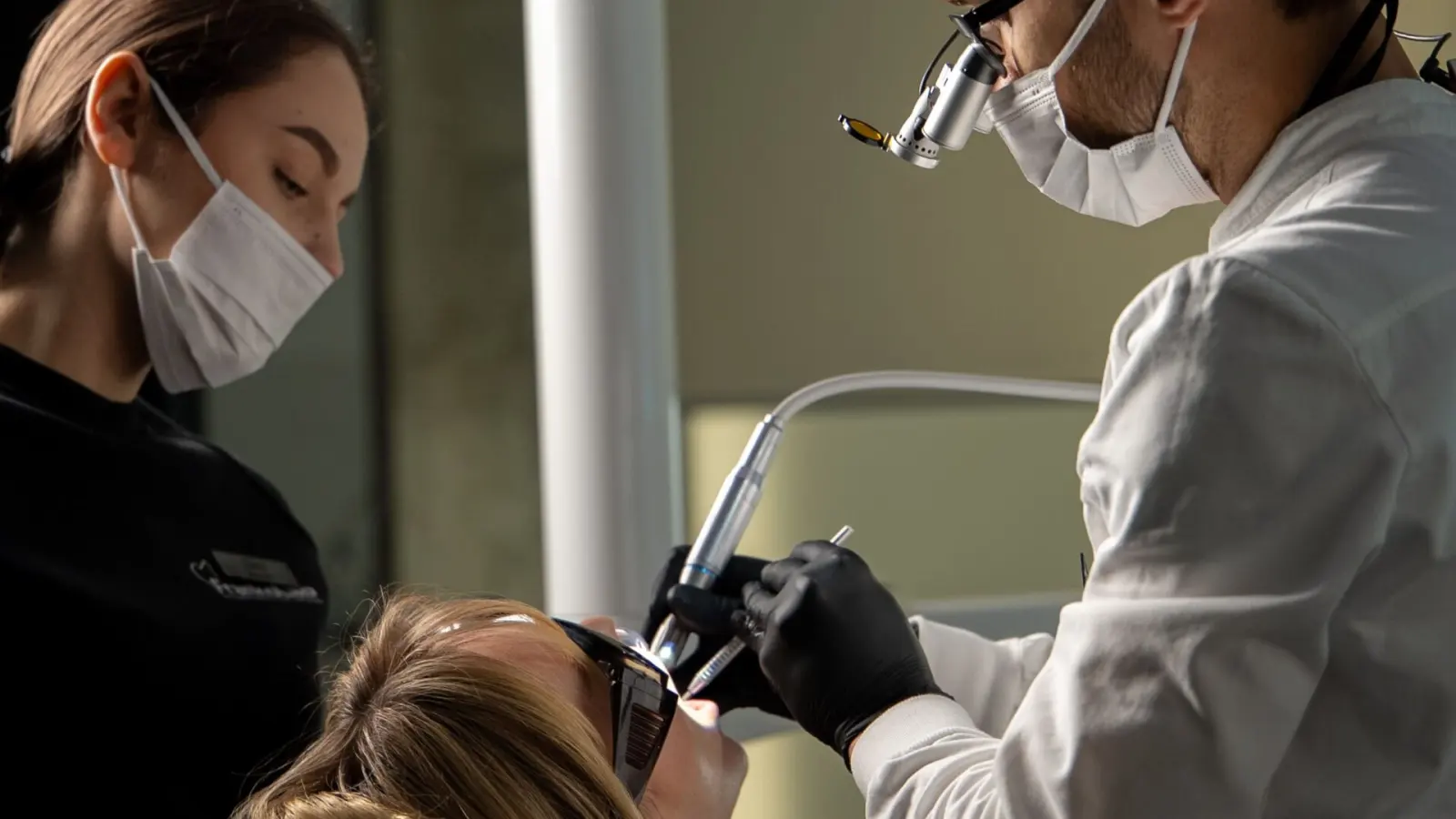
The procedure is carried out under the guidance of a dental microscope using specialised micro-instruments. Our experienced specialist carefully loosens and removes the fragment. Thanks to precise manoeuvres and modern techniques, the structure of the root canal is preserved. After removal, the canal is disinfected and thoroughly filled. The timely removal of the instrument prevents the development of infection, allows endodontic treatment to be completed and preserves the tooth.

Our clinic uses state-of-the-art technology to preserve your teeth.

At FrankoLab Clinic, the removal of a lodged instrument from a root canal is carried out using a state-of-the-art dental microscope and ultrasonic equipment. Our endodontists have many years’ experience and take on the most complex clinical cases. Highly accurate diagnostics, safe techniques and a personalised approach guarantee a successful outcome, comfortable treatment and the preservation of the tooth.

The benefits of removing a lodged instrument from a root canal at our clinic

Safe extraction without damaging the tooth.

The use of a dental microscope for magnification and ultrasonic technology enables the precise removal of a lodged instrument from the root canal, preserving the structure and tissues of the tooth without risk.

High-precision, premium-class equipment.

The procedure is carried out under high-magnification microscopy, ensuring flawless and precise visualisation. Ultrasonic instruments with a range of specialised attachments enable the removal of even microscopic fragments.

Highly experienced endodontists.

Our dentists specialise in complex clinical cases involving endodontic treatment. They regularly undertake further training, which guarantees successful, long-lasting results even in the most challenging situations.

Tooth preservation and root canal treatment.

Professional removal of a lodged instrument fully restores the patency of the root canal along its entire length, allowing for three-dimensional disinfection and hermetic sealing. This completely eliminates the infection and preserves the natural tooth.

A comfortable, pain-free procedure carried out under anaesthesia.

The removal of a lodged instrument is carried out under local anaesthesia using modern anaesthetics. The patient feels no pain or discomfort throughout the entire procedure. Safe sedation is available to ensure complete relaxation.

Prevention of serious dental complications.

The timely and professional removal of a retained instrument prevents chronic inflammation, abscesses, periodontitis and tooth loss. High-quality endodontic treatment eliminates all potential risks to oral health.

Indications for the removal of a lodged instrument from the root canal

Acute or chronic toothache following root canal treatment.

If a tooth continues to ache after a visit to the dentist, this may be caused by a loose instrument that is irritating the tissues and causing inflammation. The instrument must be removed to eliminate the source of the pain.

Inflammation and swelling of the tissues surrounding the tooth root.

A fragment of an instrument left in the root canal can cause infection of the periapical tissues. In this case, the gums become swollen and an abscess forms. Prompt removal prevents the spread of the inflammatory process.

Inability to complete a full root canal treatment.

A lodged instrument blocks access to the apical portion of the root canal, making thorough disinfection and filling impossible. Removing the fragment allows for a full course of endodontic treatment.

High risk of infection and cyst formation.

A fragment of an instrument left in the root canal becomes a focus of bacterial infection and may lead to a chronic infection, the formation of a granuloma or a radicular cyst. Professional removal eliminates this risk for good.

Preparing a tooth for prosthetic restoration or implantation of adjacent teeth.

Before fitting a crown, bridge or implant, it is essential to eliminate all sources of infection. Removing a fractured instrument from the root canal provides the foundation for subsequent prosthetic work.

Price for the removal of a lodged instrument from a root canal

The cost of removing a lodged instrument from a root canal depends on the complexity of the case, the location of the fragment, the condition of the tooth’s root canal and the need for additional procedures. At FrankoLab Clinic, the price includes diagnosis, the services of an experienced endodontist, and the use of a dental microscope and ultrasonic equipment. We ensure transparent treatment costs with no hidden charges.

The dentist will quote the final cost following an examination and diagnosis. Payment in instalments is available. Full price list for the clinic

Removal of a lodged instrument from the root canal – payment plans available

High-quality endodontic treatment is available to everyone at FrankoLab Clinic.

Removing a lodged instrument from a root canal is a complex procedure that requires the use of high-precision equipment, modern technology and the expertise of an experienced endodontist. Our clinic offers payment plans to make professional treatment accessible to every patient. You can split the cost of your dental treatment into convenient monthly instalments with no surcharges or additional interest. This means you can act promptly and save your tooth.

Have a root canal treatment with the option of convenient payment in instalments. Contact us for affordable dental treatment.

The process of removing a lodged instrument from a root canal

Removing a lodged instrument from a root canal is a complex procedure that requires a highly qualified dentist and state-of-the-art equipment. At FrankoLab Clinic, we use surgical microscopes, ultrasonic systems and specialised instruments to safely remove fragments. This allows us to preserve the tooth and prevent complications.

01

Comprehensive diagnosis and treatment planning.

The dentist carries out an X-ray examination to determine the location, size and depth of the impacted tooth. The condition of the root canal and periapical tissues is assessed. Based on the diagnosis, the optimal removal technique is selected and a sequence of actions is planned.

02

High-quality anaesthesia and professional tooth isolation.

The procedure is carried out under high-quality local anaesthesia using modern anaesthetics to ensure the patient’s complete comfort. The tooth is isolated using a rubber dam. This is a latex barrier that creates a sterile working area, prevents saliva from entering and ensures safety during root canal treatment.

03

Creating access to the tool in the channel.

The dentist creates access to the root canal. If necessary, the upper part of the canal is enlarged. The procedure for removing a lodged instrument from the root canal is carried out under the guidance of a dental microscope, which allows the dentist to work with high precision and ensures the patient’s safety.

04

Careful removal of a dislodged instrument.

In endodontics at our clinic, we use an ultrasonic instrument to loosen the fragment within the root canal. It is then carefully extracted using micro-instruments, whilst protecting the canal walls from damage. The dental procedure is carried out under high magnification.

05

Thorough disinfection and airtight fillings.

After the instrument has been removed, the root canal is thoroughly rinsed with antiseptic solutions to remove bacteria and debris. Instrumental treatment is carried out, involving mechanical cleaning of the canal walls. It is hermetically sealed with a biocompatible material, with the procedure monitored by an X-ray.

06

Tooth restoration and detailed recommendations.

A temporary or permanent filling is placed on the tooth. Our dentist provides detailed, personalised advice on care, diet and medication in the first few days following the procedure. A follow-up appointment is scheduled in 1–2 weeks to assess the condition of the tooth and the healing of the tissues.

Our patients’ results

Case Study 3: Composite Restorations

Diagnosis:

The patient presented with complaints of discolouration of her front teeth, numerous old composite restorations and an unsatisfactory smile. During the clinical examination, discolouration of the teeth was identified, along with restorations that had lost their functionality and aesthetic appearance.

Treatments:

Following digital planning, a decision was made to carry out aesthetic restoration of the upper incisors using refractive veneers.
The restorations
are made entirely from ceramic materials, without any metal framework, which is one of the most aesthetically pleasing techniques in modern dentistry. This method allows for the most accurate reproduction of the natural translucency, colour depth and optical properties of natural enamel, ensuring a flawless result.

Result:

Discolouration has been removed and old, unaesthetic restorations have been replaced. The natural shape, proportions and harmony of the front teeth have been restored. Thanks to refractive veneers, the patient achieved a natural, bright and aesthetically pleasing smile that closely mimics natural teeth, combining durability, functionality and premium aesthetics.

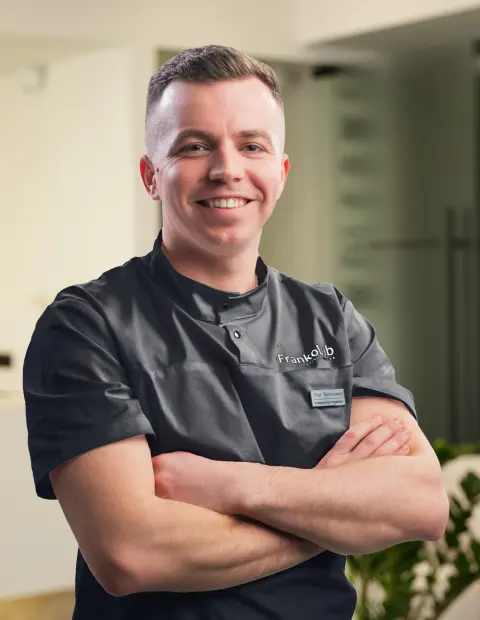
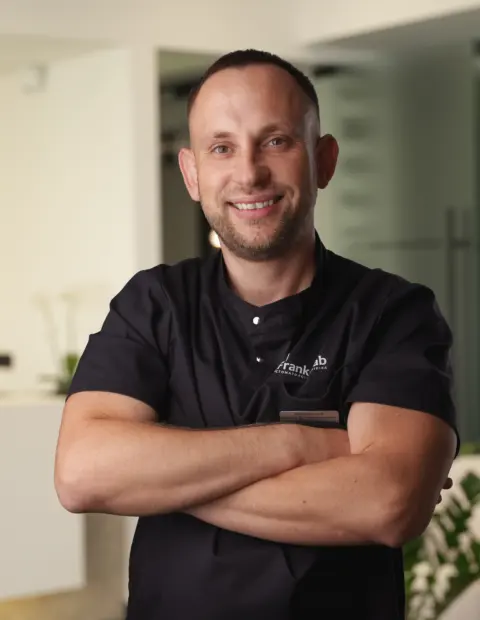
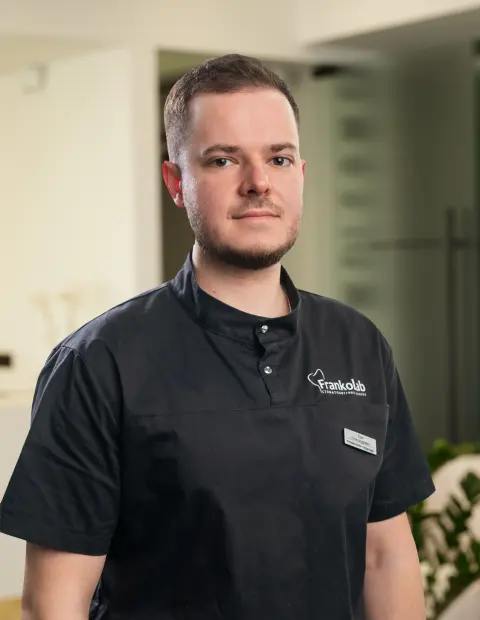
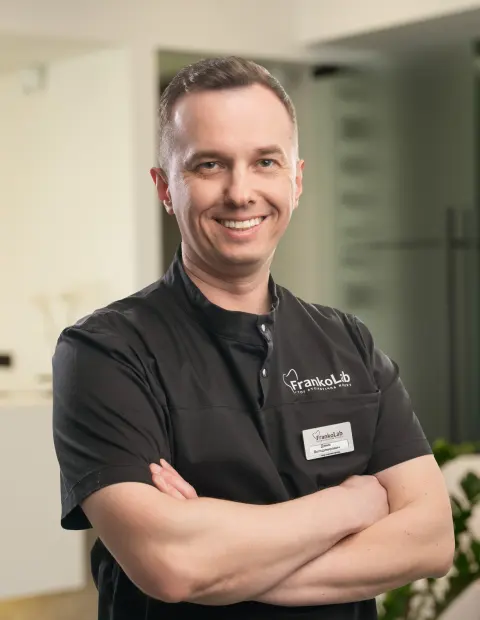
Doctors providing treatment

Patient reviews

4,9 Google rating All reviews on Google

Diana Kruk

08.07.2026

The clinic and service are of the highest standard – keep up the good work!

Ksenia Savenko

23.06.2026

I am very grateful to the whole FrankoLab team for the experience I’ve had with you. You are incredible! I wish you continued growth and prosperity, because the smiles you create are not only beautiful but also genuine, as seen on the faces of your grateful clients.

FrankoLab Dental Laboratory

Save your tooth – book an appointment at our clinic now to have the instrument removed from the root canal.

In-house laboratory

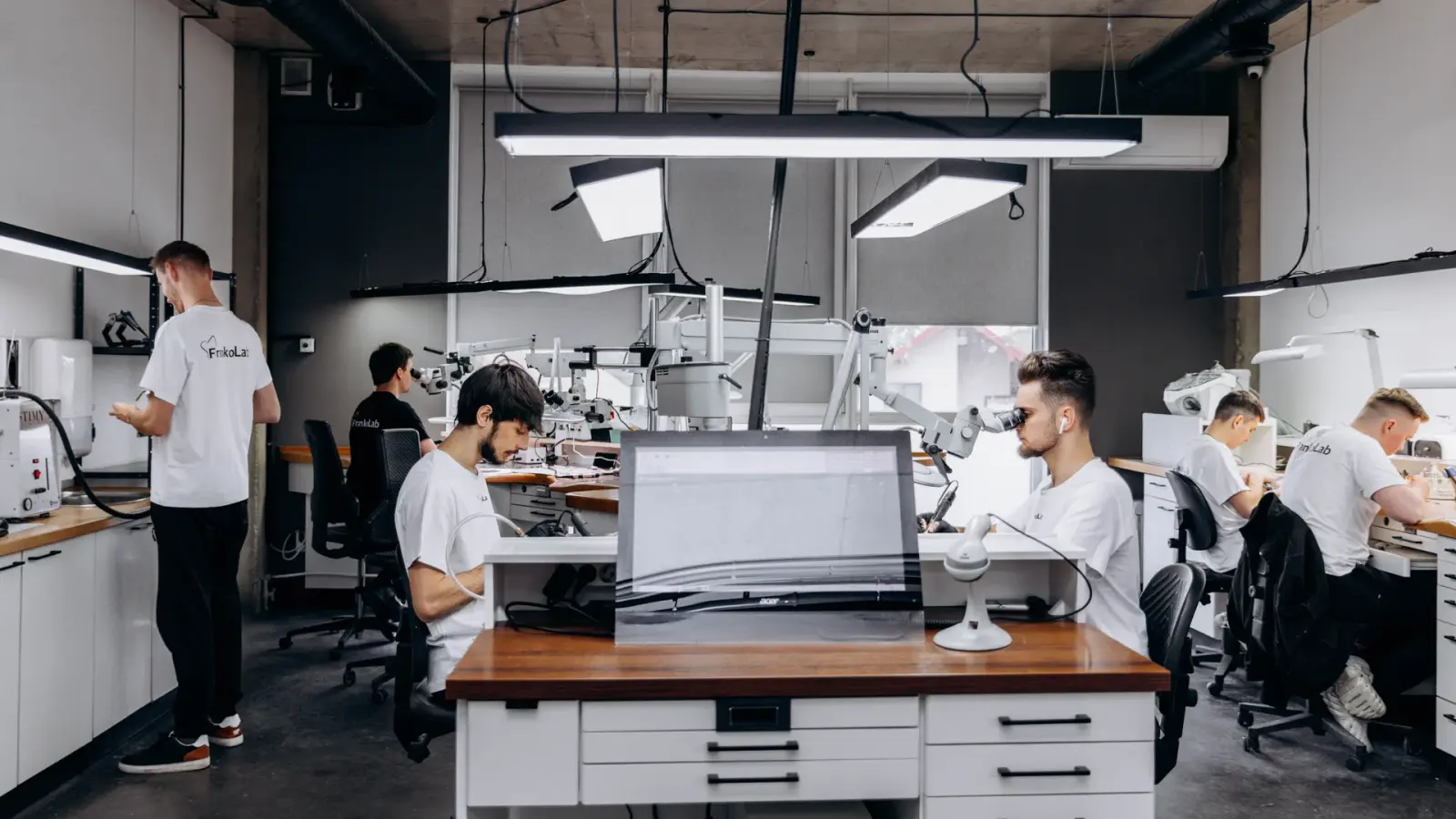
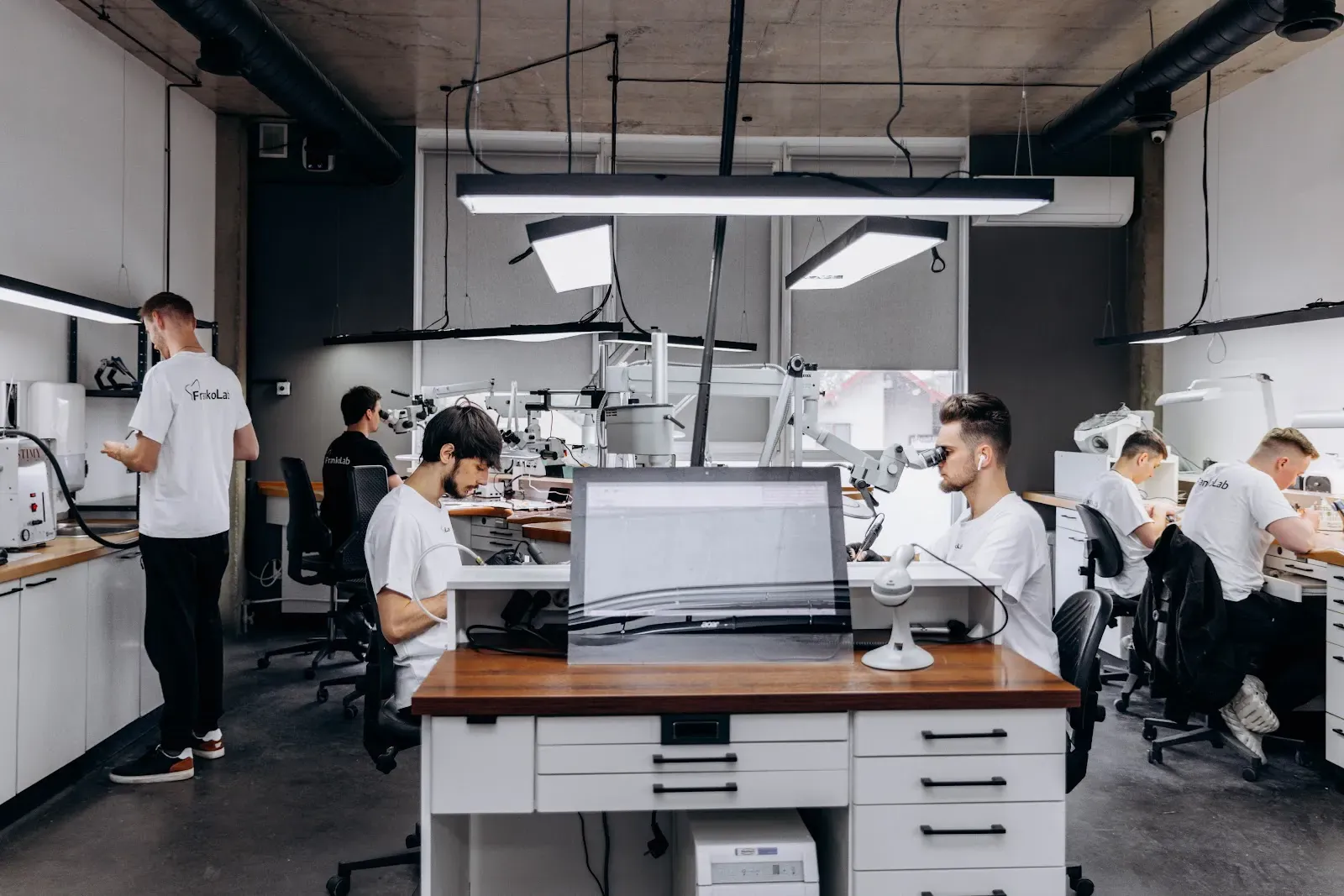
FrankoLab’s main advantage is its own in-house dental laboratory.

As all our production facilities are located on-site, we can fully control the manufacturing process for restorations of any complexity, develop solutions quickly and guarantee long-term results.

In our digital dental laboratory, metal-free prosthetic restorations are manufactured using leading CAD/CAM technologies and the highest-quality European materials.

FrankoLab Dental Laboratory

Why do patients choose FrankoLab for the removal of a lodged instrument from a root canal?

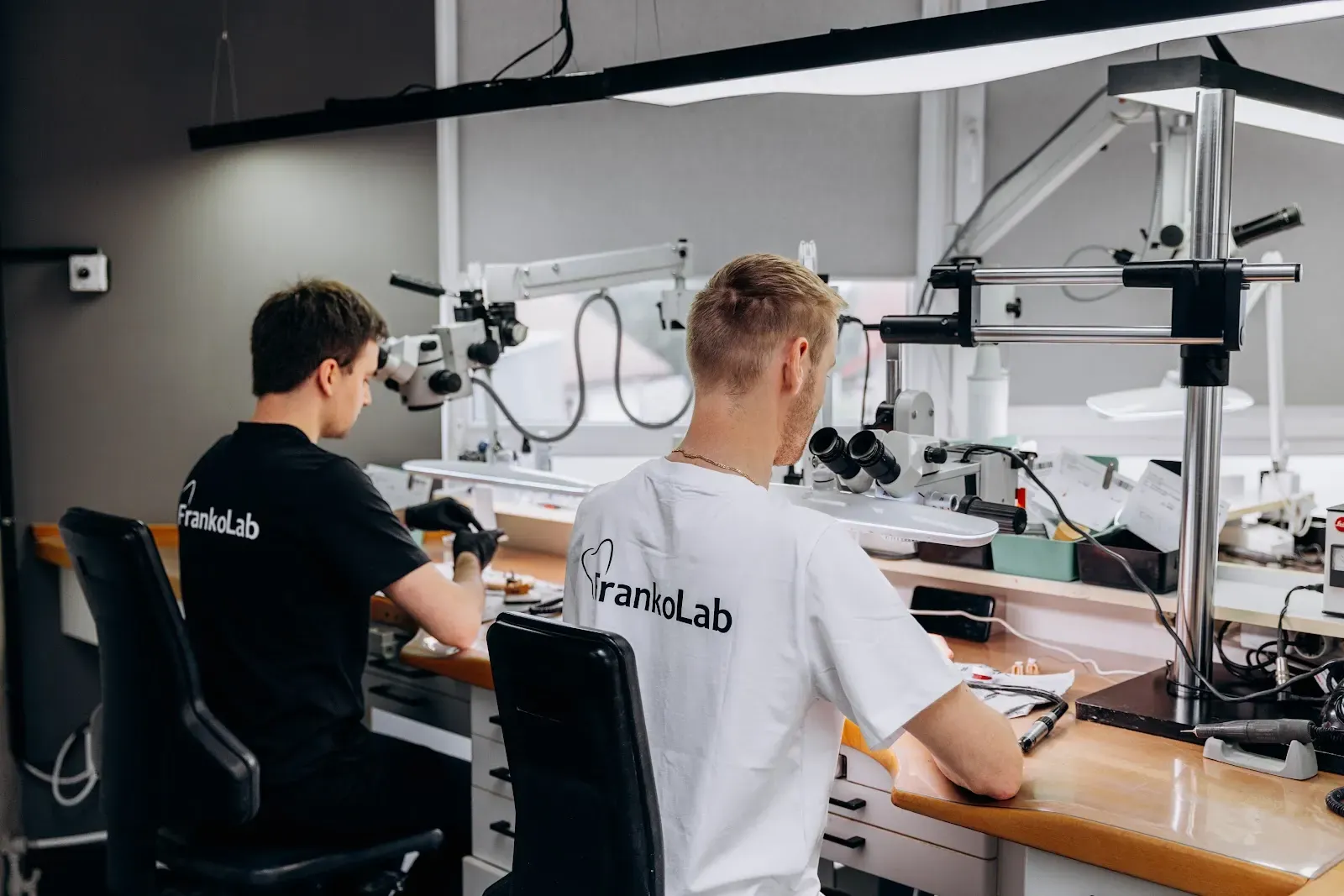
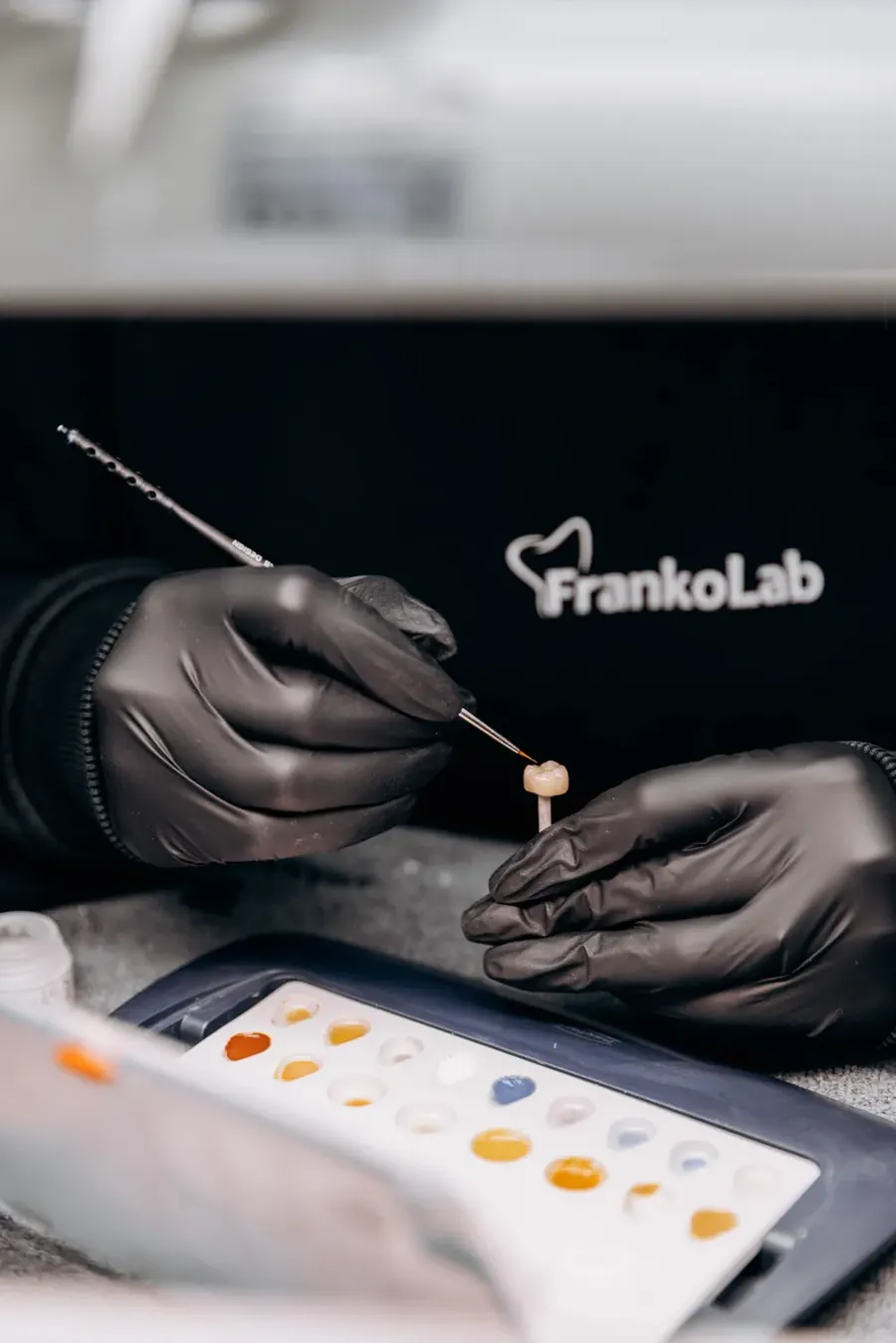
A FrankoLab dental technician works on a crown in the clinic’s in-house laboratory
01

Use of state-of-the-art, premium-class dental microscopes.

The procedure is carried out under high optical magnification, allowing even the finest details of the root canal to be seen. The microscope ensures precise instrument removal, preserves healthy tissue and guarantees a successful outcome.

02

Dentists specialising in complex endodontics.

Our specialists have many years’ experience in dealing with complex endodontic cases. They undertake further training and are proficient in modern techniques for removing lodged instruments from root canals.

03

Completely pain-free treatment with patient comfort in mind.

At FrankoLab Dental Clinic, we use state-of-the-art, latest-generation anaesthetics, which guarantee a completely pain-free procedure. Sedation is available on request to help you relax. We create an atmosphere of calm and care.

04

International safety protocols and a guarantee of tooth preservation.

International-standard sterilisation protocols are followed. Our professional dental practice uses disposable instruments and rubber dams for isolation. Careful removal of the instrument from the root canal helps to preserve the tooth’s structure.

Frequently asked questions about removing a lodged instrument from a root canal

A fractured instrument is a fragment of a dental file or reamer that has broken off during root canal treatment and remains inside the tooth. This can occur due to the complex anatomy of the canal or excessive force. Although modern instruments are made from high-strength alloys, there is a risk of breakage when working with narrow and tortuous canals.
A retained fragment blocks access to the lower part of the root canal, preventing proper disinfection and filling. This creates a risk of infection, inflammation of the periapical tissues, and the formation of a cyst or abscess. In some cases, the body may encapsulate the fragment without any symptoms, but it often causes chronic pain and complications.
The procedure is carried out under a dental microscope following a thorough diagnosis. The dentist creates access to the fragment, uses ultrasonic instruments to loosen the separated fragment, and then carefully extracts it using specialised micro-instruments. After removal, the root canal is disinfected, cleaned and sealed.
No, the procedure is carried out under modern local anaesthesia using safe anaesthetics, so the patient feels no pain during treatment. There may be slight discomfort once the anaesthetic has worn off, which can be easily managed with standard painkillers. If desired, sedation is available at our clinic to ensure a stress-free experience during the procedure.
The recovery period is usually 3–7 days. For the first 1–2 days, you may experience slight tooth sensitivity when biting down, which will gradually subside. It is recommended to avoid hard foods, maintain good oral hygiene and take any prescribed medication. Complete healing of the periapical tissues takes place within 2–4 weeks. A follow-up appointment may be scheduled.

Further details: removal of a dislodged instrument from a root canal

FrankoLab Clinic has specialist paediatric dentists who carry out endodontic treatment on children of all ages. This involves root canal treatment, as milk teeth also have nerve endings (dental pulp).

There are several indications for root canal treatment in children, such as inflammation of the inner tooth tissue (pulpitis) or inflammation of the connective tissue between the tooth root and the alveolar socket (periodontitis). In the past, tooth extraction was a common choice in such situations, but extraction can have a negative impact on the development of a correct bite, as the permanent tooth may erupt incorrectly after the milk tooth has fallen out. Therefore, preserving the milk tooth is important for a healthy bite in the future.

Root canal treatment for children is carried out on a case-by-case basis, taking into account the extent of the damage and the child’s age. Depending on the situation, the nerve may be partially removed (amputation) or completely removed (extirpation), after which the root canals are treated and filled with a filling. Treatment may be carried out under local anaesthesia or with the use of sedation, particularly in cases where the child is very young, the treatment is lengthy, or there are physical or psychological considerations.

Prices for paediatric endodontic treatment are presented as packages, which take into account the type and complexity of the treatment. By booking a free consultation at FrankoLab Clinic, you can obtain detailed information about root canal treatment for your child, as well as receive a personalised treatment plan.
Book a consultation

Book a consultation and one of our managers will contact you shortly

+380 50 011 20 00

FrankoLab Clinic dental surgery

A healthy smile starts with the right decision

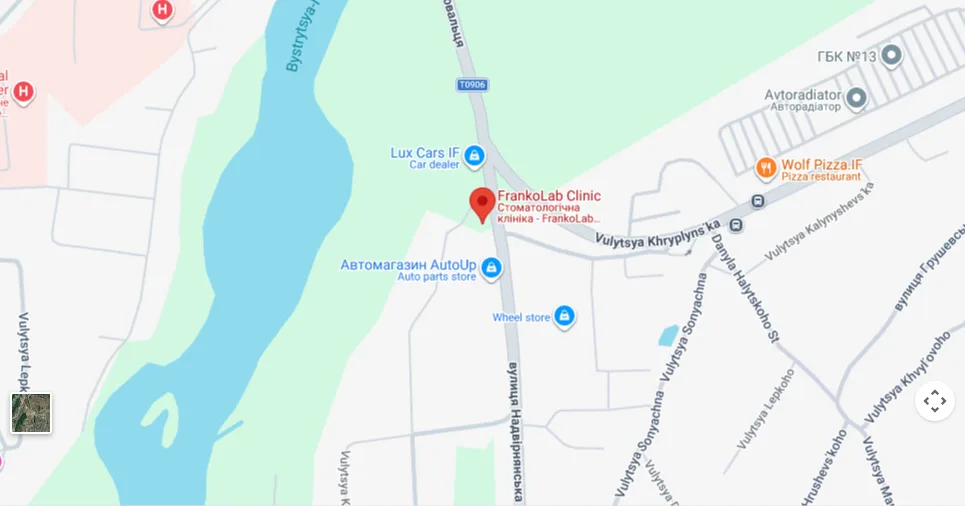
  • 77460, Ivano-Frankivsk, Cherniiv village, 2B Nadvirnianska Street
  • Mon–Sat 9.30 am–7.00 pm, Sun 10.00 am–7.00 pm
  • +380 50 011 20 00
Book a consultation
Map: 77460, Ivano-Frankivsk, village of Cherniiv, 2B Nadvirnianska Street