
EN
Veneers

Why choose FrankoLab:

  1. 01 Digital treatment planning
  2. 02 In-house production of veneers
  3. 03 Minimal interference with the tooth’s structure

Veneers in Ivano-Frankivsk

What are dental veneers?

Dental veneers are thin shells placed on the front surface of the teeth that completely restore their appearance. First and foremost, they are an aesthetic and protective solution, rather than a full-fledged orthodontic or masticatory restoration. They work best when the teeth are healthy on the inside and the problem is mainly external. The thickness of a veneer usually does not exceed 0.2–0.7 mm: it fits snugly against the enamel and is virtually invisible.

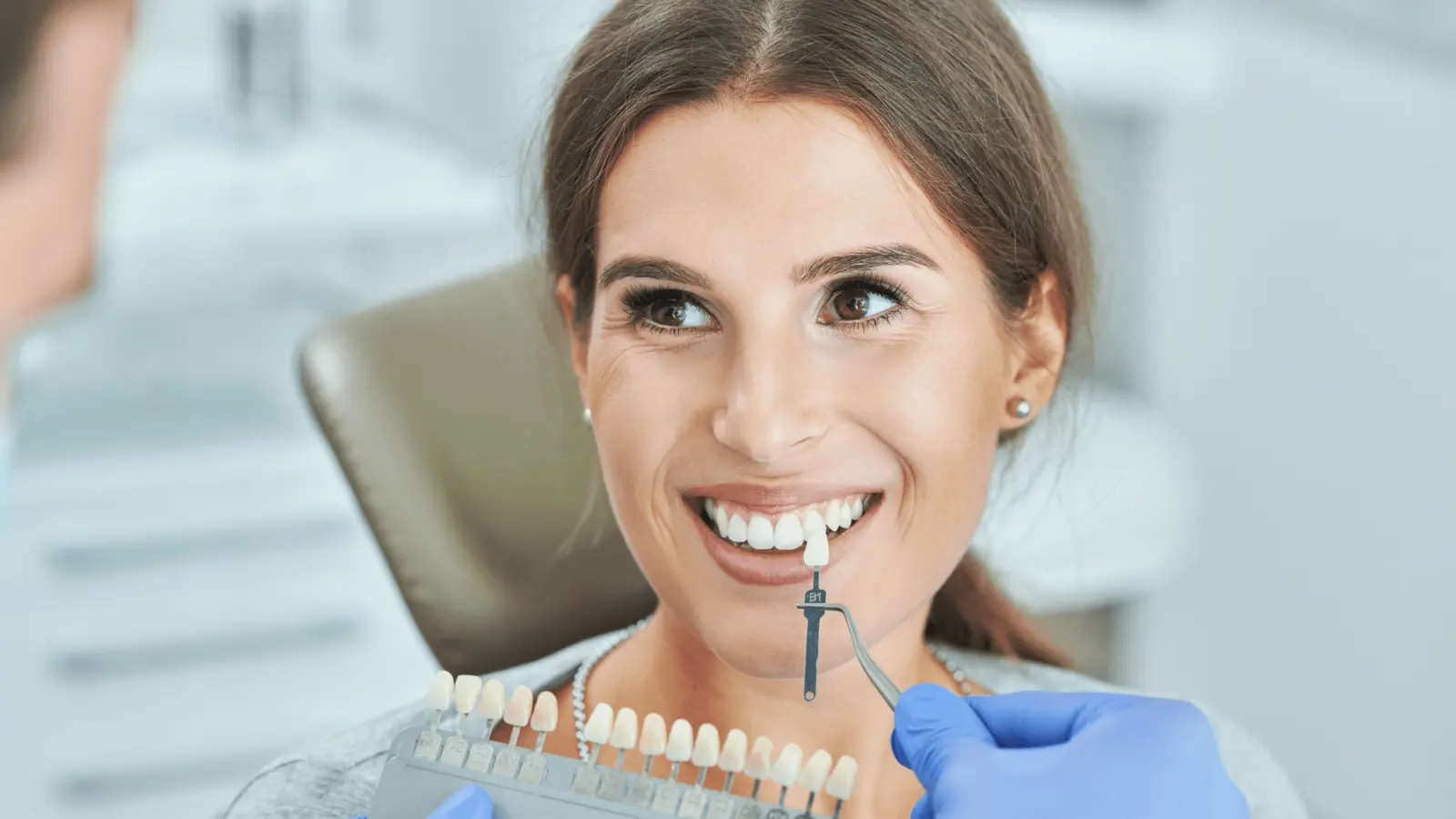
Veneers address aesthetic issues that cannot be resolved by whitening or fillings: they correct discolouration, unevenness, chips, gaps between teeth and minor irregularities in shape. The result looks natural, as the dentist selects the shade and shape of the veneer individually — in accordance with the patient’s skin tone, facial shape and preferences. At FrankoLab Clinic, we manufacture veneers in our own dental laboratory — this allows us to monitor quality and ensure accuracy at every stage, thereby achieving the desired result.

Key functions of dental veneers

Cosmetic improvements to the appearance of teeth

Veneers make it possible to correct colour (if this cannot be achieved with standard whitening), shape, size, minor misalignments, gaps (diastemas) and irregularities. The result is a Hollywood smile with perfect proportions.

Protecting tooth enamel

Dental veneers create an additional protective layer for the front surface of the teeth. This is useful in cases of enamel wear, small cracks, erosion or following minor damage. They reduce tooth sensitivity and protect against further damage to the surface tissues.

Functional correction (in mild cases)

Dental veneers can partially correct the bite, the position of the teeth and the distribution of chewing pressure, but only in cases of minor irregularities. They restore the correct anatomy of the tooth, which improves chewing and speech.

Long-lasting smile restoration with minimal tooth preparation

Modern ceramic and composite veneers last for 10–20+ years (with proper care). They enable significant improvements to be achieved whilst preserving most of the natural tooth structure, compared to crowns.

Psychological and social impact

Veneers effectively eliminate self-consciousness caused by uneven, discoloured or ‘imperfect’ teeth, which has a positive impact on self-confidence, career and personal life.

Indications for the fitting of dental veneers

Permanent discolouration of teeth

Veneers are the ideal solution for yellow, grey, tetracycline-stained or discoloured teeth (fluorosis, enamel erosion, etc.), when standard whitening does not produce the desired result or has no effect whatsoever on the colour of the teeth.

Chips, cracks and wear on the cutting edge

Dental veneers effectively restore the shape, length and integrity of teeth in cases of minor chips, cracks in the enamel or excessive wear of the edges, whilst protecting the tooth from further damage.

Gaps between teeth (diastemas and tremas)

Dental veneers make it possible to visually close or reduce gaps between teeth, creating a straight, aesthetically pleasing smile line without the need for orthodontic treatment.

Uneven shape or variation in tooth size

Thanks to veneers, it is possible to correct irregular tooth anatomy, contours and proportions, making them symmetrical and harmonious.

Comprehensive smile makeovers without lengthy orthodontic treatment

Dental veneers provide quick results for minor misalignments, rotations or slight crowding, when a patient does not wish to wear braces or aligners for years on end.

Restoration of a group of adjacent teeth in a consistent style

When several teeth in the smile zone need to be brought into alignment in terms of colour, shape and aesthetics, veneers allow you to create a harmonious, natural-looking smile across the entire dental arch.

Prices for dental veneers

The cost of veneers in Ivano-Frankivsk depends on the number of teeth, the material used and the complexity of the clinical situation. Indicative prices for the service are given in the price list below. The price includes all stages: consultation, diagnosis, fabrication of veneers in our own laboratory and fitting. Following an examination, the dentist will provide an accurate quote — with no hidden extra charges as we help bring your dream of a beautiful smile to life.

The dentist will quote the final cost following an examination and diagnosis. Payment in instalments is available. Full price list for the clinic

Payment in instalments

FrankoLab Clinic offers convenient payment terms, including the option to pay in instalments. The application process takes just 30 minutes, with no deposit required and the option of a minimal initial payment — you pay only the actual price, with no hidden charges. Please check with the receptionist for further details when booking your appointment.

Stages of fitting dental veneers

01

Consultation and diagnosis

The dentist examines the teeth, assesses the condition of the enamel and bite, and rules out any contraindications (in particular, we carry out CT scans using the J. Morita 3D Accuitomo 170). At this stage, we discuss with the patient their preferences regarding the shape and colour of their future veneers.

02

Digital planning

Using digital technologies (including, amongst other things, the Dentsply Sirona Primescan intraoral scanner), we simulate the future result — the patient can see what their smile will look like after the veneers have been fitted, even before treatment begins.

03

Tooth preparation

Depending on the material and the clinical situation, we carry out minimal tooth preparation (grinding); in some cases, it is not required at all. We take digital ‘impressions’ — this is convenient for you and provides a highly accurate result for the dental technician.

04

Fitting of temporary crowns

Whilst your permanent dental veneers are being made, you will be fitted with temporary veneers — these protect the prepared teeth and allow you to get used to the new shape.

05

Manufacture of dental veneers in the laboratory

We manufacture permanent veneers in our own FrankoLab laboratory — without outsourcing the work to external technicians, which guarantees precision and quality control.

06

Fitting, adjustment and cementation

We try on the finished veneers without cementing them in place, assessing the colour, shape and bite. If necessary, adjustments are made. We then cement them in place using special dental cement. After curing, the dentist checks the bite and polishes the edges.

What types of veneers are available and what does FrankoLab Clinic specialise in?

All dental veneers are divided into two main groups: ceramic and composite.

Ceramic veneers

These are permanent veneers made from various types of ceramic:

  • Glass-ceramic (IPS e.max and similar) — combine exceptional translucency and strength, and closely mimic natural enamel. The most popular material in modern cosmetic dentistry.
  • Made from feldspar-based ceramic — they look very natural, but are slightly more brittle. Suitable for patients without parafunctional habits.
  • Made from zirconium dioxide — these are the strongest and are often recommended in cases of severe wear or in complex clinical situations.

At FrankoLab Clinic, we most often use glass-ceramic for permanent veneers. This material combines optimal strength, durability and the highest aesthetic quality: the light transmission of a glass-ceramic veneer is as close as possible to that of natural enamel, so the result looks natural, rather than like ‘plastic’ or ‘false teeth’.
Composite (temporary) crowns

During the preparation stage for permanent veneers, or where clinically indicated, we fit temporary veneers made from dental composite. These serve a protective function and allow the patient to assess the expected result before the permanent restorations are fitted.

Temporary veneers and temporary crowns are a separate service with their own indications. You can read more about this on the relevant page of our dental clinic’s website.

Our patients’ results

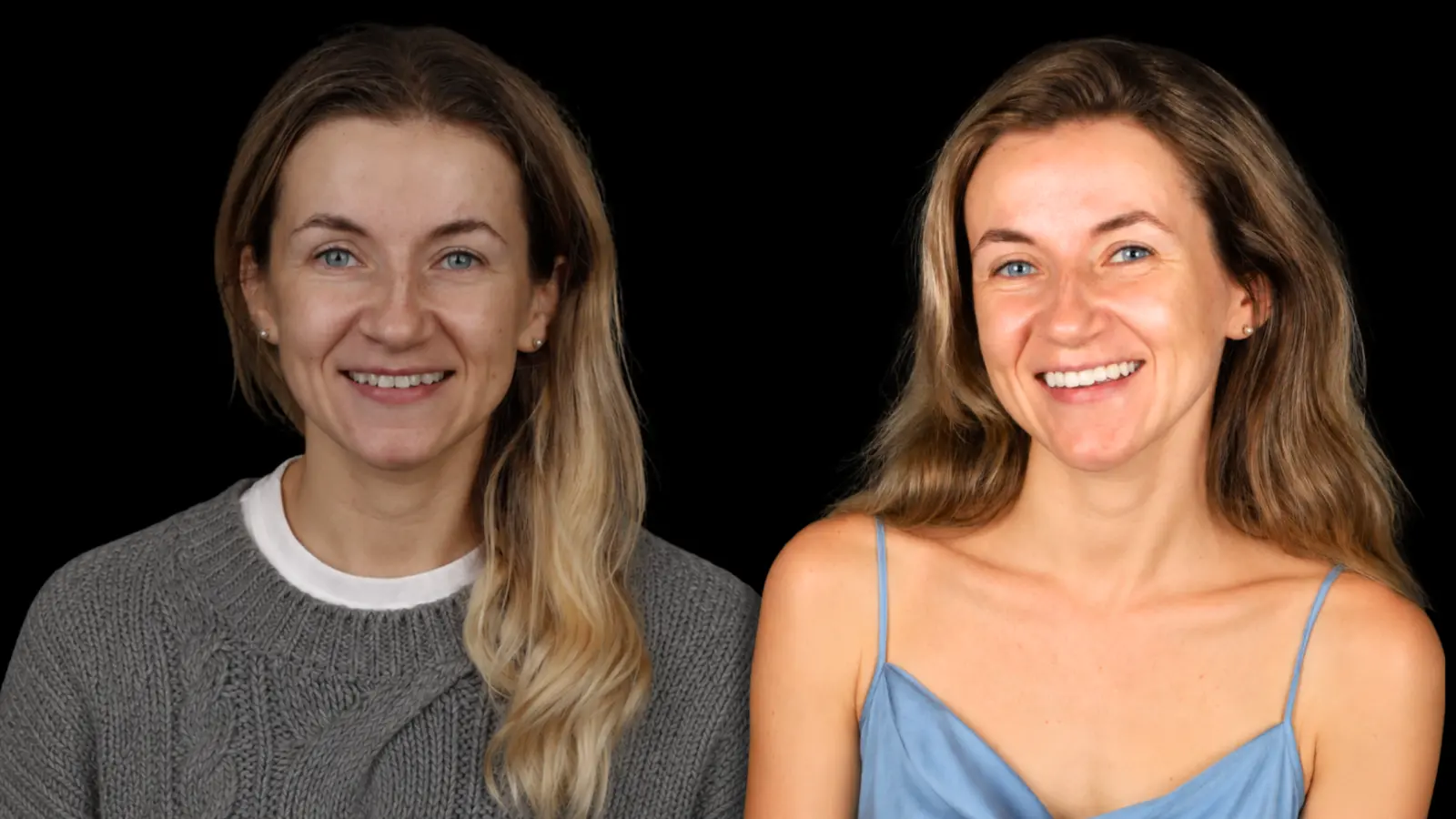
Case Study 3: Composite Restorations

Diagnosis:

The patient presented with complaints of discolouration of her front teeth, numerous old composite restorations and an unsatisfactory smile. During the clinical examination, discolouration of the teeth was identified, along with restorations that had lost their functionality and aesthetic appearance.

Treatments:

Following digital planning, a decision was made to carry out aesthetic restoration of the upper incisors using refractive veneers.
The restorations
are made entirely from ceramic materials, without any metal framework, which is one of the most aesthetically pleasing techniques in modern dentistry. This method allows for the most accurate reproduction of the natural translucency, colour depth and optical properties of natural enamel, ensuring a flawless result.

Result:

Discolouration has been removed and old, unaesthetic restorations have been replaced. The natural shape, proportions and harmony of the front teeth have been restored. Thanks to refractive veneers, the patient achieved a natural, bright and aesthetically pleasing smile that closely mimics natural teeth, combining durability, functionality and premium aesthetics.

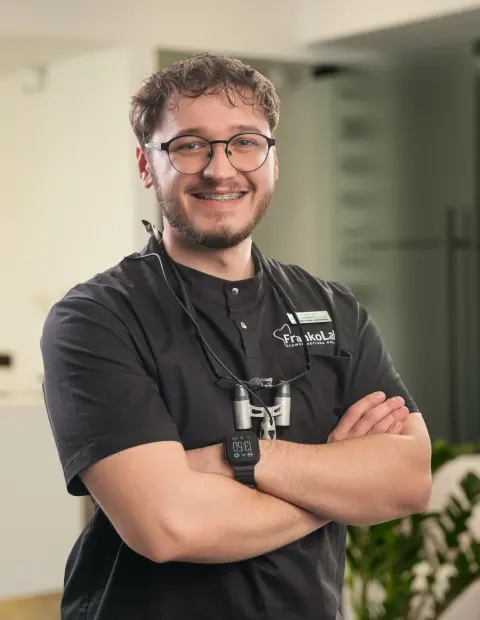
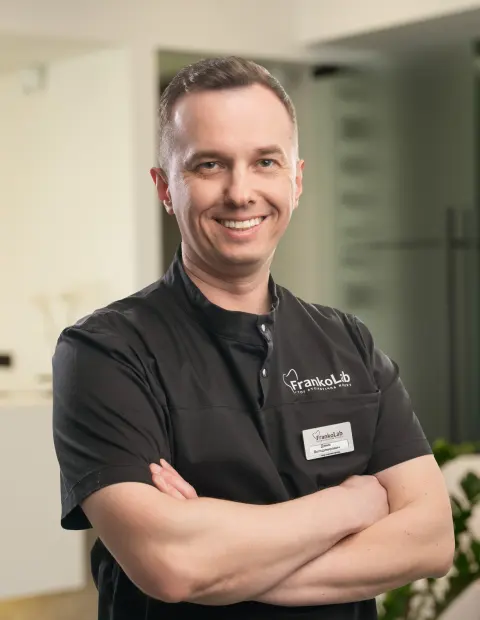
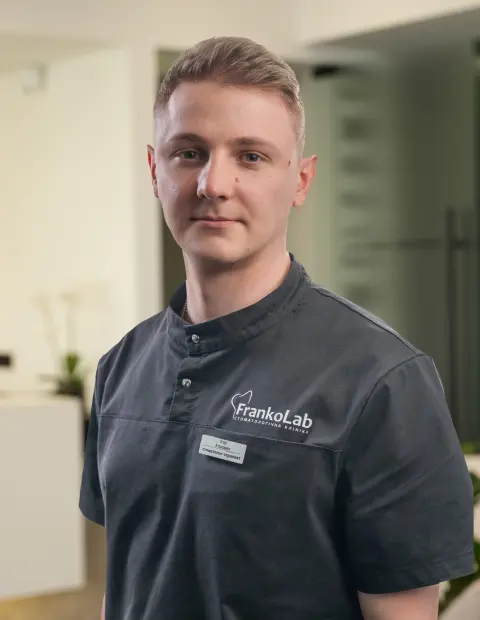
Doctors providing treatment

Patient reviews

4,9 Google rating All reviews on Google

Diana Kruk

08.07.2026

The clinic and service are of the highest standard – keep up the good work!

Ksenia Savenko

23.06.2026

I am very grateful to the whole FrankoLab team for the experience I’ve had with you. You are incredible! I wish you continued growth and prosperity, because the smiles you create are not only beautiful but also genuine, as seen on the faces of your grateful clients.

FrankoLab Dental Laboratory

Do you dream of a beautiful smile? Find out if veneers are right for you. Book a consultation — the dentist will assess the condition of your teeth and explain the potential results.

Why people choose FrankoLab Clinic for dental veneers

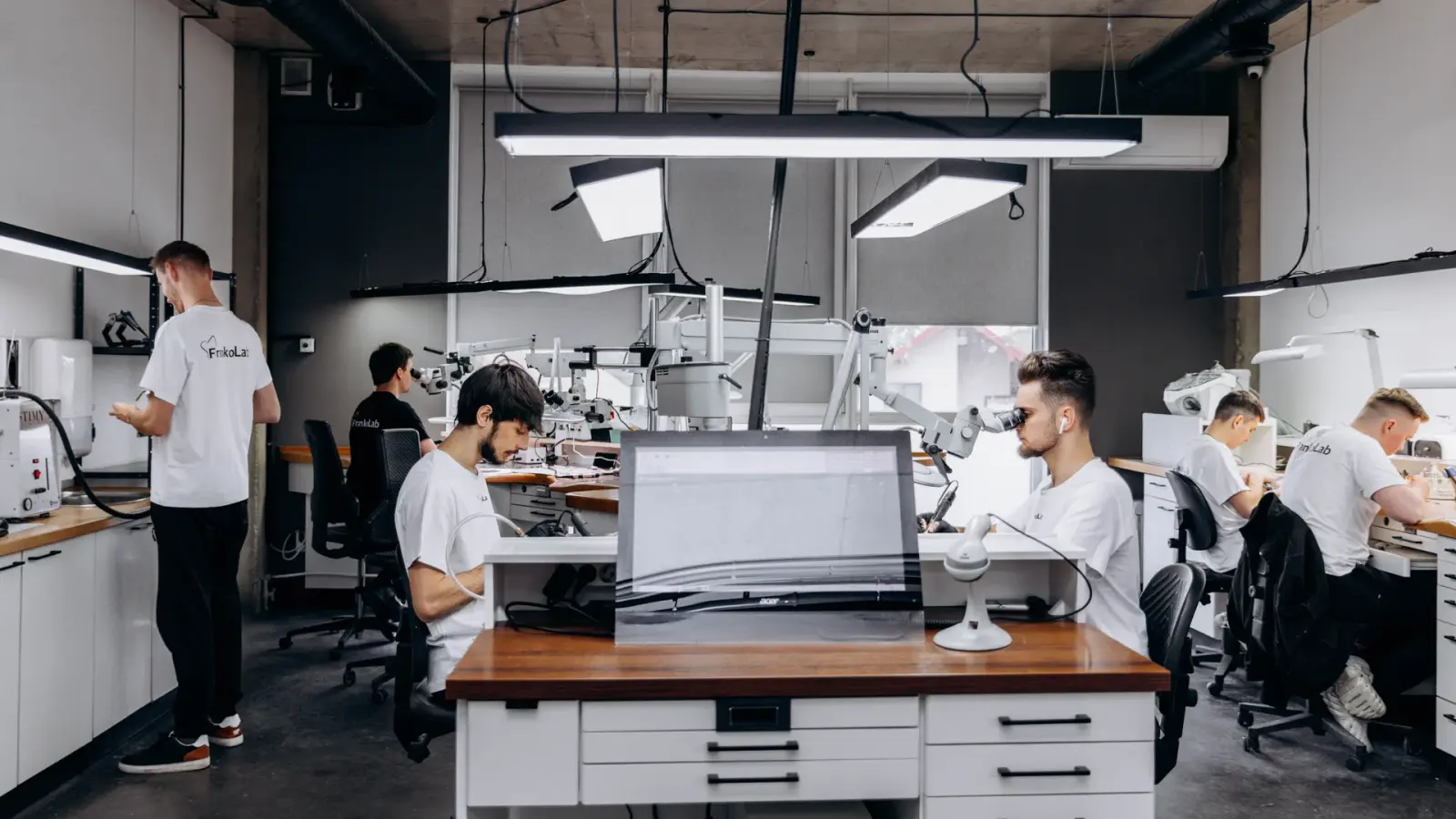
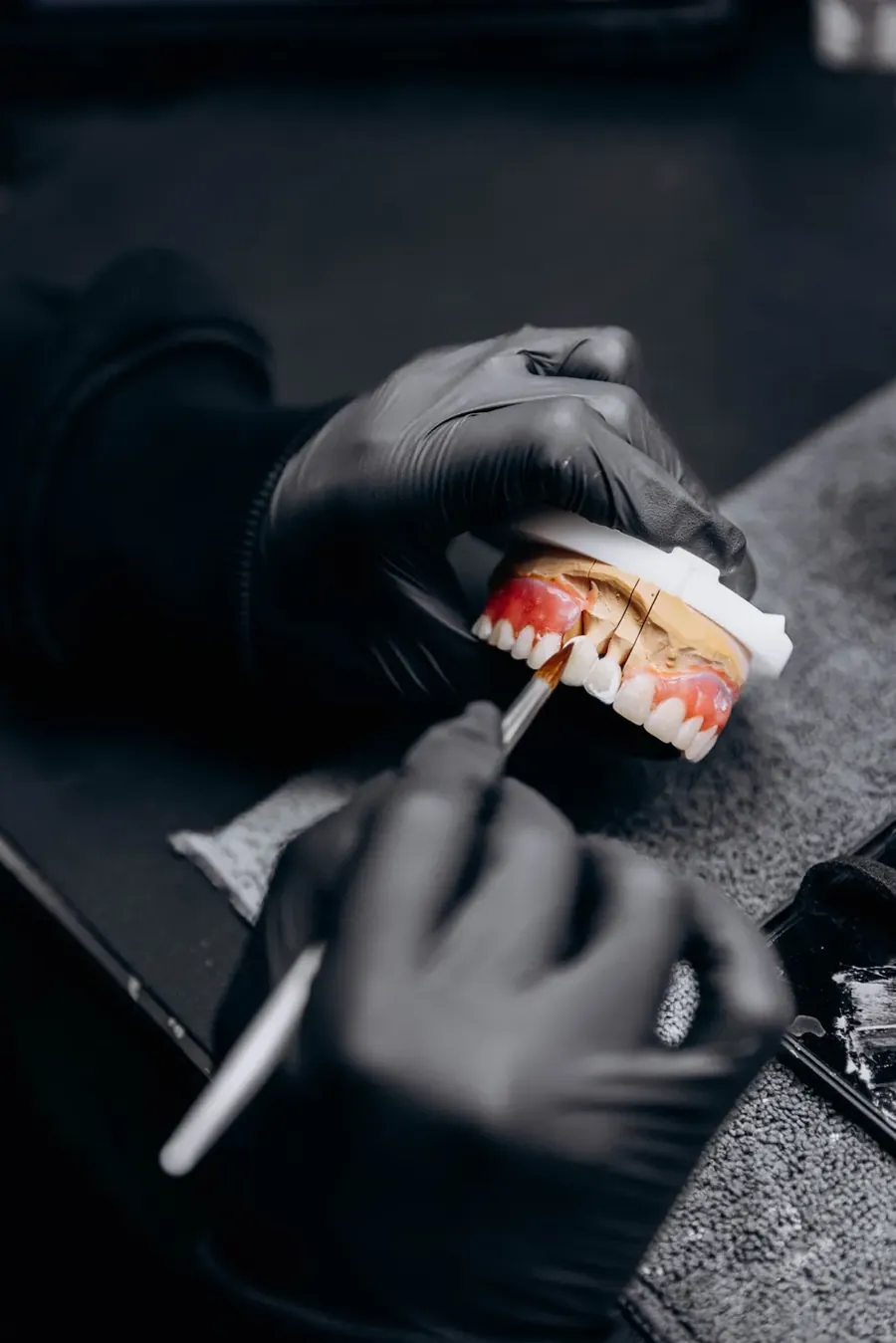
Hand-finishing of veneers at the FrankoLab laboratory
01

In-house full-service dental laboratory

We manufacture veneers directly in the clinic — without outsourcing the work. The FrankoLab laboratory is one of the largest digital laboratories in Western Ukraine (over 25,000 restorations per year). The dentist and dental technician work as a single team, so the entire process — from planning to the final adjustment — is under our full control. This minimises errors, speeds up the process and reduces costs.

02

Fast turnaround

Thanks to digital modelling and in-house production, veneers are often ready within 1–7 days. Patients do not have to wait for weeks or make multiple visits.

03

Digital technologies and precision

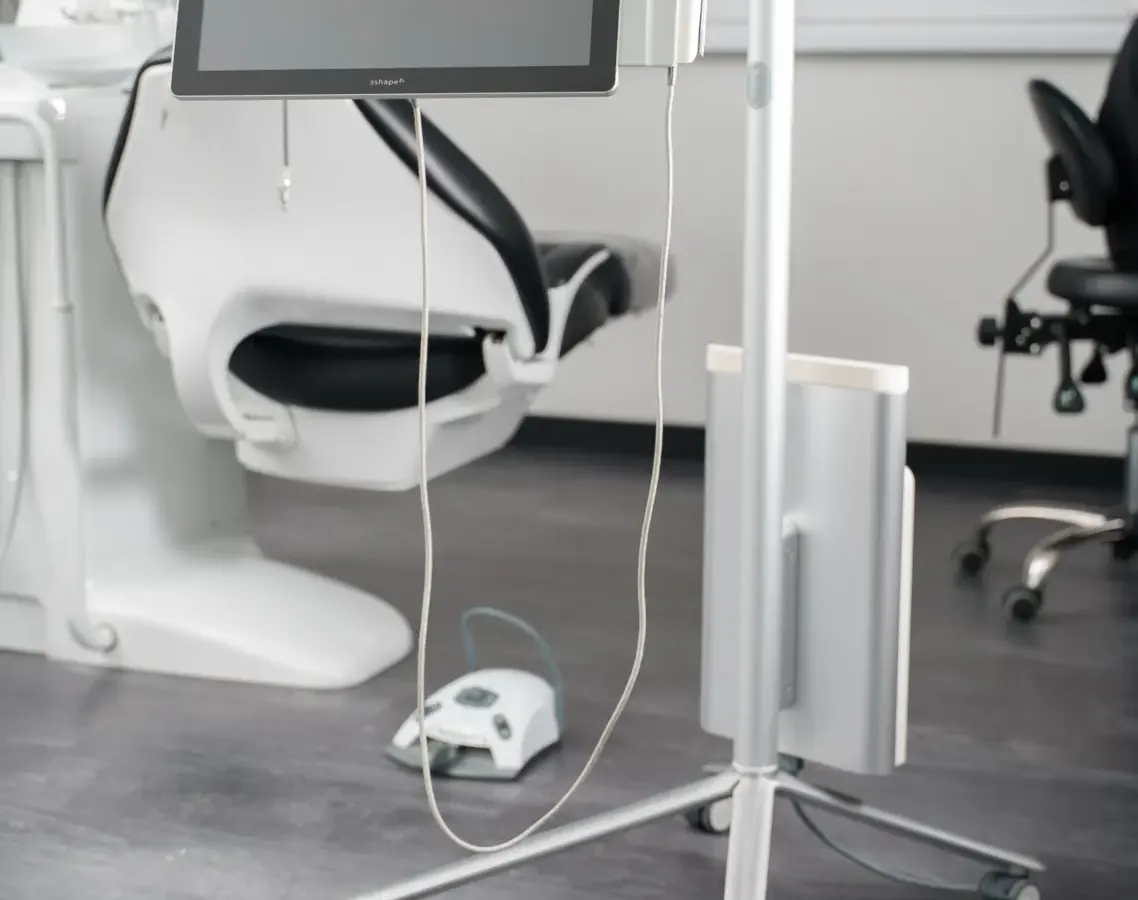
3D scanning and CAD/CAM modelling — patients can see the expected result before treatment begins and have the opportunity to make adjustments straight away. Furthermore, we work exclusively with premium materials (Ivoclar Vivadent, E-max, etc.), which guarantee a natural appearance, a perfect fit and resistance to staining.

04

Minimal tooth reduction

We do not grind down your teeth as if preparing them for a crown, but always strive to preserve as much of the natural tooth structure as possible. This is made possible by modern materials, digital modelling and the high-precision fabrication of veneers in-house.

05

A comprehensive approach and handling of complex cases

Our dental clinic does not simply offer quick veneer fitting in Ivano-Frankivsk, but also carries out comprehensive smile makeovers: orthodontics + veneers, bite correction, dental implants, oral rehabilitation and more. Many patients travel from abroad (Canada, the USA, Europe) specifically for a complete smile makeover.

06

Comfort and service

‘Sleep’ treatment (sedation), free transfers, online consultations, payment plans, and a guarantee on work thanks to comprehensive quality control — everything that can contribute to your comfort during preparation and treatment.

Frequently asked questions about dental veneers

No. We carry out the procedure under local anaesthetic, so the patient feels no pain during the preparation. Once the anaesthetic has worn off, there may be some slight sensitivity, which usually subsides within a few days.
It all depends on the material and the clinical situation. In most cases, preparation is minimal: only a thin layer of enamel is removed so that the veneer does not protrude above the surface of the tooth. In some cases, modern ultra-thin veneers do not require any grinding at all. The dentist determines the extent of preparation on a case-by-case basis.
We bond the veneer to the tooth using a special dental adhesive cement, which, after polymerisation, forms a very strong bond with the enamel. With proper surface preparation and precise fabrication of the veneer, this bond is long-lasting.
Caring for teeth with veneers is almost no different from normal dental care. We recommend brushing your teeth twice a day with a soft or medium-bristled toothbrush, using dental floss or an oral irrigator, and avoiding activities that put undue strain on your teeth — such as cracking nuts or opening bottles — and to visit the dentist for a check-up every six months. Veneers cannot be whitened, so if you are planning to have your teeth whitened, it is best to do so before the veneers are fitted.
Yes, provided the material, colour and shape are chosen correctly. The glass-ceramic veneers used by FrankoLab Clinic have optical properties similar to those of natural enamel: they transmit and refract light in the same way as a real tooth. People around you will generally be unable to tell the difference between a veneer and a natural tooth, provided the work has been carried out professionally.
With proper care and regular visits to the dentist, ceramic veneers last on average 10–15 years or more. Their lifespan depends on the material, the quality of the bonding and the patient’s individual characteristics, in particular the presence of parafunctional habits (bruxism, nail-biting, etc.).
Yes. Veneers are not fitted in cases of active tooth decay or periodontitis (treatment must be carried out first), significant tooth damage requiring a crown for restoration, uncompensated bruxism, or a deep bite with direct contact that would cause the veneer to chip, or insufficient enamel volume for bonding. This list of contraindications is not exhaustive — the dentist assesses each case individually.
Veneers are mainly fitted to the front teeth (those visible when smiling) — the incisors and canines. Veneers are not usually fitted to the molars due to the significant functional stresses they endure. Your dentist will provide a precise answer to this question following an examination.
When the procedure is carried out correctly, complications are rare. The most common temporary reactions are increased tooth sensitivity for a few days after preparation (this usually resolves on its own), discomfort whilst getting used to the new shape (which usually subsides within 1–2 weeks). Rarer complications requiring medical attention include chipping or detachment of the veneer, or discolouration of the bonding edge over time. Regular check-ups enable problems to be detected at an early stage and resolved in good time.

Book a consultation

Book a consultation and one of our managers will contact you shortly

+380 50 011 20 00

FrankoLab Clinic dental surgery

A healthy smile starts with the right decision

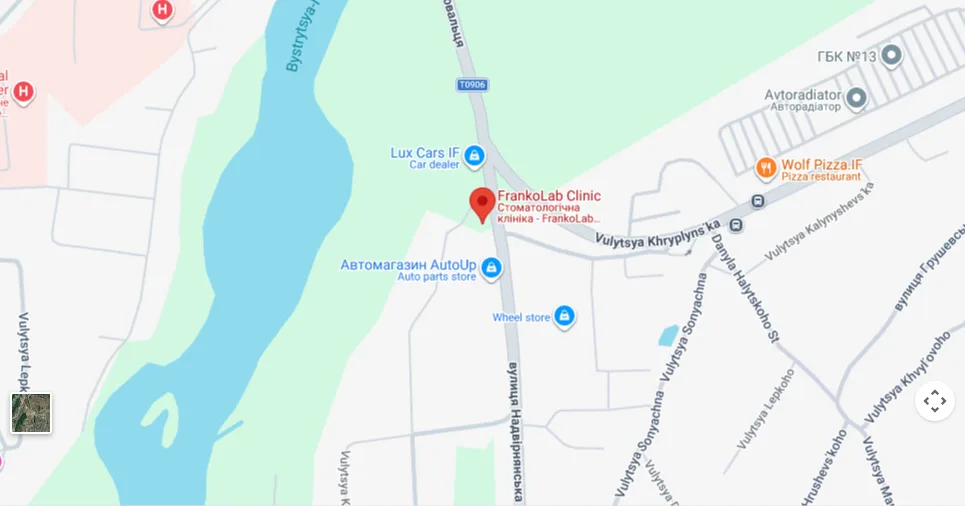
  • 77460, Ivano-Frankivsk, Cherniiv village, 2B Nadvirnianska Street
  • Mon–Sat 9.30 am–7.00 pm, Sun 10.00 am–7.00 pm
  • +380 50 011 20 00
Book a consultation
Map: 77460, Ivano-Frankivsk, village of Cherniiv, 2B Nadvirnianska Street