EN
Temporary crown or veneer

Why choose FrankoLab:

  1. 01 Protects the prepared tooth from irritation
  2. 02 Preserves the aesthetics and comfort of your smile
  3. 03 Rapid clinical fitting on the day of your appointment

Temporary crown / veneer in Ivano-Frankivsk

A damaged tooth or the need for a permanent crown requires time to fabricate a high-quality prosthesis. To maintain comfort, the aesthetics of your smile and to protect the prepared tooth from irritants, a temporary crown is fitted. This is a reliable solution whilst you wait.

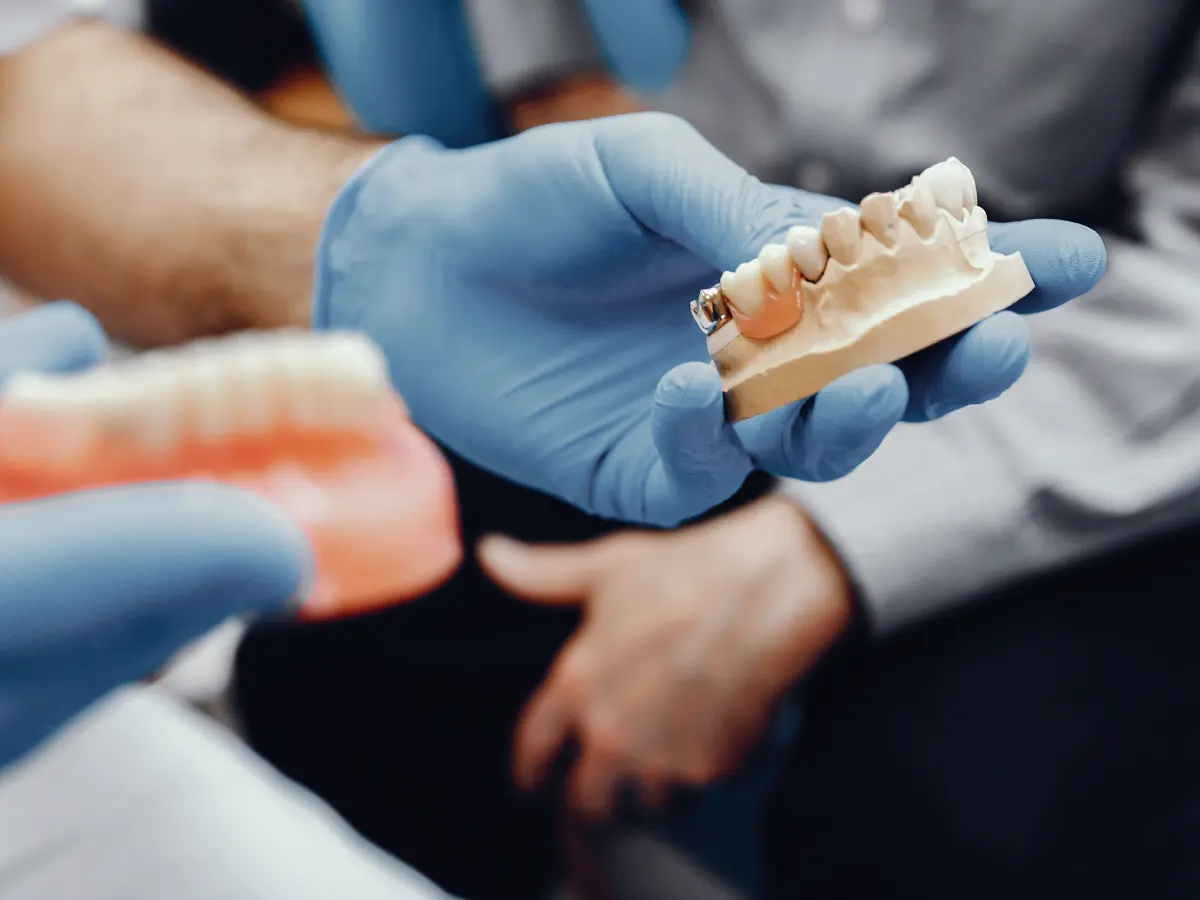
A temporary crown is a plastic prosthesis designed to protect the tooth.

Fitting a temporary crown involves the rapid fabrication of a plastic restoration immediately after the tooth has been prepared for prosthetic treatment. The dentist secures the crown using a special temporary cement, which ensures a secure fit. Plastic crowns perfectly mimic the shape and colour of natural teeth, allowing the patient to chew, speak and smile comfortably whilst the permanent restoration is being fabricated or the implant is integrating.

Advantages of temporary crowns

Protecting a prepared tooth from damage.

A temporary crown effectively protects exposed tooth structure from external irritants, bacteria and mechanical damage. Protecting the prepared tooth surfaces prevents infection and inflammation until the permanent restoration is fitted.


The aesthetic appearance of teeth during treatment.

Temporary crowns ensure a natural-looking smile, allowing you to communicate and smile with confidence. The aesthetics of your teeth are preserved throughout the entire period whilst the permanent restoration is being fabricated or the implant is integrating.

Maintenance of dental arch function.

Having a temporary crown fitted allows you to eat, speak and smile without discomfort. Plastic crowns restore the basic functions of the tooth, ensuring comfort in everyday life whilst you wait for your permanent restoration.

Prevention of adjacent teeth shifting.

A temporary crown helps maintain the correct alignment of the teeth, preventing adjacent teeth from shifting. This is important for preserving the bite and ensuring the correct placement of the permanent restoration, particularly in the case of temporary crowns on implants.

Preventing sensitivity and discomfort.

Crowns protect the teeth by covering exposed dentine. This significantly reduces tooth sensitivity to cold, hot and sweet foods and drinks. Caring for temporary crowns is simple; you just need to follow our dentist’s advice.

Optimal conditions during implant surgery.

Temporary crowns create the ideal conditions for a titanium post to integrate, whilst protecting the gums. Dental restoration using temporary restorations promotes the correct formation of soft tissues around the future permanent crown.

Indications for temporary crowns

Protection of a prepared tooth prior to the fitting of a permanent restoration.

A temporary crown is necessary to protect the tooth structure after it has been prepared for a permanent crown or veneer. It shields the exposed dentine from external irritants, bacteria and damage, and prevents infection.

Preserving the aesthetics of your teeth and smile throughout your course of treatment.

Fitting a temporary crown helps to preserve the natural appearance of your smile, particularly for the front teeth. Resin crowns mimic the shape and colour of natural teeth, giving you confidence when speaking.

Creating the ideal conditions for the placement of dental implants.

A temporary crown is used during the implant integration phase to shape the soft tissues correctly. Temporary crowns on implants create optimal conditions for osseointegration.

Preventing tooth displacement during the prosthetic treatment process.

Temporary crowns maintain the correct alignment of the teeth until the prosthetic restoration is fitted. They prevent adjacent teeth from shifting and preserve the bite to ensure the permanent restoration is securely fixed.

Reducing the sensitivity of prepared tooth structure to various irritants.

After preparation, the tooth becomes extremely sensitive to various irritants. Resin crowns cover the exposed dentine, eliminating any discomfort. The patient remains comfortable throughout the entire treatment process.

Price of a temporary crown

The cost of a temporary crown depends on the type of material, the complexity of tooth preparation and the specific details of the clinical situation. At FrankoLab Clinic, the cost of fitting a temporary crown includes diagnosis, fabrication of the restoration and cementation with temporary cement. Acrylic crowns are more affordable, whilst composite restorations cost slightly more due to their greater strength and aesthetic appeal.

The dentist will quote the final cost following an examination and diagnosis. Payment in instalments is available. Full price list for the clinic

Temporary crown – option to pay in instalments

Have a temporary crown fitted at our clinic without any financial burden.

FrankoLab Clinic offers convenient payment plans for the fitting of a temporary crown, so that you can start your treatment straight away without having to make a large one-off payment. We offer the option to split the cost of the procedure into manageable monthly instalments. Regardless of the complexity of your case, we can fit plastic crowns to protect the prepared tooth. You can receive the treatment you need straight away and pay for the temporary crowns in convenient instalments.

Don’t wait – start your treatment by having a temporary crown fitted today. Payment plans mean you don’t have to put off high-quality treatment.

The process of fitting temporary crowns

The procedure for fitting a temporary crown is quick, painless and comfortable. Our dentists use modern materials and technologies to ensure a perfect fit, a natural appearance and reliable protection for your tooth. The whole process takes just one appointment. You’ll enjoy an attractive smile and full functionality without a long wait.

01

Initial consultation and diagnosis.

The dentist assesses the condition of the tooth, determines whether a temporary crown is required and discusses the treatment plan. An examination of the oral cavity is carried out and, if necessary, an X-ray is taken to assess the root system. The dentist explains how to care for temporary crowns and answers any questions.

02

Preparing a tooth for a crown.

If necessary, the tooth is prepared for a future permanent crown or the surface is cleaned for a temporary veneer. The procedure is carried out under local anaesthetic, so the patient feels no pain. The dentist shapes the tooth correctly to ensure the temporary crown fits perfectly.

03

Impressions or direct fabrication.

The prosthodontist takes an impression of the dentition to fabricate a composite crown or uses the direct modelling technique in the patient’s mouth. We use modern materials, so crowns are fabricated quickly. The design ensures an anatomical shape and an aesthetically pleasing smile.

04

Cementation of a temporary crown.

The finished restoration is secured using a special temporary cement, which ensures a secure fit without damaging the tissues. The dentist checks the fit, bite height and the patient’s comfort. The temporary crown fits snugly against the gums, preventing food and bacteria from getting in and providing protection.

05

Dentist’s recommendations for oral care.

Our experienced specialist provides detailed instructions on how to care for temporary crowns. It is recommended to avoid hard foods, chewing gum and sticky foods, to brush your teeth with a soft-bristled toothbrush, and to use dental floss with care. The patient is informed that temporary crowns are less durable than permanent ones.

06

Follow-up check-up and replacement with a permanent crown.

After a certain period, the patient returns to have the temporary restoration removed and the permanent restoration fitted. The prosthodontist checks the condition of the tooth and gums and assesses the quality of the implant integration. The temporary crown is removed painlessly, and the permanent restoration is cemented in place.

At FrankoLab Clinic, experienced specialists will provide high-quality treatment.

Our prosthodontists use high-quality biocompatible resins that ensure both comfort and the aesthetic appearance of your teeth. Thanks to our in-house laboratory, temporary crowns can be produced quickly. You’ll benefit from tooth protection and a natural-looking smile from your very first visit. Dental restoration at our clinic is carried out with attention to detail to ensure a perfect fit and long-lasting results.

Types of temporary crowns

Acrylic plastic crowns

The most common type of restoration, manufactured directly at the clinic in a matter of minutes. The cost of fitting a temporary acrylic crown is affordable. The material is easy to work with and sufficiently aesthetic for short-term use, but is less durable.

Composite temporary crowns

They are made from stronger plastic compounds, which ensures greater durability. They also look better, have lower porosity and are suitable for front teeth. They can be worn for up to 3–6 months. Composite crowns are more expensive than acrylic ones.

Polymethyl methacrylate (PMMA) crowns

are made from durable plastic using state-of-the-art CAD/CAM technology in the clinic’s own laboratory. The design fits the tooth precisely, is durable and aesthetically pleasing. A temporary crown is suitable for long-term wear, but is more complex to manufacture and therefore more expensive.

Plastic crowns

An affordable option that is both practical and functional. This is an inexpensive temporary crown, which is quickly fabricated during the appointment. It is lightweight and comfortable to wear, and is suitable for most clinical cases. However, the design is less aesthetically pleasing.

Metal-plastic restorations

These combine a metal framework with a plastic coating for increased strength under significant chewing forces. This option offers the highest strength among temporary crowns, as well as high resistance to chewing forces. They can be worn for up to 6 months.

Our patients’ results

Case Study 4: Comprehensive dental restoration using crowns and veneers

Diagnosis:

Complete loss of dental function due to teeth that could not be saved. The patient required comprehensive rehabilitation of both jaws, restoring both chewing function and aesthetics.

Treatments:

All teeth that could not be saved were extracted. In the first stage, 4 implants were placed in the upper jaw and 6 in the lower jaw. During the next stage of treatment, a further 2 implants were placed in the upper jaw. As a result, the permanent prosthetic restoration will be anchored to six implants in the upper jaw and six implants in the lower jaw, providing a secure foundation for the future prosthesis.

Result:

The patient has successfully completed the surgical stages of treatment and is preparing for the final prosthetic restoration. The chosen rehabilitation approach ensures maximum stability of the restoration, even distribution of the chewing load, long-lasting results and a high level of comfort.

Case Study 3: Composite Restorations

Diagnosis:

The patient presented with complaints of discolouration of her front teeth, numerous old composite restorations and an unsatisfactory smile. During the clinical examination, discolouration of the teeth was identified, along with restorations that had lost their functionality and aesthetic appearance.

Treatments:

Following digital planning, a decision was made to carry out aesthetic restoration of the upper incisors using refractive veneers.
The restorations
are made entirely from ceramic materials, without any metal framework, which is one of the most aesthetically pleasing techniques in modern dentistry. This method allows for the most accurate reproduction of the natural translucency, colour depth and optical properties of natural enamel, ensuring a flawless result.

Result:

Discolouration has been removed and old, unaesthetic restorations have been replaced. The natural shape, proportions and harmony of the front teeth have been restored. Thanks to refractive veneers, the patient achieved a natural, bright and aesthetically pleasing smile that closely mimics natural teeth, combining durability, functionality and premium aesthetics.

Case 2: Implantology. Prosthetics

Diagnosis:

The patient presented with complaints of discomfort whilst chewing, increased tooth sensitivity and dissatisfaction with the appearance of her smile.

Treatments:

The first stage involved professional hygiene, comprehensive oral rehabilitation, therapeutic and endodontic treatment, the extraction of teeth that could not be restored, and implant placement.

Immediately following the surgical stage, temporary prosthetic restorations were fitted.
Six months
later, a prototype of the future smile was fabricated in the clinic’s own dental laboratory, FrankoLab.

The final stage involved the fitting of 24 fully anatomical zirconia crowns onto the patient’s natural teeth and implants in the upper and lower jaws.

Result:

Full functional and aesthetic rehabilitation has been achieved. Tooth sensitivity has been eliminated, chewing efficiency has been fully restored, and a stable prosthetic structure and a natural, harmonious smile have been created.

Doctors providing treatment

Patient reviews

4,9 Google rating All reviews on Google

Diana Kruk

08.07.2026

The clinic and service are of the highest standard – keep up the good work!

Ksenia Savenko

23.06.2026

I am very grateful to the whole FrankoLab team for the experience I’ve had with you. You are incredible! I wish you continued growth and prosperity, because the smiles you create are not only beautiful but also genuine, as seen on the faces of your grateful clients.

FrankoLab Dental Laboratory

Please contact our clinic to have a temporary crown fitted whilst undergoing treatment.

In-house laboratory

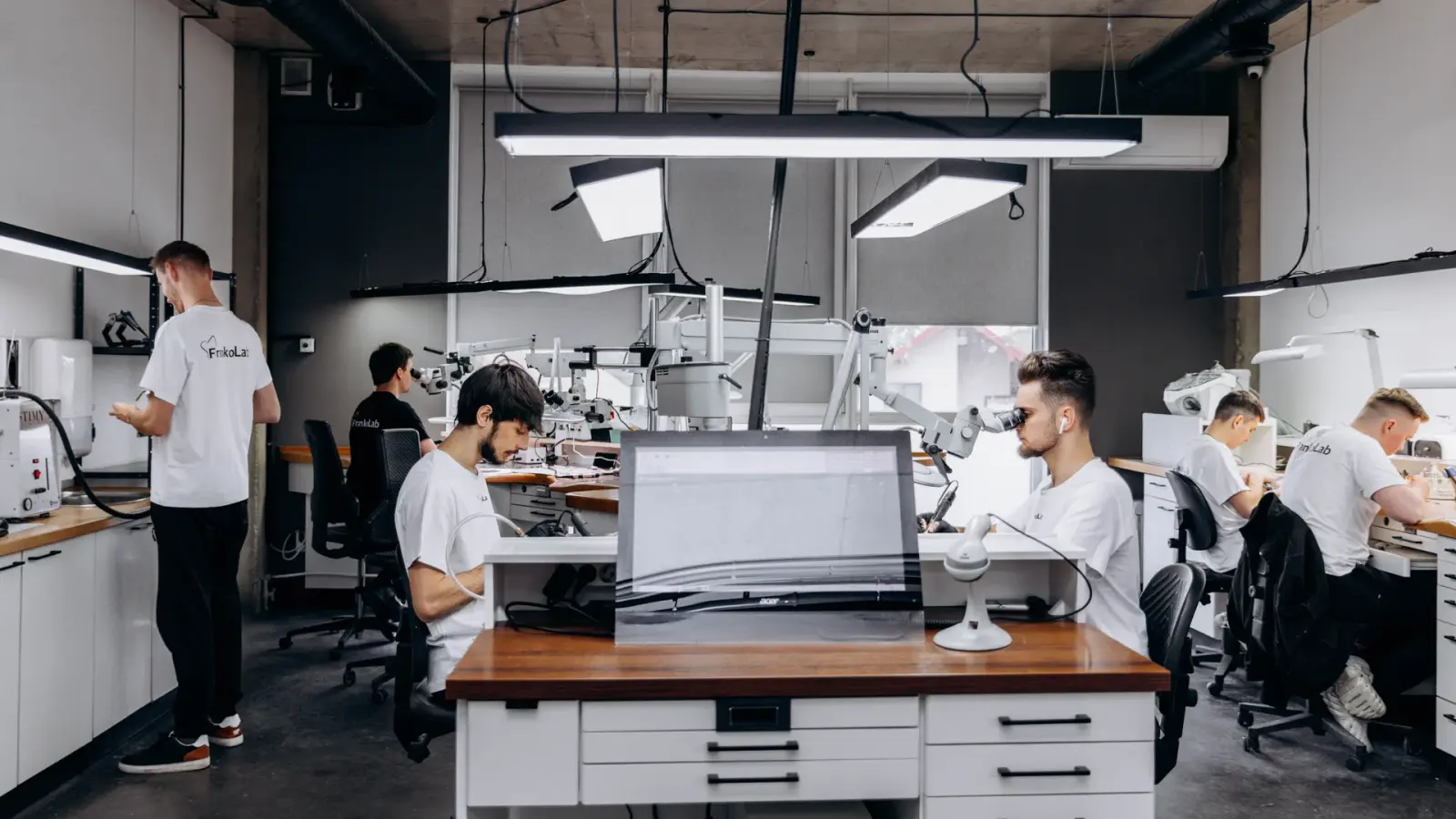
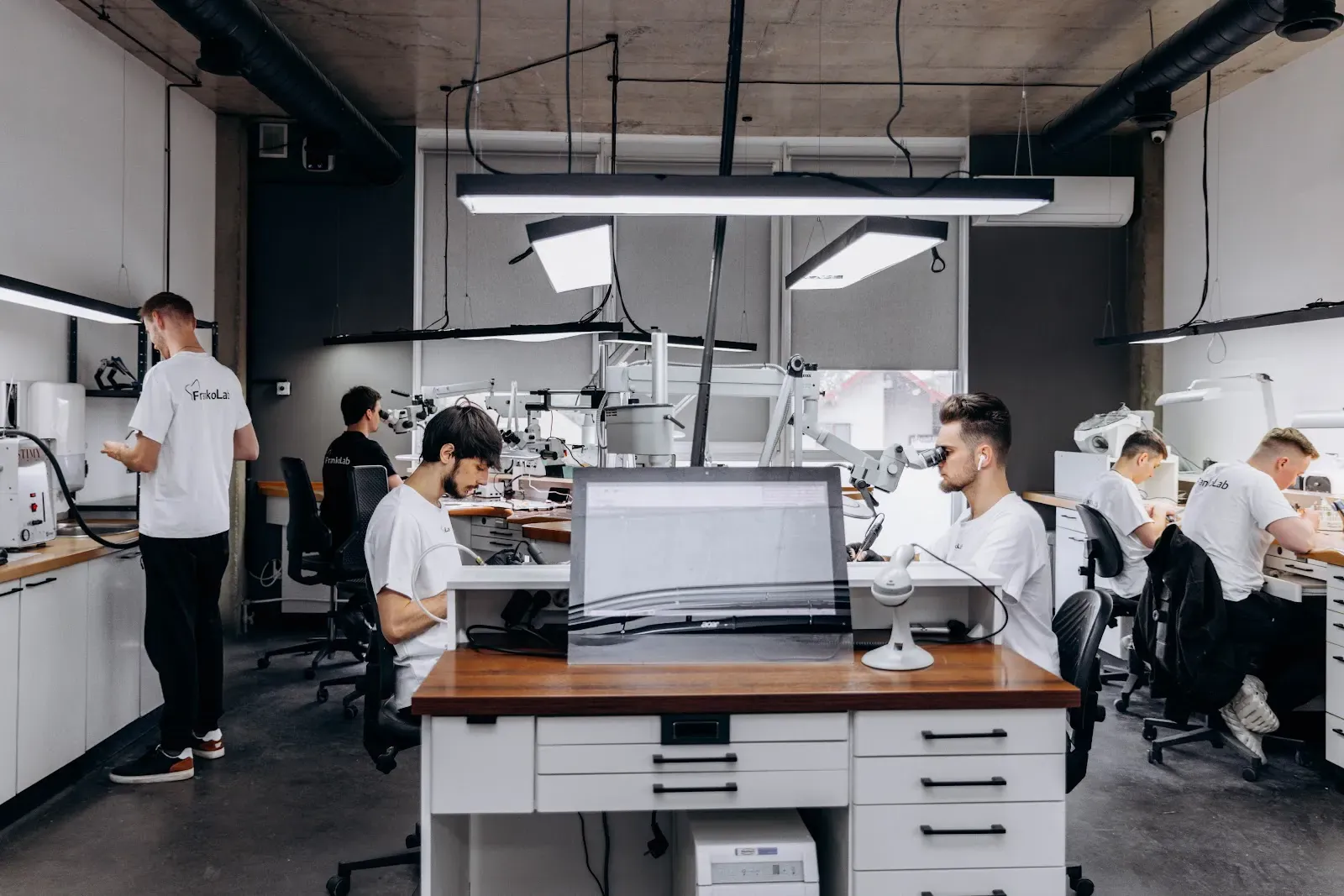
FrankoLab’s main advantage is its own in-house dental laboratory.

As all our production facilities are located on-site, we can fully control the manufacturing process for restorations of any complexity, develop solutions quickly and guarantee long-term results.

In our digital dental laboratory, metal-free prosthetic restorations are manufactured using leading CAD/CAM technologies and the highest-quality European materials.

FrankoLab Dental Laboratory

Why do people choose FrankoLab Clinic for temporary crowns?

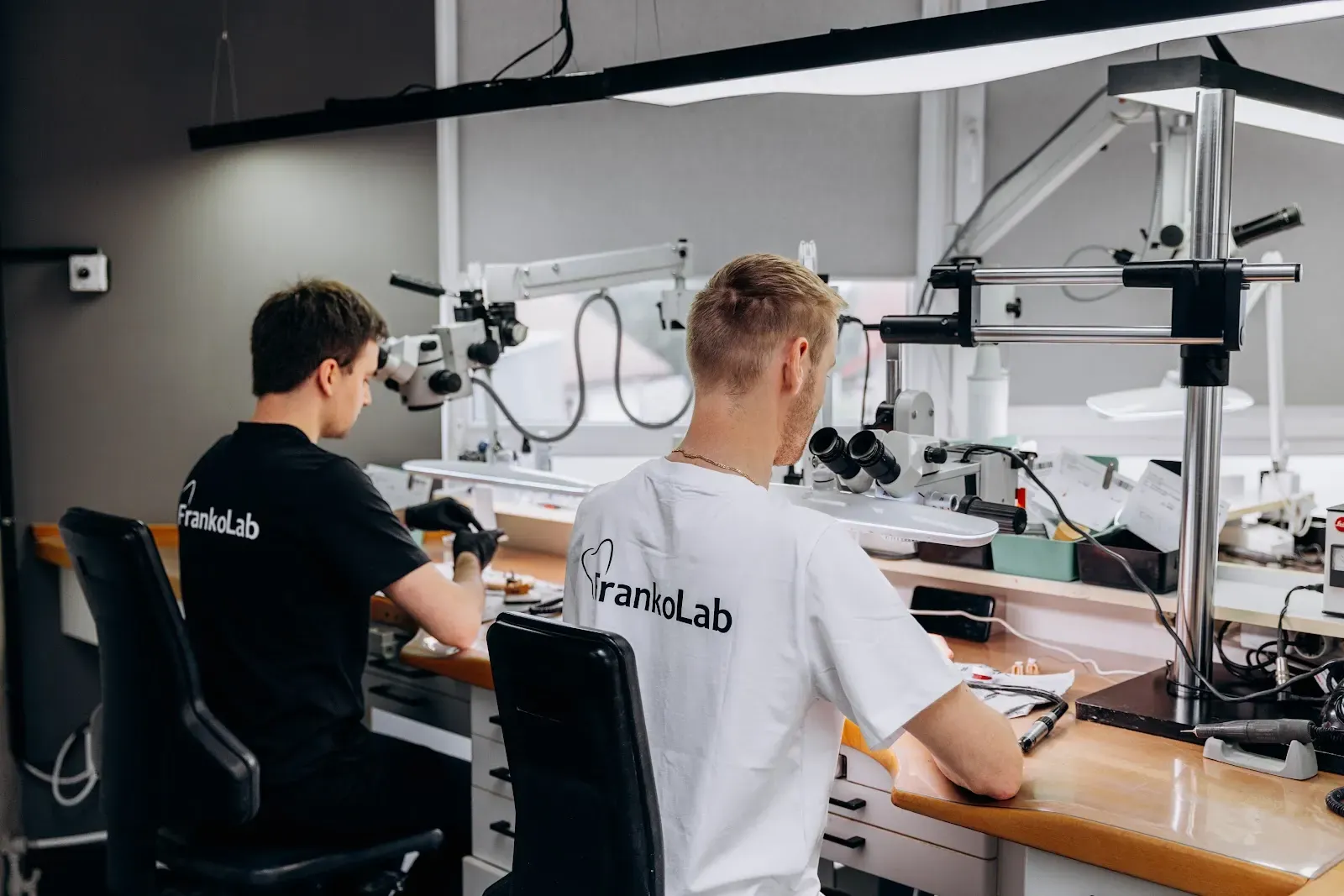
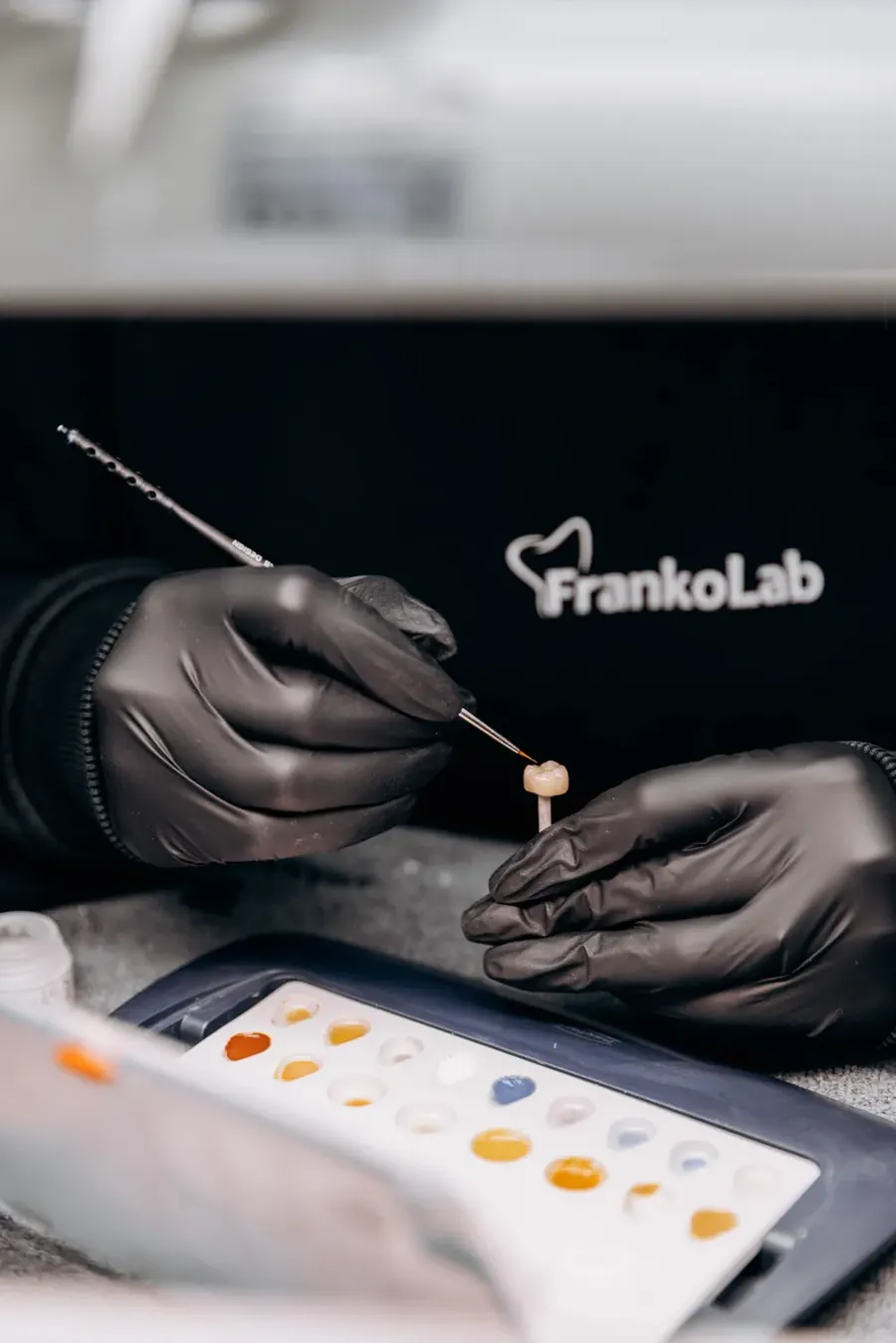
A FrankoLab dental technician works on a crown in the clinic’s in-house laboratory
01

Highly qualified, experienced prosthodontists and a personalised approach.

Our dentists have many years’ experience in fitting temporary crowns, taking into account the anatomical characteristics of each patient. This personalised approach ensures a perfect fit, comfort and a natural-looking smile.

02

Biocompatible, hypoallergenic materials for crowns.

At FrankoLab Clinic, certified materials are used to fabricate temporary crowns. Plastic crowns made from high-quality acrylic and composite provide reliable protection for the prepared tooth and help maintain gum health.

03

Our in-house dental laboratory ensures speed and quality.

Thanks to our in-house laboratory, temporary crowns are fabricated directly at the clinic. You receive the finished restoration quickly. This does not compromise quality: fabrication is carried out in full compliance with all standards.

04

State-of-the-art equipment is used, and treatment conditions are comfortable.

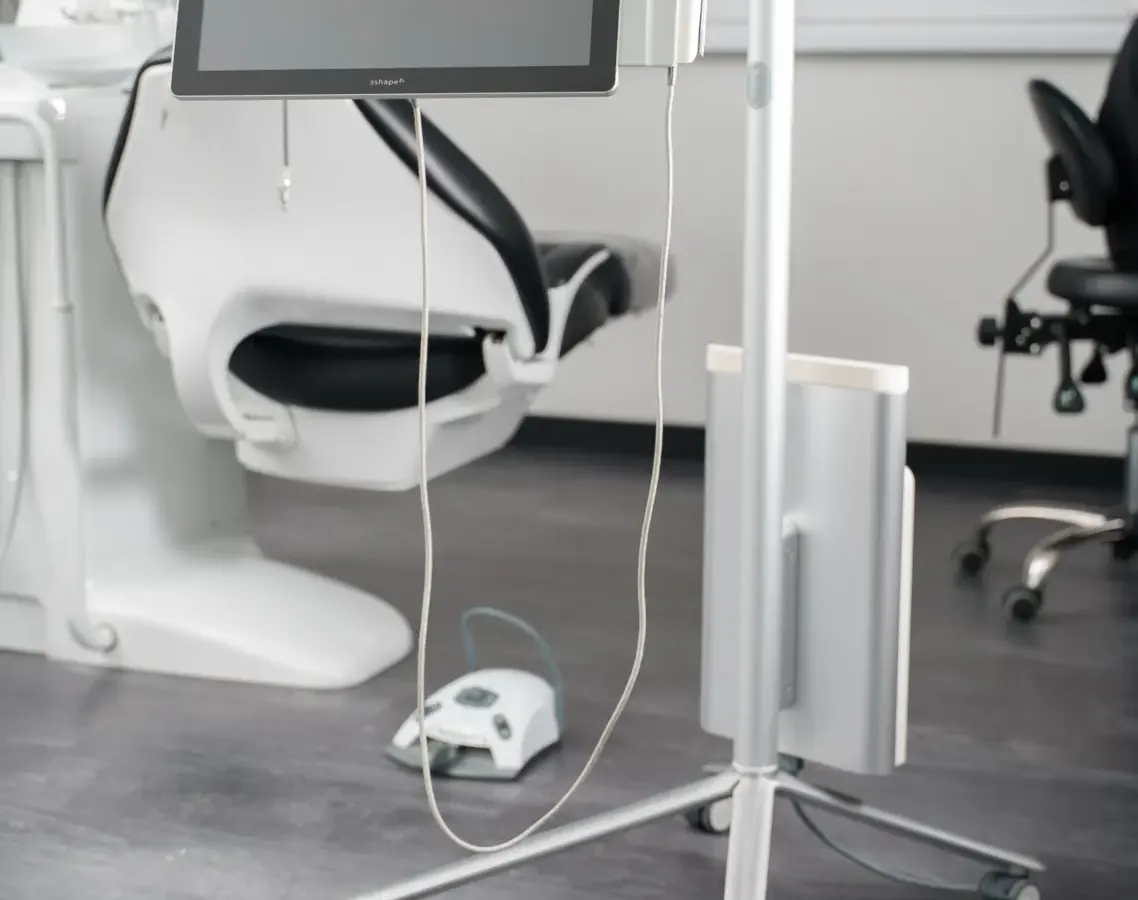
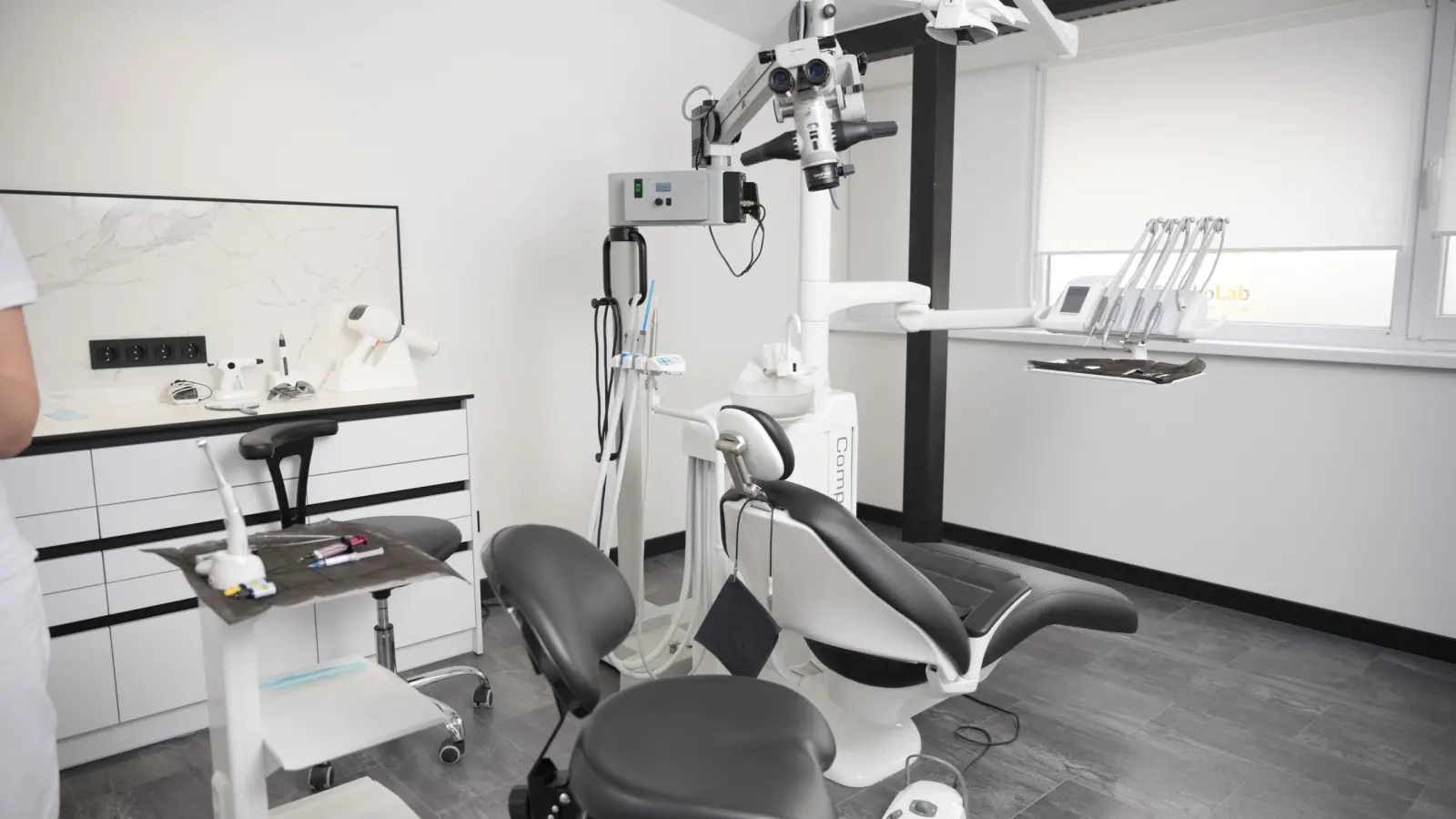
The clinic is equipped with state-of-the-art dental equipment, ensuring accurate diagnosis and high-quality treatment. The fitting of a temporary crown is painless thanks to effective anaesthesia and gentle techniques.

Frequently asked questions about temporary crowns

A temporary crown is a plastic prosthesis that protects a prepared tooth whilst a permanent restoration is being fabricated or whilst an implant is integrating. Fitting a temporary crown is necessary to protect exposed tooth structure from bacteria, mechanical damage and temperature-related irritation. They ensure a natural appearance and allow you to chew and speak.
The length of time a temporary crown remains on a tooth depends on the material and the clinical situation. Plastic crowns are designed to last 1–2 months, whilst composite crowns last 3–6 months. During the implant procedure, temporary crowns may be used throughout the osseointegration period – from 3 to 6 months. It is important to follow the care instructions.
Caring for temporary crowns involves gently brushing your teeth with a soft-bristled toothbrush twice a day, using dental floss carefully without any sudden movements, and avoiding hard foods (nuts, crackers), sticky foods (chewing gum, toffee) and drinks that are too hot or too cold. It is not recommended to bite hard objects with your front teeth, as this helps to prolong the life of the crown.
In the first few days after a temporary crown is fitted, you may experience slight tooth sensitivity or minor discomfort when chewing, which is normal. These sensations will disappear within 2–3 days. Plastic crowns rarely cause complications provided they are properly cared for and the dentist’s recommendations are followed. In some cases, the restoration may come loose if subjected to excessive pressure.
The cost of fitting a temporary crown depends on the type of material, the complexity of tooth preparation and the individual circumstances of each case. Acrylic temporary crowns are the most affordable option, whilst composite temporary restorations cost slightly more due to their greater strength and aesthetic appeal. The price includes diagnosis, fabrication and fitting of the crown.

Find out more: temporary crown or veneer

To protect the prepared tooth and ensure an aesthetic appearance whilst the permanent crown is being fabricated in the laboratory, temporary plastic crowns are fitted.

A temporary crown is primarily needed for its protective function. It protects the surrounding tissues or the tooth socket from various harmful influences and dental diseases.

The main reasons for their use are future restoration with prostheses or the restoration of the integrity of the dentition through implantation. Thus, temporary crowns are most often required whilst a permanent crown or bridge is being fabricated, or until the implant has fully integrated (in the case of two-stage implantation).

After these restorations have been fitted, you may experience some discomfort when biting for a few days, or increased sensitivity in the tooth with the crown (or in the tooth on the opposite side of the jaw). This is considered normal. However, if the temporary crown has become loose, you should contact our prosthodontist immediately.

A crown that has been fitted for a certain period of time requires proper care, including brushing twice a day and removing food debris from between the teeth.

It is not recommended to chew gum, eat toffee or particularly hard foods, such as nuts, whilst wearing temporary crowns.

Book a consultation

Book a consultation and one of our managers will contact you shortly

+380 50 011 20 00

FrankoLab Clinic dental surgery

A healthy smile starts with the right decision

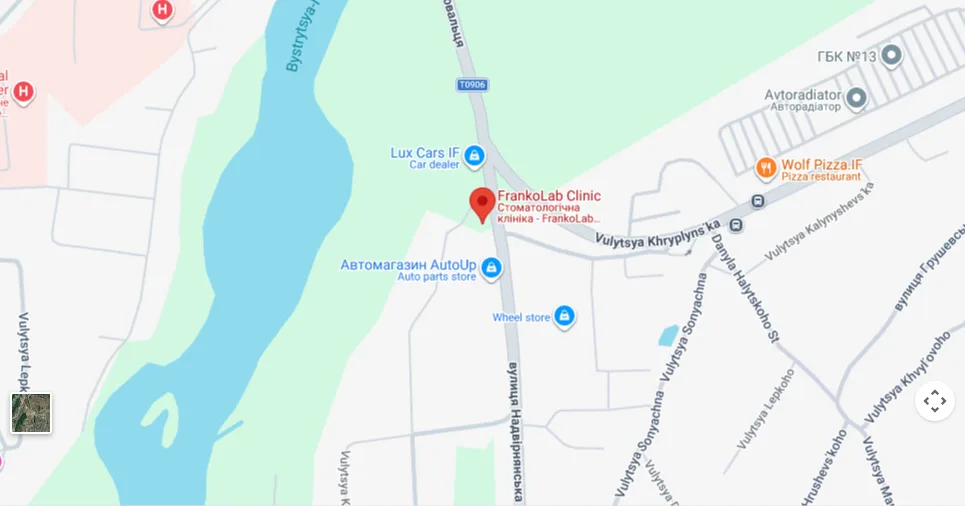
  • 77460, Ivano-Frankivsk, Cherniiv village, 2B Nadvirnianska Street
  • Mon–Sat 9.30 am–7.00 pm, Sun 10.00 am–7.00 pm
  • +380 50 011 20 00
Book a consultation
Map: 77460, Ivano-Frankivsk, village of Cherniiv, 2B Nadvirnianska Street