Restoring the shape of a tooth
A dental crown restores a tooth’s anatomical contours, even if it has been severely damaged; the main thing is that there is a stump (part of the natural tooth or an artificial base).

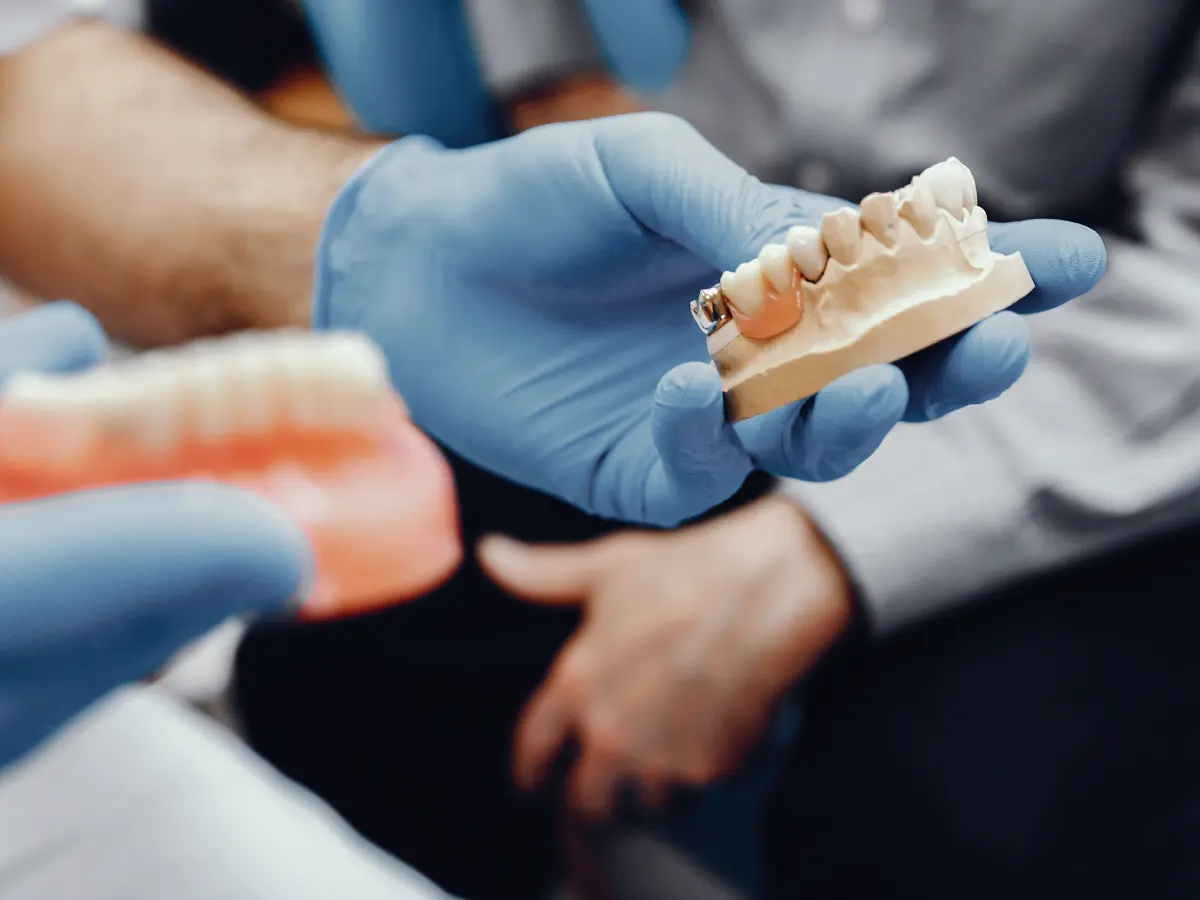
The loss or significant damage to a tooth is not just an aesthetic problem, but also a threat to the health of the entire dentition. Modern dentistry offers an effective solution — dental crowns, which make it possible to preserve the tooth, halt its further deterioration and restore its full function. At FrankoLab Clinic, dental crowns are fabricated on-site by a single team, ensuring no loss of time, precise reproduction of measurements and high-quality treatment.
Dental crowns are prosthetic dental restorations that completely or partially cover a tooth above the gum line. They are fixed onto a prepared tooth or implant and restore the tooth’s shape, appearance and strength.
A dental crown restores a tooth’s anatomical contours, even if it has been severely damaged; the main thing is that there is a stump (part of the natural tooth or an artificial base).
Modern materials (in particular, glass-ceramic and zirconium) replicate the natural colour and translucency of tooth enamel, restoring the aesthetic appeal of your smile.
A dental crown protects a weakened or root-canal-treated tooth from further damage during chewing. With a crown, the patient can chew normally without pain, discomfort or the risk of damaging the thin walls of the tooth.
Fitting a crown onto a tooth protects it from mechanical damage and bacterial penetration, which is particularly important when the tooth’s pulp is still intact.
Dental crowns serve as the foundation for fitting bridge-type dental restorations when restoring the dentition following the extraction of several teeth.
A dental crown helps to maintain the correct position of the tooth and ensures an even distribution of chewing pressure. This reduces the risk of further wear and overloading of neighbouring teeth.
A dental crown is used when a significant portion of the hard tissue has been lost. It restores the tooth’s shape and enables it to remain functional.
Following root canal treatment, a tooth becomes more brittle and prone to further damage. A dental crown reduces the risk of the tooth fracturing whilst chewing.
Crowns are used to correct significant anatomical abnormalities. They help to restore normal function and aesthetics.
This refers to persistent discolouration following trauma or treatment, and abnormalities in enamel development, which lead to unevenness and stains. A dental crown makes it possible to completely conceal the discolouration and restore an even tooth surface.
Dental crowns are used as supporting elements when restoring the dentition with a bridge. They ensure that the bridge is securely fixed in place.
Fitting a dental crown onto an implant once it has integrated is the final stage of prosthetic treatment, which restores the tooth’s appearance and function.
When congenital or structural defects cannot be corrected by other means, a crown allows the shape and function of the tooth to be restored without complex treatment.
The cost of dental crowns in Ivano-Frankivsk at FrankoLab Clinic is determined based on several pricing factors — the type of material, the complexity of tooth preparation and the need for additional procedures (root canal treatment, restoration of the tooth stump, placement of a post, etc.). Thanks to our in-house dental laboratory, we are able to offer competitive prices whilst maintaining the premium quality of the crowns and the dentist’s work — without overpaying intermediaries.
The dentist will quote the final cost following an examination and diagnosis. Payment in instalments is available. Full price list for the clinic
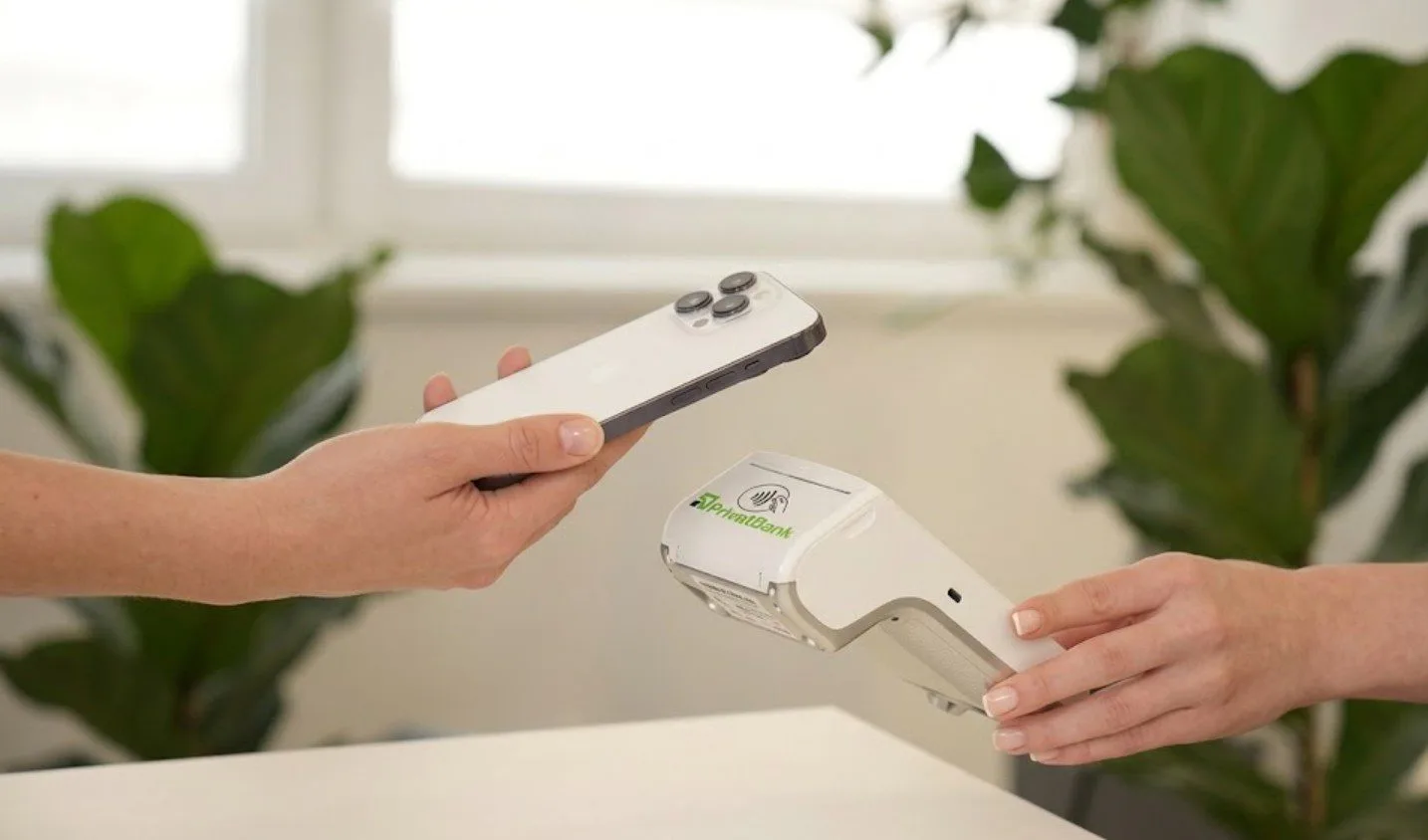
FrankoLab Clinic offers a convenient instalment plan for the fitting of dental crowns in Ivano-Frankivsk. You can start your treatment straight away and pay in instalments. Please ask our receptionist about the payment terms for the manufacture and fitting of crowns.
A prosthodontist examines the tooth, takes a panoramic X-ray or a 3D scan, and determines the optimal material and type of dental crown. If necessary, the dentist will arrange for a detailed analysis of the bite and chewing function.
If required, we carry out treatment for tooth decay, root canal treatment and the removal of old restorations. The tooth is prepared (shaved down) to ensure the crown fits correctly, and a core is shaped for the future fitting of the dental crown.
Using the Dentsply Sirona Primescan digital intraoral scanner, we create working and auxiliary models, record the centric relation of the jaws, and determine the colour of the crowns to ensure a perfect shade match.
Whilst the permanent restoration is being fabricated (usually 5–14 working days), we fit a temporary composite crown onto the prepared tooth.
We carry out dental crown modelling with multi-stage quality control in our own dental laboratory. We fabricate crowns taking into account the anatomical features and aesthetic preferences of each patient.
We try on the finished dental crown, check the bite and fit, and then secure it to the prepared tooth or implant using special dental cement. In some cases, we recommend a follow-up check-up 1–2 weeks after fitting — the dentist checks how the patient has adapted.
At FrankoLab Clinic, we use three main types of crowns for permanent restorations: metal-ceramic, glass-ceramic and zirconia. We also fabricate temporary (composite) crowns separately for use during treatment.
Material: Metal framework + ceramic coating
Aesthetics: Good (there is a possibility of a dark line forming at the gum line)
Strength: High
Where used: Molars, posterior teeth
Transparency: Lower (due to the metal)
Lifespan: 10–15 years
Suitable for implants: Yes
Material: Solid lithium
disilicate Aesthetics: Excellent, as natural
as possible Strength: High
Where used: Front and side teeth
Transparency: High (similar to natural enamel)
Lifespan: 15–20 years
Suitable for implants: Yes
Material: Solid zirconia
Aesthetics: Excellent, particularly with a full framework
Strength: Highest
Applications: Any area, particularly the occlusal
surface Transparency: High (in the monolithic version)
Service life: 20+ years
Suitable for implants: Yes (recommended)
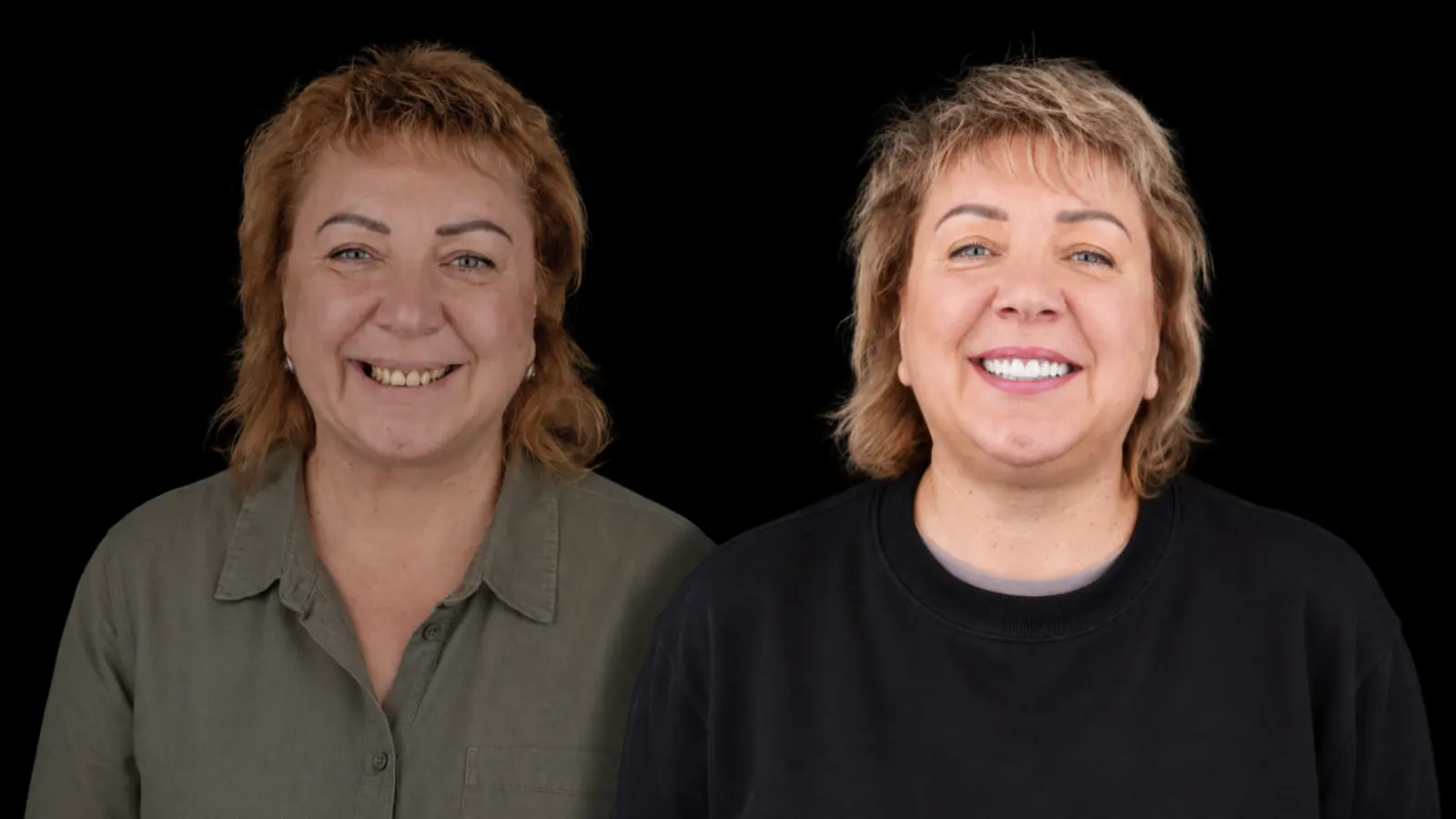
The patient presented with complaints of discomfort whilst chewing, increased tooth sensitivity and dissatisfaction with the appearance of her smile.
The first stage involved professional hygiene, comprehensive oral rehabilitation, therapeutic and endodontic treatment, the extraction of teeth that could not be restored, and implant placement.
Immediately following the surgical stage, temporary prosthetic restorations were fitted.
Six months
later, a prototype of the future smile was fabricated in the clinic’s own dental laboratory, FrankoLab.
The final stage involved the fitting of 24 fully anatomical zirconia crowns onto the patient’s natural teeth and implants in the upper and lower jaws.
Full functional and aesthetic rehabilitation has been achieved. Tooth sensitivity has been eliminated, chewing efficiency has been fully restored, and a stable prosthetic structure and a natural, harmonious smile have been created.

Diana Kruk
08.07.2026
The clinic and service are of the highest standard – keep up the good work!
Ksenia Savenko
23.06.2026
I am very grateful to the whole FrankoLab team for the experience I’ve had with you. You are incredible! I wish you continued growth and prosperity, because the smiles you create are not only beautiful but also genuine, as seen on the faces of your grateful clients.
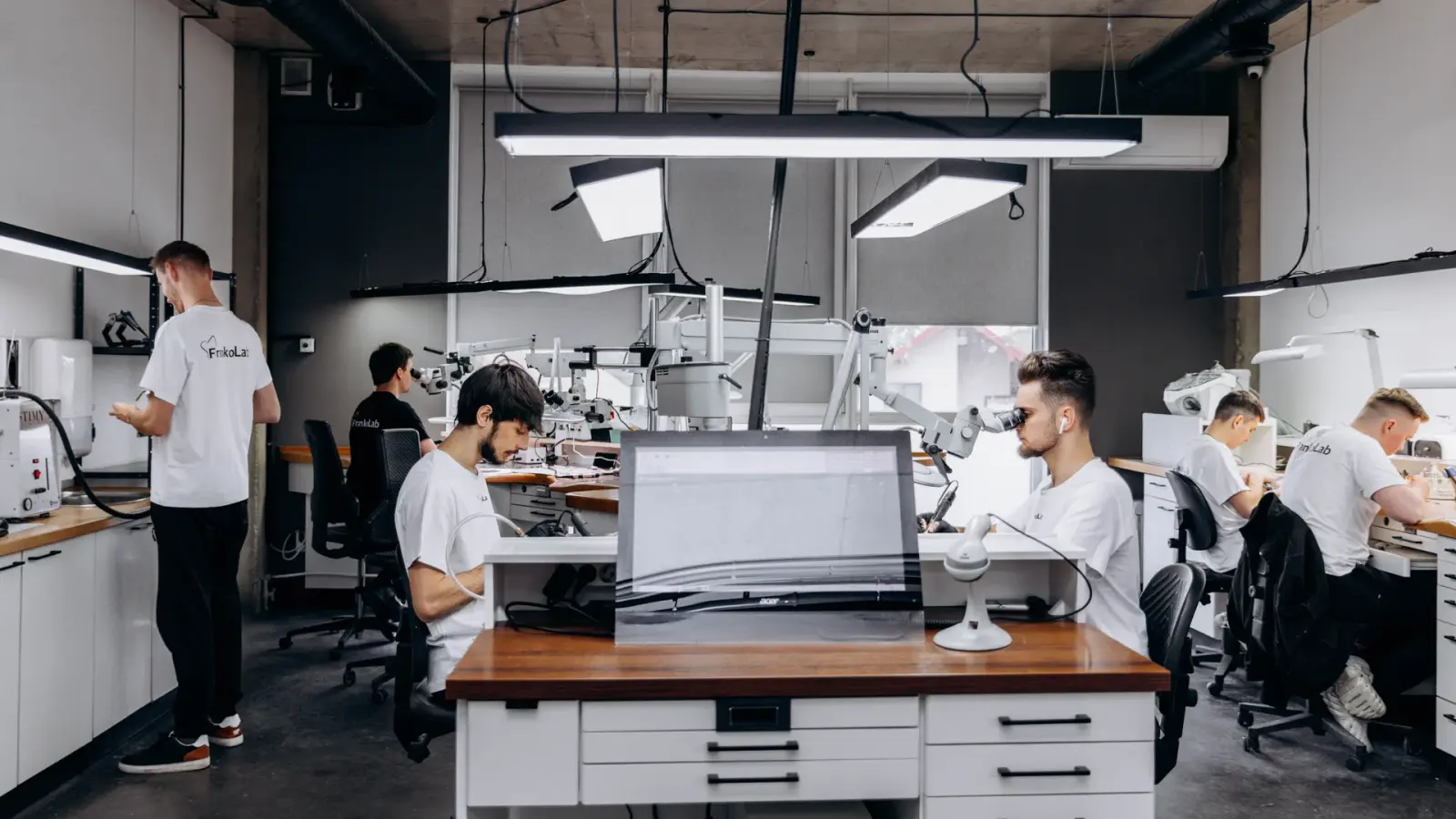
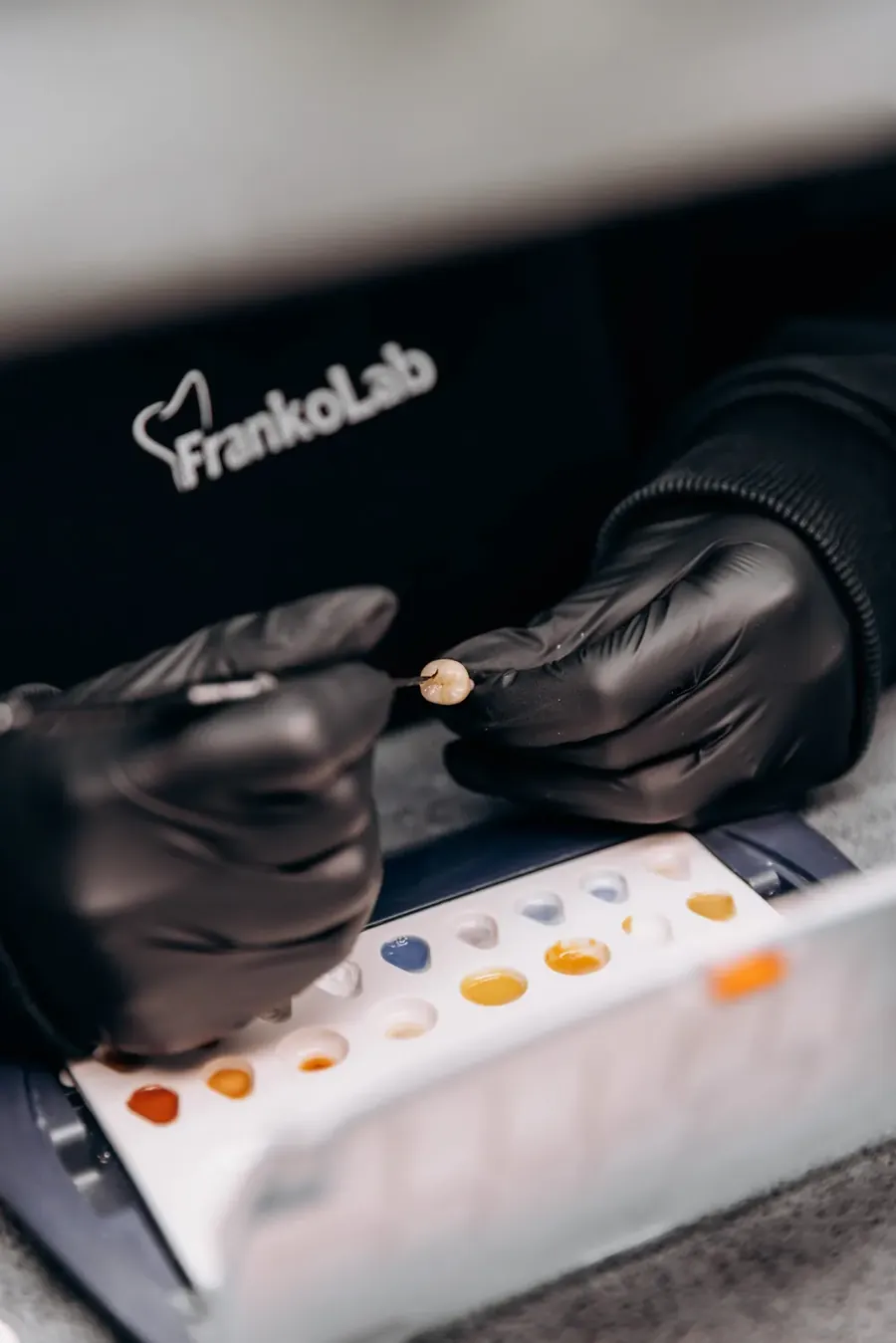
FrankoLab produces over 25,000 restorations a year for clinics in Ukraine and Europe. We use CAD/CAM technology, 3D scanning, milling and premium-grade materials (zirconium dioxide, E-MAX / lithium disilicate from Ivoclar Vivadent). This ensures a precise fit for dental crowns, natural aesthetics and durability, particularly if the diagnosis was carried out by us. Having the entire process, from examination to crown fitting, handled by a single team guarantees precision and quality.
Dental crowns and veneers are often ready within 1 day. Thanks to the in-house dental laboratory, there is no need to wait weeks for deliveries from other manufacturers. Prosthetics is one of the clinic’s key strengths.
3D scanning (instead of traditional impressions), Smile Design computer modelling, and Face Bow for perfect occlusion. Patients can see the expected result before treatment begins and can approve it or request changes during the preparation stage. Minimal adjustments, a tight fit, long-lasting comfort.
A comprehensive, turnkey service: diagnostics (CT scans using the high-precision J. Morita 3D Accuitomo 170), tooth preparation, implant placement (including, amongst others, All-on-4/6), and implant-supported prosthetics. We undertake not only the fitting of crowns to strengthen existing teeth, but also comprehensive dental restoration. We carry out treatment under a microscope and with high-quality sedation.
We provide a free shuttle service within the city, online consultations and the option to pay in instalments for dental crowns in Ivano-Frankivsk, to make the process as convenient and affordable as possible.
Book a consultation and one of our managers will contact you shortly
Book a consultation and one of our managers will contact you shortly
Would you like a remote consultation? Online consultation with a dentist
Share your experience of your treatment — your review will appear on the website once it has been verified by an administrator.