EN
Removal of crowns and veneers

Why choose FrankoLab:

  1. 01 Results in 1 day — 10–35 minutes per tooth
  2. 02 We preserve the ceramic and healthy tooth structure intact
  3. 03 Without anaesthesia or with minimal use of it

Laser removal of veneers and crowns in Ivano-Frankivsk

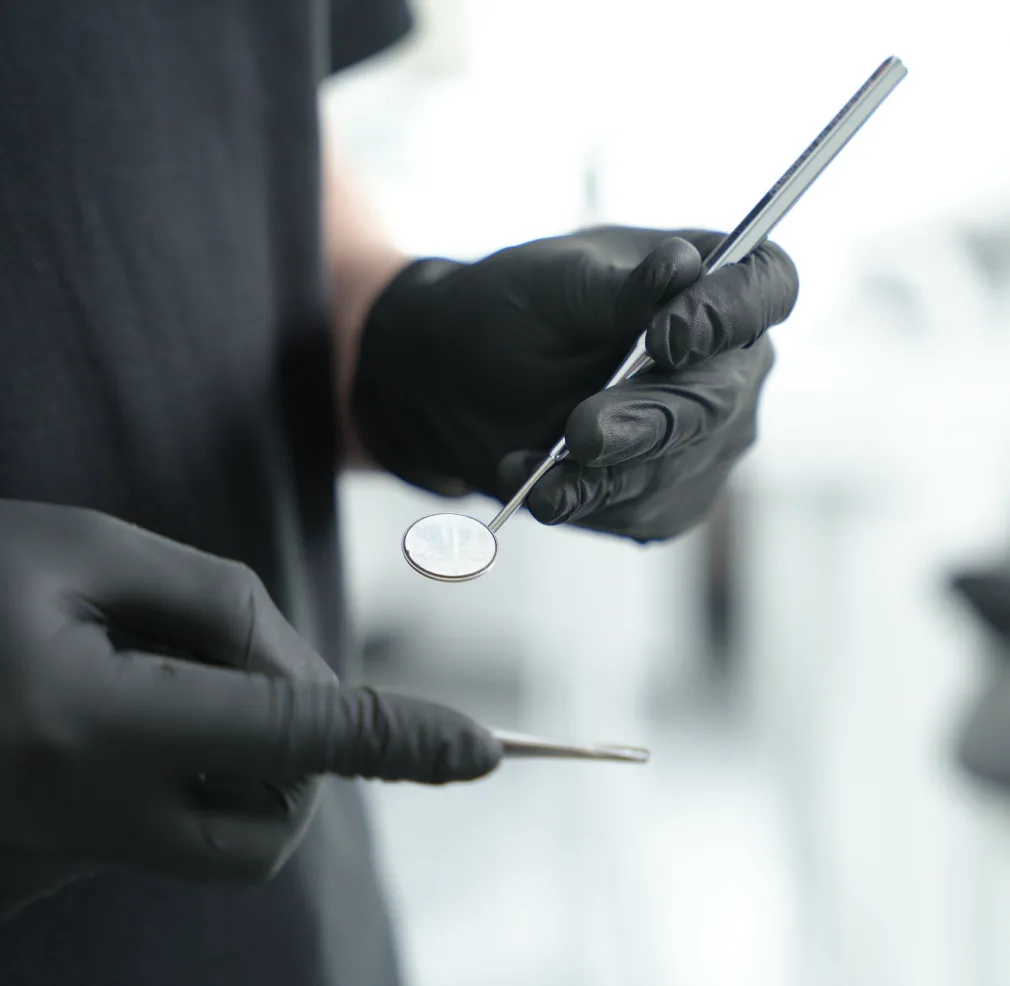
At FrankoLab Clinic, we remove prosthetic restorations gently, without a ‘drill’ — by precisely targeting the cement whilst preserving the tooth structure. We offer a modern alternative to traditional mechanical removal — laser removal of veneers and crowns. Laser removal of dental restorations is a minimally invasive procedure in which the Biolase Waterlase erbium laser targets not the ceramic itself, but the layer of adhesive or cement used to secure the restoration.

The laser beam gently breaks the bond between the restoration and the tooth, after which the dentist removes the veneer or crown without applying harsh mechanical pressure. This procedure is suitable for patients who need to replace old or damaged restorations, adjust the shape, shade or fit of a restoration, keep the ceramic intact, remove one or two units from a larger prosthetic restoration, or simply avoid the stress of the ‘drill’.

Advantages of the laser method for removing crowns and veneers

No overheating or microcracks

When removing veneers and/or crowns using a laser, the temperature of the treatment is significantly lower than when using a turbine. Waterlase water cooling completely eliminates thermal stress on the pulp and tooth enamel.

Keeping the ceramic intact

The laser acts on the cement, not on the restoration itself. A crown or veneer that has been removed is highly likely (provided it was originally fitted correctly) to remain undamaged and suitable for refitting, temporary wear or reattachment.

Without anaesthesia or with minimal use of it

In most cases, the removal of veneers and/or crowns using a laser is a comfortable procedure that does not require injections — this is particularly important for those who are afraid of injections or are allergic to anaesthetics.

Selective removal

It is possible to remove a single specific unit from a continuous row without the risk of damaging neighbouring restorations. This is ideal for correcting a single veneer.

A gentle approach to tissue

Less vibration and mechanical pressure means a lower risk of damaging the prepared enamel and dentine beneath the restoration. This is particularly important in cases where additional mechanical removal of tissue is undesirable.

Faster recovery

The gentle removal of veneers and/or crowns using a laser means less tissue irritation, a shorter period of discomfort after the procedure (particularly for people with sensitive gums and teeth) and a smoother transition to the next stage of treatment.

When is it advisable to remove veneers or crowns using a laser?

Damage to dental restorations

Due to wear and tear, chips, cracks, discolouration, aesthetic ageing or a poor fit with the smile, the dentist may recommend removing crowns or veneers using a laser technique.

Problem beneath the restoration (tooth decay, inflammation, need for root canal treatment)

When using a veneer or crown, it is sometimes necessary to remove the prosthetic restoration for treatment and re-prosthetisation without causing unnecessary damage to the tooth.

Changes in bite or pain whilst chewing

These are clear signs that the dental restoration no longer matches the occlusion. The laser will help minimise the risk of damage to the enamel, dentine and pulp, allowing a new veneer or crown to be fitted more quickly.

Aesthetic or functional restoration

The patient wishes to replace their old restorations with more modern, more aesthetic ones. For example, a smile make-over, a change in shape or colour, or switching to a better material (e.max, zirconia, etc.).

Dislodgement or incorrect fit

If it is found that a veneer or crown is not fitted securely, or if gaps or looseness have developed, it is removed and refitted.

We need to remove several restorations quickly

Veneers are often fitted in under 1 minute, and crowns in 2–5 minutes (compared to 15–30+ minutes using traditional methods). Ideal for comprehensive smile restoration.

Patients with high sensitivity, anxiety or a desire for comfort

The procedure for laser removal of veneers and/or crowns is quiet, causes less discomfort, and is often carried out without anaesthesia, without the vibration or noise of a drill.

The need to retain the old structure for temporary use

In many cases, a veneer or crown can be removed in one piece and used as a temporary restoration.

About prices for laser removal of veneers and crowns, and payment

The cost of laser removal of veneers and crowns in Ivano-Frankivsk at FrankoLab Clinic is calculated on a case-by-case basis: it depends on the number of restorations, their type (veneer, crown, bridge) and the material used. The dentist will quote the exact price following a consultation and examination. The clinic offers payment plans: you can split the cost of treatment into several instalments without any additional charges. Please check the current terms and conditions with the receptionist.

The dentist will quote the final cost following an examination and diagnosis. Payment in instalments is available. Full price list for the clinic

How is the procedure for laser removal of veneers and crowns carried out?

01

Initial consultation and diagnosis

The dentist examines the tooth, assesses the condition of the prosthetic restoration, and takes a targeted X-ray or CT scan (both examinations are carried out at FrankoLab Clinic). They determine the extent of the procedure and select the optimal laser settings.

02

Preparation and anaesthesia

In most cases, anaesthesia is not required. If a patient has sensitive gums, heightened anxiety or fear, the dentist will apply a local anaesthetic.

03

Laser treatment of the cement line

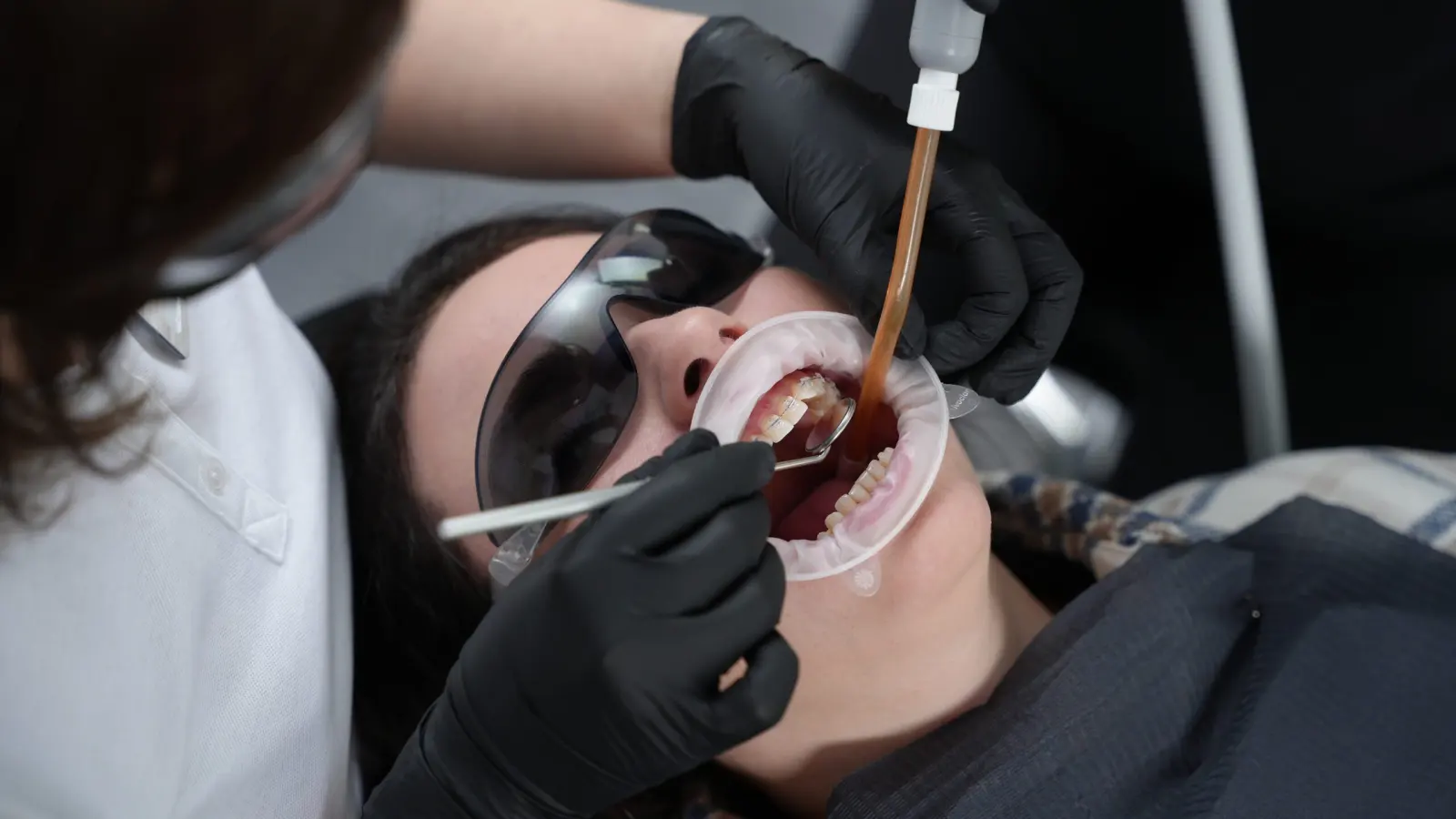
The Waterlase handpiece is positioned at the junction between the restoration and the tooth. The laser beam, combined with a water-air spray, softens and vaporises the cement around the entire perimeter of the restoration (veneer or crown).

04

Removal of the restoration

After preparation, the dentist carefully removes the veneer or crown using a special instrument. Thanks to the prior laser de-cementation, this is done effortlessly and without any risk of damaging the tooth structure or the restoration itself.

05

Tooth surface preparation

We carefully remove any remaining cement, polish the tooth surface and carefully assess its condition for further treatment or prosthetics.

06

Determining the next steps in treatment

The dentist discusses the next steps with the patient: treatment for tooth decay or pulpitis, or taking digital ‘impressions’ straight away to create a new restoration.

Biolase Waterlase iPlus—a new-generation erbium laser

FrankoLab Clinic uses the Biolase Waterlase — the gold standard in erbium lasers for dentistry. The Biolase Waterlase iPlus is a state-of-the-art dental laser system based on an erbium laser with a wavelength of 2780 nm (Er,Cr:YSGG technology). This wavelength is ideally absorbed by water and the hydroxyapatite in tooth enamel, making it possible to effectively and painlessly prepare hard and soft tissues without overheating or causing microcracks, in particular, allowing crowns or veneers to be removed quickly and without causing trauma.

Waterlase is FDA-certified and approved by leading European dental associations. Thanks to a wide range of settings, the dentist can tailor the operating mode to suit the type of restoration (veneer, crown, bridge), the material (ceramic, zirconia, metal-ceramic) and the patient’s clinical situation.
How the laser works when removing dental prosthetic restorations

The Biolase Waterlase iPlus laser generates a beam with a wavelength of 2780 nm, which is effectively absorbed by water and hydroxyapatite — the main components of dental cement and dental tissues. When combined with a water-air spray, the beam selectively heats and vaporises the molecules of the bonding cement around the entire perimeter of the restoration. This process is known as photoacoustic stripping: microscopic vapour bubbles mechanically ‘peel’ the cement away from the surface of the tooth and the restoration without causing thermal or mechanical damage to the ceramic or the living tooth tissues. Water cooling prevents tissue overheating and largely eliminates the need for anaesthesia.

The result of laser removal of veneers and/or crowns is that the prosthetic restoration is carefully separated, leaving the tooth undamaged and ready for further treatment or replacement.

Thanks to this narrow focus, the dentist is able to remove a single veneer or crown locally, even as part of a comprehensive prosthetic procedure — without affecting neighbouring teeth.

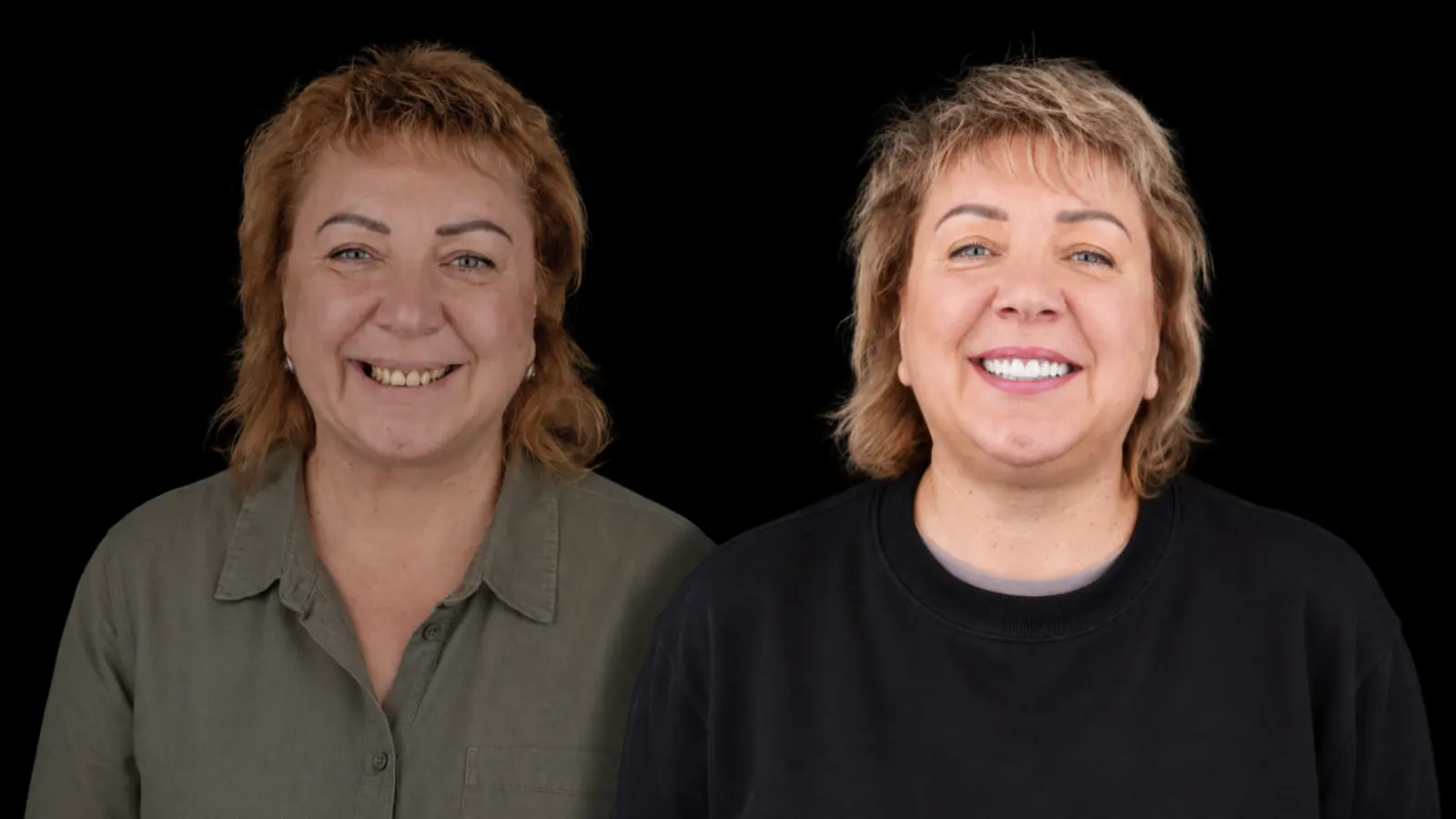
Our patients’ results

Case Study 4: Comprehensive dental restoration using crowns and veneers

Diagnosis:

Complete loss of dental function due to teeth that could not be saved. The patient required comprehensive rehabilitation of both jaws, restoring both chewing function and aesthetics.

Treatments:

All teeth that could not be saved were extracted. In the first stage, 4 implants were placed in the upper jaw and 6 in the lower jaw. During the next stage of treatment, a further 2 implants were placed in the upper jaw. As a result, the permanent prosthetic restoration will be anchored to six implants in the upper jaw and six implants in the lower jaw, providing a secure foundation for the future prosthesis.

Result:

The patient has successfully completed the surgical stages of treatment and is preparing for the final prosthetic restoration. The chosen rehabilitation approach ensures maximum stability of the restoration, even distribution of the chewing load, long-lasting results and a high level of comfort.

Case Study 3: Composite Restorations

Diagnosis:

The patient presented with complaints of discolouration of her front teeth, numerous old composite restorations and an unsatisfactory smile. During the clinical examination, discolouration of the teeth was identified, along with restorations that had lost their functionality and aesthetic appearance.

Treatments:

Following digital planning, a decision was made to carry out aesthetic restoration of the upper incisors using refractive veneers.
The restorations
are made entirely from ceramic materials, without any metal framework, which is one of the most aesthetically pleasing techniques in modern dentistry. This method allows for the most accurate reproduction of the natural translucency, colour depth and optical properties of natural enamel, ensuring a flawless result.

Result:

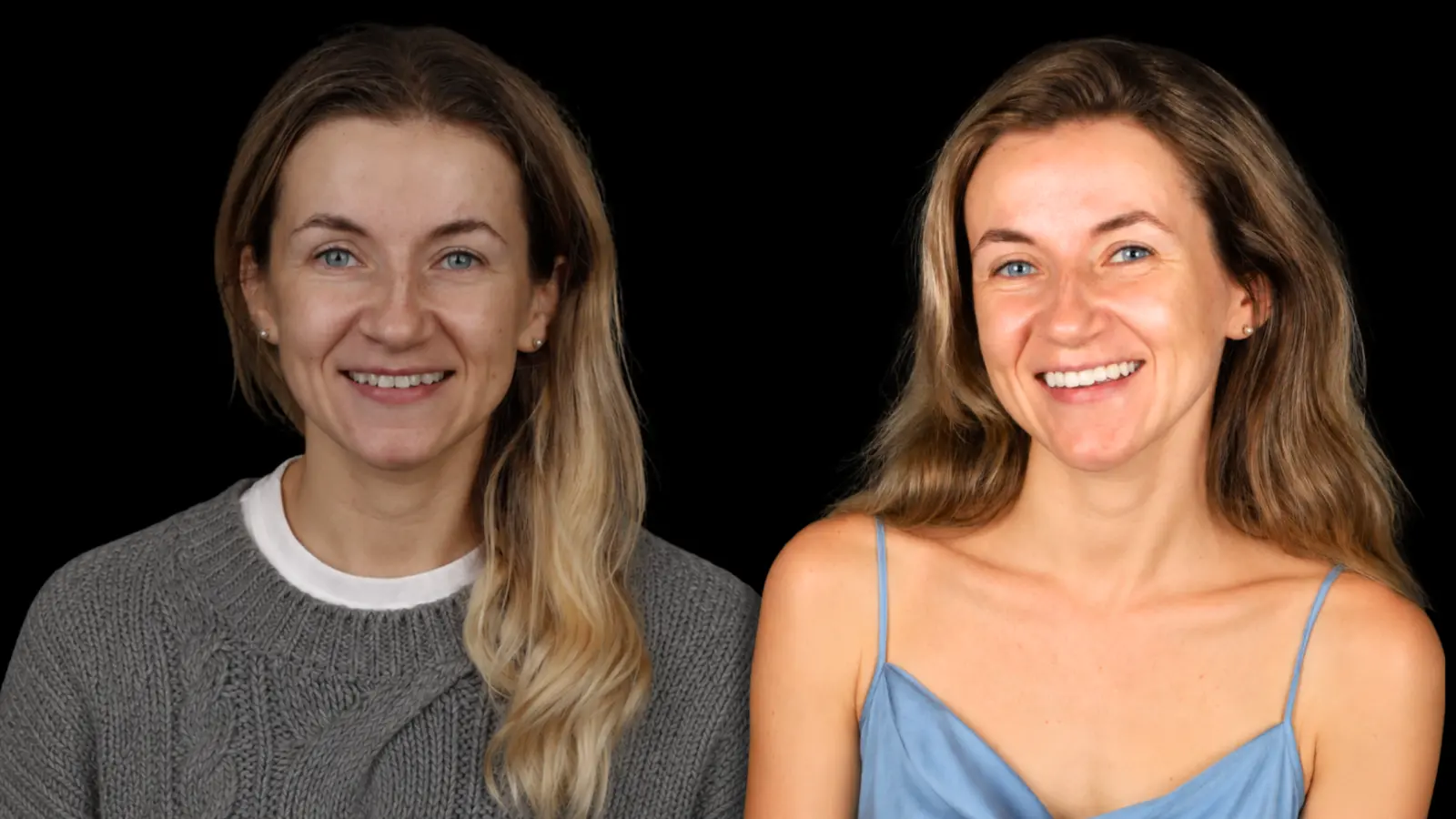
Discolouration has been removed and old, unaesthetic restorations have been replaced. The natural shape, proportions and harmony of the front teeth have been restored. Thanks to refractive veneers, the patient achieved a natural, bright and aesthetically pleasing smile that closely mimics natural teeth, combining durability, functionality and premium aesthetics.

Case 2: Implantology. Prosthetics

Diagnosis:

The patient presented with complaints of discomfort whilst chewing, increased tooth sensitivity and dissatisfaction with the appearance of her smile.

Treatments:

The first stage involved professional hygiene, comprehensive oral rehabilitation, therapeutic and endodontic treatment, the extraction of teeth that could not be restored, and implant placement.

Immediately following the surgical stage, temporary prosthetic restorations were fitted.
Six months
later, a prototype of the future smile was fabricated in the clinic’s own dental laboratory, FrankoLab.

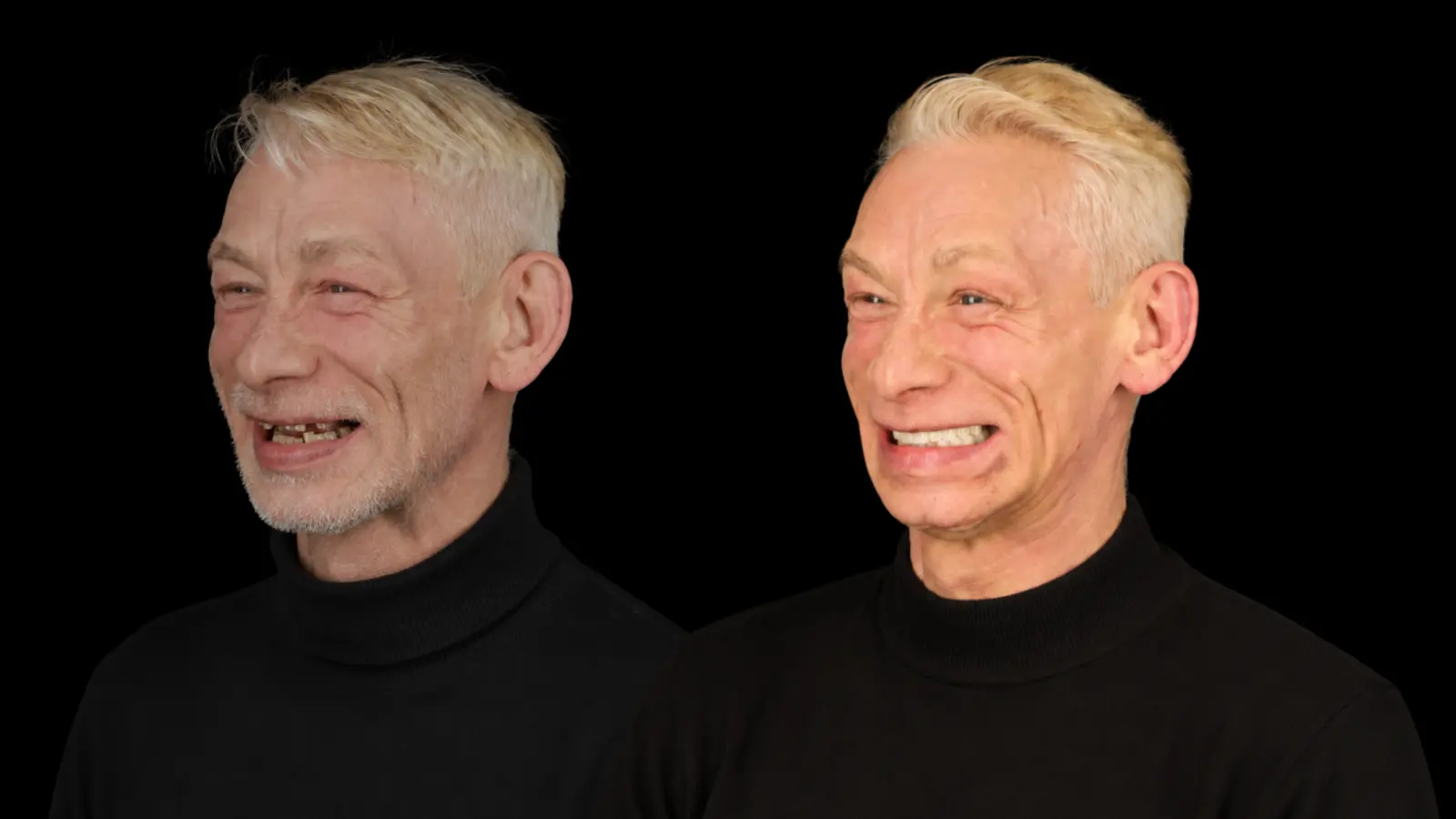
The final stage involved the fitting of 24 fully anatomical zirconia crowns onto the patient’s natural teeth and implants in the upper and lower jaws.

Result:

Full functional and aesthetic rehabilitation has been achieved. Tooth sensitivity has been eliminated, chewing efficiency has been fully restored, and a stable prosthetic structure and a natural, harmonious smile have been created.

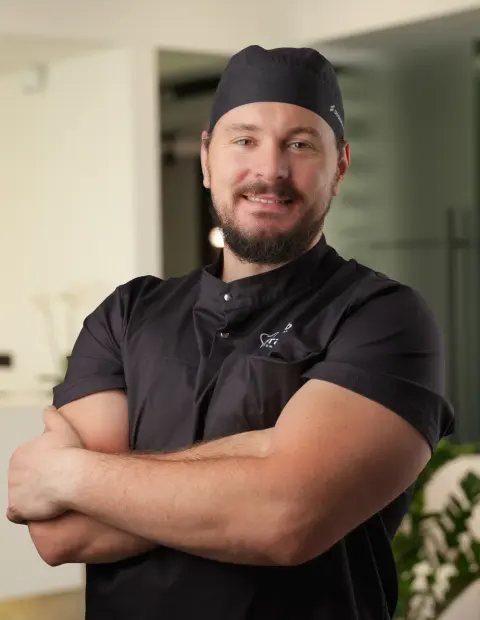
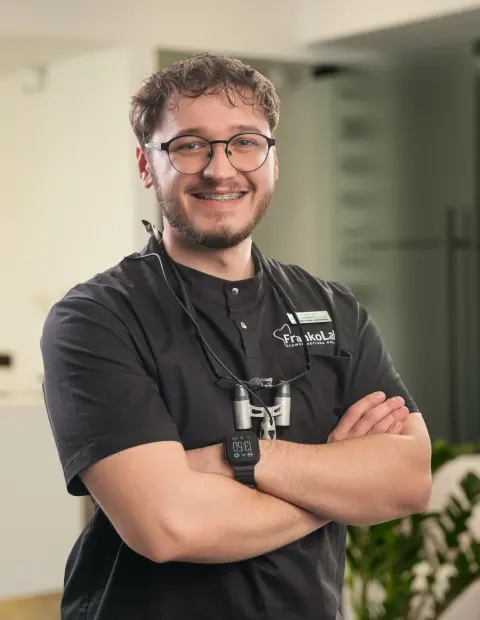
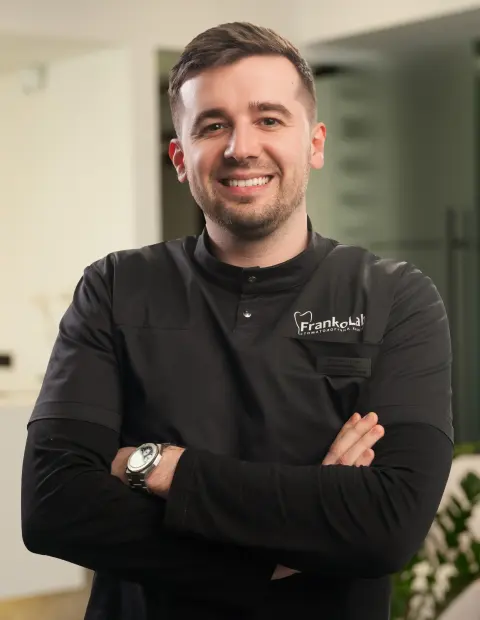
Doctors providing treatment

Patient reviews

4,9 Google rating All reviews on Google

Diana Kruk

08.07.2026

The clinic and service are of the highest standard – keep up the good work!

Ksenia Savenko

23.06.2026

I am very grateful to the whole FrankoLab team for the experience I’ve had with you. You are incredible! I wish you continued growth and prosperity, because the smiles you create are not only beautiful but also genuine, as seen on the faces of your grateful clients.

FrankoLab Dental Laboratory

Not sure whether you need to have a veneer or crown removed? Book a consultation — a dentist at FrankoLab Clinic will examine your tooth and give you a clear answer.

Why people choose FrankoLab Clinic for laser removal of crowns and veneers

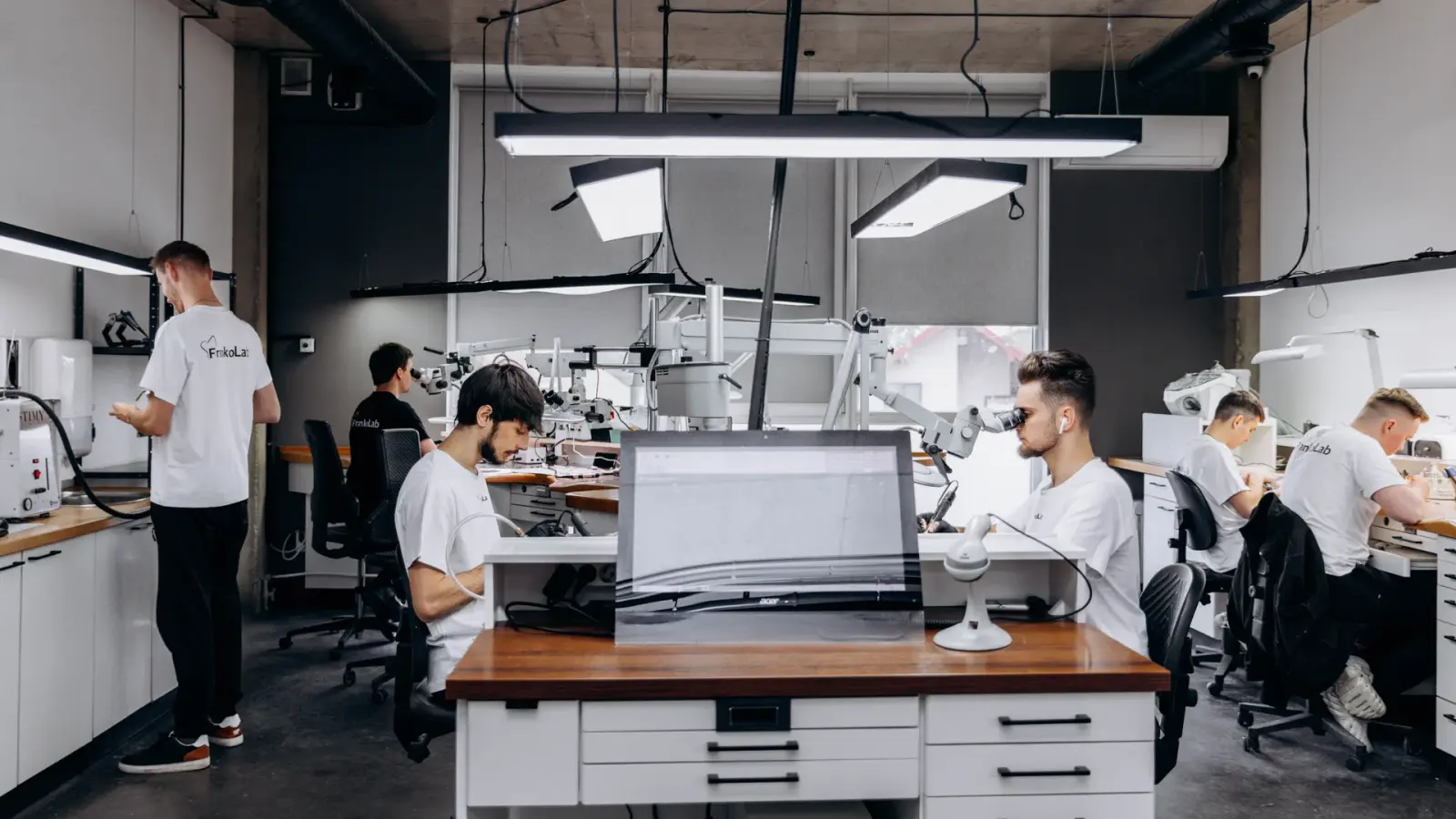
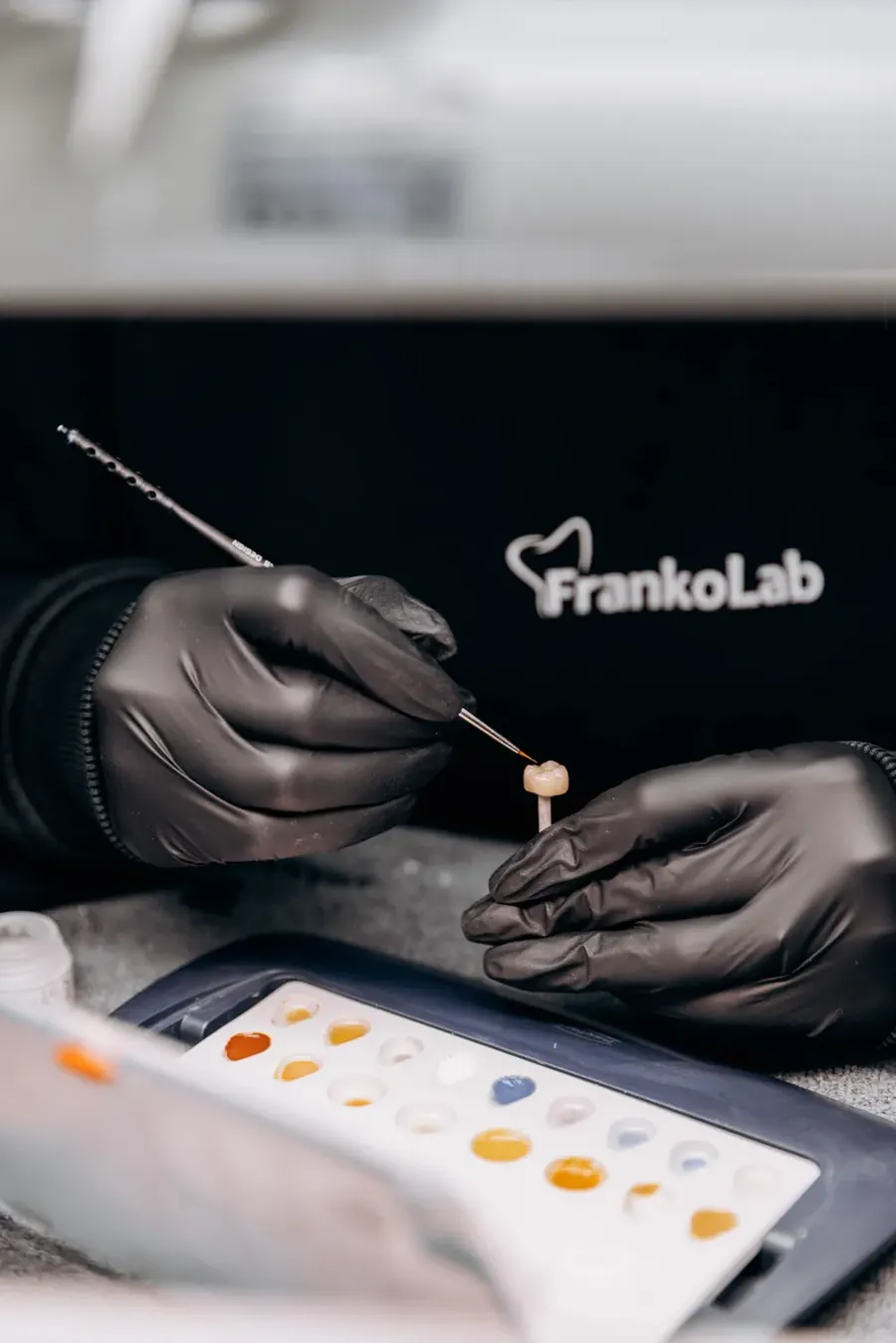
A FrankoLab dental technician works on a crown in the clinic’s in-house laboratory
01

Biolase Waterlase laser

This is certified, world-class equipment used by leading clinics in Europe and the USA. It ‘dissolves’ the bonding without the need for a drill, preserves tooth structure and reduces the risk of damage, overheating and discomfort. It helps to remove restorations quickly (veneers — sometimes in less than 1 minute, crowns — 5 minutes) and, where possible, even to preserve them for temporary or repeated use. The laser settings are tailored to the type of restoration and the condition of each patient’s tooth.

02

In-house full-service dental laboratory

One of the largest digital laboratories in western Ukraine (over 25,000 restorations per year). This enables us to control the entire process: from diagnosis and scanning to the fabrication of new crowns and/or veneers. Patients benefit from maximum precision, speed (often within 1–7 days) and a lower risk of errors compared to medical facilities that outsource their work.

03

A comprehensive approach and comfort

A full range of services under one roof (diagnosis, root canal treatment under a microscope, implants, orthodontics, prosthetics and more). We guarantee the quickest possible turnaround times, a personalised approach, the ability to handle complex cases and treatment options under sedation. For patients from abroad — we organise travel arrangements, transfers and hotel accommodation.

Frequently asked questions about the laser removal of veneers and crowns

Removal is necessary if the restoration is damaged, worn out, does not fit the bite correctly, or needs replacing for aesthetic reasons. Other indications include tooth decay or inflammation beneath the restoration, poor retention (detachment), an allergic reaction to the material, or the patient’s wish to replace an outdated restoration with a modern one.
Traditional removal involves mechanical pressure and, quite often, the use of a bur to grind away the crown or veneer, which increases the risk of damage to the tooth (particularly due to tissue overheating). The laser method targets the cementum specifically, without affecting the hard tissues of the tooth. The result is a painless, precise and significantly safer procedure.
In most cases, the procedure is painless and does not require anaesthesia. The Biolase Waterlase laser produces no pressure or vibration, and the beam is barely noticeable. If the patient has heightened sensitivity, the dentist will apply a local anaesthetic.
Removing a single veneer or crown usually takes 10–30 minutes, taking into account preparation and cleaning of the tooth surface. The total duration depends on the number of units, the strength of the cement, and whether additional gum correction is required. In complex cases, the procedure can sometimes take up to 1 hour.
Usually, no. The laser method is significantly less invasive than the mechanical method, so most patients find the procedure comfortable without the need for anaesthesia. Anaesthesia is only used where clinically indicated: high tooth sensitivity, severe anxiety or a complex clinical situation.
There are few absolute contraindications: the presence of a pacemaker (due to the possible effect of the laser on the electronics) and certain systemic diseases in the acute phase. Relative contraindications include pregnancy (first trimester), photosensitisation therapy and active inflammatory processes in the oral cavity. The dentist assesses the patient’s condition during the consultation and determines whether the laser method is suitable in a particular case; if there are any contraindications, they will assess whether these can be overcome.
Yes, and this is precisely why the laser method is the best choice. As the laser softens the cement without applying mechanical pressure, the veneer can be removed in one piece and the tooth surface remains undamaged. This is particularly important if further prosthetic work is planned.
Yes. The Biolase Waterlase laser effectively affects the cement bond between ceramic veneers and the tooth surface, regardless of the thickness and type of ceramic. At the same time, the ceramic is not damaged, so if the veneer is in good condition, it can theoretically be reused.
Yes. Zirconia is one of the most common materials used in modern prosthetic dentistry, and the laser method is successfully used to remove zirconia crowns. The laser beam acts on the cement rather than the crown material itself, so zirconia does not pose an obstacle to the procedure.
Yes, it is possible to remove bridgework using a laser; however, the procedure is somewhat more complex compared to removing single crowns, due to the larger area over which the bridge is fixed. The dentist assesses each restoration on a case-by-case basis: in some cases, the laser is combined with other methods to achieve the best possible result.

Book a consultation

Book a consultation and one of our managers will contact you shortly

+380 50 011 20 00

FrankoLab Clinic dental surgery

A healthy smile starts with the right decision

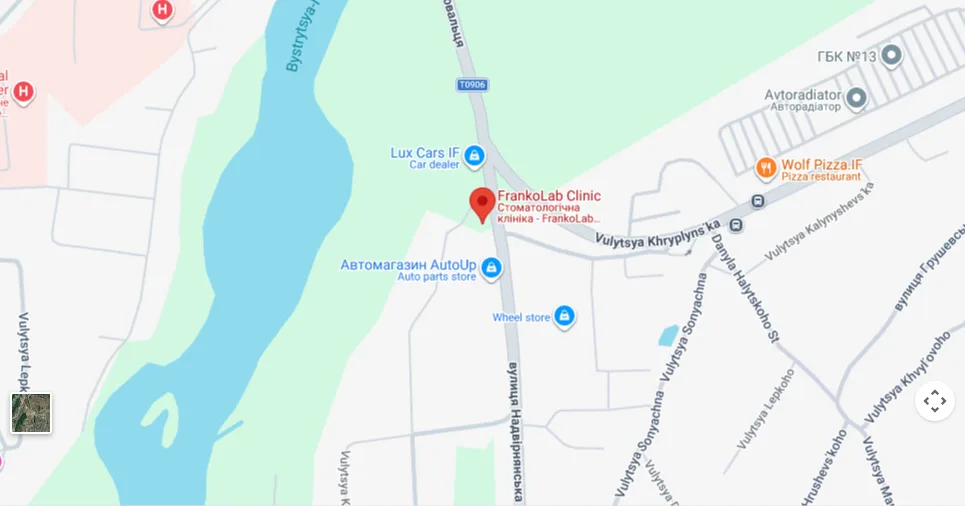
  • 77460, Ivano-Frankivsk, Cherniiv village, 2B Nadvirnianska Street
  • Mon–Sat 9.30 am–7.00 pm, Sun 10.00 am–7.00 pm
  • +380 50 011 20 00
Book a consultation
Map: 77460, Ivano-Frankivsk, village of Cherniiv, 2B Nadvirnianska Street