

EN
Cystectomy

Why choose FrankoLab:

  1. 01 We save the tooth — we only remove the cyst
  2. 02 State-of-the-art equipment and safe anaesthesia
  3. 03 Accurate pre-operative diagnosis using CT scans

Cystectomy: removal of a dental cyst in Ivano-Frankivsk

A dental cyst is a fluid-filled cavity in the jawbone that forms as the body’s defensive response to a chronic infection. Dental cysts can develop asymptomatically for years, gradually destroying the bone and threatening not only the tooth but also neighbouring structures. Timely treatment of dental cysts is not just about saving the tooth, but about preventing serious complications: from bone loss to suppurative processes. Currently, one of the most effective methods of treating dental cysts is a cystectomy.

A cystectomy is a modern tooth-preserving procedure that allows the cyst to be completely removed, along with its capsule, via an access point in the bone tissue. Unlike conservative methods, which are not always effective, cystectomy ensures the complete removal of the pathological formation, which means a minimal risk of recurrence.

Benefits of having a dental cyst removed at FrankoLab Clinic

Accurate diagnosis

Before treatment at our dental clinic, you will undergo a detailed examination and X-ray assessment. This enables us to accurately determine the size and location of the cyst and select the best course of treatment.

Tooth preservation

When treating dental cysts, our dentists use techniques aimed at preserving the natural tooth. Extraction is carried out only where strictly indicated, when there are no other options available.

Minimally invasive surgical procedure

To ensure dental cystectomy is carried out safely, our dentists use state-of-the-art instruments that allow them to work with precision and care. This improves the chances of saving the tooth, reduces swelling and speeds up tissue healing.

Effective pain relief

You will feel no pain during a cystectomy at our dental clinic. The procedure to remove a dental cyst is carried out under modern local anaesthesia. The dentist calculates the dosage taking into account the patient’s individual characteristics.

Infection control

At every stage of tooth extraction, our dental specialists adhere to modern protocols for safety, sterility and antiseptic practice. This significantly reduces the risk of post-operative complications and ensures the best possible outcome for everyone.

Comprehensive post-operative care

Our specialists provide patients with clear guidance on recovery, aftercare and follow-up appointments following surgical procedures, so that you feel cared for, protected and safe at every stage of your tooth cyst treatment at FrankoLab Clinic.

Indications for the removal of a dental cyst

A large cyst.

If a dental cyst has reached a diameter of more than 1–1.5 cm, surgical treatment is required, as conservative methods are no longer effective.

Progression of a cyst over time.

If follow-up X-rays confirm that the lesion is growing, this indicates that the inflammatory process is progressing.

Ineffectiveness of root canal treatment.

Following endodontic retreatment, the cyst does not shrink or continues to grow gradually.

Presence of clinical symptoms of a dental cyst.

Pain, swelling or a fistula with pus discharge indicate an active inflammatory process.

Treatment is technically impossible.

The presence of a crown, post or other fixed restoration complicates or precludes repeat root canal treatment.

Risk of damage to adjacent structures.

There is a possibility that a cyst on or near the root of a tooth may damage neighbouring teeth or nerve structures, or spread into the maxillary sinus.

Recurrence following previous treatment.

The recurrence of a dental cyst indicates the need for surgical removal of the pathological focus.

Planning for dental implants, prosthetics and orthodontic treatment.

Before restoring the dentition, it is important to completely eliminate the source of any chronic infection.

Significant bone loss.

Large cysts weaken the jaw and increase the risk of a pathological fracture.

How much does it cost to have a dental cyst removed?

The cost of a cystectomy depends on the size of the cyst, its location, the need for prior endodontic treatment and the use of osteoplastic materials. The exact price will be quoted by the dentist following diagnosis and planning of the operation. You can find an indicative price list for the treatment of a dental cyst at FrankoLab Clinic on our website.

The dentist will quote the final cost following an examination and diagnosis. Payment in instalments is available. Full price list for the clinic

Payment in instalments

We understand that dental treatment can be a significant financial commitment. FrankoLab Clinic offers a flexible payment policy: please do not hesitate to ask at reception about current promotions, available discounts and instalment plans. We work with partner banks and are always looking for ways to make treatment more affordable. Have your dental cysts removed in Ivano-Frankivsk at FrankoLab Clinic in good time, before complications arise, and pay without putting an immediate strain on your budget.

Stages of tooth cistectomy

01

Diagnosis and treatment planning

Our specialist carries out an X-ray or CT scan to determine the exact size, location and boundaries of the cyst, and examines the oral cavity. If root canals have not been treated or have been treated incorrectly, endodontic preparation is carried out.

02

Preparing for the procedure

Before removing a dental cyst, our dentists explain how the procedure works and answer any questions you may have. We review your medical history, allergies and any medication you are taking to choose the safest option for anaesthesia.

03

Anaesthesia

In most cases, a cystectomy is performed under local anaesthesia. The patient feels no pain during the procedure — only a slight sensation of pressure. For patients with high anxiety, we offer sedation.

04

Access to the cyst

The surgeon makes a small incision in the gums to gain access to the bone tissue, carefully removing a small fragment of bone from above the implant.

05

Cyst removal

The tooth cyst, together with its capsule, is completely removed from the oral cavity. This is a crucial step — it is important to remove the entire capsule to prevent a recurrence.

06

Root apex resection (where necessary)

If the tip of a tooth root is infected or damaged, our dental surgeon trims it back by 2–3 mm and treats it with antiseptics.

07

Cavity treatment

The cavity left after cyst removal is thoroughly treated with antiseptic solutions. If necessary, our specialist will insert osteoplastic materials to accelerate bone regeneration.

08

Wound suturing

The incision is sutured. The stitches are usually removed after 7–10 days.

09

Rehabilitation and follow-up care

The patient receives care advice, and the dentist prescribes painkillers and, if necessary, a course of antibiotics. A follow-up appointment and X-ray are scheduled in 3–6 months to assess bone tissue regeneration.

Prior to a cystectomy, diagnostic tests are always carried out: an X-ray or CT scan to accurately assess the size of the dental cyst, its location in relation to the tooth root and neighbouring structures. If the cyst is large or the tooth has not previously undergone endodontic treatment, preliminary root canal treatment is carried out. This makes it possible to eliminate the source of infection before the operation.

Removal of a dental cyst is carried out under local anaesthetic. A specialist at FrankoLab Clinic makes a small incision in the gums to gain access to the bone tissue, removes the cyst along with its lining, treats the cavity with antiseptics and, if necessary, performs a resection (trimming) of the tip of the tooth root if it is infected. The wound is then sutured. The tooth is preserved during this procedure.


Guarantees of safety and professionalism

At FrankoLab Clinic, cystectomies are performed by experienced dental surgeons in accordance with modern safety protocols. We use high-quality anaesthesia, sterile instruments and microsurgical techniques, which minimise tissue trauma and speed up healing. Each operation is planned individually based on a detailed diagnosis — we do not proceed at random, but know precisely: the location of the cyst, its size and how to remove it with minimal intervention.

What is a dental cyst and why does it need to be removed?

A dental cyst is a hollow formation in the jawbone, filled with fluid and lined with a membrane on the inside. It forms as the body’s defensive response to a chronic infection — usually around the tip of a tooth root with a poorly treated root canal or following trauma.

The main causes of dental cysts:

  • Poor-quality root canal treatment — an infection left in the canal stimulates the development of a cyst;
  • chronic periodontitis (inflammation around the root apex);
  • tooth injury (even an old one, where the nerve was damaged);
  • complications following tooth extraction;
  • Difficult eruption of wisdom teeth (follicular cysts).

A cyst will not disappear on its own — it slowly, but steadily grows, destroying the bone, and there is a risk that it may lead to tooth loss, infection of neighbouring teeth, a pathological fracture of the jaw or invasion into the maxillary sinus. Conservative treatment is effective only for small cysts (up to 5–8 mm). In all other cases, surgery is required — it is the only effective solution.

Our patients’ results

Case Study 4: Comprehensive dental restoration using crowns and veneers

Diagnosis:

Complete loss of dental function due to teeth that could not be saved. The patient required comprehensive rehabilitation of both jaws, restoring both chewing function and aesthetics.

Treatments:

All teeth that could not be saved were extracted. In the first stage, 4 implants were placed in the upper jaw and 6 in the lower jaw. During the next stage of treatment, a further 2 implants were placed in the upper jaw. As a result, the permanent prosthetic restoration will be anchored to six implants in the upper jaw and six implants in the lower jaw, providing a secure foundation for the future prosthesis.

Result:

The patient has successfully completed the surgical stages of treatment and is preparing for the final prosthetic restoration. The chosen rehabilitation approach ensures maximum stability of the restoration, even distribution of the chewing load, long-lasting results and a high level of comfort.

Doctors providing treatment

Patient reviews

4,9 Google rating All reviews on Google

Diana Kruk

08.07.2026

The clinic and service are of the highest standard – keep up the good work!

Ksenia Savenko

23.06.2026

I am very grateful to the whole FrankoLab team for the experience I’ve had with you. You are incredible! I wish you continued growth and prosperity, because the smiles you create are not only beautiful but also genuine, as seen on the faces of your grateful clients.

FrankoLab Dental Laboratory

Are you worried about a tooth cyst? Save your tooth. Book a consultation for a cystectomy in Ivano-Frankivsk at FrankoLab Clinic.

Why do people choose FrankoLab Clinic for tooth extraction?

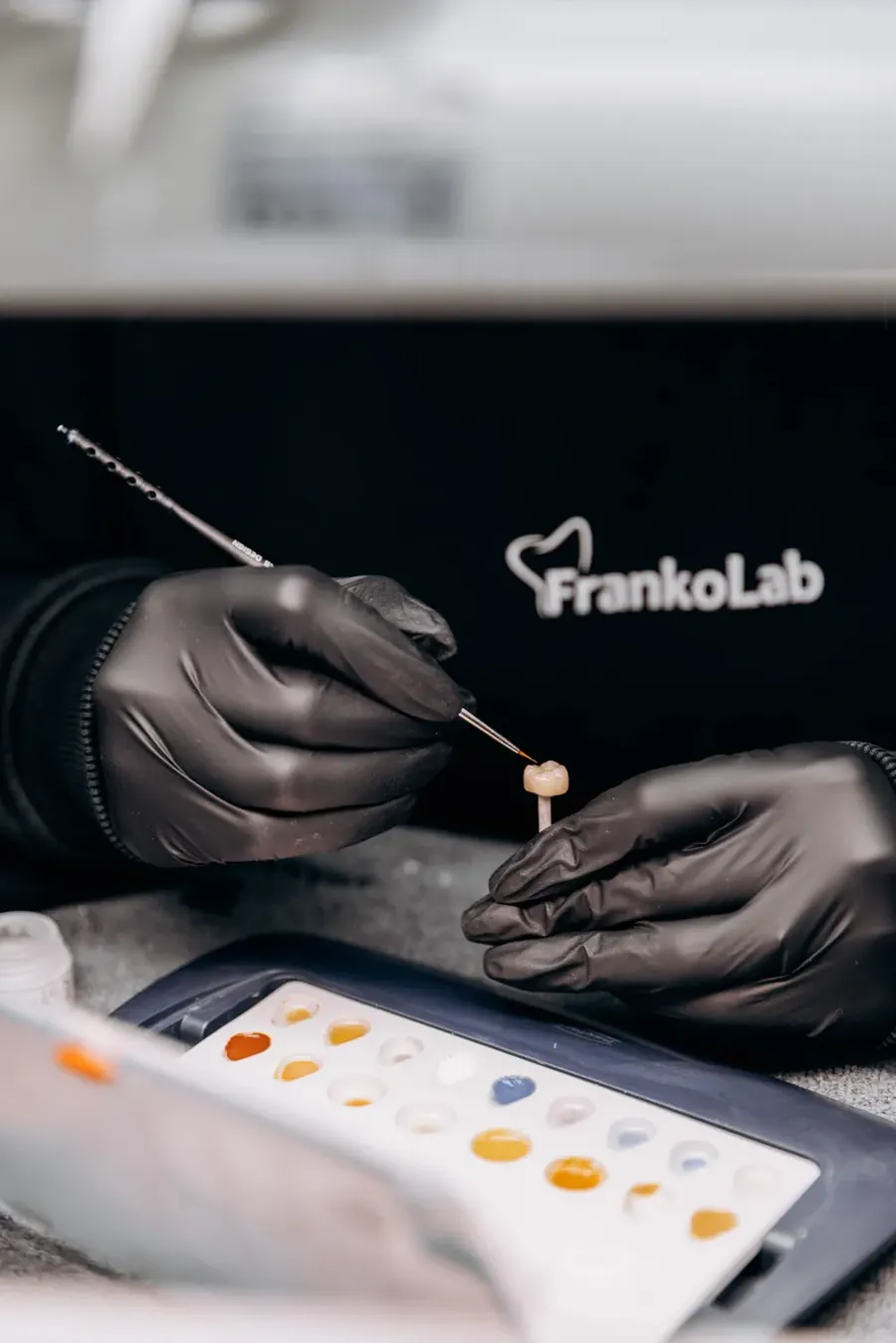
A FrankoLab dental technician works on a crown in the clinic’s in-house laboratory
01

Experience and team of specialists.

If you require a dental cyst to be removed, at FrankoLab Clinic the treatment is carried out by doctors with experience in surgical dentistry. They deal with complex clinical cases and use modern techniques that enable the cyst to be removed as precisely as possible, with minimal tissue trauma (including preservation of the tooth) and a predictable healing outcome.

02

State-of-the-art equipment and innovative technologies.

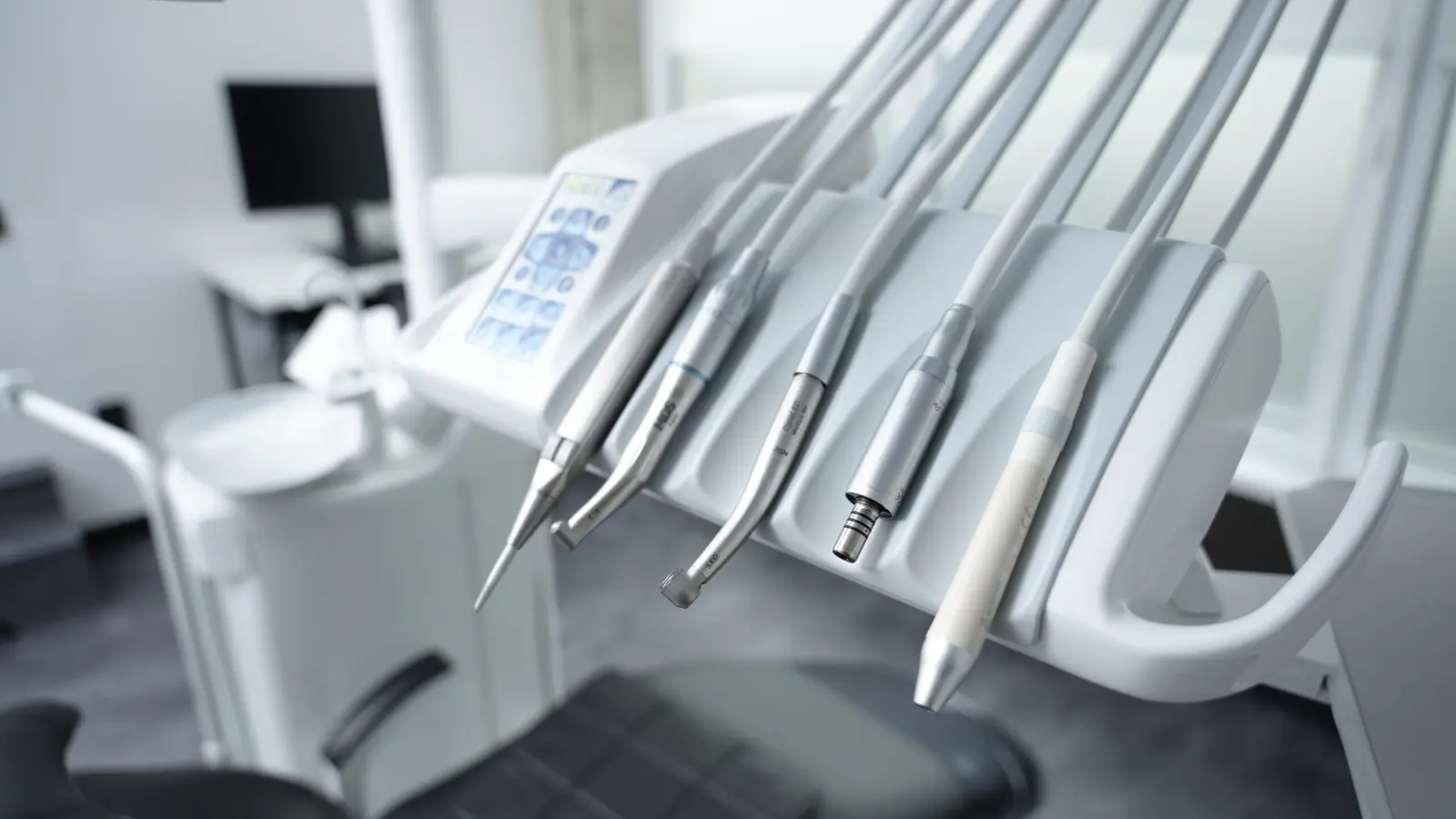
To remove a dental cyst, our clinic uses state-of-the-art diagnostic and surgical equipment. Before the operation, you will undergo a 3D scan to ensure precise planning of the procedure, whilst microsurgical instruments and high-quality anaesthesia will ensure the procedure is carried out safely and comfortably.

03

Personalised treatment plan.

Before removing a dental cyst, the dentist carries out a detailed diagnosis and assesses the specific features of the clinical situation. A personalised treatment plan is drawn up, taking into account the size of the cyst, the condition of the tooth and bone tissue, and the patient’s overall dental health. This enables the safest and most effective treatment approach to be selected.

04

Comprehensive patient care.

At our clinic, patients receive support at every stage of tooth cyst treatment: from the initial consultation through to full recovery. Our dentists monitor the recovery process, provide clear guidance and remain in contact to ensure a comfortable and safe post-operative recovery.

05

Transparent treatment costs.

Before undergoing dental cystectomy, the patient receives full information about the scope of the procedure and its cost. All stages of treatment are discussed in advance, with no hidden charges. If required, the reception staff will help arrange a convenient payment method and schedule.

Frequently asked questions about ‘cystectomy’ in dentistry

In the early stages, a cyst usually has no symptoms and is discovered incidentally on an X-ray. When it reaches a significant size or becomes infected, symptoms such as pain when pressing on the tooth or whilst chewing may appear, intermittent swelling of the gums around the tooth root, a fistula in the gums, a sensation of ‘fullness’ or pressure in the jaw, facial asymmetry due to soft tissue swelling, and tooth mobility (in severe cases). If you notice at least one of these symptoms, see your dentist. An X-ray or CT scan is required for an accurate diagnosis.
Small cysts (up to 5–8 mm) can sometimes be treated conservatively: high-quality endodontic retreatment of root canals, involving the application of medication beyond the root apex, may encourage the cyst to shrink and eventually disappear. However, this does not always work. And even if successful, the process takes between 6 months and a year and requires follow-up X-rays. Large cysts (over 1 cm) cannot be treated conservatively — surgery is required. Furthermore, if a cyst recurs following endodontic treatment, it is best to book an appointment straight away to have the dental cyst removed.
A cyst will not disappear on its own; it will continue to grow. Possible consequences:
  • tooth loss due to the destruction of the underlying bone;
  • infection of neighbouring teeth;
  • extensive bone loss in the jaw;
  • pathological fracture of the jaw (in cases of large bones);
  • a cyst extending into the maxillary sinus (in the upper jaw) with the development of chronic sinusitis;
  • purulent complications (abscess, phlegmon, osteomyelitis);
  • facial deformity due to the large size of the cyst.
Yes. The main preparatory steps involve diagnostics (CT scan or X-ray) and, in most cases, preliminary endodontic treatment of the tooth. If the root canals have not been treated or have been treated incorrectly, they must be properly treated prior to the operation. This eliminates the source of infection and increases the chances of a successful cystectomy. In addition, the following are sometimes required: oral hygiene (professional cleaning and/or treatment of tooth decay), blood tests, and discontinuation of anticoagulants (in consultation with the doctor who prescribed them). You should eat before the operation; do not come on an empty stomach (unless our specialist has recommended otherwise during your preliminary consultation).
The duration of the procedure depends on the size of the cyst, its location and accessibility. On average, a cystectomy takes 30–60 minutes. If the cyst is small and clearly visible, the procedure is sometimes quicker. If the cyst is large, located in a complex anatomical area (near a nerve or the maxillary sinus) or requires root resection, it takes longer, up to 1.5 hours.
No, a cystectomy is specifically a tooth-preserving procedure. The aim is to remove the cyst whilst preserving the tooth. Tooth extraction may only be necessary in a few cases:
  • the tooth root has been completely destroyed by a cyst;
  • the tooth is excessively loose and cannot be saved;
  • the cyst is so large that the tooth has lost its functional value;
  • The patient themselves wants to have a tooth extracted and an implant fitted.
However, in such situations, a tooth extraction is scheduled immediately following diagnosis.
A cystectomy is the complete removal of a cyst, together with its lining, in a single operation. It is a radical procedure with a minimal risk of recurrence. It is indicated for cysts up to 2–3 cm in size. A cystotomy, on the other hand, involves the partial removal of one wall of the cyst to create an opening for draining its contents. The cyst cavity gradually shrinks on its own over the course of several months. This method is used less frequently — mainly for very large cysts, when complete removal is technically difficult or risks damaging important anatomical structures.
External healing — stitches are removed after 7–10 days. The gums heal and look normal after 2–3 weeks. Full regeneration of bone tissue in the cavity left by the cyst takes between 3 and 6–12 months, depending on the size of the cyst.
Provided that the treatment protocol and post-operative recommendations are followed, complications are rare. However, they are possible. Risks include:
  • Soft tissue swelling is a normal reaction and usually subsides within 3–5 days;
  • Pain — managed with painkillers; it is most intense during the first 2–3 days;
  • bruising on the cheek or gums;
  • bleeding (rare, more common in patients with blood clotting disorders);
  • infection of the oral cavity (if hygiene recommendations and antibiotic regimens were not followed);
  • recurrence of a cyst, etc.
Recovery following the removal of a dental cyst usually takes from a few days to several weeks. Swelling and moderate discomfort may occur during the first 24–48 hours. The dentist prescribes medication, provides advice on oral hygiene and diet, and schedules an appointment for the stitches to be removed. It is important to avoid physical exertion, overheating, and injury to the surgical site, as well as to refrain from smoking and drinking alcohol. A follow-up examination allows the healing process to be assessed and helps prevent complications. Full recovery of bone tissue occurs gradually, over a period of months.
There are almost no absolute contraindications — a cyst must be removed in any case. However, there are relative contraindications where it is better to postpone the operation or carry it out after preparatory treatment. These include acute infectious diseases (acute respiratory viral infections, flu), uncontrolled diabetes, blood clotting disorders, active-phase cancer (particularly during chemotherapy and radiotherapy), severe decompensated cardiovascular diseases, and pregnancy (particularly the first and third trimesters). In most cases, the operation is possible following consultation with a specialist and appropriate preparation.

Book a consultation

Book a consultation and one of our managers will contact you shortly

+380 50 011 20 00

FrankoLab Clinic dental surgery

A healthy smile starts with the right decision

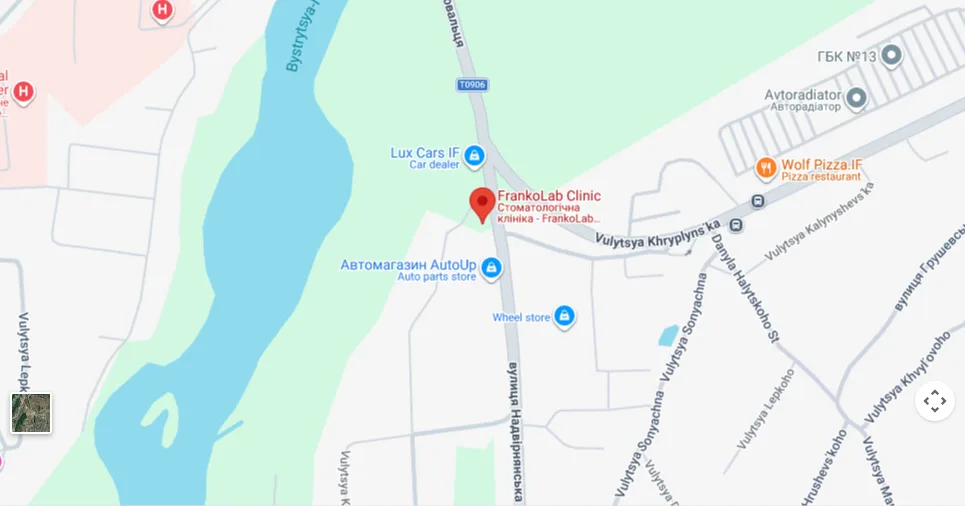
  • 77460, Ivano-Frankivsk, Cherniiv village, 2B Nadvirnianska Street
  • Mon–Sat 9.30 am–7.00 pm, Sun 10.00 am–7.00 pm
  • +380 50 011 20 00
Book a consultation
Map: 77460, Ivano-Frankivsk, village of Cherniiv, 2B Nadvirnianska Street