EN
Wisdom tooth extraction

Why choose FrankoLab:

  1. 01 Pain-free treatment with high-quality anaesthesia
  2. 02 Simple and complex wisdom teeth — one appointment
  3. 03 Minimal trauma and rapid healing

Wisdom tooth extraction in Ivano-Frankivsk

Wisdom teeth (third molars, or ‘eights’) are the last pair of teeth to erupt in an adult; this usually occurs between the ages of 17 and 25.

Due to a lack of space in the jaw, they often grow in incorrectly, remain impacted (fail to erupt fully) or cause a whole range of dental problems.

Indications for wisdom tooth extraction

Impacted wisdom teeth

A wisdom tooth has not fully erupted or remains embedded in the bone. This is often accompanied by pain, inflammation and pressure on neighbouring teeth. This condition increases the risk of infection and complications, so the tooth usually needs to be surgically removed.

Dystopia (malposition)

A wisdom tooth may grow at an angle, horizontally, or press against an adjacent tooth. This creates constant pressure, which can cause pain and the gradual deterioration of the root or enamel of the adjacent molar, as well as affecting the bite.

Wisdom tooth decay

As wisdom teeth are difficult to access, it is hard to clean them properly. This contributes to the development of tooth decay, which is often only detected at a late stage. Treatment is complicated, so in many cases it is advisable to have the wisdom tooth extracted.

Pericoronitis

This is inflammation of the gums over a partially erupted wisdom tooth. Bacteria and food debris accumulate under the ‘capsule’. This causes pain, swelling, an unpleasant odour and possibly pus-like discharge. Without treatment, the condition usually worsens rapidly.

Cyst or granuloma

A cyst or granuloma may form around the root of a wisdom tooth. These are chronic inflammatory growths that gradually destroy bone tissue. They are often asymptomatic and are only detected during an X-ray.

Pressure on adjacent teeth

Wisdom teeth often displace the dental arch and exert excessive pressure on the adjacent molar. This leads to pain, crowding of the teeth and even damage to them. In such cases, elective extraction is recommended without delay.

Preparing for orthodontic treatment

Before fitting braces or aligners, the dentist usually recommends having wisdom teeth removed. This helps to create space in the dental arch, reduce the risk of teeth shifting out of position and ensure a stable treatment outcome.

Preparing for prosthetics or implants

Wisdom teeth can sometimes interfere with the proper planning of prosthetic treatment and implant placement. Their removal creates the ideal conditions for fitting dental restorations and helps to achieve a long-lasting and predictable result.

How much does it cost to have a wisdom tooth removed?

The cost of wisdom tooth extraction depends on the complexity of the procedure: the position of the tooth, the degree of impaction, the anatomy of the roots, the extent of the surgical intervention and the type of anaesthesia (pain relief, sedation, general anaesthesia). Below are indicative prices. We determine the exact cost following an examination and assessment of the X-ray. We always agree on the price before the extraction begins — with no unexpected additional charges.

The dentist will quote the final cost following an examination and diagnosis. Payment in instalments is available. Full price list for the clinic

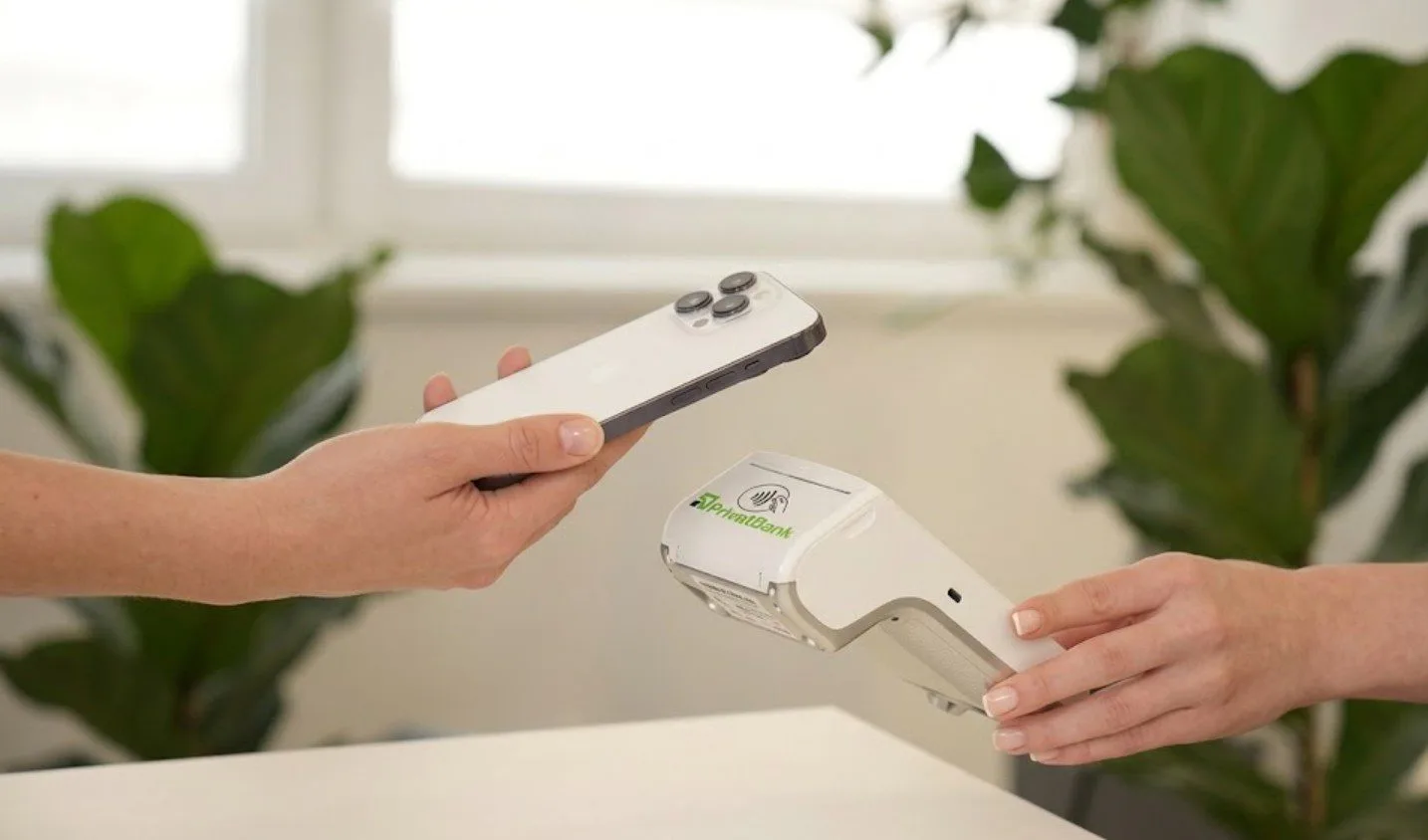
Payment in instalments

FrankoLab Clinic offers convenient options for paying for dental treatment in instalments: through the clinic’s own instalment plan and payment plans from partner banks.

Please check with the clinic administrator for further details when booking an appointment.

Stages of wisdom tooth extraction

01

Consultation and X-rays

The dentist examines the mouth, analyses the X-ray and determines the complexity of the procedure — whether it will be a simple extraction or a surgical one under anaesthesia.

02

Anaesthesia

The area is numbed with a local anaesthetic or general anaesthesia is administered (the clinic is equipped with Dräger anaesthesia units featuring advanced vital signs monitoring). We do everything we can to ensure you feel no pain during the procedure.

03

Tooth extraction

For a simple extraction, the surgeon loosens and removes the tooth using forceps and an elevator. For a complex extraction, we first make an incision in the gums and, if necessary, drill out part of the bone or divide the tooth into fragments.

04

Preparation of the socket

We clear the socket of any remaining tissue and bone fragments. In cases of complex surgical extraction, we always apply dissolvable stitches.

05

Blood clot formation

The patient is given a sterile swab to apply pressure — this forms a protective blood clot in the socket, which prevents blood loss.

06

Post-operative advice

Our experts explain in detail the aftercare guidelines following the removal of a wisdom tooth and, if necessary, prescribe painkillers and a course of antibiotics.

Wisdom tooth extraction: why it’s important to have them removed in good time

The timely removal of wisdom teeth where indicated is not a whim, but a well-founded decision that protects neighbouring teeth from damage, prevents chronic inflammation and maintains correct bite alignment. Delaying the procedure, on the other hand, often complicates the operation and prolongs recovery. At FrankoLab Clinic, following the surgical removal or extraction of a wisdom tooth, the socket is cleaned, stitches are applied, a sterile swab is inserted to control bleeding, and detailed recovery advice is provided.

Preparing for wisdom tooth extraction

Wisdom tooth extraction is a dental surgical procedure to remove the third molar from the jaw socket. Depending on the position of the tooth and the extent to which it has erupted, the operation can be straightforward (if the tooth has fully erupted and is accessible, it is relatively easy to extract the wisdom tooth) or complex (an impacted or malpositioned tooth requires an incision in the gums and/or partial drilling of the bone).

Preparation for wisdom tooth extraction includes:

  • A consultation with a dental surgeon, including an examination and X-rays (we usually recommend a CT scan).
  • Assessment of the position of the tooth, its roots and proximity to the mandibular canal (for lower ‘wisdom teeth’).
  • Any acute inflammatory conditions in the mouth must be treated before the planned extraction of wisdom teeth.

Discussion of any chronic conditions (particularly heart and vascular conditions, high and low blood pressure) and allergies, medication (particularly blood-thinning medication), dietary guidelines and restrictions.

Safety and professionalism in wisdom tooth extraction at FrankoLab

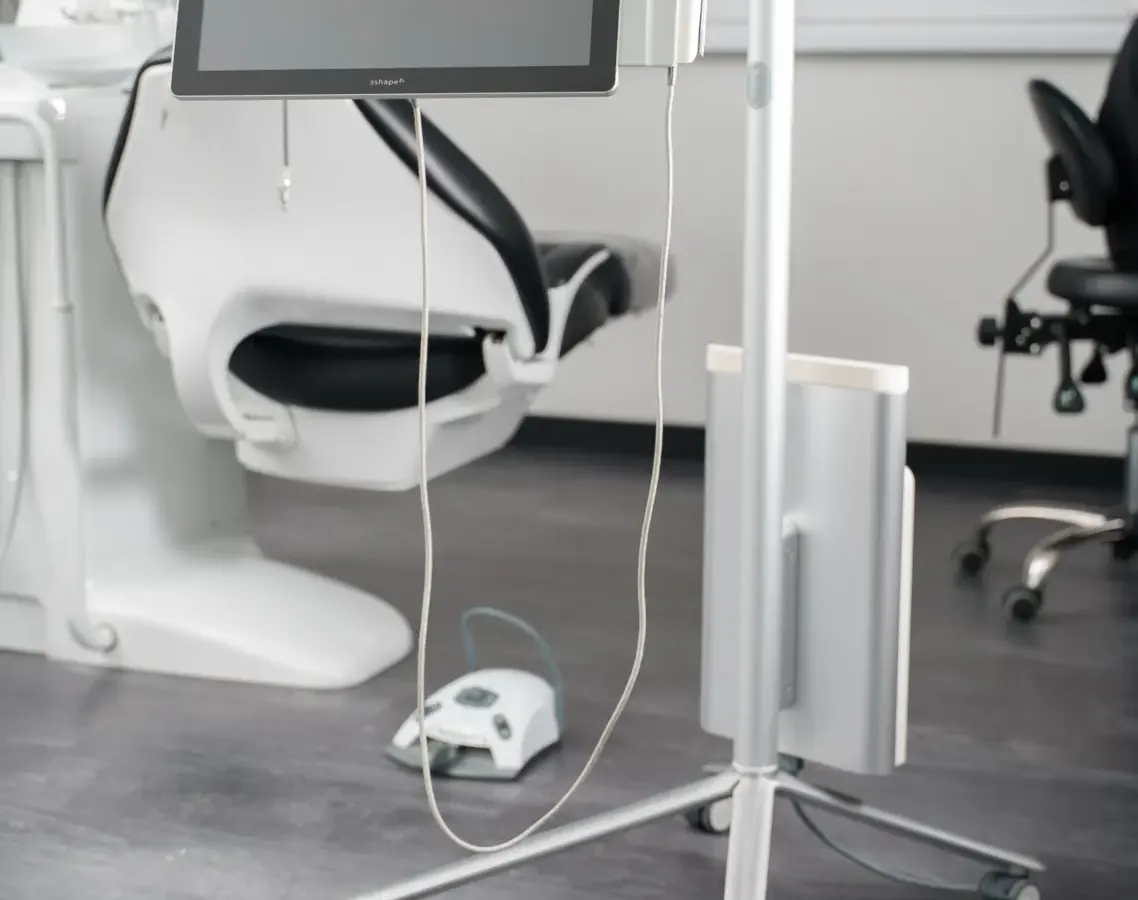
We carry out wisdom tooth extractions in Ivano-Frankivsk at FrankoLab Clinic in a surgical suite equipped with all the necessary facilities (including the premium-class Planmeca Compact dental unit), and in compliance with standards of sterility and antiseptic practice (the clinic has an Axyia Plus B autoclave, which destroys 100 per cent of bacteria, viruses and fungal spores).

The clinic’s surgeons have proven qualifications and over 10 years’ experience in performing both simple and complex operations to remove impacted and malpositioned ‘wisdom teeth’.

What you need to know about wisdom tooth extraction

After a wisdom tooth is extracted, a blood clot forms in the socket — this acts as a natural defence against infection and provides the basis for tissue regeneration. This is precisely why you must absolutely not rinse your mouth for the first 24 hours, drink through a straw or smoke — this leads to a ‘dry socket’ (alveolitis), which is accompanied by severe pain and, sometimes, bleeding. This usually requires further treatment.

A distinctive feature of wisdom tooth extraction is that swelling (sometimes quite severe) is a normal bodily reaction. It peaks on the 2nd or 3rd day and gradually subsides. Applying cold in the first few hours (for 15 minutes at a time with breaks) helps to reduce the swelling. However, if the swelling worsens after the third day, or if you develop a fever or notice discharge from the socket, you should contact the clinic immediately.

Our patients’ results

Case Study 4: Comprehensive dental restoration using crowns and veneers

Diagnosis:

Complete loss of dental function due to teeth that could not be saved. The patient required comprehensive rehabilitation of both jaws, restoring both chewing function and aesthetics.

Treatments:

All teeth that could not be saved were extracted. In the first stage, 4 implants were placed in the upper jaw and 6 in the lower jaw. During the next stage of treatment, a further 2 implants were placed in the upper jaw. As a result, the permanent prosthetic restoration will be anchored to six implants in the upper jaw and six implants in the lower jaw, providing a secure foundation for the future prosthesis.

Result:

The patient has successfully completed the surgical stages of treatment and is preparing for the final prosthetic restoration. The chosen rehabilitation approach ensures maximum stability of the restoration, even distribution of the chewing load, long-lasting results and a high level of comfort.

Doctors providing treatment

Patient reviews

4,9 Google rating All reviews on Google

Diana Kruk

08.07.2026

The clinic and service are of the highest standard – keep up the good work!

Ksenia Savenko

23.06.2026

I am very grateful to the whole FrankoLab team for the experience I’ve had with you. You are incredible! I wish you continued growth and prosperity, because the smiles you create are not only beautiful but also genuine, as seen on the faces of your grateful clients.

FrankoLab Dental Laboratory

Is your wisdom tooth causing you trouble? Don’t wait until it gets worse. Book a consultation — we’ll take an X-ray and let you know whether surgery is necessary in your particular case.

Why people choose FrankoLab Clinic for wisdom tooth extraction

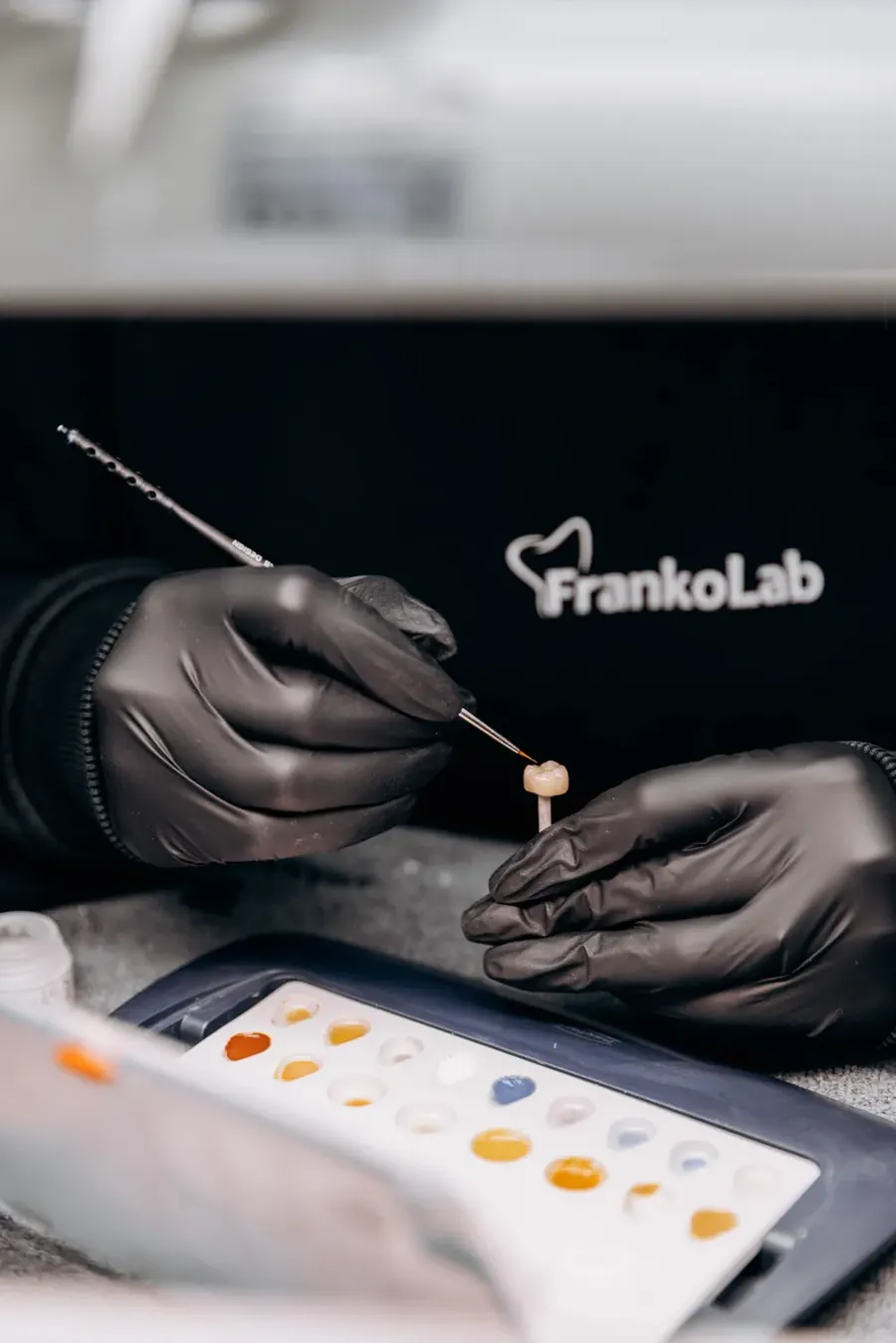
A FrankoLab dental technician works on a crown in the clinic’s in-house laboratory
01

Experience in complex extractions

Our surgeons extract between 1,000 and 3,000 wisdom teeth every year. These include impacted, malpositioned and horizontally positioned ‘eights’, including lower wisdom teeth adjacent to the mandibular canal.

02

Modern, pain-free anaesthesia

We use high-quality local anaesthetics administered using the carpule technique and, if necessary (particularly in very complex cases), general anaesthesia — the procedure is pain-free; under local anaesthesia, the patient feels only slight pressure.

03

On-site X-ray diagnostics

Before any procedure, we always take an X-ray to accurately assess the position of the roots and any risks. You don’t need to travel anywhere or waste time waiting – we have our own J. Morita 3D Accuitomo 170 CT scanner.

04

Minimal tissue trauma

We take great care to preserve as much oral tissue as possible, as we know this helps speed up healing and reduces the risk of complications. It is very important to us that you are able to get back to your normal life as quickly as possible.

05

Infection control

A sterile environment is an essential requirement for the safety of dental procedures. For us, the use of disposable instruments (where possible) and strict adherence to antiseptic protocols at every stage of treatment are non-negotiable.

06

Comprehensive post-operative care

Patients receive detailed advice and can contact our clinic at any time should they have any questions or experience any complications during the post-operative period. It is important to us that our patients feel cared for and supported at every stage.

Frequently asked questions about wisdom tooth extraction

Special preparation is only required in certain cases. General recommendations: eat 2–3 hours before the procedure (to avoid dizziness from the anaesthetic), refrain from smoking and drinking alcohol for at least 24 hours before the extraction, inform your dentist about any medication you are taking (particularly blood-thinning medication) and any chronic conditions you have. If there is an active inflammatory process in the oral cavity (pericoronitis, an abscess, etc.), we first treat the acute phase and only then proceed with the planned extraction of the wisdom teeth.
This is determined on a case-by-case basis. In most cases, we extract one tooth per visit. The simultaneous extraction of two wisdom teeth (for example, two lower ones or one upper and one lower on the same side) is possible provided the extraction is straightforward and the patient’s general health is satisfactory. We do not usually recommend the simultaneous extraction of teeth on both sides of the jaw and all four wisdom teeth (even under general anaesthesia), as this significantly impairs chewing and the recovery process.
During the procedure — no. Anaesthesia reliably blocks any sensation of pain. With local anaesthesia, the patient may sometimes feel pressure and vibration, but no pain. Once the anaesthetic has worn off (after 2–5 hours), there may be some mild pain, which can be easily relieved with standard painkillers. Patients generally experience the most discomfort on the first or second day after extraction.
The most common complication is alveolitis (dry socket): this occurs when the blood clot is dislodged prematurely and is accompanied by severe pain. Less common complications include: infection of the socket, paraesthesia (temporary numbness of the lip or chin following the removal of lower ‘wisdom teeth’), and bleeding. All these conditions respond well to treatment provided the patient seeks medical attention in good time.
Before having a wisdom tooth removed, many people ask this very question. And the answer is: not always. Antibiotics are prescribed only under strict medical indications: for complex surgical removal of an impacted tooth, the presence of active inflammation prior to surgery, or an increased risk of infectious complications (compromised immune system, systemic diseases). For straightforward extractions in healthy patients, antibiotic treatment is not usually necessary.
The mucous membrane over the socket heals within 2–4 weeks. Full regeneration of bone tissue in the socket takes between 3 and 6 months. Significant discomfort and swelling usually subside within 5–7 days following a simple extraction, and within 10–14 days following a complex surgical procedure.
We do not recommend eating or drinking for 2 hours after the procedure. For the first 24 hours, food should be soft and at room temperature: soups, purées, yoghurts. Avoid hot, cold and hard foods. Do not drink through a straw — this can dislodge the blood clot from the socket. Alcohol and smoking are prohibited for at least 3–5 days after having a wisdom tooth removed; ideally, you should allow even more time for the mucous membrane to recover and the socket to heal.
During the first 24 hours: do not rinse your mouth, do not touch the socket with your tongue, and apply a cold compress to your cheek (for 15 minutes every 30 minutes). From the second day onwards — gentle antiseptic mouthwashes (do not rinse!): hold the solution in your mouth without moving it around. Throughout the recovery period, you should brush your teeth, avoiding the area around the socket, and take the prescribed medication. If you experience severe pain after the third day, a rise in temperature or unusual discharge, contact the clinic immediately. We will provide more detailed care instructions during your recovery immediately after we have extracted your wisdom tooth.
Following a complex extraction, we schedule a follow-up appointment in 7–10 days to check healing and, if necessary, remove non-absorbable stitches. Following a simple extraction, we carry out a follow-up appointment as required — if there are any complaints. In any case, the patient may contact the clinic at any time after the operation.
Contraindications to wisdom tooth extraction include: acute infectious diseases (acute respiratory viral infections, flu), exacerbations of chronic conditions, decompensated diabetes mellitus or hypertension, taking anticoagulants without consulting a cardiologist, and pregnancy (usually only during the first trimester). In these cases, the dentist will choose the optimal time for the procedure, taking into account the patient’s general condition.

Book a consultation

Book a consultation and one of our managers will contact you shortly

+380 50 011 20 00

FrankoLab Clinic dental surgery

A healthy smile starts with the right decision

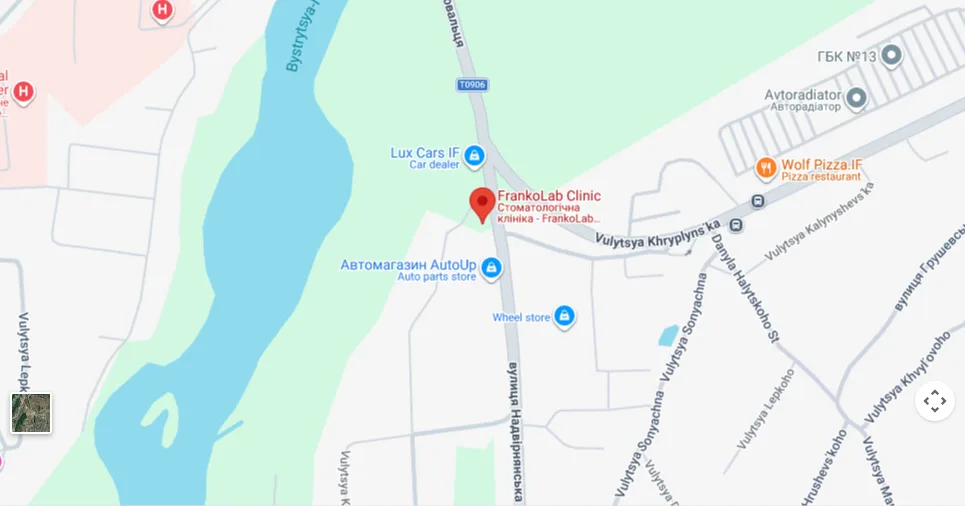
  • 77460, Ivano-Frankivsk, Cherniiv village, 2B Nadvirnianska Street
  • Mon–Sat 9.30 am–7.00 pm, Sun 10.00 am–7.00 pm
  • +380 50 011 20 00
Book a consultation
Map: 77460, Ivano-Frankivsk, village of Cherniiv, 2B Nadvirnianska Street