EN
Micro-prosthetics (inlays and onlays)

Why choose FrankoLab:

  1. 01 Precise restoration without grinding away healthy tissue
  2. 02 A natural look from day one
  3. 03 A personalised solution following a consultation with a dentist

Minor dental restorations in Ivano-Frankivsk

Microprosthetics is a method of restorative treatment in which a dental defect is corrected using a custom-made, minimally invasive restoration: an inlay, onlay, veneer or adhesive bridge. This method makes it possible to restore teeth with chips, cracks, stains and discolouration of the enamel, as well as partially damaged teeth, and to close gaps between teeth or correct insufficient arch height.

Unlike a filling, a dental microprosthesis is manufactured in a dental laboratory and offers significantly greater strength and aesthetics; unlike a crown, it preserves as much of the natural tooth structure as possible, as it requires minimal or no preparation. At FrankoLab Clinic, we offer the fitting of micro-prostheses — veneers and onlays — manufactured in our own full-cycle digital dental laboratory, under the supervision of a dentist.

The benefits of dental microprosthetics

Minimally invasive

We preserve as much healthy tooth structure as possible when fitting dental micro-prostheses — preparation is kept to a minimum or is not carried out at all.

High aesthetic standards

Ceramic and glass-ceramic restorations accurately replicate the colour, translucency and texture of natural tooth enamel.

Predictable results and precise fit

Before micro-prostheses are fixed to the teeth, the patient can visualise their future smile using digital modelling, whilst fabrication based on a digital impression ensures a tight fit without any micro-gaps.

Durability

Microprosthetics not only ensure an aesthetically pleasing smile, but also long-lasting results: veneers and crowns withstand chewing forces much better than composite fillings.

Restoring function and comfort

Through micro-prosthetics, we restore full functionality to the dentition without any sensation of a foreign body in the mouth, chafing or other discomfort.

Hygiene

The smooth surface of the ceramic hardly accumulates plaque or bacteria, which significantly reduces the risk of tooth decay and gum inflammation. The material is resistant to staining from coffee, tea, wine and tobacco, so the colour remains stable for years.

Indications for dental microprosthetics

Enamel chips and cracks

Damage that cannot be treated with a simple filling due to the large amount of lost tissue or the location of the defect.

Partial tooth damage

Restoration of teeth with significant damage to the crown, provided the root is intact and there is sufficient supporting surface area.

Discolouration and stains on the enamel

Persistent discolouration, fluorosis, tetracycline-stained teeth and other persistent defects that cannot be removed, or are difficult to remove, by teeth whitening.

Gaps between teeth

Correction of diastemas and gaps in the smile zone without orthodontic treatment, when a quick yet high-quality, long-lasting and reliable solution is required.

Enamel erosion

Restoration of insufficient dental arch height resulting from pathological or age-related wear (this is one of the most common indications for microprosthetics).

Anatomical variations in the teeth

Minor abnormalities in the shape, size or position of a tooth that affect the aesthetics of the smile, rather than the health of the jaw, and can be corrected using microprosthetics.

Cosmetic correction of front teeth

Comprehensive improvement of the appearance of the smile zone as an alternative to long-term orthodontic treatment.

Prices for dental micro-prosthetics

The cost of fitting dental micro-prostheses at FrankoLab Clinic in Ivano-Frankivsk depends on the type of restoration, the material used and the complexity of the clinical case. The exact price is determined by the dentist following an examination. In addition, we offer payment plans — please ask the receptionist for further details.

Stages of microprosthetics in dentistry

01

Consultation and diagnosis

An prosthodontist examines the oral cavity and, if necessary, prescribes an X-ray or CT scan, assesses the condition of the tooth and discusses the expected outcome with the patient. We use an intraoral scanner to capture precise measurements of the teeth and surrounding tissues – without the need for the uncomfortable material used in traditional impressions.

02

Planning and approval

We select the type of restoration, its colour and shape; we carry out digital modelling so that the patient can approve the look of their smile in advance.

03

Tooth preparation

We carry out minimal preparation (or none at all, depending on the type of microprosthesis). If necessary, we treat tooth decay or restore the tooth’s crown.

04

Laboratory fabrication

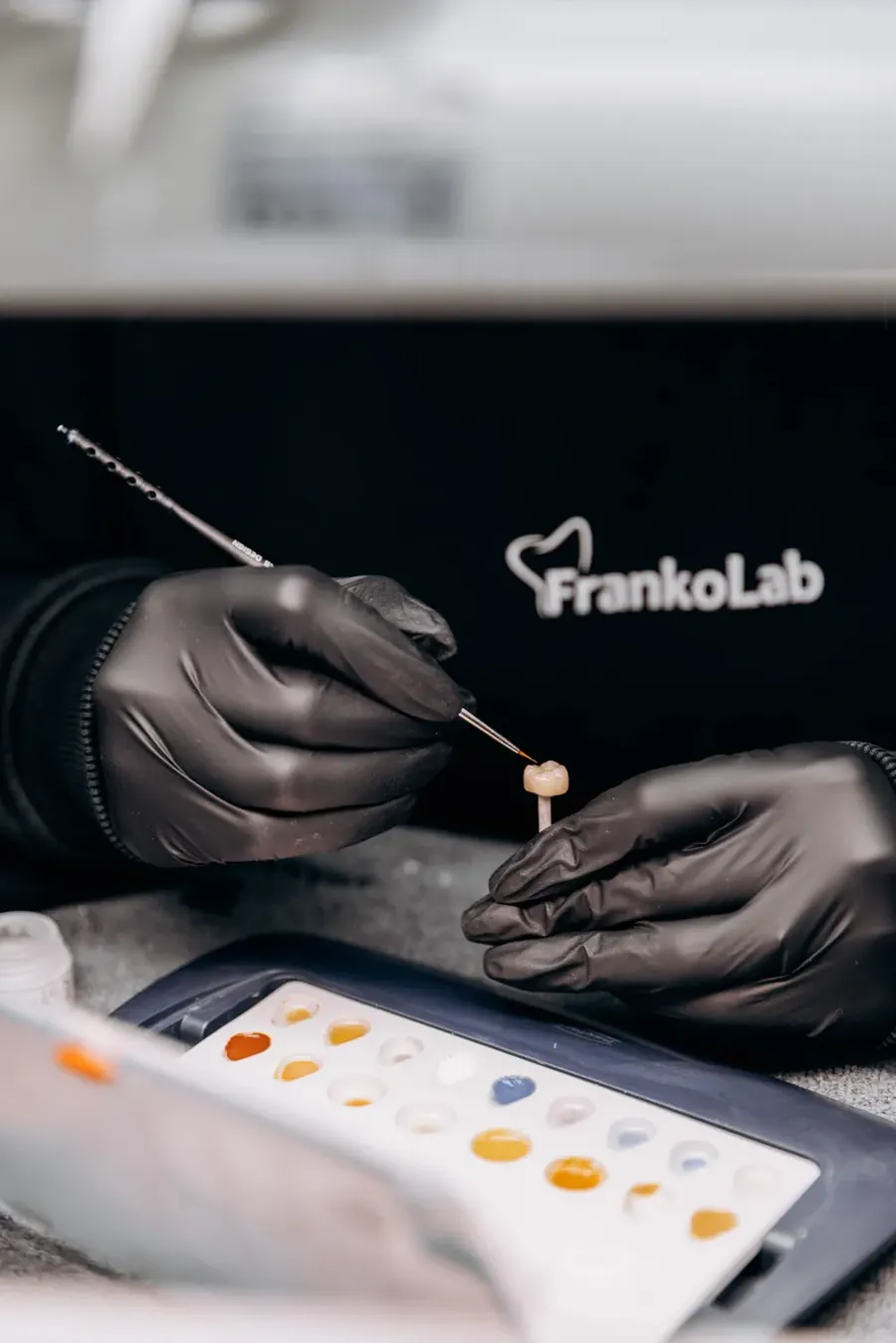
At FrankoLab Clinic’s in-house dental laboratory, we manufacture ceramic or glass-ceramic restorations tailored to each patient’s individual specifications.

05

Temporary restoration

Whilst the permanent microprosthesis is being made, we protect the tooth with a temporary restoration. This gives you time to get used to your future veneer or crown.

06

Fixation and correction

We try on the finished microprosthesis; if necessary, we make adjustments, after which we fix it in place using adhesive cement. A few weeks after fixation, the dentist assesses the condition of the prosthesis and the bite.

Types of dental micro-prostheses

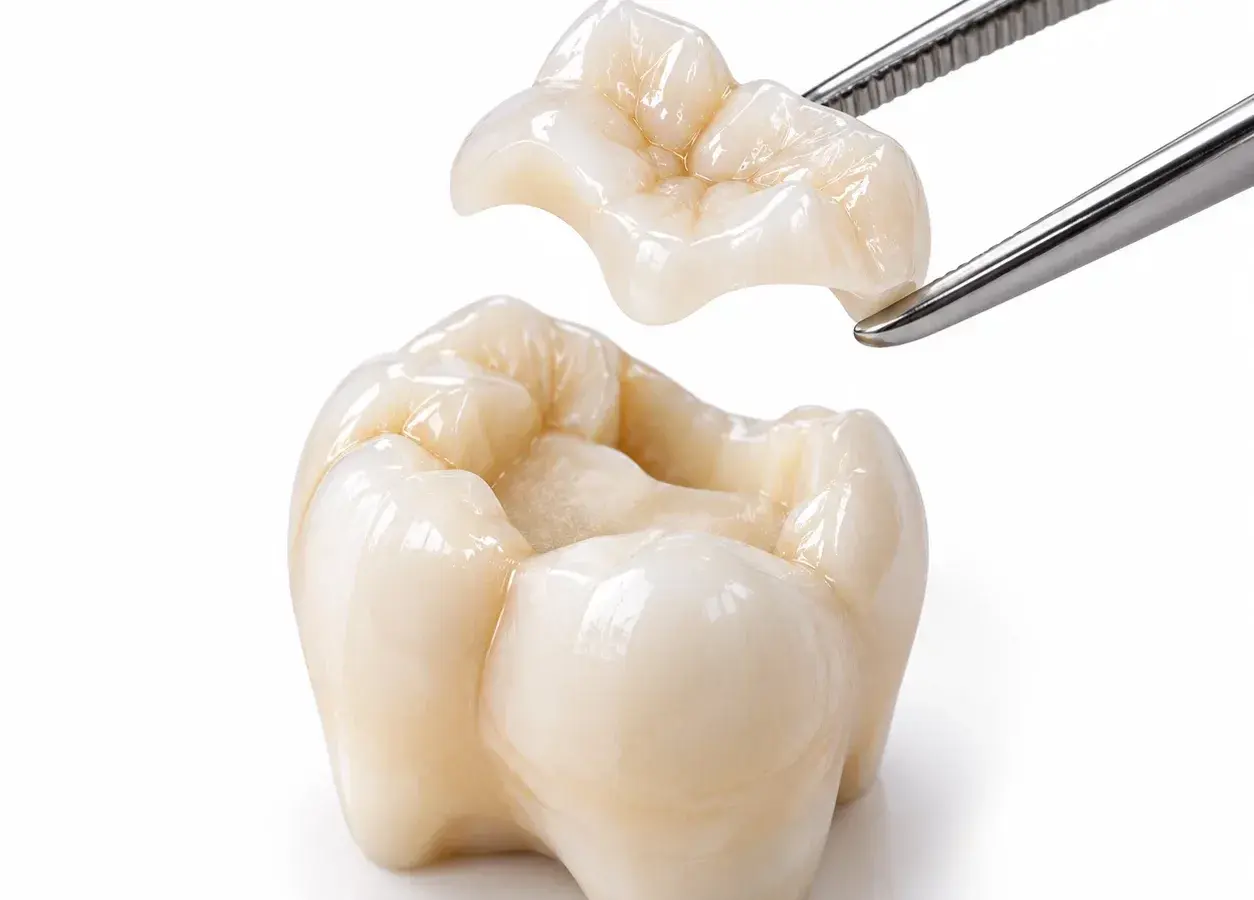
Crowns — cover a larger area of the tooth, including the cusp. The ideal option in cases of enamel wear, to increase bite height and to restore several teeth at once.

Veneers are thin ceramic shells that are bonded to the labial (visible) surface of the front teeth. We use them primarily to correct the shape, colour and minor misalignments of the teeth in the smile zone.

At FrankoLab Clinic, when it comes to microprosthetics, we most often use glass-ceramic onlays and ceramic veneers as the most predictable and aesthetic solutions. At the same time, we decide on each treatment plan individually with the patient following a consultation with an prosthodontist.
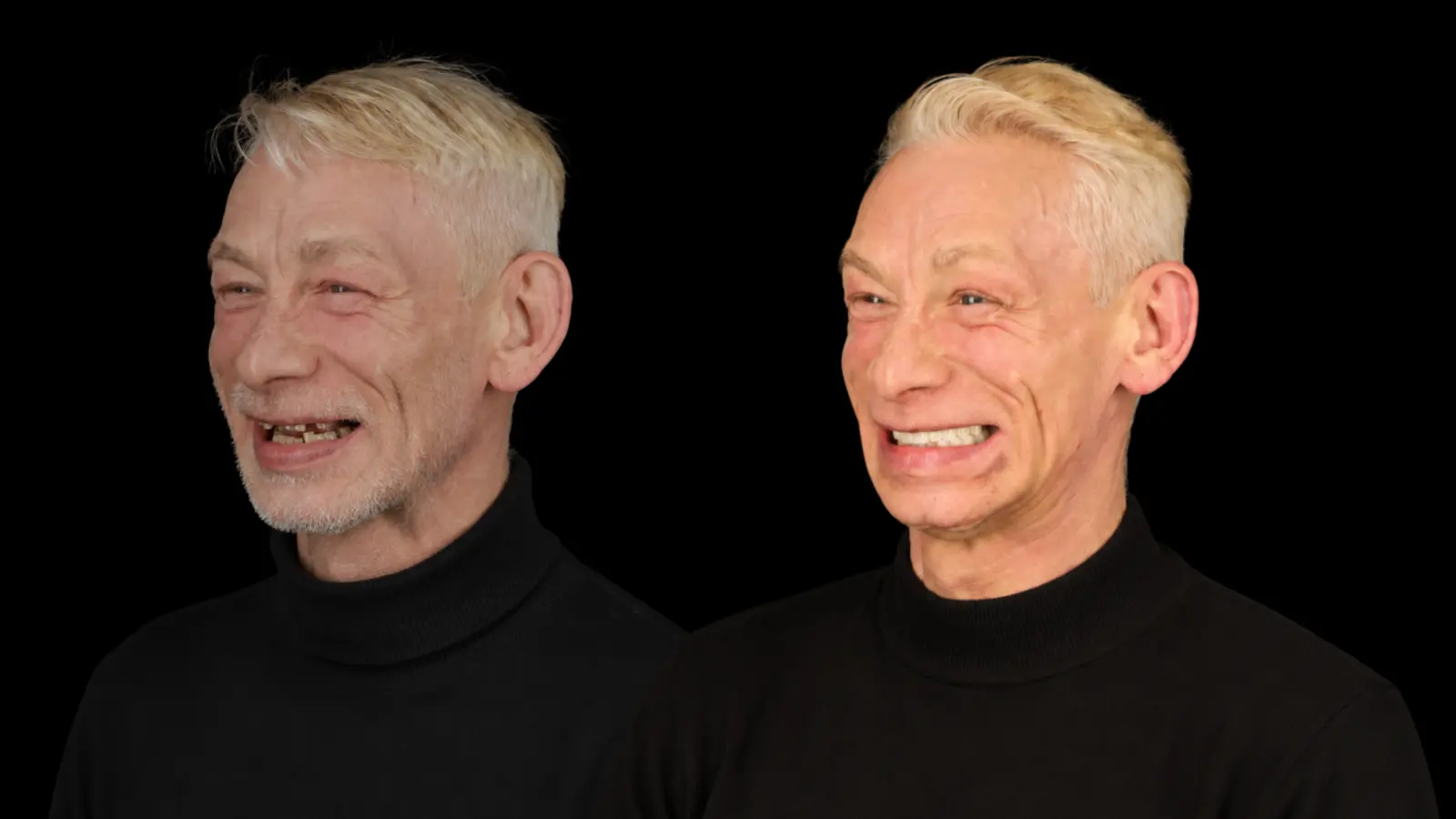
Our patients’ results

Case Study 4: Comprehensive dental restoration using crowns and veneers

Diagnosis:

Complete loss of dental function due to teeth that could not be saved. The patient required comprehensive rehabilitation of both jaws, restoring both chewing function and aesthetics.

Treatments:

All teeth that could not be saved were extracted. In the first stage, 4 implants were placed in the upper jaw and 6 in the lower jaw. During the next stage of treatment, a further 2 implants were placed in the upper jaw. As a result, the permanent prosthetic restoration will be anchored to six implants in the upper jaw and six implants in the lower jaw, providing a secure foundation for the future prosthesis.

Result:

The patient has successfully completed the surgical stages of treatment and is preparing for the final prosthetic restoration. The chosen rehabilitation approach ensures maximum stability of the restoration, even distribution of the chewing load, long-lasting results and a high level of comfort.

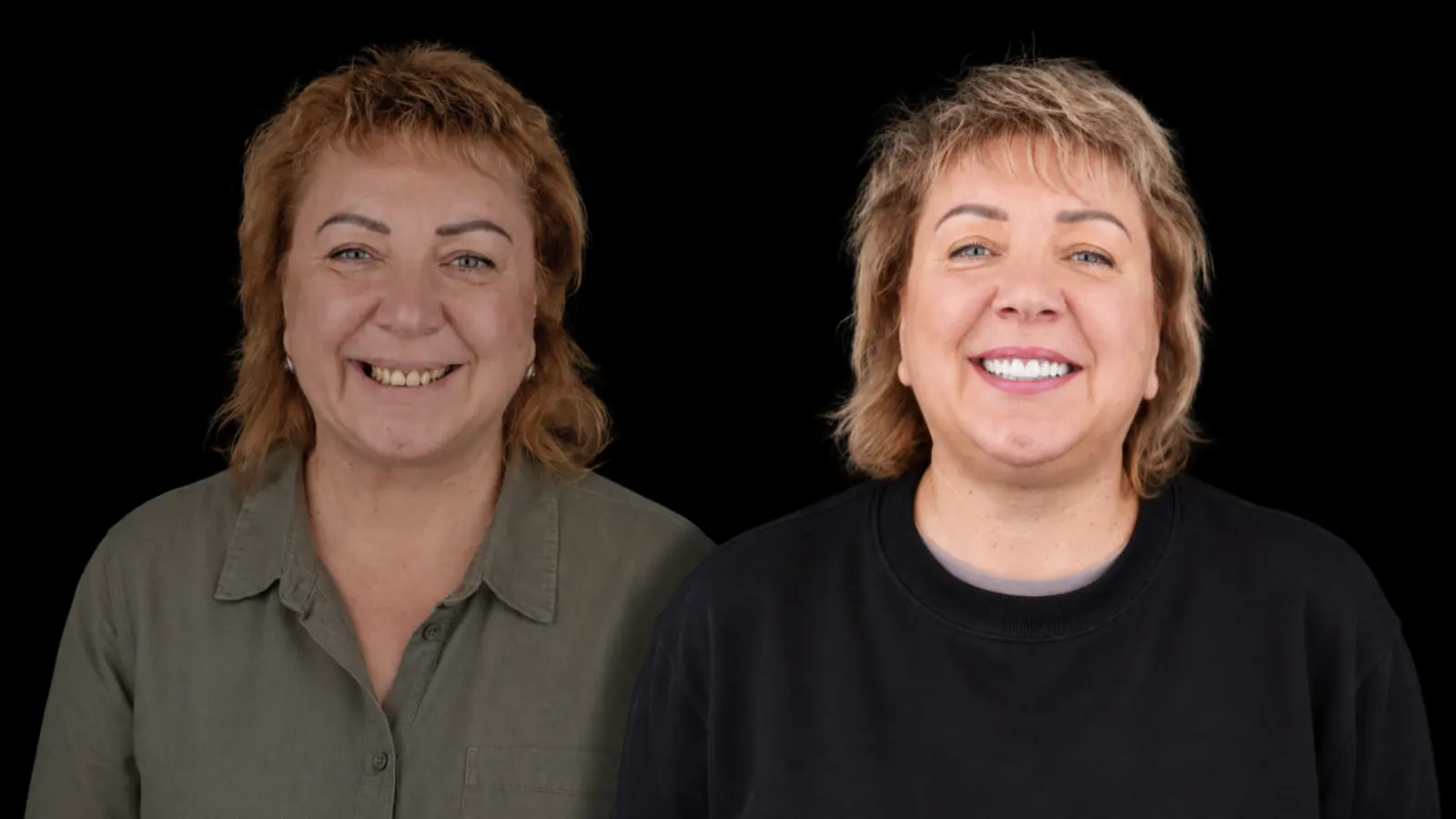
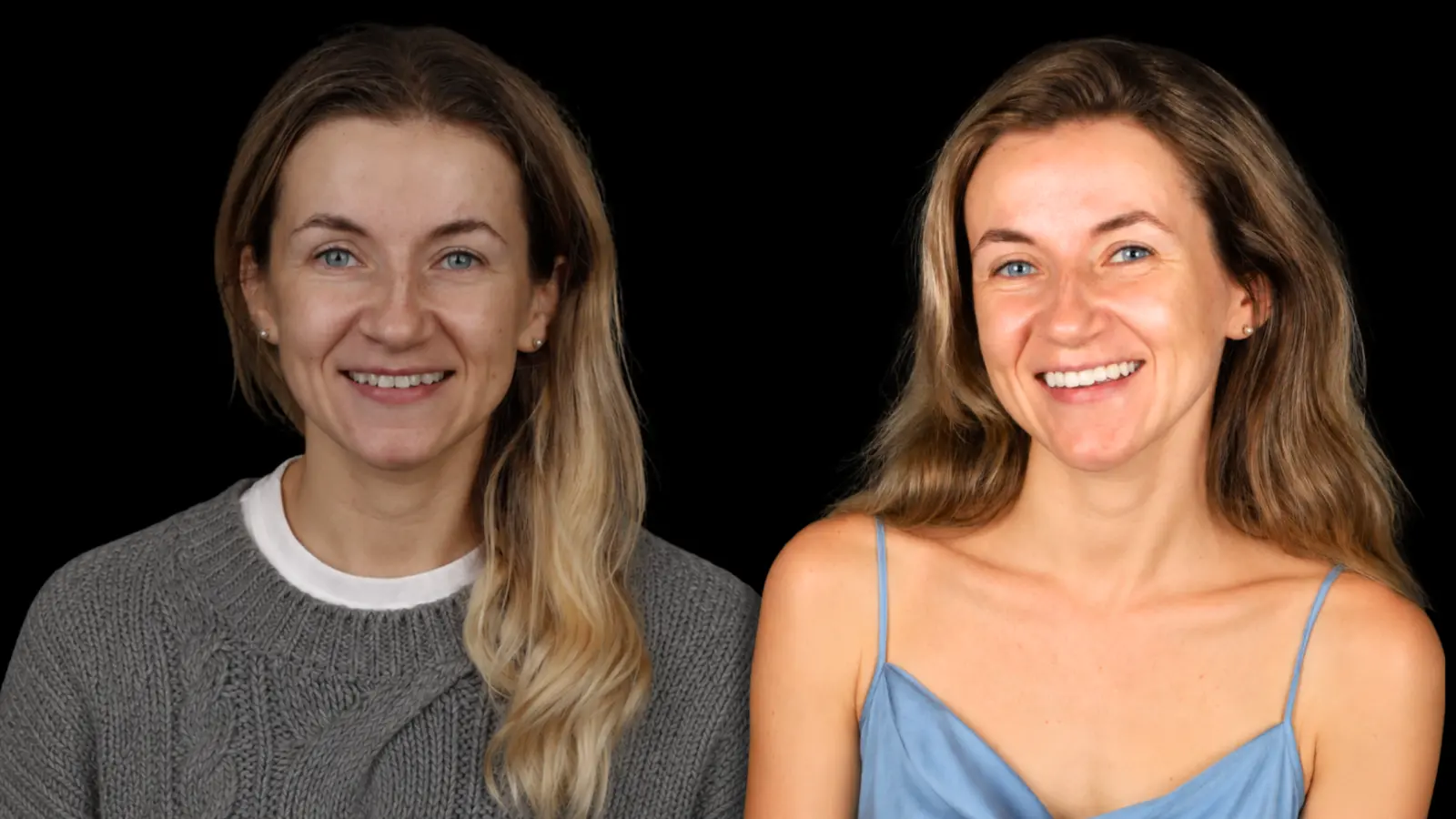
Case Study 3: Composite Restorations

Diagnosis:

The patient presented with complaints of discolouration of her front teeth, numerous old composite restorations and an unsatisfactory smile. During the clinical examination, discolouration of the teeth was identified, along with restorations that had lost their functionality and aesthetic appearance.

Treatments:

Following digital planning, a decision was made to carry out aesthetic restoration of the upper incisors using refractive veneers.
The restorations
are made entirely from ceramic materials, without any metal framework, which is one of the most aesthetically pleasing techniques in modern dentistry. This method allows for the most accurate reproduction of the natural translucency, colour depth and optical properties of natural enamel, ensuring a flawless result.

Result:

Discolouration has been removed and old, unaesthetic restorations have been replaced. The natural shape, proportions and harmony of the front teeth have been restored. Thanks to refractive veneers, the patient achieved a natural, bright and aesthetically pleasing smile that closely mimics natural teeth, combining durability, functionality and premium aesthetics.

Case 2: Implantology. Prosthetics

Diagnosis:

The patient presented with complaints of discomfort whilst chewing, increased tooth sensitivity and dissatisfaction with the appearance of her smile.

Treatments:

The first stage involved professional hygiene, comprehensive oral rehabilitation, therapeutic and endodontic treatment, the extraction of teeth that could not be restored, and implant placement.

Immediately following the surgical stage, temporary prosthetic restorations were fitted.
Six months
later, a prototype of the future smile was fabricated in the clinic’s own dental laboratory, FrankoLab.

The final stage involved the fitting of 24 fully anatomical zirconia crowns onto the patient’s natural teeth and implants in the upper and lower jaws.

Result:

Full functional and aesthetic rehabilitation has been achieved. Tooth sensitivity has been eliminated, chewing efficiency has been fully restored, and a stable prosthetic structure and a natural, harmonious smile have been created.

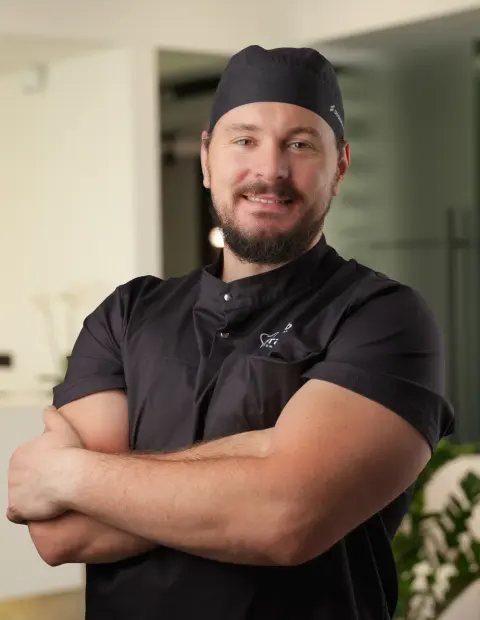
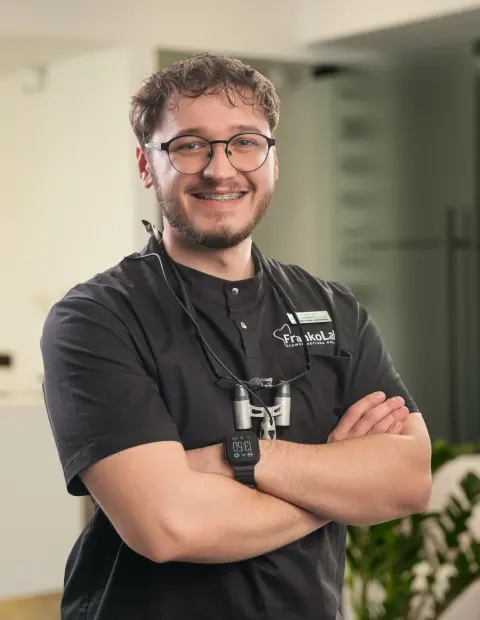
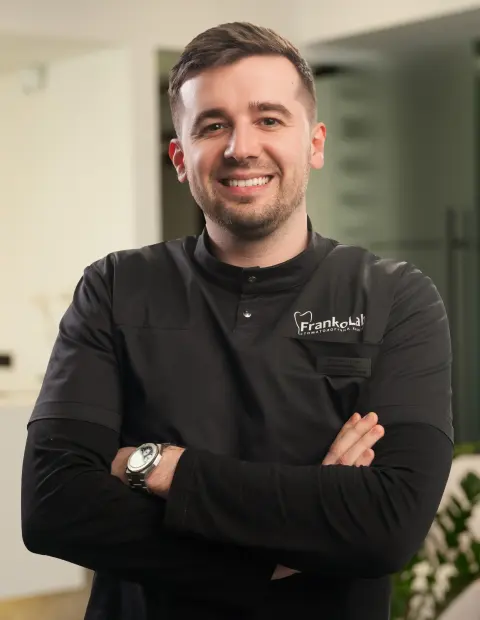
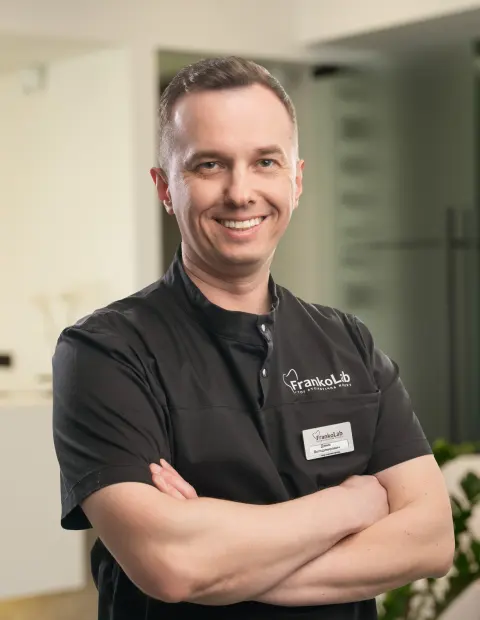
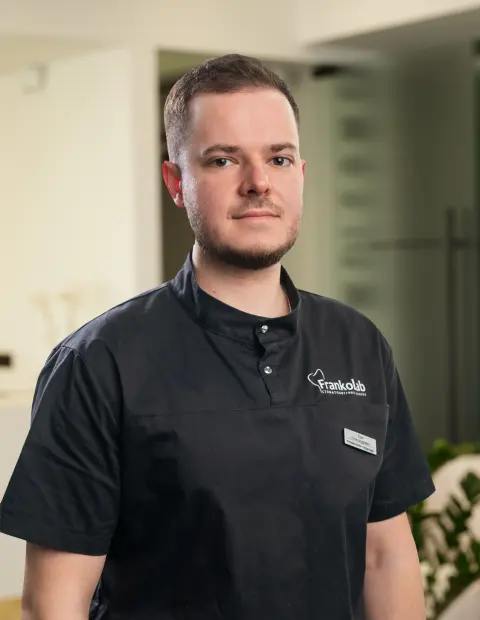
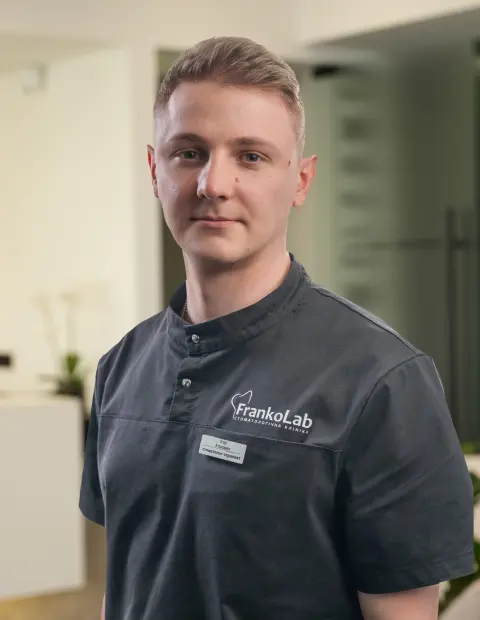
Doctors providing treatment

Patient reviews

4,9 Google rating All reviews on Google

Diana Kruk

08.07.2026

The clinic and service are of the highest standard – keep up the good work!

Ksenia Savenko

23.06.2026

I am very grateful to the whole FrankoLab team for the experience I’ve had with you. You are incredible! I wish you continued growth and prosperity, because the smiles you create are not only beautiful but also genuine, as seen on the faces of your grateful clients.

FrankoLab Dental Laboratory

Not sure if micro-prosthetics are right for you? Book a consultation — a dentist will assess the condition of your teeth and suggest the best solution

Why people choose FrankoLab Clinic for dental micro-prosthetics

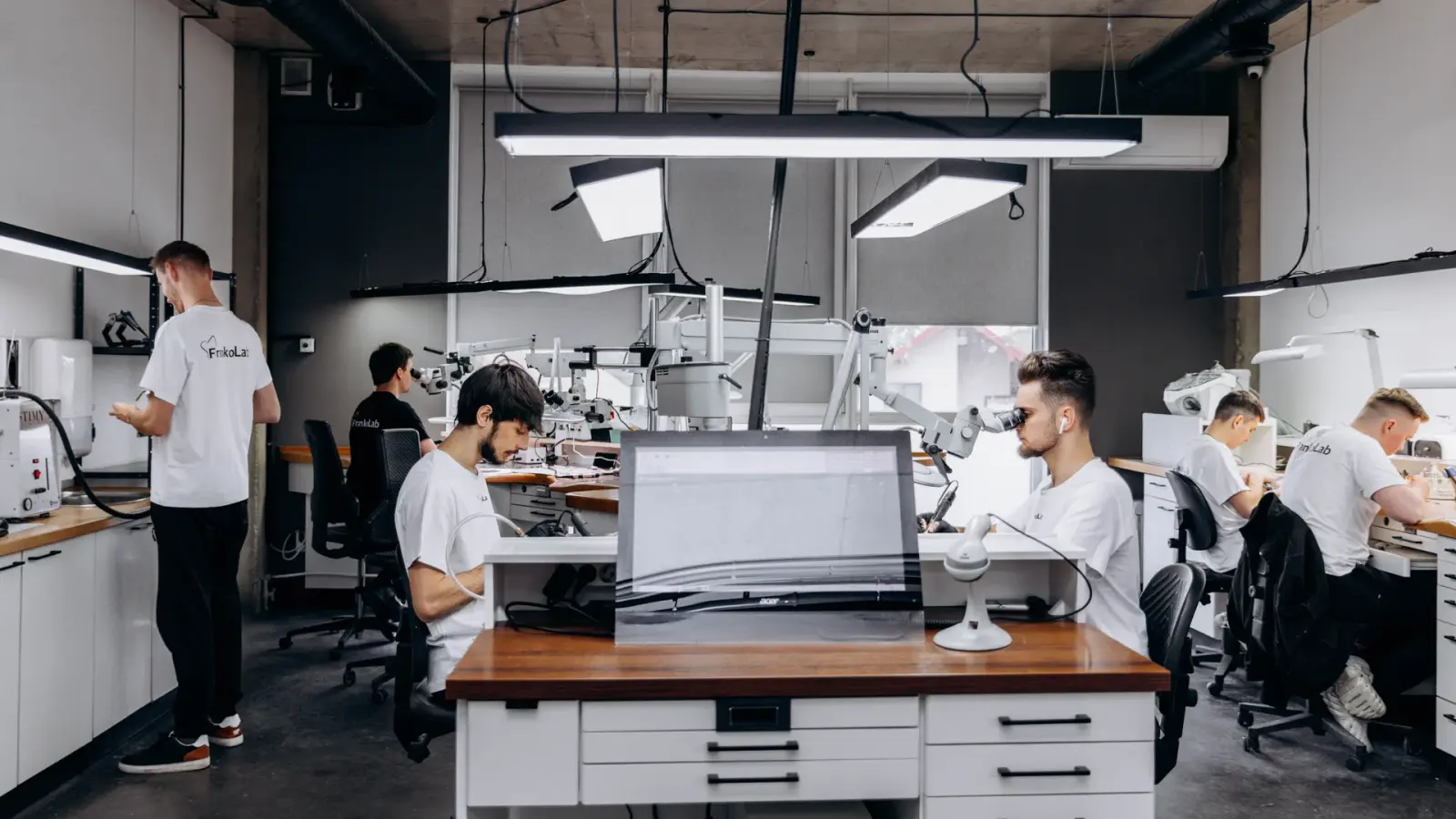
A FrankoLab dental technician works on a crown in the clinic’s in-house laboratory
01

In-house full-service digital dental laboratory

Everything under one roof: the dentist and dental technician work together. This enables us to accurately replicate the colour, shape and unique features of the patient’s smile, whilst also significantly reducing production times (often to as little as 7 days).

02

Modern digital technologies

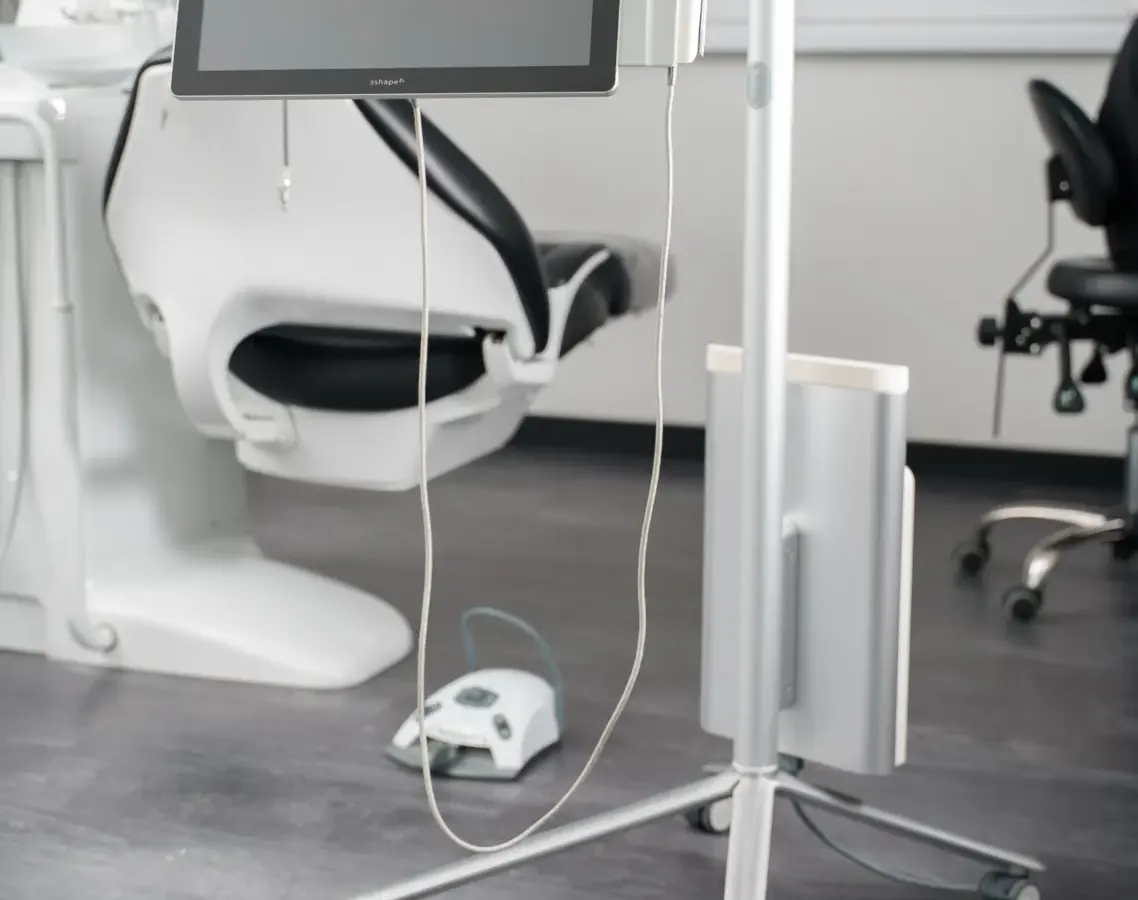
Intraoral 3D scanning instead of traditional impressions, CAD/CAM modelling and high-precision ceramic milling. The result is a perfect fit for micro-prostheses (veneers, crowns, etc.) and a natural appearance.

03

Experience in cosmetic dentistry

Our dentists specialise in restorative and cosmetic dentistry, particularly complex clinical cases. We make every decision with a view to the function, aesthetics and durability of the planned changes following dental micro-prosthetics.

Frequently asked questions about dental micro-prosthetics

No. We carry out all tooth preparation procedures under local anaesthetic, so the patient feels no pain. After the microprosthesis has been fitted, slight sensitivity may sometimes persist for a few days — this is a normal tissue reaction which resolves on its own.
The whole process usually takes 2–3 visits. During the first visit, we carry out the preparation and take a digital impression; during the second, we fit the finished restoration. A follow-up appointment is scheduled a few weeks later. Production times in the laboratory range from a few days to two weeks.
Yes. Relative contraindications include bruxism (untreated), poor oral hygiene, active periodontal disease, and significant tooth decay, where a microprosthesis would not provide sufficient support. The dentist makes the final decision on the suitability of microprosthetics following an examination.
A filling is moulded directly in the patient’s mouth using composite material — this is quicker and cheaper, but less durable and often changes colour over time. A microprosthesis is custom-made in the laboratory from ceramic or glass-ceramic, is precisely fitted to the tooth and is significantly more durable. For large defects, a dental microprosthesis is a more appropriate clinical solution.
A crown completely covers the tooth and requires significant grinding down of the tooth. A veneer covers only the damaged part of the tooth and preserves as much healthy tooth structure as possible. If no more than half of the tooth is damaged, a veneer is the more conservative and optimal choice.
Veneers are the ideal choice for front teeth — they provide the best aesthetic result and a natural appearance in the smile zone. For the back teeth, inlays, onlays or overlays are used — they can withstand heavy chewing pressure and are strong enough for the sides of the dental arch.
A single missing tooth can be replaced using an adhesive bridge – this is secured to the adjacent teeth without the need to grind them down. However, this option has certain limitations in terms of suitability. If several teeth are missing or the clinical situation is more complex, the dentist will recommend implants or other prosthetic solutions.
With proper care and regular check-ups, ceramic and glass-ceramic micro-prostheses can last from 10 to 20 years or more. Their lifespan depends on the type of restoration, the material used, the load on the tooth and adherence to the dentist’s recommendations.
Caring for a microprosthesis is no different from normal oral hygiene: brushing your teeth twice a day, using dental floss or a water flosser, and avoiding very hard foods. We recommend having a check-up and professional cleaning every 6 months. Following placement, the dentist will provide personalised advice depending on the type of restoration.

Book a consultation

Book a consultation and one of our managers will contact you shortly

+380 50 011 20 00

FrankoLab Clinic dental surgery

A healthy smile starts with the right decision

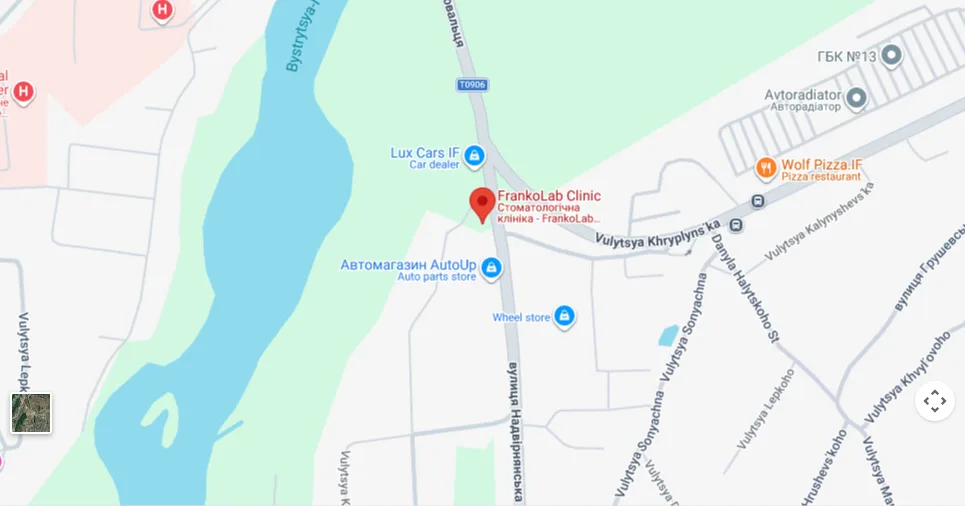
  • 77460, Ivano-Frankivsk, Cherniiv village, 2B Nadvirnianska Street
  • Mon–Sat 9.30 am–7.00 pm, Sun 10.00 am–7.00 pm
  • +380 50 011 20 00
Book a consultation
Map: 77460, Ivano-Frankivsk, village of Cherniiv, 2B Nadvirnianska Street