EN
Glass-ceramic crown or onlay

Why choose FrankoLab:

  1. 01 Maximum aesthetics, as close as possible to a natural tooth
  2. 02 Minimal tooth preparation and precise fitting
  3. 03 Strength and durability for everyday comfort

Glass-ceramic crown / veneer in Ivano-Frankivsk

Are you experiencing discomfort due to a broken or severely damaged tooth? Would you like to restore your smile so that it looks natural and aesthetically pleasing? A ceramic dental crown is the ideal solution for restoring your smile. This is a modern type of dental restoration that restores both aesthetics and functionality.

A glass-ceramic crown or veneer is a modern dental prosthesis.

Ceramic teeth are made from high-quality glass-ceramic, which perfectly mimics natural enamel in terms of colour, translucency and strength. A glass-ceramic crown is fitted following thorough preparation of the tooth. The dentist grinds down the damaged part, takes precise impressions and secures the custom-made crown using special dental cement. Thanks to modern technology, the ceramic tooth fits perfectly, ensuring comfort and an attractive appearance.

Advantages of ceramic crowns

Flawless aesthetics, a natural smile.

A ceramic crown perfectly replicates the natural colour, translucency and texture of enamel. Even under bright lighting, ceramic teeth do not stand out from your natural teeth. Such restorations ensure the perfect aesthetics of your smile.

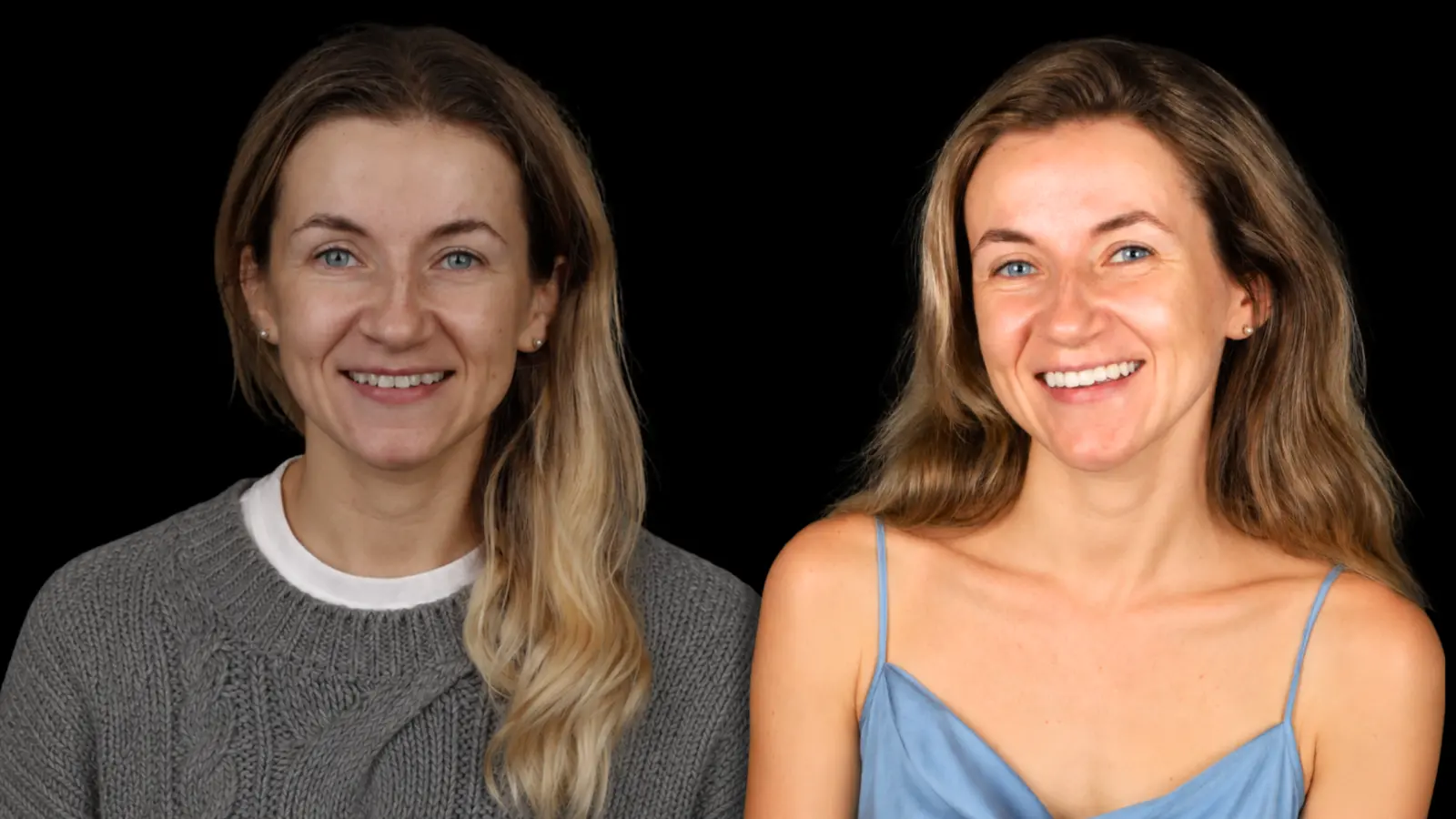
Exceptional strength and durability.

Glass-ceramic restorations are wear-resistant and do not discolour from coffee, wine or other colourants. With proper care, a ceramic tooth can last 15–20 years, retaining its original appearance and functionality without the need for replacement.

Safety for gum health, biocompatibility.

Ceramic is a material that does not cause allergic reactions or tissue irritation. Ceramic teeth do not oxidise, do not release harmful substances and are safe. They help maintain the health of the gums and the oral mucosa.

Maximum comfort for everyday wear.

A ceramic dental crown has an optimal weight and adapts perfectly to the bite. Patients note that ceramic restorations do not feel like a foreign object in the mouth and provide natural comfort whilst chewing and speaking.

Minimal intervention in dental tissues.

Fitting a glass-ceramic crown requires less tooth reduction than metal-ceramic restorations. This allows more healthy tooth structure to be preserved, which is important for long-term oral health.

Versatile application across all areas.

Ceramic crowns are suitable for restoring both front and back teeth. They can withstand high chewing forces and maintain their aesthetic appearance throughout their lifetime. This makes them versatile for any area of the smile.

Indications for the fitting of ceramic crowns

Significant destruction of the tooth crown due to caries or mechanical damage.

When a tooth is damaged by more than 50 per cent, a standard filling is unable to restore its strength and functionality. A ceramic crown reliably protects the tooth from further damage, restoring both chewing function and aesthetics.

Cosmetic correction of defects affecting the appearance of front teeth.

If a tooth has stains or discolouration that cannot be removed by whitening, or an unattractive shape, ceramic teeth are the ideal solution. The glass-ceramic restoration completely conceals imperfections, creating a natural-looking smile.

Restoration of tooth shape in cases of chips and cracks, and other deformities.

Various mechanical defects and abnormalities in tooth shape not only detract from the appearance but also pose a risk of further damage. A ceramic tooth restores the anatomical shape and returns both functionality and an attractive appearance.

Protection of depulped teeth following endodontic treatment.

After the nerve has been removed from the root canal, the tooth becomes brittle and prone to fracture under chewing pressure. Fitting a ceramic crown provides reliable protection and extends the lifespan of a root-canal-treated tooth.

Replacement of outdated or worn-out metal prosthetic structures.

Outdated metal or metal-ceramic crowns often stand out with a greyish tinge against the natural enamel. Ceramic crowns have no metal base, so they look natural and provide perfect aesthetics.

Price for fitting ceramic crowns

The price of a ceramic crown depends on several factors: the characteristics of the material, the complexity of the clinical case, and the need for additional root canal treatment or tooth preparation. The price of ceramic crowns is also influenced by the manufacturing technology used (digital modelling, manual finishing in the laboratory). At FrankoLab Clinic, we offer transparent pricing for ceramic teeth with no hidden charges.

The dentist will quote the final cost following an examination and diagnosis. Payment in instalments is available. Full price list for the clinic

Ceramic crowns – payment plans available

Have a ceramic crown fitted with us without any financial burden.

A ceramic dental crown is a solution that restores the health and beauty of your smile. The procedure can be quite costly, particularly when several ceramic crowns need to be fitted. That is why FrankoLab Clinic offers a payment plan. We make high-quality dental treatment accessible to everyone. You can spread the cost of having ceramic teeth fitted into convenient monthly instalments with no surcharges or hidden interest, and choose the repayment term.

Start restoring your smile now and pay for your ceramic tooth in instalments. Contact our clinic to find out about payment plans!

The process of fitting ceramic crowns

Fitting a ceramic crown takes 7–14 days and is completely pain-free thanks to modern anaesthesia. We use cutting-edge digital technologies to ensure maximum precision and comfort at every stage. Our team supports you throughout your treatment, answering your questions and ensuring an excellent result.

01

Initial consultation and diagnosis.

Our dentist carries out a thorough examination of the oral cavity, assesses the condition of the tooth and determines whether a ceramic crown is appropriate. For an accurate diagnosis, an X-ray or 3D scan is carried out, which allows us to identify hidden problems and draw up a personalised treatment plan.

02

Professional preparation of the tooth for prosthetic restoration.

The tooth is cleaned of caries and damaged tissue. Root canal treatment is carried out where necessary. After the tooth has been restored, the dentist shapes it to the thickness of the future ceramic crown. The specialist ensures the optimal shape of the tooth structure to ensure a secure fit and a natural appearance for the restoration.

03

Taking digital or traditional impressions.

An intraoral scanner is used to create a precise 3D model of the prepared tooth and bite. The digital impressions are sent to the dental laboratory, where ceramic teeth are fabricated based on them. The finished restorations perfectly match the anatomy and colour of the patient’s natural teeth.

04

Fitting of a temporary plastic crown.

Whilst the permanent ceramic restoration is being fabricated, the patient is fitted with an aesthetic temporary crown. This protects the treated tissues from sensitivity and mechanical damage, allows the patient to chew food comfortably and maintains the aesthetics of their smile whilst the ceramic tooth is being fabricated.

05

Fitting and cementing of a permanent crown.

The finished glass-ceramic crown is tried on the tooth to check the fit, colour and bite alignment. Once all adjustments have been made, the ceramic crowns are cemented in place using a special dental cement. This material ensures a secure and long-lasting bond with natural tissues.

06

Follow-up examination and specialist’s recommendations.

A few days after the procedure, the patient returns for a follow-up check-up. The dentist checks that the bite feels comfortable, that there is no gum irritation and that the patient has generally adapted to the new crown. The dentist provides detailed recommendations on how to care for ceramic teeth to ensure their longevity.

FrankoLab Clinic utilises cutting-edge digital technologies.

The ceramic crowns manufactured at our clinic are created using 3D modelling, which guarantees perfect precision and impeccable aesthetics. Our specialists work exclusively with premium materials from leading global manufacturers, ensuring the longevity of the crowns (15–20 years). Each ceramic crown is custom-made to suit the patient’s anatomy, tooth colour and bite characteristics.

Our patients’ results

Case Study 4: Comprehensive dental restoration using crowns and veneers

Diagnosis:

Complete loss of dental function due to teeth that could not be saved. The patient required comprehensive rehabilitation of both jaws, restoring both chewing function and aesthetics.

Treatments:

All teeth that could not be saved were extracted. In the first stage, 4 implants were placed in the upper jaw and 6 in the lower jaw. During the next stage of treatment, a further 2 implants were placed in the upper jaw. As a result, the permanent prosthetic restoration will be anchored to six implants in the upper jaw and six implants in the lower jaw, providing a secure foundation for the future prosthesis.

Result:

The patient has successfully completed the surgical stages of treatment and is preparing for the final prosthetic restoration. The chosen rehabilitation approach ensures maximum stability of the restoration, even distribution of the chewing load, long-lasting results and a high level of comfort.

Case Study 3: Composite Restorations

Diagnosis:

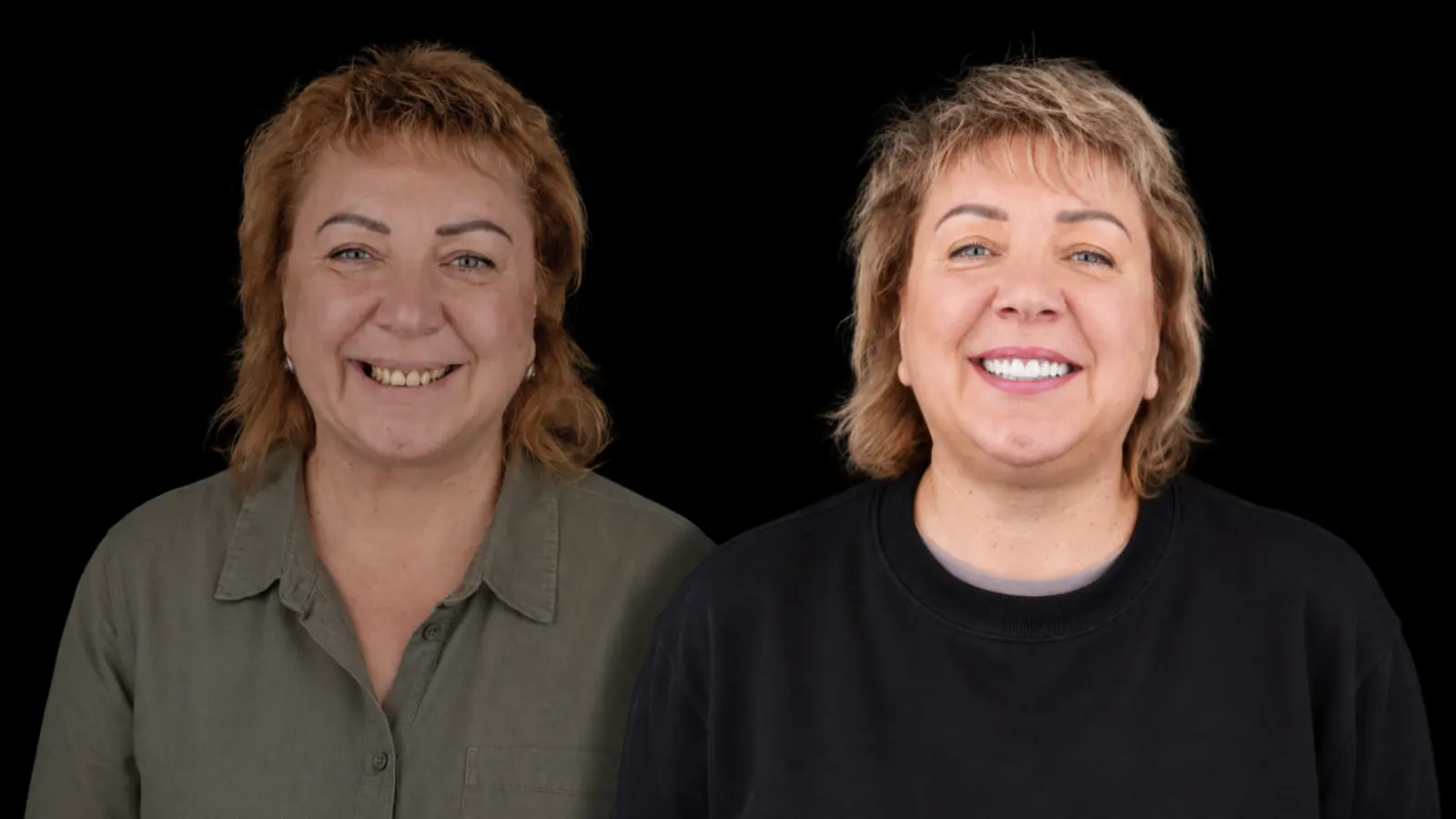
The patient presented with complaints of discolouration of her front teeth, numerous old composite restorations and an unsatisfactory smile. During the clinical examination, discolouration of the teeth was identified, along with restorations that had lost their functionality and aesthetic appearance.

Treatments:

Following digital planning, a decision was made to carry out aesthetic restoration of the upper incisors using refractive veneers.
The restorations
are made entirely from ceramic materials, without any metal framework, which is one of the most aesthetically pleasing techniques in modern dentistry. This method allows for the most accurate reproduction of the natural translucency, colour depth and optical properties of natural enamel, ensuring a flawless result.

Result:

Discolouration has been removed and old, unaesthetic restorations have been replaced. The natural shape, proportions and harmony of the front teeth have been restored. Thanks to refractive veneers, the patient achieved a natural, bright and aesthetically pleasing smile that closely mimics natural teeth, combining durability, functionality and premium aesthetics.

Case 2: Implantology. Prosthetics

Diagnosis:

The patient presented with complaints of discomfort whilst chewing, increased tooth sensitivity and dissatisfaction with the appearance of her smile.

Treatments:

The first stage involved professional hygiene, comprehensive oral rehabilitation, therapeutic and endodontic treatment, the extraction of teeth that could not be restored, and implant placement.

Immediately following the surgical stage, temporary prosthetic restorations were fitted.
Six months
later, a prototype of the future smile was fabricated in the clinic’s own dental laboratory, FrankoLab.

The final stage involved the fitting of 24 fully anatomical zirconia crowns onto the patient’s natural teeth and implants in the upper and lower jaws.

Result:

Full functional and aesthetic rehabilitation has been achieved. Tooth sensitivity has been eliminated, chewing efficiency has been fully restored, and a stable prosthetic structure and a natural, harmonious smile have been created.

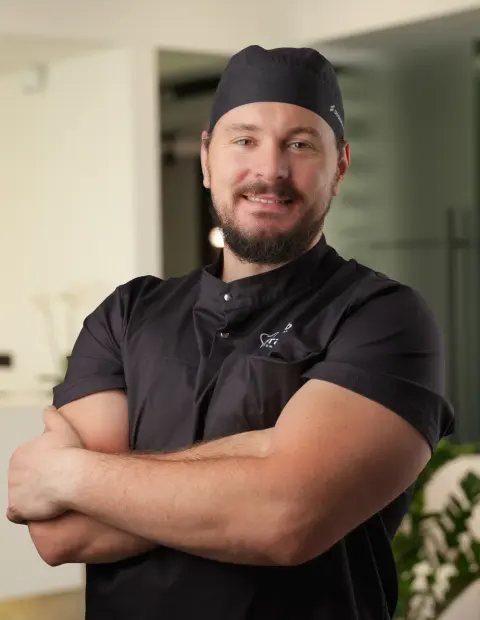
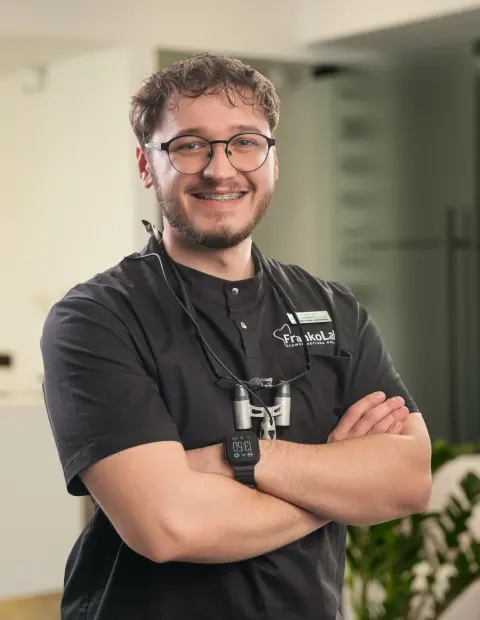
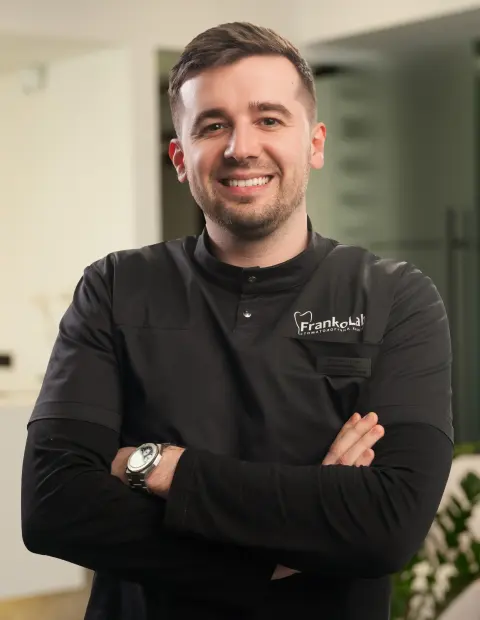
Doctors providing treatment

Patient reviews

4,9 Google rating All reviews on Google

Diana Kruk

08.07.2026

The clinic and service are of the highest standard – keep up the good work!

Ksenia Savenko

23.06.2026

I am very grateful to the whole FrankoLab team for the experience I’ve had with you. You are incredible! I wish you continued growth and prosperity, because the smiles you create are not only beautiful but also genuine, as seen on the faces of your grateful clients.

FrankoLab Dental Laboratory

Restore your smile with a ceramic crown. Book a consultation at our clinic!

In-house laboratory

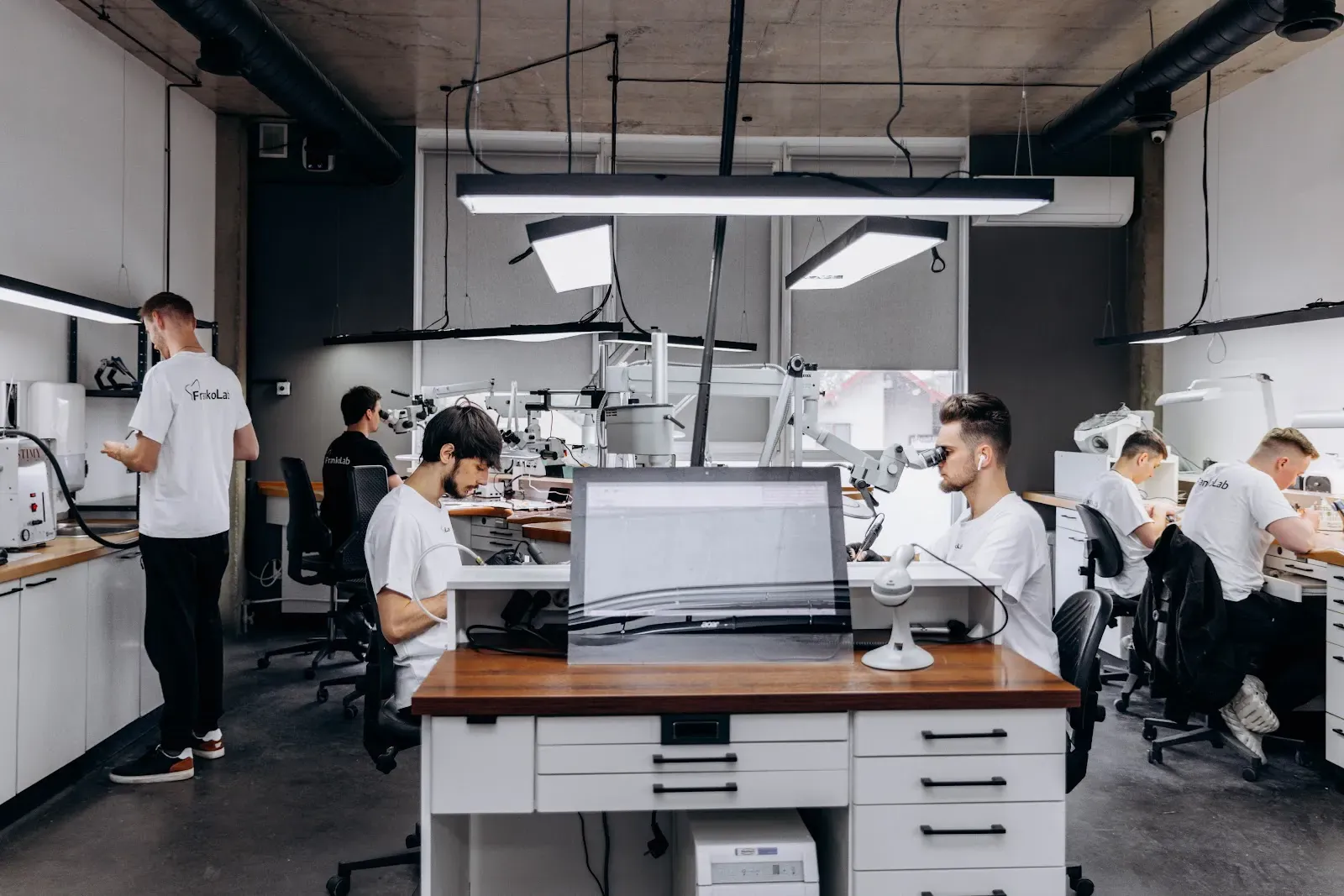
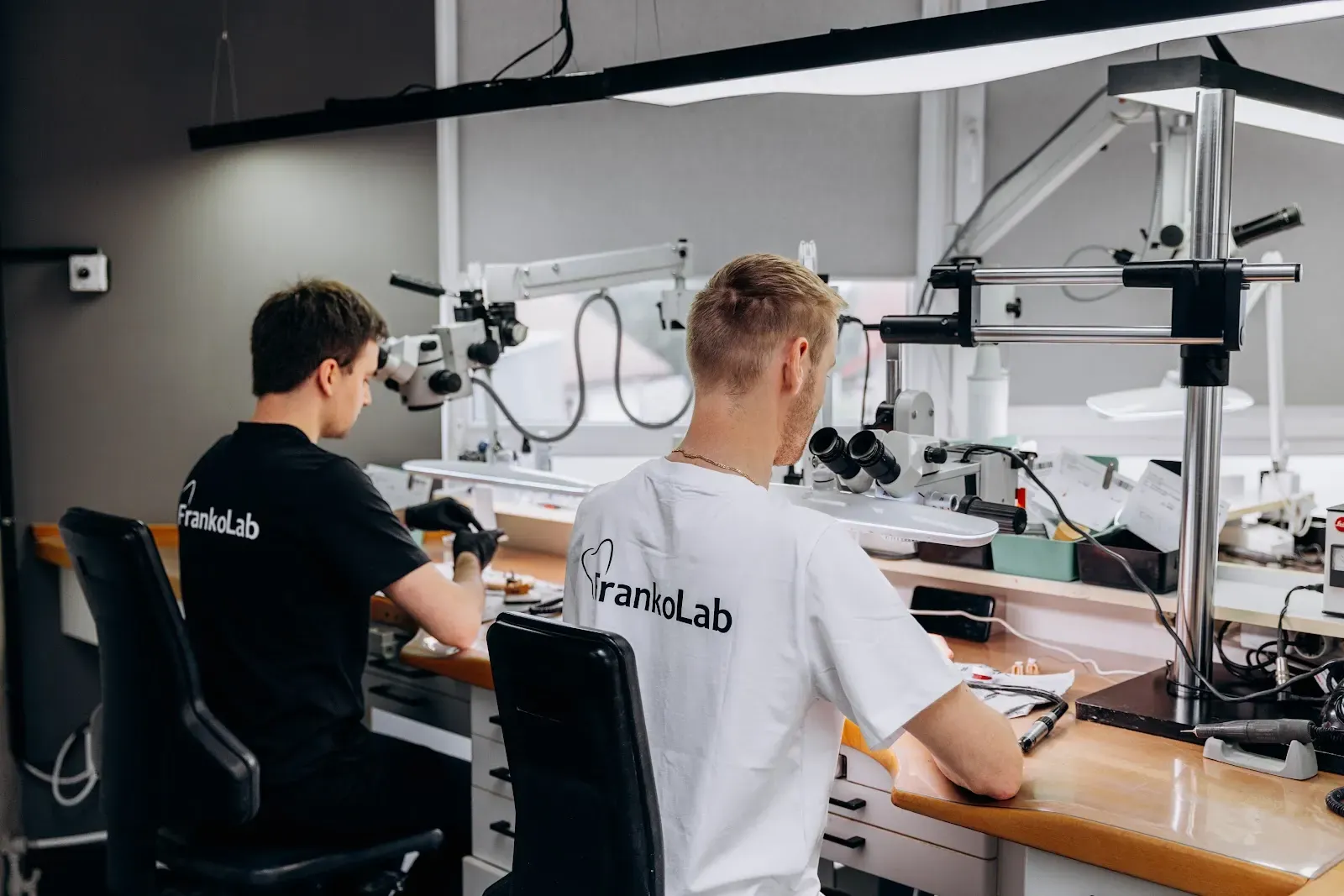
FrankoLab’s main advantage is its own in-house dental laboratory.

As all our production facilities are located on-site, we can fully control the manufacturing process for restorations of any complexity, develop solutions quickly and guarantee long-term results.

In our digital dental laboratory, metal-free prosthetic restorations are manufactured using leading CAD/CAM technologies and the highest-quality European materials.

FrankoLab Dental Laboratory

Why do people choose FrankoLab Clinic for ceramic dental crowns?

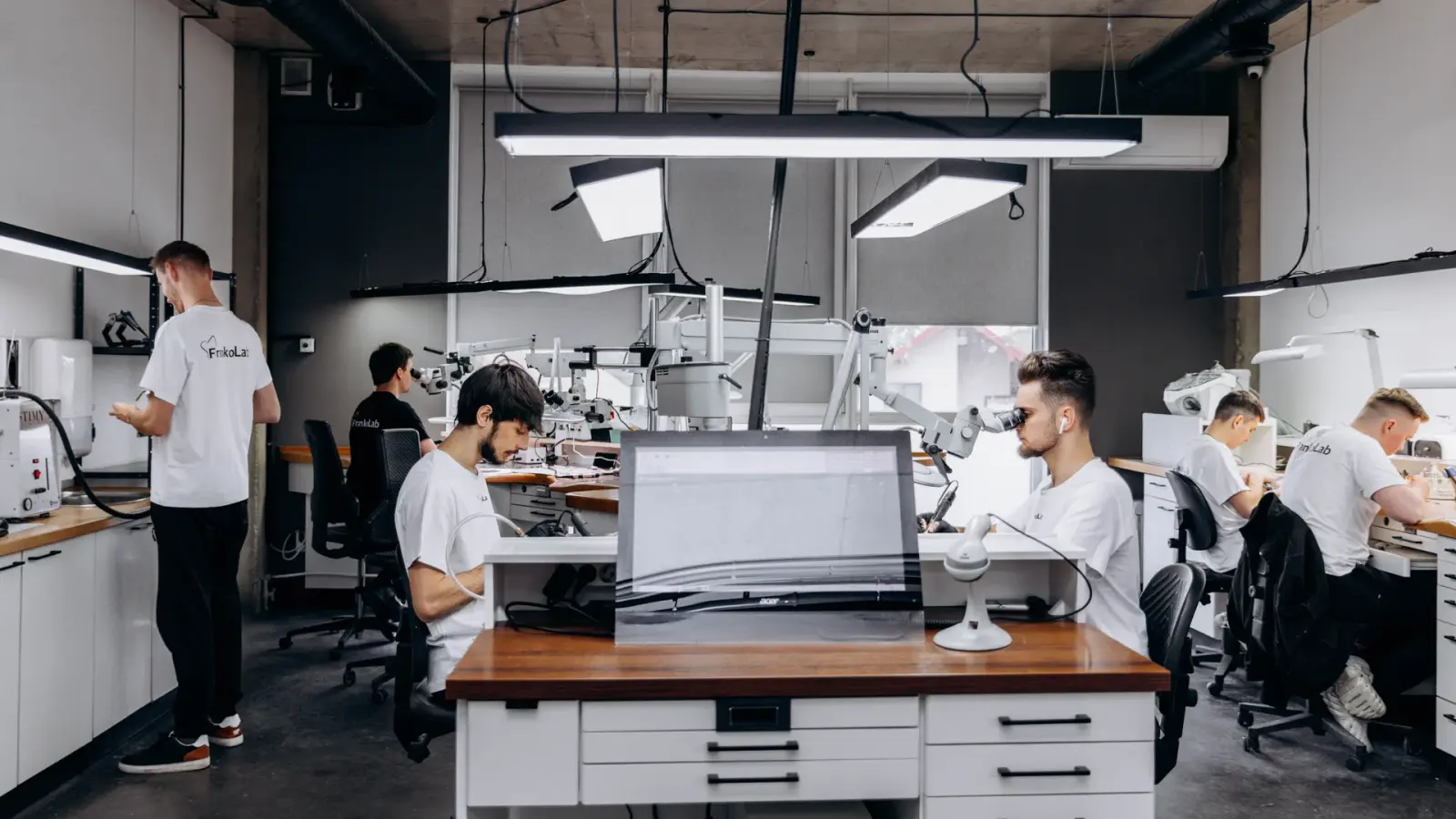
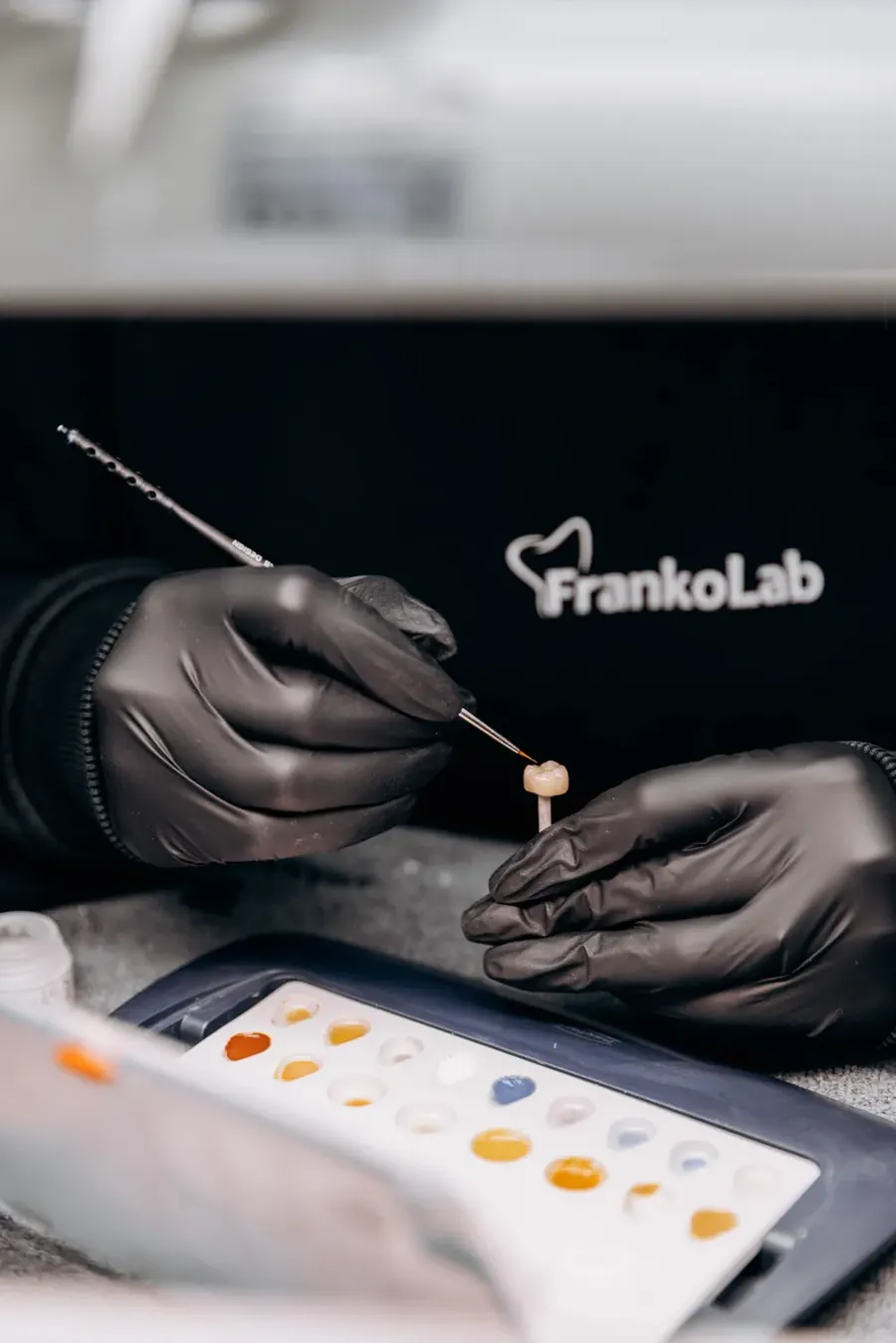
A FrankoLab dental technician works on a crown in the clinic’s in-house laboratory
01

State-of-the-art, high-precision equipment and innovative digital technologies.

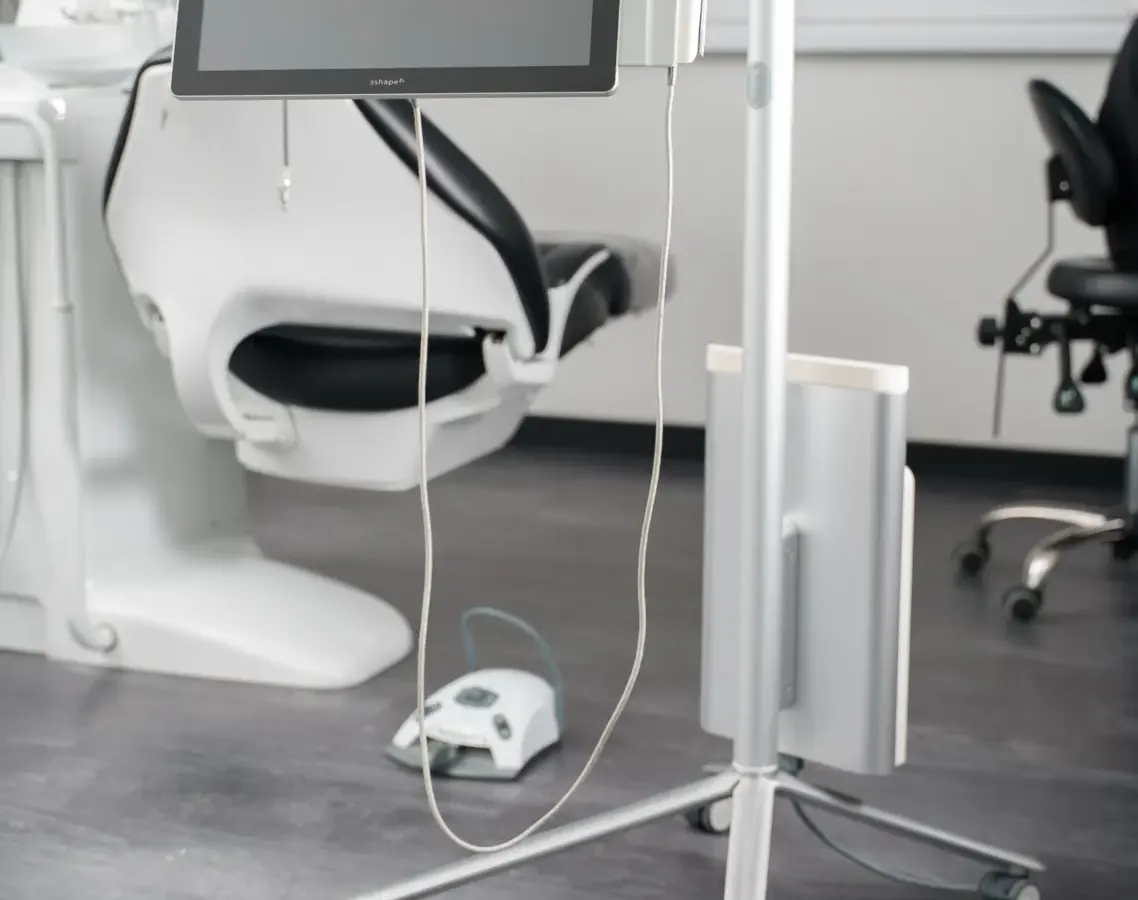
At FrankoLab Clinic, digital intraoral scanners and 3D modelling are used to ensure precision in the fabrication of ceramic crowns. State-of-the-art equipment enables us to create a ceramic tooth that fits perfectly and looks natural.

02

A team of highly qualified and experienced prosthodontists.

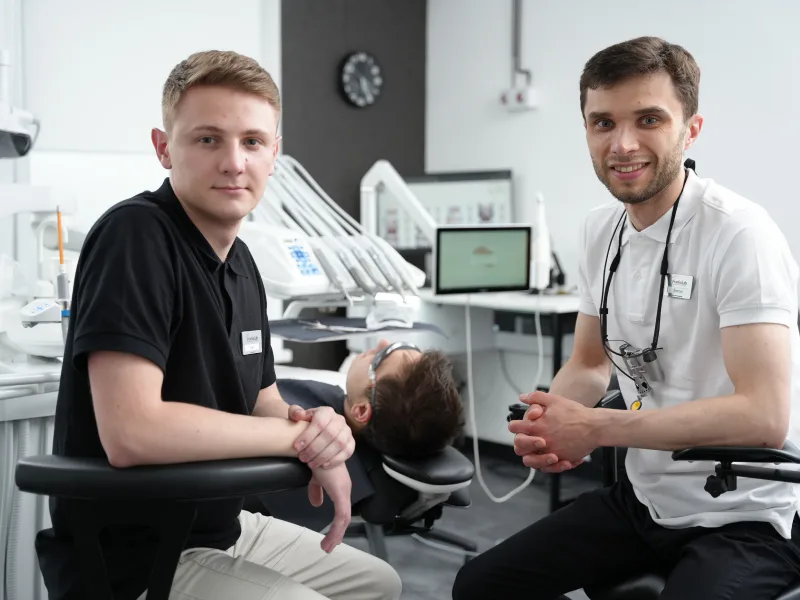
Our specialists have many years’ experience in fitting ceramic crowns and regularly undertake further training. Each specialist is proficient in modern prosthetic techniques and takes an individual approach to every patient.

03

A personalised approach and maximum comfort for every patient.

At FrankoLab Clinic, every patient receives a personalised plan for fitting a ceramic crown. We take into account your preferences, anatomical features and budget. We support patients through every stage of the ceramic crown fitting process.

04

An official quality guarantee, transparent pricing and fair terms of service.

We provide an official guarantee for the ceramic teeth we fit and the work we carry out, which demonstrates our confidence in the quality of our materials and the professionalism of our dentists. Our pricing is transparent, with no hidden charges. We offer flexible payment options.

Frequently asked questions about ceramic crowns

A ceramic crown is a modern dental prosthesis made from high-strength ceramic without a metal base. The main advantages of ceramic teeth are their impeccable aesthetics, which fully mimic natural enamel in terms of colour and translucency, and their biocompatibility (the material does not cause allergies and is safe for the gums). They have a lifespan of 15–20 years with proper care.
Fitting a ceramic crown takes between 7 and 14 days. During the first appointment, a diagnosis is made, the tooth is prepared and digital impressions are taken, after which a temporary crown is fitted. Over the course of a week, a bespoke glass-ceramic crown is fabricated in the laboratory. During the second appointment, the permanent crown is fitted and cemented in place.
Caring for ceramic teeth is simple and no different from regular dental care. Brush your teeth twice a day with a soft-bristled toothbrush and fluoride toothpaste, and use dental floss or interdental brushes to clean between your teeth. Avoid excessive strain (do not bite into hard objects). Visit your dentist for a professional cleaning every 6 months.
Yes, glass-ceramic crowns are versatile and suitable for both front and back teeth. For the front teeth, ceramic crowns provide perfect aesthetics thanks to their natural translucency and colour. For molars, reinforced ceramic materials or zirconia crowns are used, which can withstand high chewing forces.
The main difference lies in the absence of a metal framework in glass-ceramic crowns, which ensures better aesthetics without a grey tinge near the gums. A ceramic tooth looks natural even in bright light. Metal-ceramic crowns are stronger but less aesthetically pleasing. Ceramic is biocompatible, does not cause allergies and requires less tooth preparation during fitting.

Find out more: glass-ceramic crown or onlay

The fitting of inlays/onlays is recommended when, following treatment for deep caries, the patient requires restoration of approximately 50 per cent of the tooth to restore its chewing function. This method provides reliable treatment and has a major advantage, as it helps to avoid the removal of the tooth’s pulp, preserving its vitality and fully restoring its function and aesthetics. Inlays are often used to restore the chewing teeth.


Book a consultation

Book a consultation and one of our managers will contact you shortly

+380 50 011 20 00

FrankoLab Clinic dental surgery

A healthy smile starts with the right decision

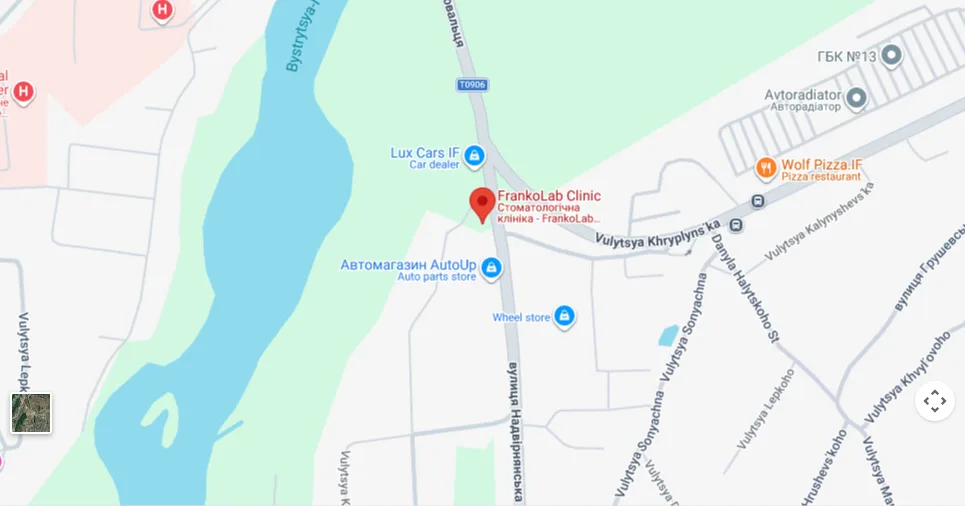
  • 77460, Ivano-Frankivsk, Cherniiv village, 2B Nadvirnianska Street
  • Mon–Sat 9.30 am–7.00 pm, Sun 10.00 am–7.00 pm
  • +380 50 011 20 00
Book a consultation
Map: 77460, Ivano-Frankivsk, village of Cherniiv, 2B Nadvirnianska Street