EN
Dental bridges

Why choose FrankoLab:

  1. 01 Restores chewing function and distributes the load evenly
  2. 02 A natural, aesthetic smile
  3. 03 From preparation to fitting in just a few appointments

Fitting of bridge prostheses (dental bridges) in Ivano-Frankivsk

Key functions of dental bridges

Restoration of chewing function and even distribution of pressure on the jaw

A bridge replaces missing teeth and enables you to chew food properly, distributing the load evenly across the supporting teeth.
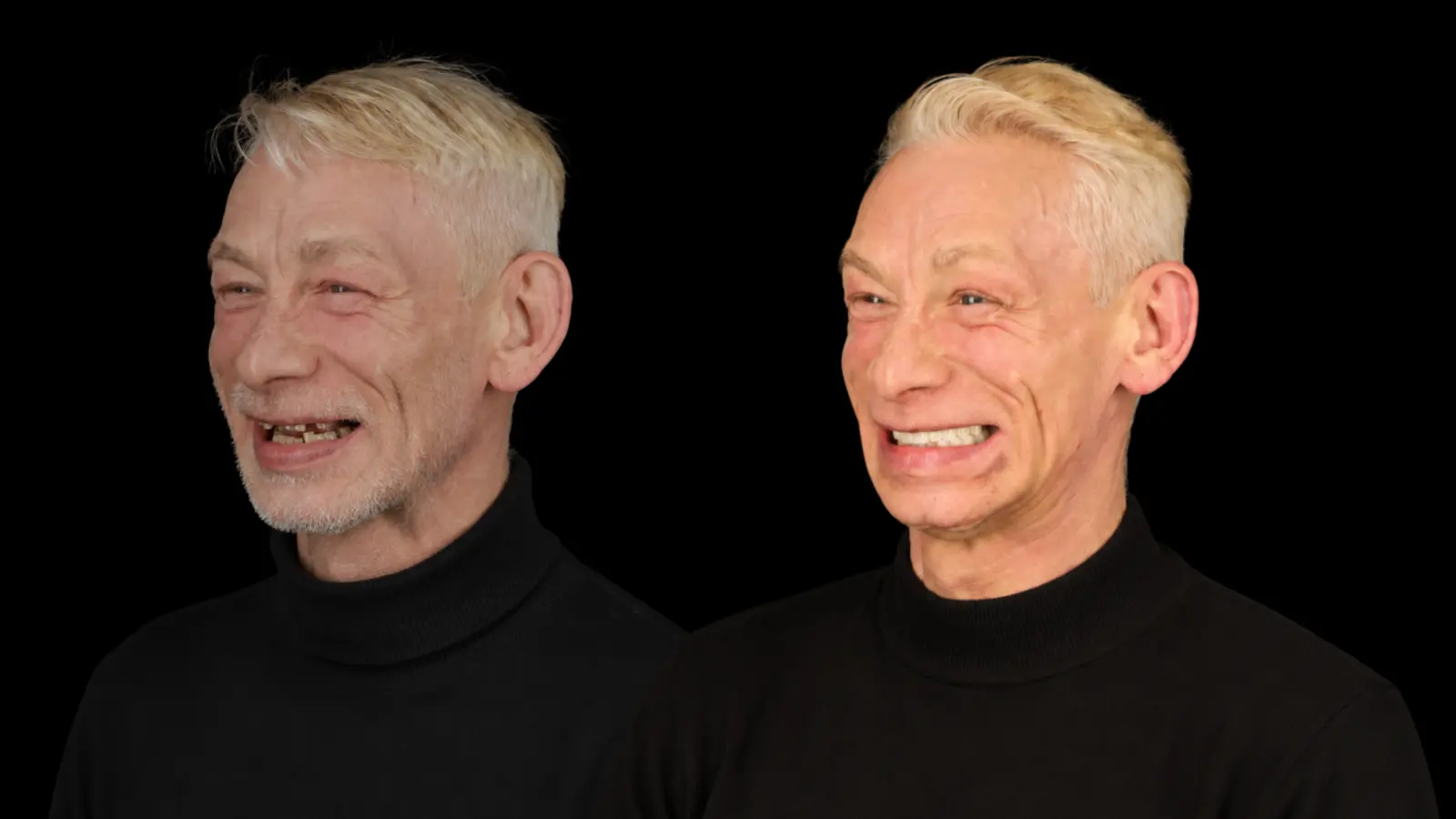
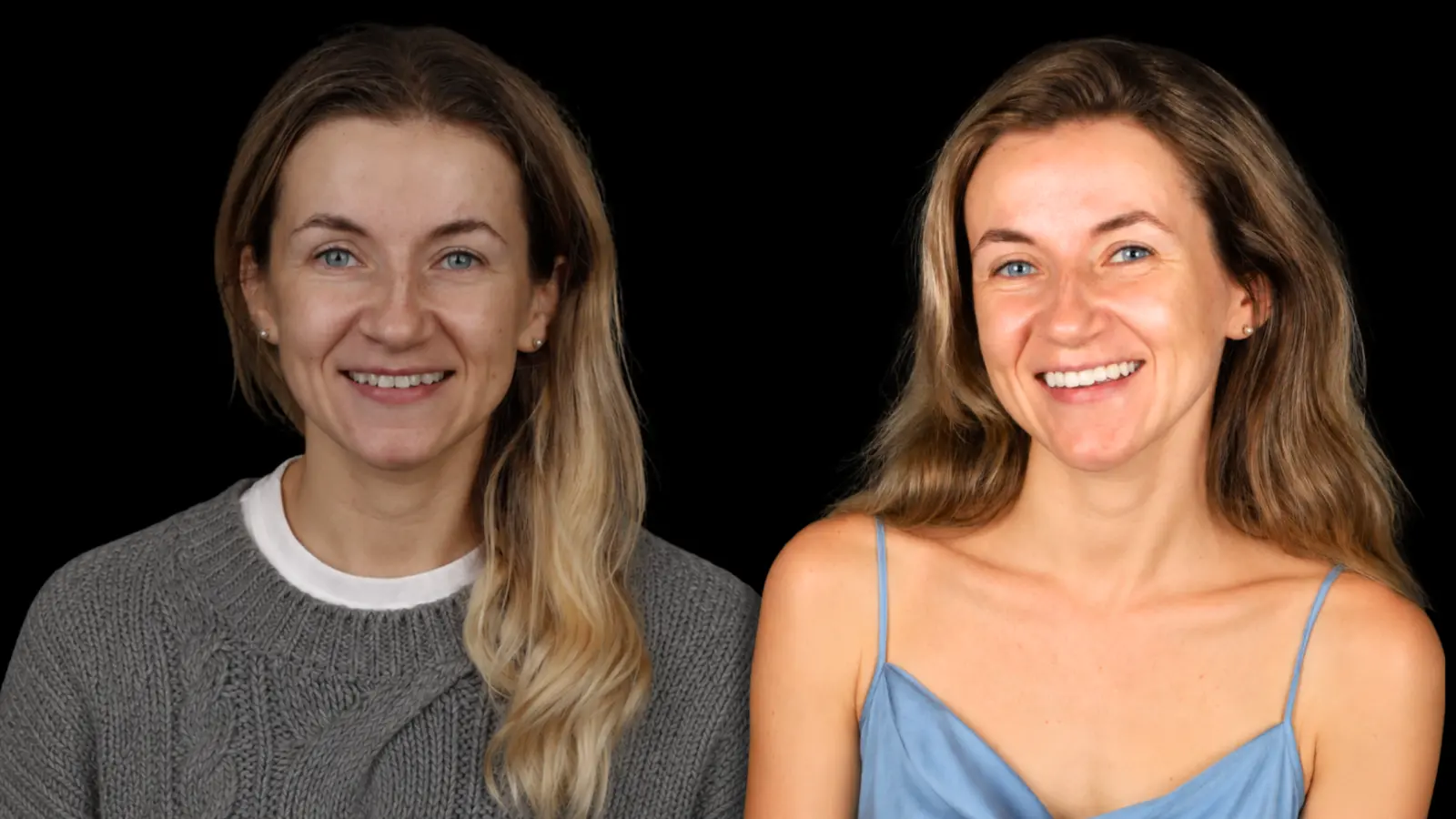
Restoring the aesthetics of your smile and your self-confidence

The crowns in a dental bridge are matched in colour and shape so that missing teeth are not noticeable and the smile looks as natural as possible.

Preserving the natural shape of the face and preventing the displacement of adjacent teeth

Dental bridges hold adjacent teeth in place and prevent them from tilting or shifting towards the gap. This preserves the bite height, maintains facial proportions and prevents sunken cheeks.

Maintaining a correct bite

Bridgework in dentistry is used to maintain bite height and prevent bite misalignment caused by the prolonged absence of teeth.

Improving speech clarity affected by missing teeth

Restoring the dentition eliminates whistling, lisping and other speech impediments associated with gaps caused by tooth extraction or traumatic tooth loss.

Prevention of overloading and atrophy of the jawbone in the area of the defect

A dental bridge partially restores chewing function in the area where teeth are missing, reducing the strain on the supporting teeth and adjacent areas. This helps to slow down the processes of bone atrophy and preserve jawbone volume for longer.

Indications for dental bridge placement

Missing one or more teeth

A dental bridge is fitted when there is a gap in the row of teeth, provided that there are strong teeth on either side that can serve as reliable supports.

The need to quickly restore aesthetics, chewing function and speech clarity

A bridge restoration makes it possible to restore the natural appearance of your smile, full chewing function and clear speech in a short space of time.

Inability or unwillingness to undergo implant treatment

Dental bridges are chosen where there are medical contraindications to implants, a limited budget, or the patient’s personal reluctance to undergo surgery. In such cases, this is the only option for restoring teeth without a removable denture.

Preserved root of a damaged tooth

If the crown of a tooth is severely damaged but the root is healthy, it can be used as a support for a crown in a bridge prosthesis.

Replacement of an old dental bridge

Indications include wear and tear, loosening of cement, and aesthetic or functional problems with the previous bridge.

Prevention of tooth misalignment and malocclusion

A dental bridge is fitted after a tooth has been extracted to prevent the neighbouring teeth from tilting towards the gap and to ensure the bite remains correct.

Payment plans

Dental bridge fittings at FrankoLab Clinic in Ivano-Frankivsk can be arranged with a payment plan. This allows you to start treatment as soon as you need it, whilst paying for the custom-made restoration in instalments: on a schedule that suits you and without any extra charges.

Stages of dental bridge fitting

01

Consultation with an prosthodontist and diagnosis

We examine the oral cavity, assess the condition of the abutment teeth and bone tissue, and perform a CT scan using the J. Morita 3D Accuitomo 170. We determine whether a dental bridge can be fitted and select the most suitable type of restoration.

02

Preparation of abutment teeth or implant placement

We prepare the abutment teeth for crowns to ensure a precise fit for the future bridge. If necessary, we carry out root canal treatment or reinforce the teeth with posts. In some cases, implants need to be fitted.

03

Taking a digital ‘impression’

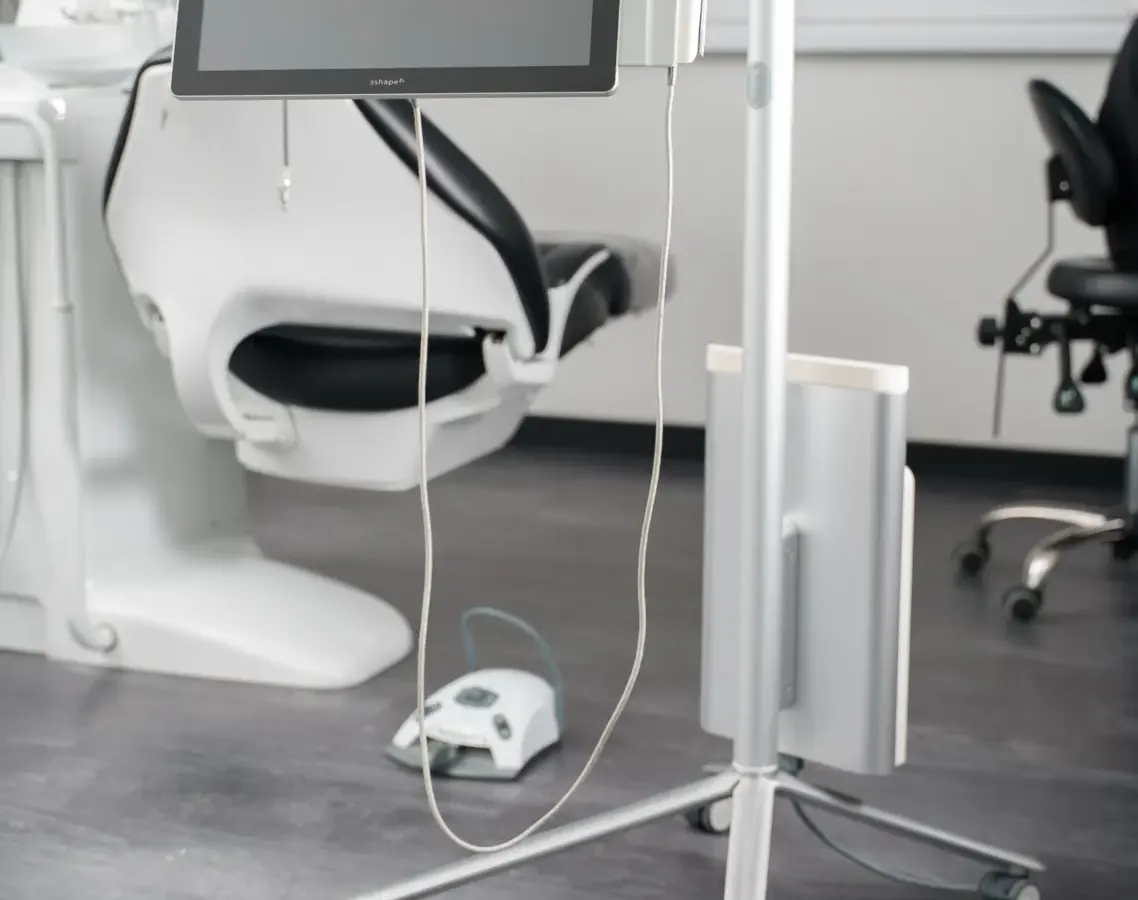
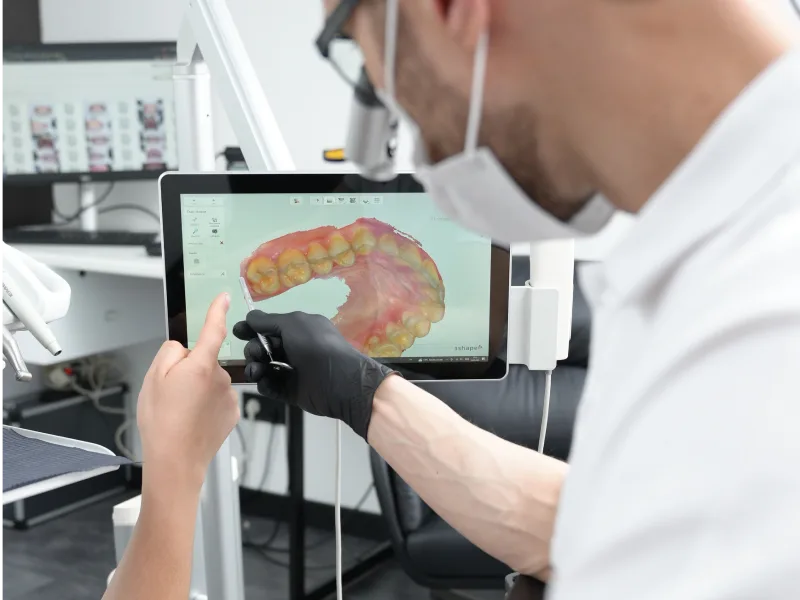
We take precise digital impressions of your teeth and create a 3D model of your jaw using the Sirona Primescan or 3Shape TRIOS. Based on these, our dental laboratory fabricates a bespoke bridge.

04

Fitting a temporary bridge

Whilst the permanent prosthesis is being fabricated, we fit a temporary restoration. This protects the prepared teeth and preserves both aesthetics and function.

05

Fitting of a fixed bridge

We manufacture dental bridges in our own dental laboratory. We create fixed bridge prostheses taking into account the patient’s tooth colour, shape and bite characteristics to achieve the most natural-looking result.

06

Fitting and cementing of a fixed bridge

We check the fit, bite and aesthetics of the restoration. Once agreed with the patient, we permanently fit the dental bridge — securely anchoring it to the supporting teeth.

Partial loss of several adjacent teeth

It is a common problem that affects not only the aesthetics of one’s smile, but also the ability to chew food properly and pronounce sounds clearly. One of the tried-and-tested ways to resolve this is to have a dental bridge fitted. A dental bridge is a prosthesis – a fixed prosthodontic structure consisting of artificial crowns connected to form a single unit and anchored to adjacent supporting teeth or implants. Thanks to this design, a dental bridge reliably closes the gap in the dental arch and distributes the chewing load evenly.

Types of dental bridges we offer

Metal-ceramic bridge

A framework made from a medical-grade alloy, coated with a layer of ceramic, is characterised by high strength, reliability and an affordable price. It is well suited to the posterior regions, where resistance to masticatory forces is important.

Zirconia bridge

We manufacture them from zirconium dioxide. It offers excellent strength, high aesthetic appeal and impeccable biocompatibility. It rarely causes allergic reactions and looks as natural as possible in both the anterior and posterior regions.

All-ceramic (glass-ceramic) bridge (E-max and equivalents)

We manufacture them entirely from ceramic without a metal framework. This ensures the highest level of aesthetics thanks to its natural translucency and light transmission, and it closely mimics tooth enamel. We most commonly use them in the front teeth.

Plastic (temporary) bridge

We manufacture them from acrylic or composite materials. We fit them whilst the permanent restoration is being made; they protect the prepared teeth and maintain the aesthetic appearance.

About the prices of dental bridges

The cost of fitting bridge prostheses in Ivano-Frankivsk at FrankoLab Clinic depends on the material used, the number of units, the need for preparatory treatment and the chosen method of fixation (on natural teeth or on implants). The exact cost will be quoted by the prosthodontist following an examination and the drawing up of a treatment plan.

Our patients’ results

Case Study 4: Comprehensive dental restoration using crowns and veneers

Diagnosis:

Complete loss of dental function due to teeth that could not be saved. The patient required comprehensive rehabilitation of both jaws, restoring both chewing function and aesthetics.

Treatments:

All teeth that could not be saved were extracted. In the first stage, 4 implants were placed in the upper jaw and 6 in the lower jaw. During the next stage of treatment, a further 2 implants were placed in the upper jaw. As a result, the permanent prosthetic restoration will be anchored to six implants in the upper jaw and six implants in the lower jaw, providing a secure foundation for the future prosthesis.

Result:

The patient has successfully completed the surgical stages of treatment and is preparing for the final prosthetic restoration. The chosen rehabilitation approach ensures maximum stability of the restoration, even distribution of the chewing load, long-lasting results and a high level of comfort.

Case Study 3: Composite Restorations

Diagnosis:

The patient presented with complaints of discolouration of her front teeth, numerous old composite restorations and an unsatisfactory smile. During the clinical examination, discolouration of the teeth was identified, along with restorations that had lost their functionality and aesthetic appearance.

Treatments:

Following digital planning, a decision was made to carry out aesthetic restoration of the upper incisors using refractive veneers.
The restorations
are made entirely from ceramic materials, without any metal framework, which is one of the most aesthetically pleasing techniques in modern dentistry. This method allows for the most accurate reproduction of the natural translucency, colour depth and optical properties of natural enamel, ensuring a flawless result.

Result:

Discolouration has been removed and old, unaesthetic restorations have been replaced. The natural shape, proportions and harmony of the front teeth have been restored. Thanks to refractive veneers, the patient achieved a natural, bright and aesthetically pleasing smile that closely mimics natural teeth, combining durability, functionality and premium aesthetics.

Case 2: Implantology. Prosthetics

Diagnosis:

The patient presented with complaints of discomfort whilst chewing, increased tooth sensitivity and dissatisfaction with the appearance of her smile.

Treatments:

The first stage involved professional hygiene, comprehensive oral rehabilitation, therapeutic and endodontic treatment, the extraction of teeth that could not be restored, and implant placement.

Immediately following the surgical stage, temporary prosthetic restorations were fitted.
Six months
later, a prototype of the future smile was fabricated in the clinic’s own dental laboratory, FrankoLab.

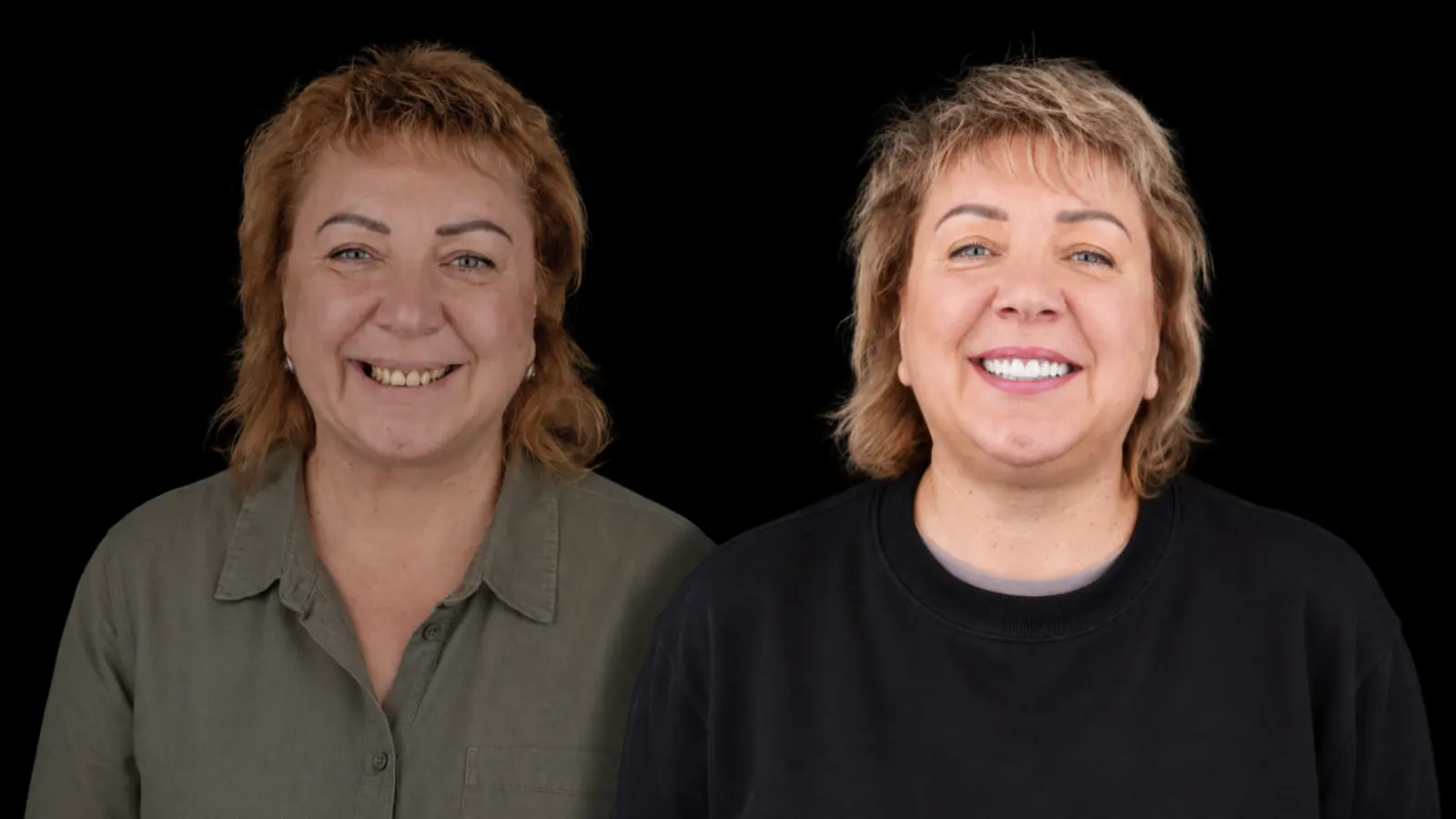
The final stage involved the fitting of 24 fully anatomical zirconia crowns onto the patient’s natural teeth and implants in the upper and lower jaws.

Result:

Full functional and aesthetic rehabilitation has been achieved. Tooth sensitivity has been eliminated, chewing efficiency has been fully restored, and a stable prosthetic structure and a natural, harmonious smile have been created.

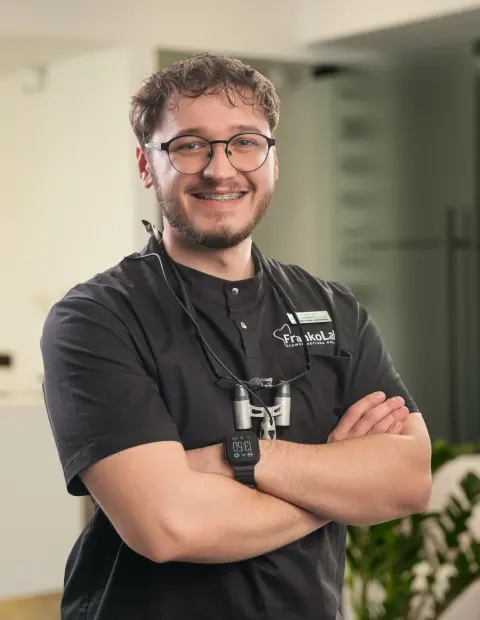
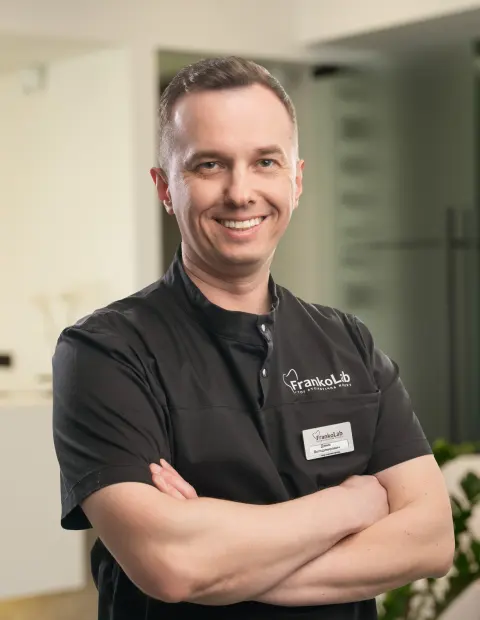
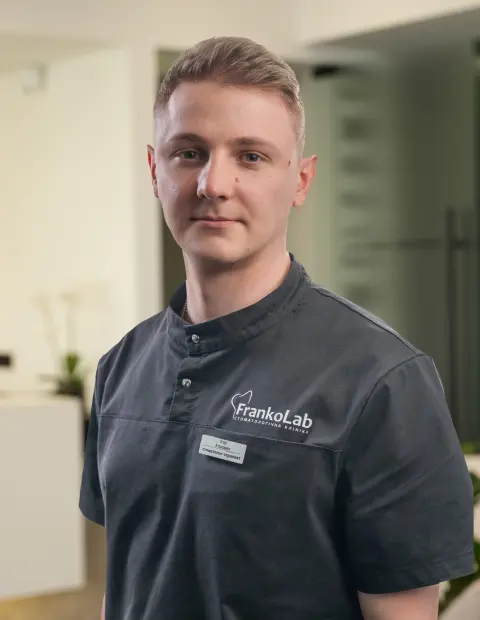
Doctors providing treatment

Patient reviews

4,9 Google rating All reviews on Google

Diana Kruk

08.07.2026

The clinic and service are of the highest standard – keep up the good work!

Ksenia Savenko

23.06.2026

I am very grateful to the whole FrankoLab team for the experience I’ve had with you. You are incredible! I wish you continued growth and prosperity, because the smiles you create are not only beautiful but also genuine, as seen on the faces of your grateful clients.

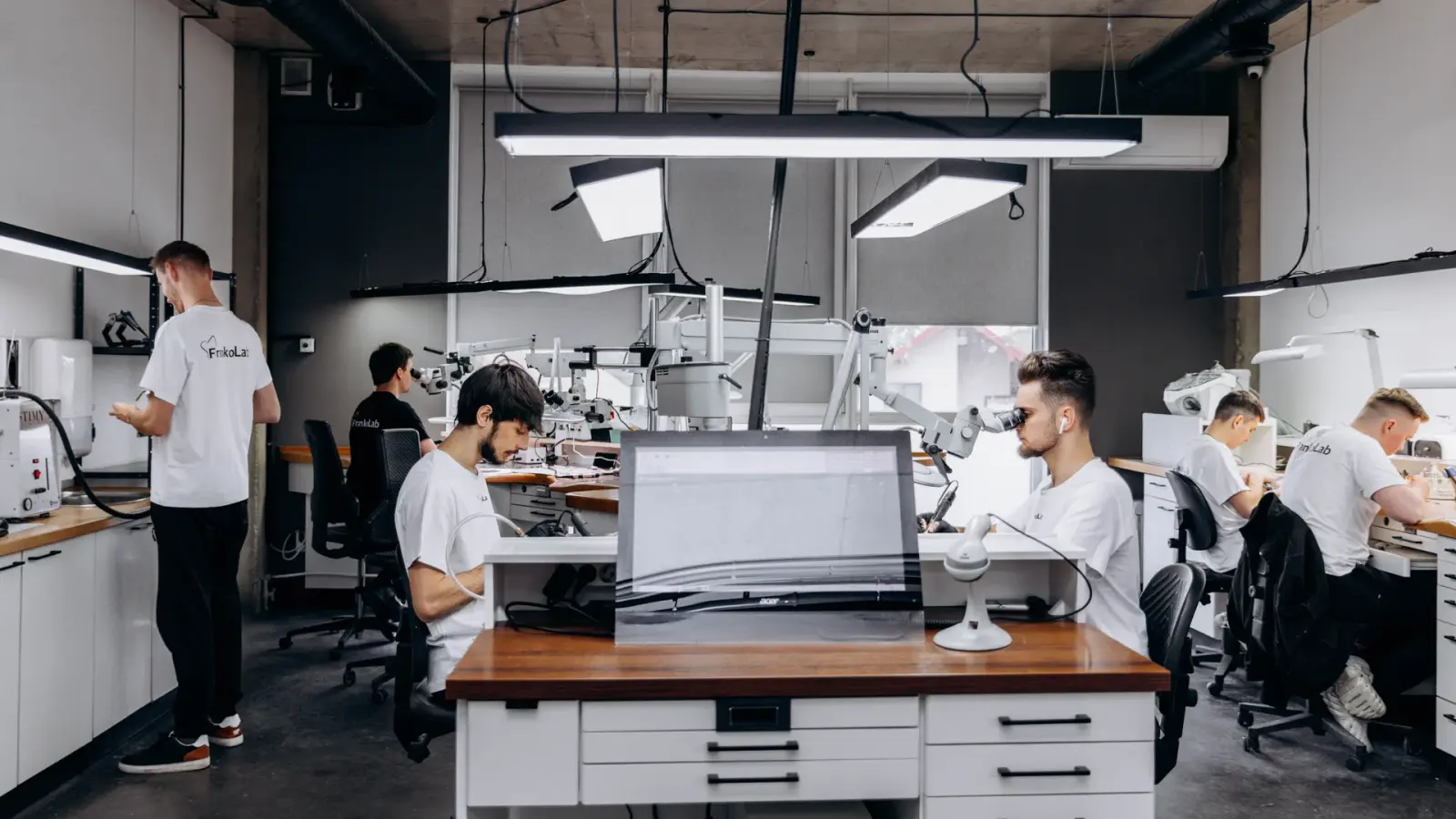
FrankoLab Dental Laboratory

Book a consultation with a prosthodontist at FrankoLab Clinic — our specialist will assess the condition of your teeth and select the most suitable type of bridge

Why people choose FrankoLab Clinic for dental bridge fittings

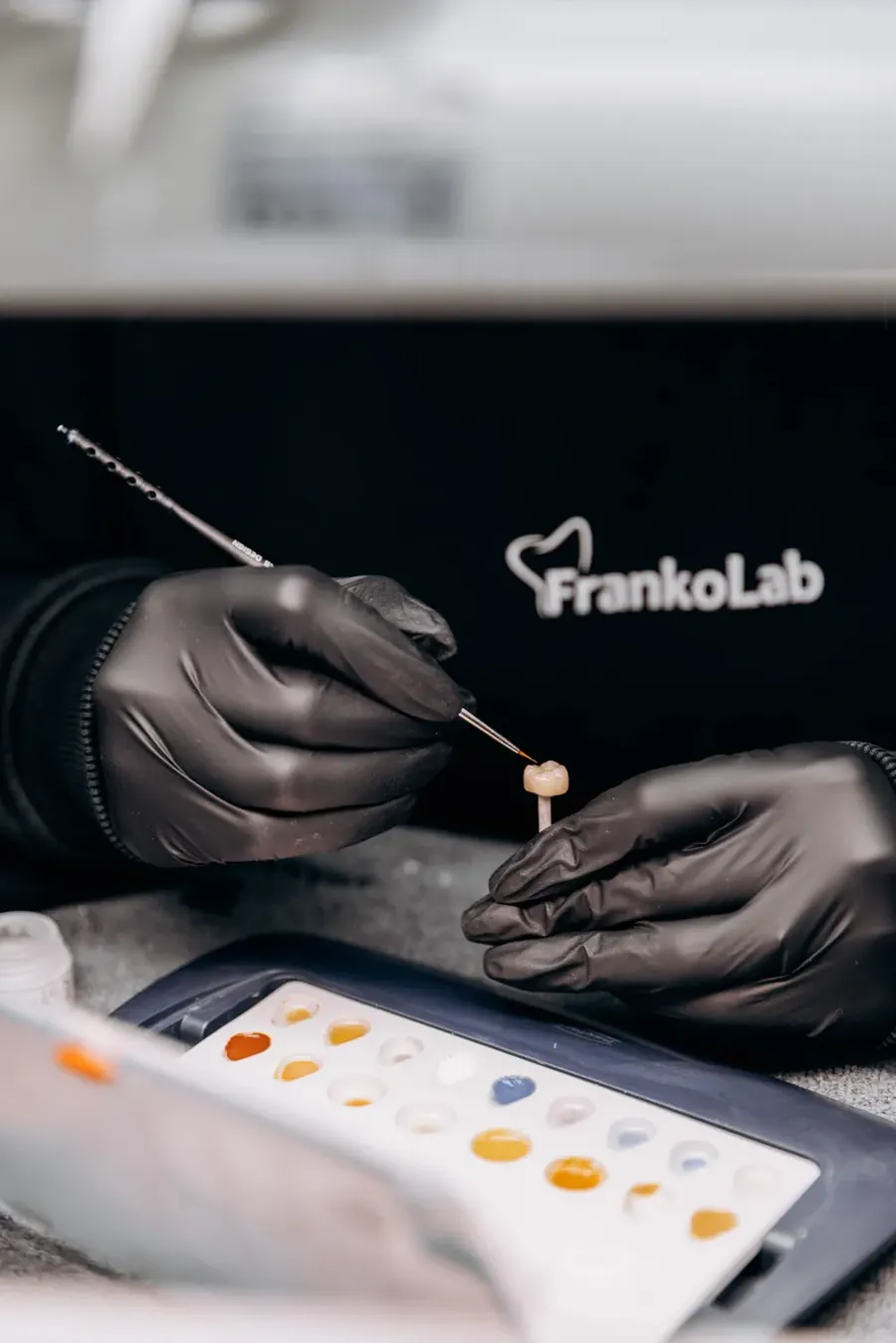
A FrankoLab dental technician works on a crown in the clinic’s in-house laboratory
01

In-house full-service dental laboratory

We manufacture bridges directly at our clinic. This ensures full quality control, a precise fit and shorter treatment times. The prosthodontist and dental technician work as part of the same team and are able to consult with one another.

02

Accurate diagnosis and digital planning

We use modern examination methods and digital impressions. As a result, the bridge perfectly replicates the anatomy of the teeth and jaws, ensuring a comfortable bite.

03

A wide range of materials

We work with metal-ceramic, zirconia and glass-ceramic materials. We select the material depending on the area to be restored, as well as aesthetic and strength requirements.

04

Careful preparation of the abutment teeth

We minimise the amount of tooth structure removed from the abutment teeth and always fit high-quality temporary restorations to protect the teeth whilst the permanent bridge is being fabricated.

05

A comprehensive ‘turnkey’ approach

From the initial consultation and preparation right through to the fitting of the finished bridge, the patient undergoes the entire process at a single clinic: without having to seek out external laboratories or specialists.

06

A focus on aesthetics and durability

We carefully select the colour and shape of the crowns to ensure they look natural. We use only tried-and-tested, certified materials and technologies that guarantee long-lasting results.

Frequently asked questions about dental bridges

The preparation of abutment teeth and the fitting of a bridge at FrankoLab Clinic are carried out under anaesthesia (local or general), so the procedure is painless. Minor discomfort may be experienced in the first few days after the teeth have been prepared, but this usually subsides on its own quite quickly, within a few days.
Yes, dental bridges can be fitted in the front teeth area. For this, glass-ceramic or zirconium dioxide are most commonly chosen — materials that ensure the most natural-looking result.
A metal-ceramic bridge is a practical and durable solution at a more affordable price, whilst a zirconia bridge offers better aesthetics, lightness and biocompatibility. The dentist will recommend the best option based on the location of the defect, the patient’s preferences and their financial circumstances.
Provided they are manufactured to a high standard and properly looked after, a bridge may last for 10–15 years or longer. The lifespan depends on the material used, the condition of the supporting teeth and the regularity of check-ups.
A dental bridge is secured to adjacent supporting teeth or implants, allowing us to restore several teeth at once within a single structure. An implant, on the other hand, is placed directly into the bone. It replaces the root of a single tooth without affecting neighbouring teeth. For comprehensive replacement of the entire dental arch, we also offer All-on-4 and All-on-6 implant treatments, meaning we carry out a full restoration using four or six support points.
If a bridge is fixed to your natural teeth, they do indeed need to be prepared to accommodate the abutment crowns. However, if the bridge is fixed to implants, there is no need to prepare the adjacent teeth.
For example, the classic bridge prosthesis is fixed to the patient’s own, pre-prepared abutment teeth without the need for implants.
Provided the restoration is precisely fabricated and correctly fitted, there is a risk of food getting trapped, but it is minimal. The dentist selects the shape of the bridge to ensure a tight fit and ease of oral hygiene.
Caring for a bridge involves brushing your teeth twice a day, using a special interdental brush or dental floss to clean beneath the bridge, and regular check-ups with your dentist.
Contraindications may include acute inflammatory conditions in the oral cavity, significant mobility of the abutment teeth, insufficient bone height or certain systemic conditions. The final decision is made by the dentist following an examination and diagnosis.
Minor surface wear is possible with prolonged use, particularly if you suffer from bruxism. To ensure you can use the restoration for a long time, your dentist may sometimes recommend a night guard to protect against excessive stress.
The advantages include relatively rapid restoration of the dentition, secure fixation and a natural appearance. The disadvantages include the need to grind down the abutment teeth (in the traditional method) and the gradual stress placed on them throughout the entire lifespan of the fixed prosthetic restoration.

Book a consultation

Book a consultation and one of our managers will contact you shortly

+380 50 011 20 00

FrankoLab Clinic dental surgery

A healthy smile starts with the right decision

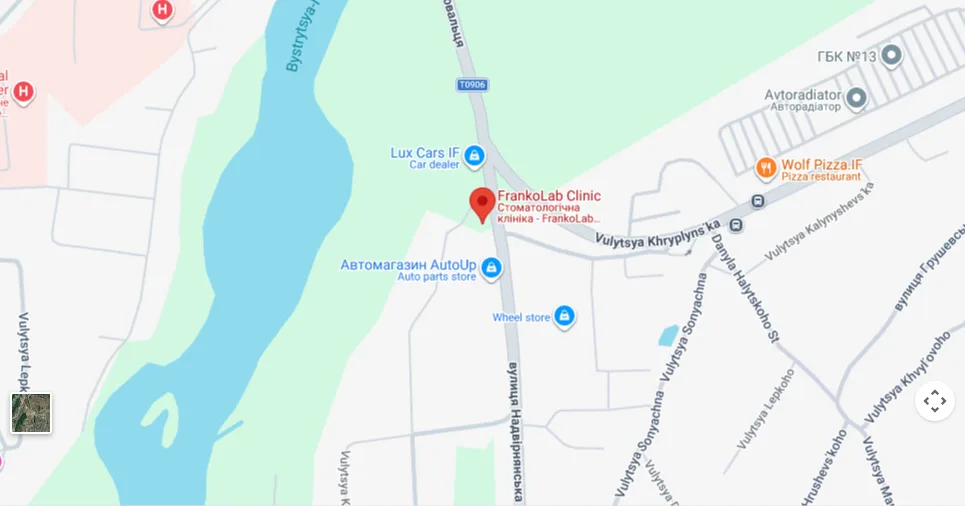
  • 77460, Ivano-Frankivsk, Cherniiv village, 2B Nadvirnianska Street
  • Mon–Sat 9.30 am–7.00 pm, Sun 10.00 am–7.00 pm
  • +380 50 011 20 00
Book a consultation
Map: 77460, Ivano-Frankivsk, village of Cherniiv, 2B Nadvirnianska Street