01Significantly faster healing process — from 3–6 weeks
02Reducing the risk of complications
03Lifetime guarantee on the implant itself and an aesthetic smile
Straumann dental implant placement in Ivano-Frankivsk
Tooth loss is not just an aesthetic issue: it affects chewing ability, speech and the overall condition of the jawbone. Modern dental implantation makes it possible to fully restore the dentition without damaging neighbouring teeth. One of the premium options for such restoration offered at FrankoLab Clinic is Straumann dental implants — a Swiss-developed solution that combines cutting-edge technology with clinically proven reliability.
A Straumann dental implant is a titanium-zirconium artificial tooth root with a patented surface that ensures a strong bond with bone tissue and a long service life.
Straumann uses Roxolid® — an alloy comprising 85 per cent titanium and 15 per cent zirconium, which is 15–20 per cent stronger than standard titanium. This allows for the placement of thinner implants (from 2.9 mm in diameter), even where bone volume is insufficient, reducing the need for bone grafting. The SLActive® (nanostructured) surface helps the implant integrate into the bone within 3–6 weeks (sometimes longer).
Reliability and clinical results
High success rates, even in high-risk patients (smokers, diabetics, those who have undergone radiotherapy), minimal bone loss over time (0.5–1 mm over 10 years), high initial stability thanks to the conical shape and micro-threads, which ensure secure fixation and durability (maintaining stability for decades).
Practical benefits for patients
These implants allow for immediate or early loading (prosthetics), ensuring a natural look and feel — permanent implant-supported restorations are indistinguishable from natural teeth and preserve adjacent teeth and jawbone structure (unlike bridges).
How much does it cost to have a Straumann dental implant fitted?
The cost of Straumann dental implant placement in Ivano-Frankivsk at our clinic depends on several factors: the type and size of the implant, the complexity of the clinical case, the need for bone grafting, and the type of turnkey prosthetic solution. At FrankoLab Clinic, we set the price for Straumann dental implant placement transparently: you will receive a detailed quote following a consultation with a dentist and 3D diagnostics. There are no hidden charges.
The dentist will quote the final cost following an examination and diagnosis. Payment in instalments is available. Full price list for the clinic
Payment in instalments
We offer convenient payment options — including instalment plans with no extra charges. You can have Straumann dental implants fitted today and pay in instalments — with no interest and no guarantors required. Please check the terms and conditions of our available instalment plans with our administrator.
Stages of fitting Straumann Swiss implants
01
Consultation and treatment planning
We examine the oral cavity, carry out 3D diagnostics and modelling, assess the condition of the bone tissue, select the type and size of Straumann implant, and draw up a personalised treatment plan, including the preparatory stage.
02
Preparation
We carry out professional dental cleaning, treat gum disease (where necessary), and prepare bone tissue for implantation (in cases of insufficient bone volume — only when it is absolutely essential).
03
The surgical stage
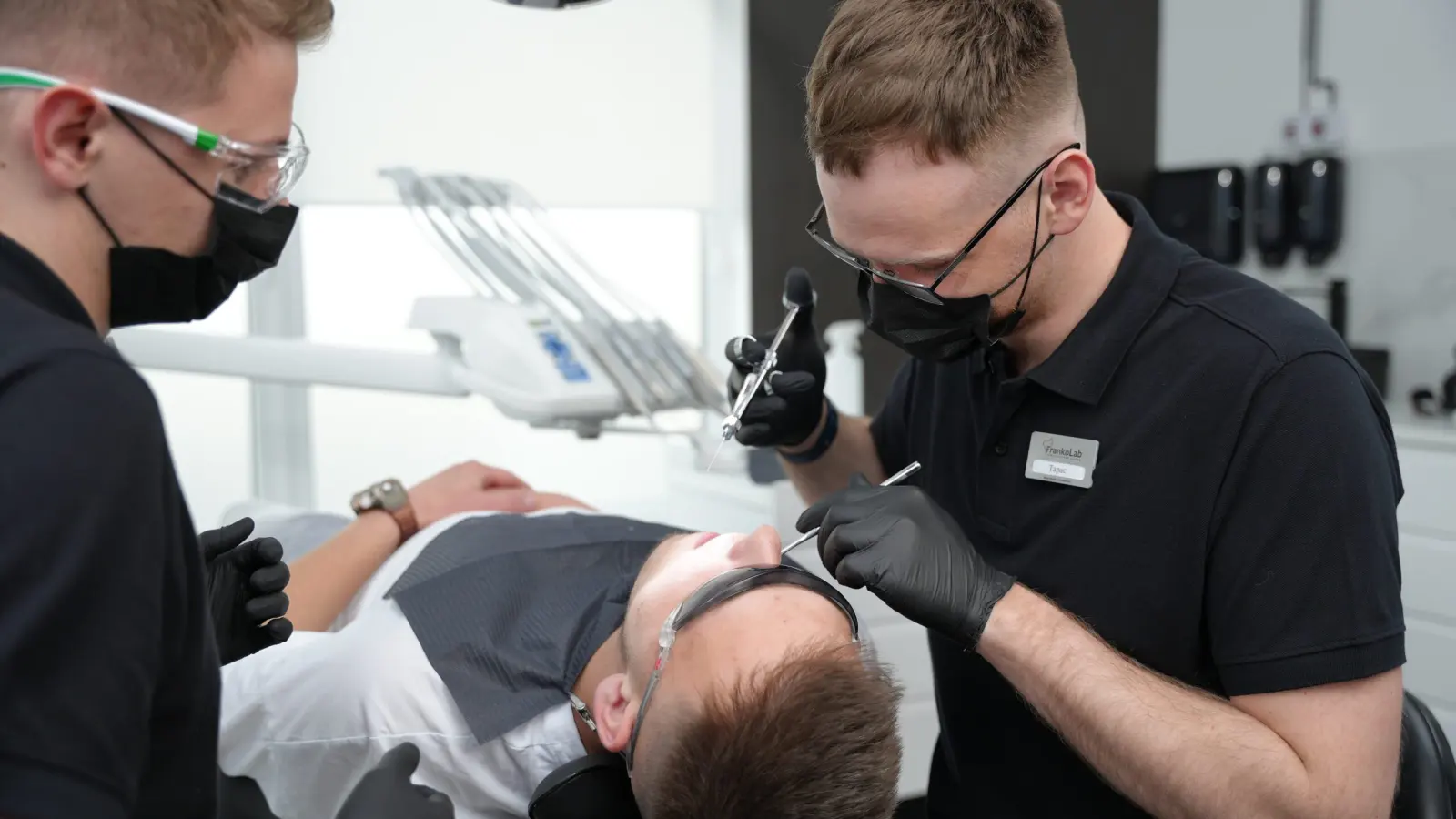
Under anaesthesia, we prepare the site and place a Straumann titanium-zirconium post into the bone tissue in accordance with all surgical protocols. The procedure takes 30–60 minutes. Immediately after implantation, we fit a cap (if a two-stage implantation is planned) or a healing abutment.
04
Osseointegration
The osseointegration of a Straumann implant and the formation of a strong bond with the bone tissue takes several weeks (usually 6–12 weeks are sufficient). During this time, you will not be left without teeth, as you will be fitted with a temporary restoration.
05
Fitting of a healing abutment
After implant placement, we fit a temporary fixture to shape the gums correctly. The gums adapt around the fixture (if necessary, soft tissue surgery is performed for this purpose). The procedure takes 15–30 minutes.
06
Prosthetics
We take a digital impression and fabricate a permanent restoration in our own dental laboratory using Straumann abutments. We check the bite, the condition of the gums and the function of the implant, and provide care recommendations.
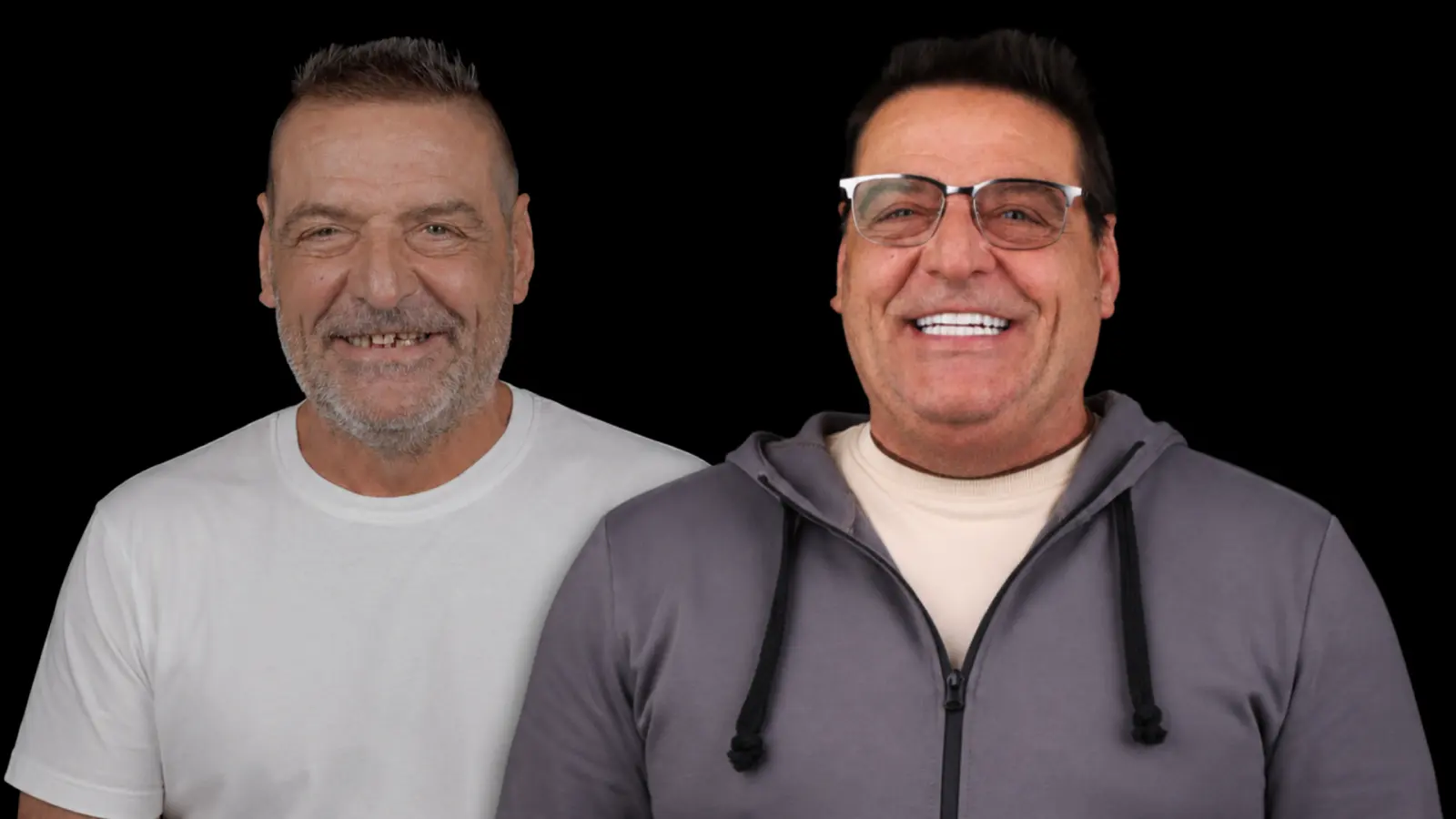
Our patients’ results
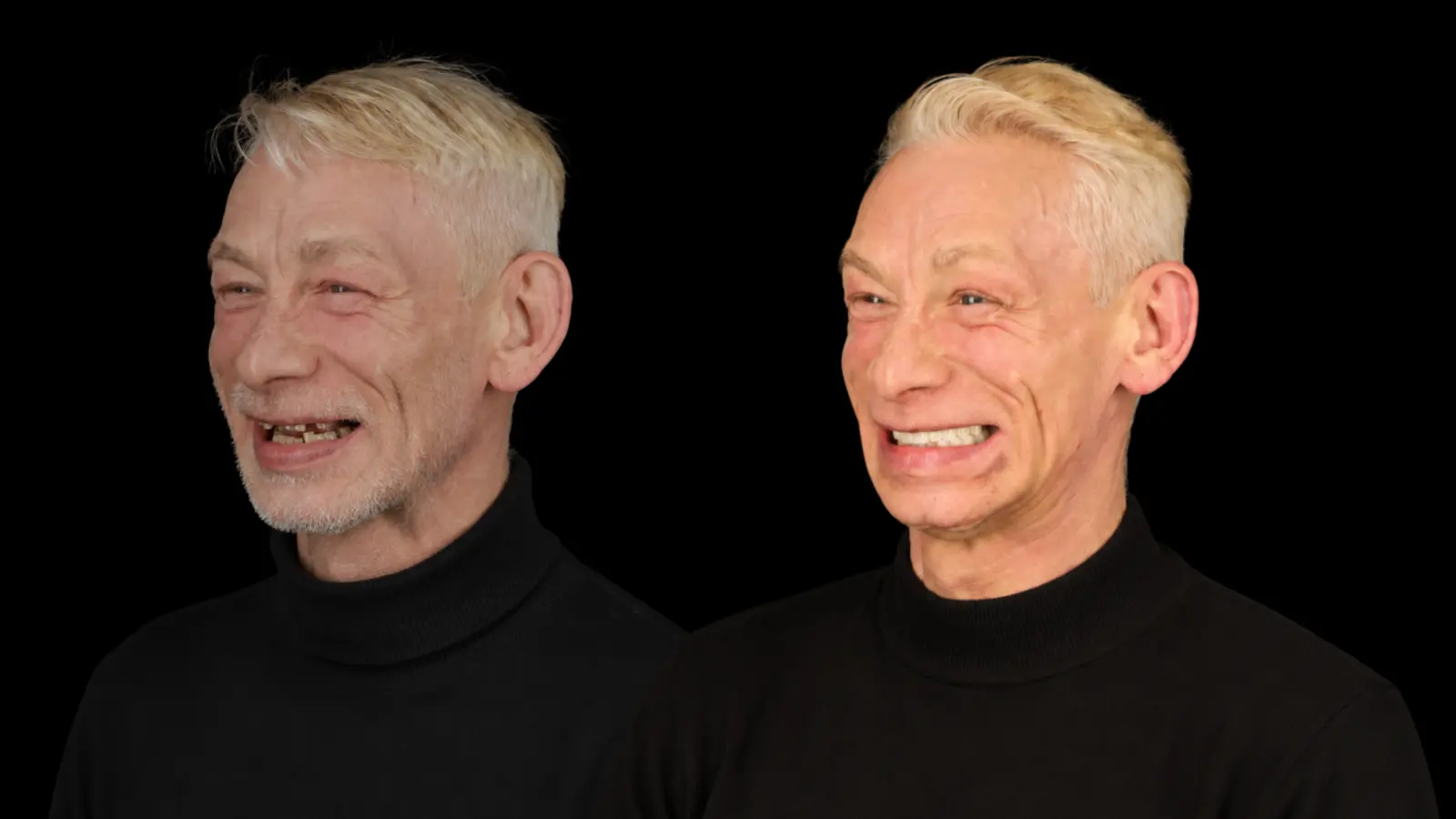
Diagnosis:
Complete loss of dental function due to teeth that could not be saved. The patient required comprehensive rehabilitation of both jaws, restoring both chewing function and aesthetics.
Treatments:
All teeth that could not be saved were extracted. In the first stage, 4 implants were placed in the upper jaw and 6 in the lower jaw. During the next stage of treatment, a further 2 implants were placed in the upper jaw. As a result, the permanent prosthetic restoration will be anchored to six implants in the upper jaw and six implants in the lower jaw, providing a secure foundation for the future prosthesis.
Result:
The patient has successfully completed the surgical stages of treatment and is preparing for the final prosthetic restoration. The chosen rehabilitation approach ensures maximum stability of the restoration, even distribution of the chewing load, long-lasting results and a high level of comfort.
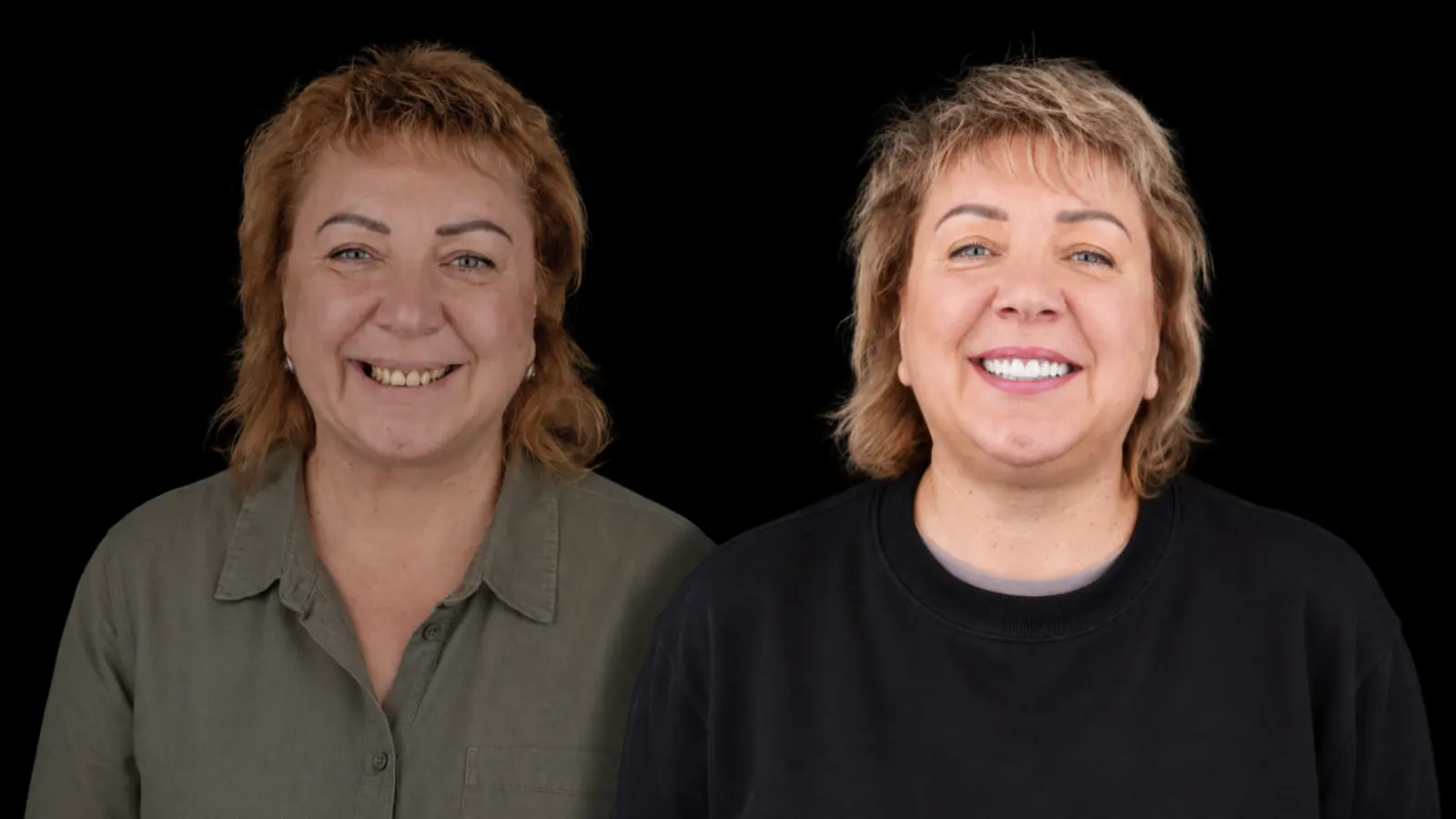
Diagnosis:
The patient presented with complaints of discomfort whilst chewing, increased tooth sensitivity and dissatisfaction with the appearance of her smile.
Treatments:
The first stage involved professional hygiene, comprehensive oral rehabilitation, therapeutic and endodontic treatment, the extraction of teeth that could not be restored, and implant placement.
Immediately following the surgical stage, temporary prosthetic restorations were fitted. Six months later, a prototype of the future smile was fabricated in the clinic’s own dental laboratory, FrankoLab.
The final stage involved the fitting of 24 fully anatomical zirconia crowns onto the patient’s natural teeth and implants in the upper and lower jaws.
Result:
Full functional and aesthetic rehabilitation has been achieved. Tooth sensitivity has been eliminated, chewing efficiency has been fully restored, and a stable prosthetic structure and a natural, harmonious smile have been created.
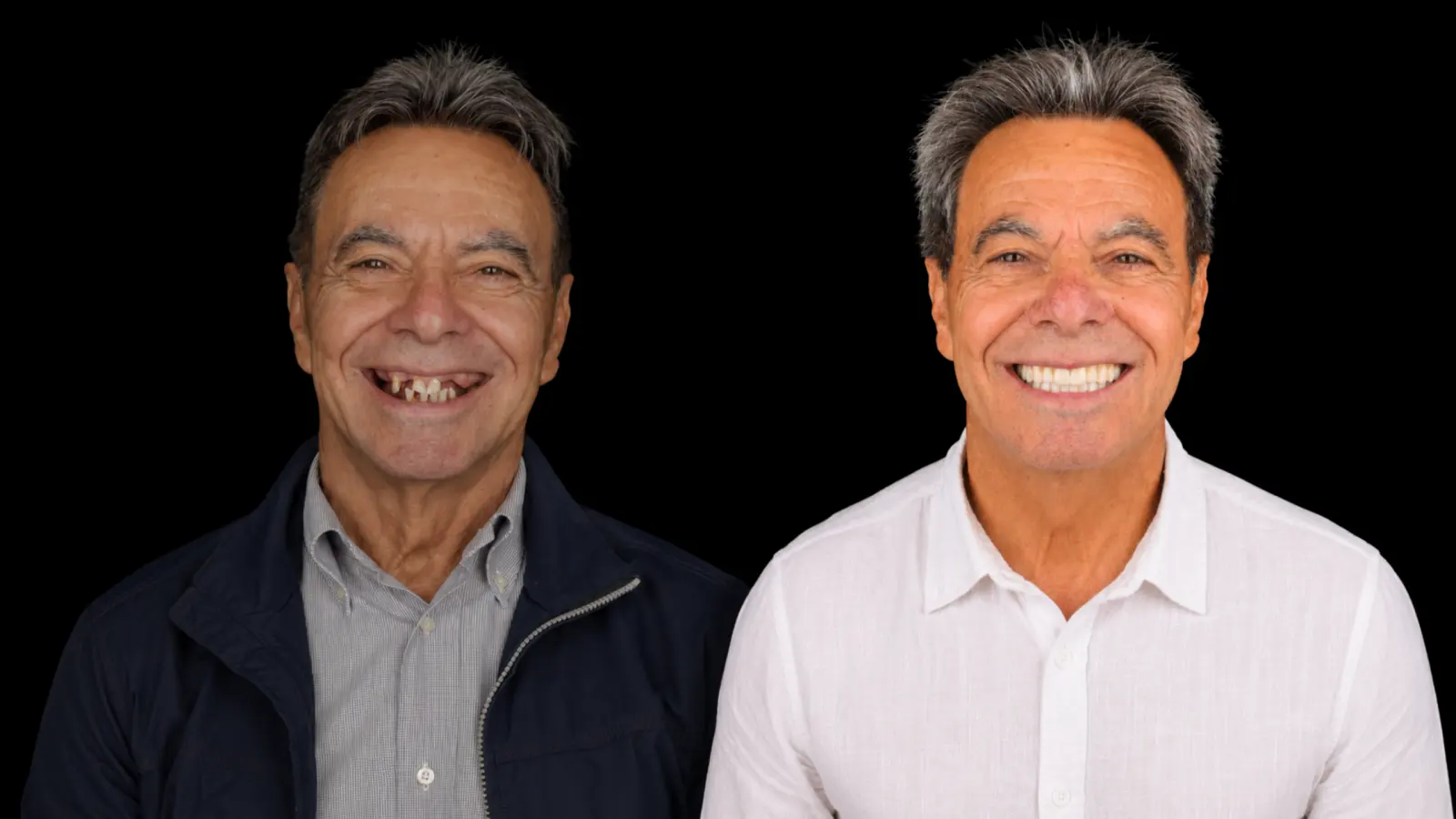
Diagnosis:
A patient from Italy presented with complaints of multiple missing teeth, generalised periodontitis, impaired chewing function and an unsatisfactory smile.
Treatments:
In the first stage, a full diagnosis and oral rehabilitation were carried out, followed by a sinus lift.
Straumann implants were fitted using the ‘All-on-6’ concept. The surgical procedure was carried out under medical sedation, ensuring a comfortable experience for the patient, who suffered from severe dental phobia.
The very next day, provisional restorations were fitted, allowing the patient to smile comfortably, speak and lead a normal lifestyle. These were subsequently replaced with reinforced temporary restorations. Six months after the completion of the osseointegration period, the permanent zirconia restorations were cemented in place.
Result:
Within a short period of time, the patient regained their ability to chew, a natural-looking smile and the chance to return to everyday life without discomfort.
Diagnosis:
Partial edentulism, mobility of remaining teeth, severe bone atrophy and chronic periodontal inflammation. The patient complained of difficulty chewing food, discomfort whilst chewing and an unsatisfactory appearance of their smile.
Treatments:
Digital treatment planning was carried out, along with the fabrication of surgical guides, the extraction of teeth that could not be saved, the placement of six implants in each jaw, and the fixation of fixed temporary restorations reinforced with titanium bars. Following the completion of the osseointegration period, the second stage of treatment was carried out — the fabrication and fixation of permanent prosthetic restorations.
Result:
The patient has had their upper and lower dentition fully restored, regaining stable chewing function and a natural-looking smile. Discomfort whilst eating has disappeared, and their self-confidence and quality of life have been restored.
The clinic and service are of the highest standard – keep up the good work!
Ksenia Savenko
23.06.2026
I am very grateful to the whole FrankoLab team for the experience I’ve had with you. You are incredible! I wish you continued growth and prosperity, because the smiles you create are not only beautiful but also genuine, as seen on the faces of your grateful clients.
Ready to start your journey towards a beautiful smile? Book a consultation at FrankoLab Clinic — and find out if Straumann implants are right for you.
Why people choose FrankoLab Clinic for Straumann dental implants
01
Official Straumann dental implants
We use only genuine Straumann products — the global market leader with proven reliability and the highest success rate — sourced from an authorised dealer, complete with an implant certificate and serial number. Furthermore, if required, our dentist can recommend other popular and widely used prosthetic systems.
02
In-house full-service digital dental laboratory
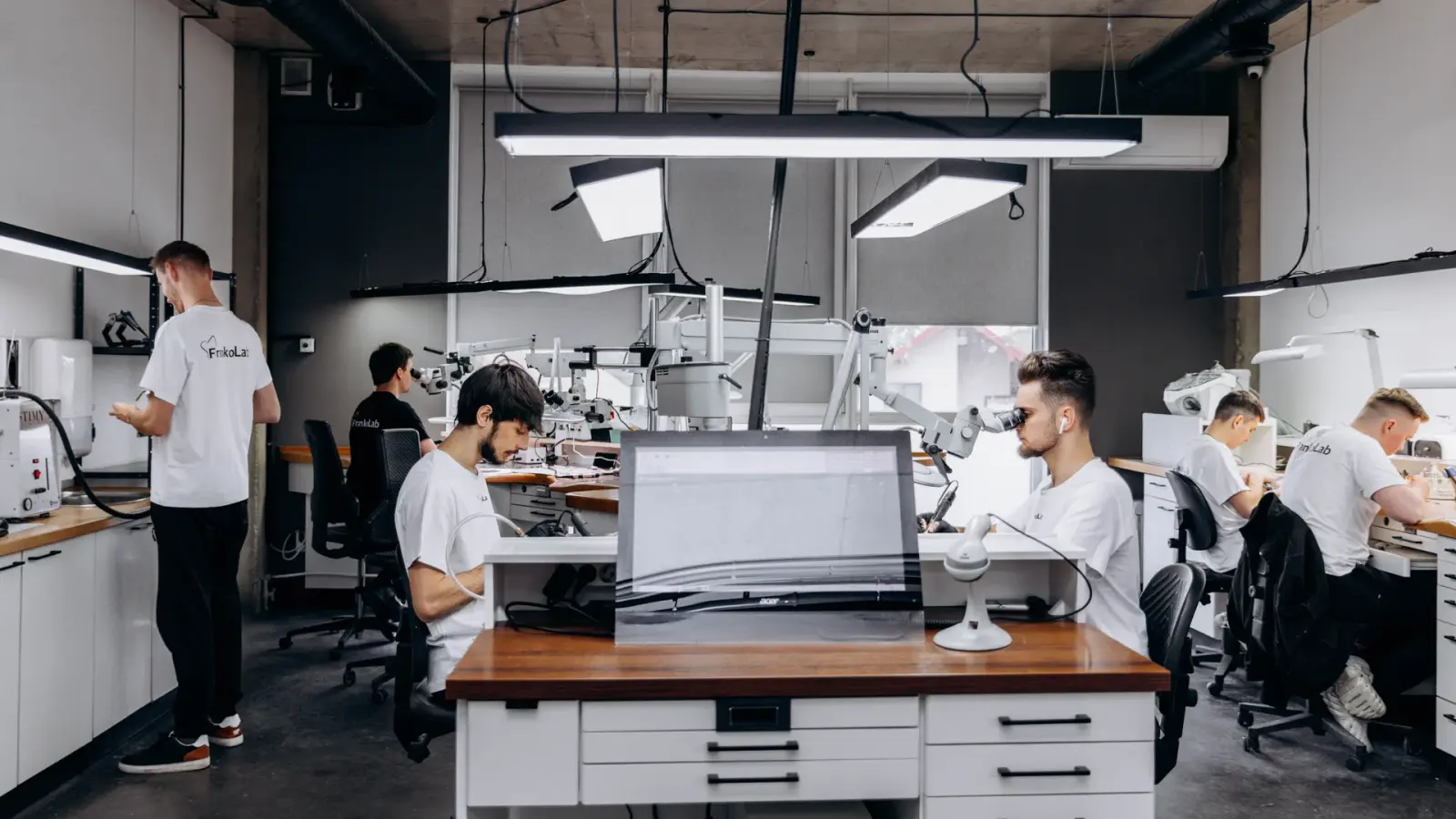
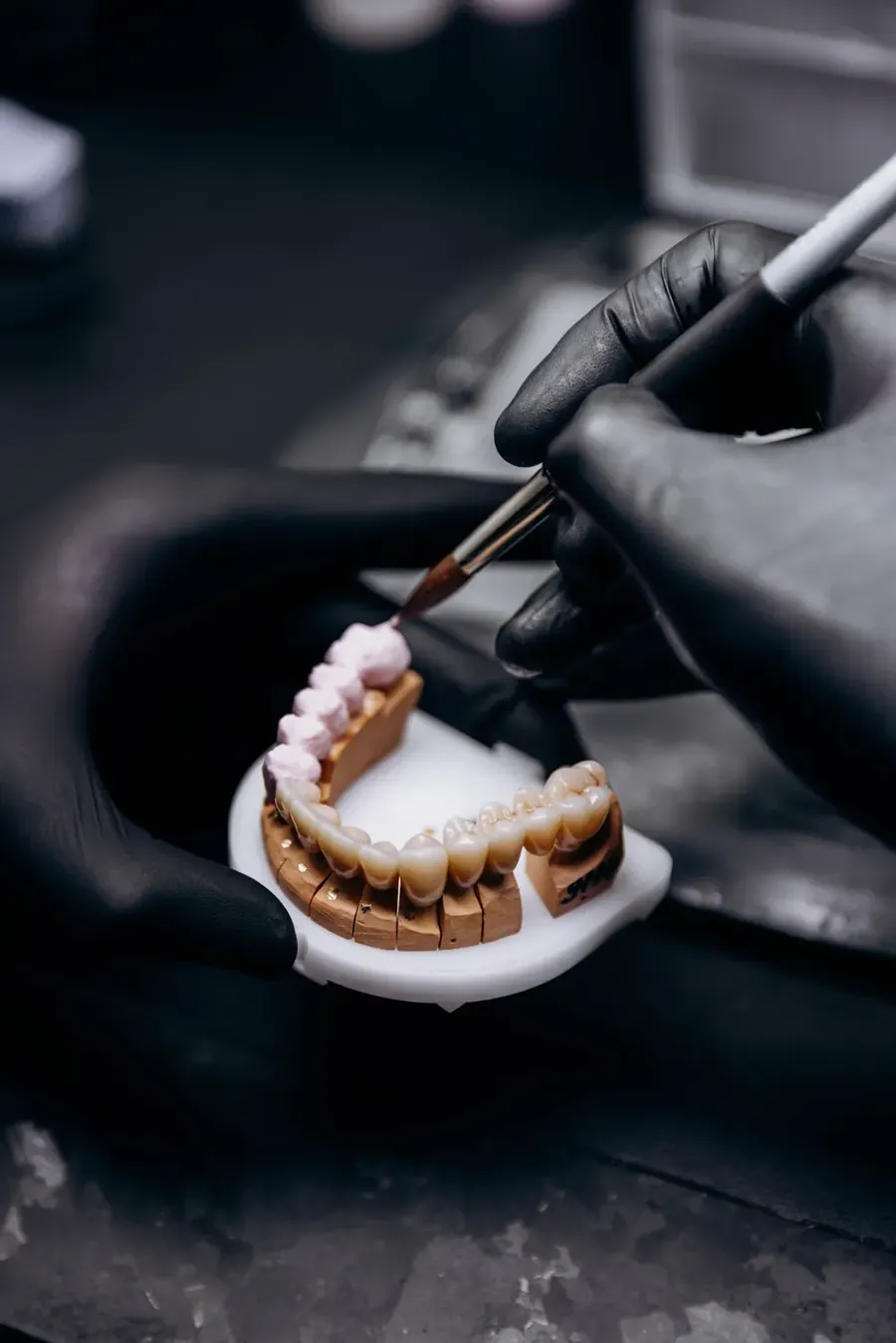
We do not send orders to external laboratories, but manufacture all restorations directly in our state-of-the-art digital laboratory, which is located in the same complex as the dental clinic. This enables us to provide ‘turnkey’ prosthetic solutions, combining the quality of Straumann dental implants, the expertise of our specialists (prosthodontist and implantologist) and the final restoration.
03
A modern digital protocol offering the highest precision
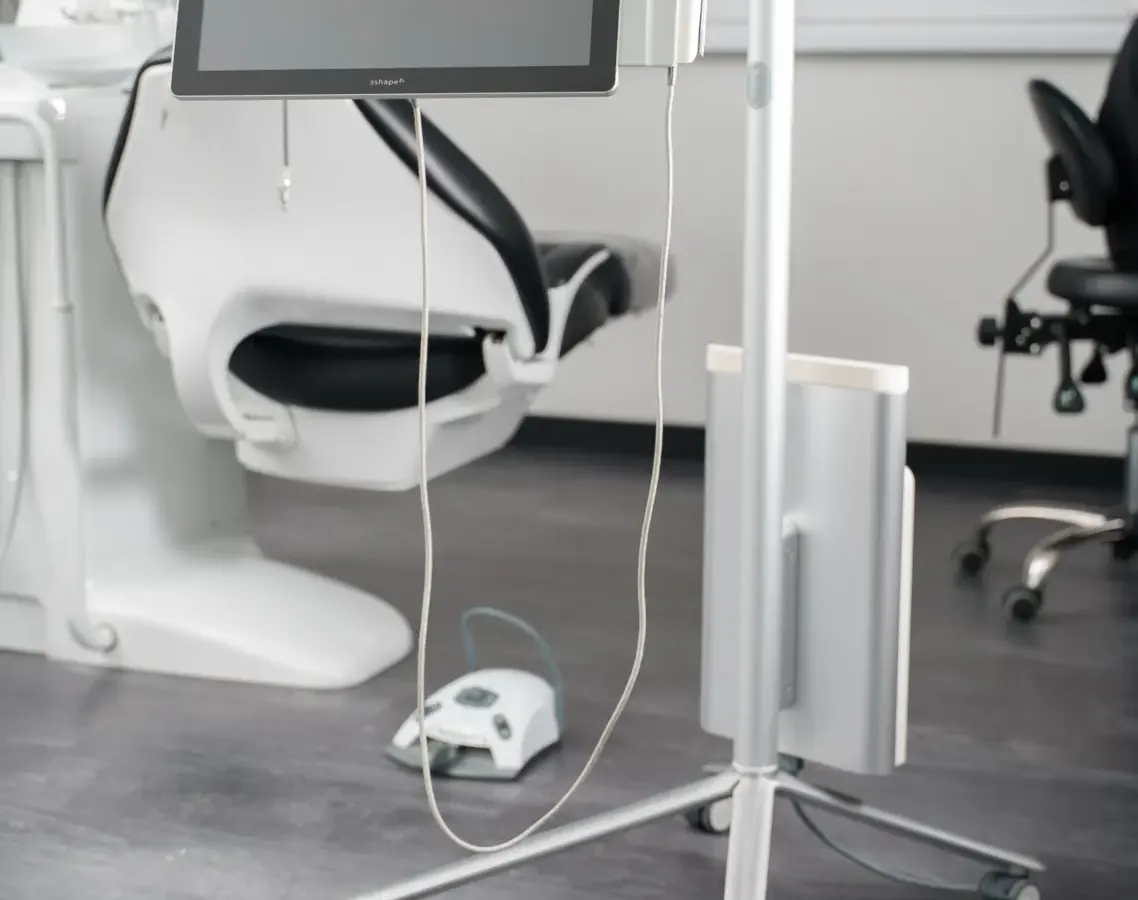
We use a fully digital implant protocol: from diagnosis to the final restoration. This enables us to achieve precision and predictability in the results. Key technologies: navigated surgery (implant placement with an accuracy of 0.1 mm thanks to 3D planning and custom surgical guides manufactured in our own laboratories), CT scans using the J. Morita 3D Accuitomo 170 with minimal radiation exposure, 3Shape TRIOS 3 and Dentsply Sirona Primescan intraoral scanners for digital impressions without traditional trays, and Carl Zeiss and Leica M655 surgical microscopes for the highest level of detail.
04
Complex cases and rapid recovery
We specialise in All-on-4 / All-on-6 — full dental restoration in 1 day; we perform painless sinus lifts, bone augmentation and implant placement even in complex cases; we treat patients whilst they sleep and ensure rapid recovery. We can help you even when others have turned you away and thrown up their hands in despair.
05
Dental tourism without any hassle
We welcome patients from all over Ukraine and abroad, and help organise treatment to make it as convenient as possible. To this end, we offer a free transfer service, personalised support, treatment under sedation, payment plans and comprehensive package solutions. Careful planning and online consultations help to reduce the number of visits and save time.
Frequently asked questions about Straumann dental implants
We carry out Straumann implant placement under local or general anaesthesia, so the patient feels no pain during the procedure. Once the anaesthesia has worn off, there may be some minor discomfort, which can be relieved with standard painkillers. For the most part, patients find the implant procedure much easier to tolerate than they had expected.
According to clinical data from the Straumann Group, the success rate for osseointegration exceeds 98 per cent after 10 years of follow-up. The patented SLActive surface ensures rapid and reliable osseointegration, even in complex clinical cases — for example, in patients with diabetes or reduced bone density.
Thanks to the hydrophilic and chemically active SLActive surface, osseointegration of Straumann dental implants occurs more quickly than with competing products. The standard osseointegration period is 6–12 weeks, whereas traditional surfaces require 12–16 weeks. The exact duration depends on the volume and quality of the individual patient’s bone tissue, as well as the body’s regenerative capacity.
Yes, provided there is sufficient bone volume and no inflammation, Straumann dental implants can be placed in the socket immediately after tooth extraction (known as immediate dental implantation). This makes it possible to shorten the overall treatment time and prevent bone resorption. The dentist will determine the suitability of this procedure during the consultation.
Straumann is one of the few manufacturers to offer a lifetime guarantee on its implants. With proper care and regular check-ups, Straumann (Switzerland) dental implants last for decades. Numerous clinical studies confirm that they remain fully functional in over 95 per cent of patients 15 years or more after placement.
Bone grafting is only required in cases where the volume or density of the bone tissue is insufficient to ensure reliable integration of the implant into the bone. Thanks to the various sizes and types of Swiss Straumann implants, as well as their unique SLActive surface, many patients are able to avoid bone grafting. We determine the need for bone grafting based on the results of a CT scan, which we carry out at our dental practice using the J. Morita 3D Accuitomo 170 scanner.
Contraindications to the placement of Straumann implants are divided into absolute and relative. Absolute contraindications include cancer of the maxillofacial region, severe diabetes mellitus, blood clotting disorders, and a recent heart attack or stroke. Relative contraindications include smoking, certain chronic conditions, periodontal disease and adolescence. These can be addressed following appropriate preparation of the patient. Please enquire about the full list during your consultation.
Caring for Straumann Swiss implants is almost no different from looking after your own teeth: brushing twice a day with a soft-bristled toothbrush, using interdental brushes or a water flosser, and regular check-ups at the dentist (ideally every 6 months). You should also avoid excessive mechanical stress (such as biting into hard objects) and give up smoking, as this reduces the quality of osseointegration. Following these simple recommendations is the key to the longevity of your implant.