EN
Straumann healing abutment (Switzerland)

Why choose FrankoLab:

  1. 01 A natural-looking smile, free from pain and stress
  2. 02 Premium Swiss titanium
  3. 03 Preparing the gums for perfect prosthetics

Straumann healing abutment placement in Ivano-Frankivsk

A healing abutment is a temporary component that is inserted into the implant once the bone tissue has healed. Its purpose is to shape the soft tissues correctly around the future crown, ensuring a natural appearance and functional suitability of the final prosthesis. Straumann Swiss healing abutments are one of the best options from the world leader in dental implants. They are made from medical-grade titanium or zirconium and are characterised by a high degree of precision, which ensures a perfect fit and the correct shaping of the gums around the implant.

The placement of a healing abutment is an important intermediate stage in single- or two-stage implant procedures, which FrankoLab Clinic approaches with the utmost responsibility, because we care about the final result and your happy smile as you leave the clinic.

Advantages of the Straumann healing abutment

Swiss premium quality and maximum biocompatibility

Straumann gum moulds are made from high-quality titanium or zirconia (ceramic) — materials that are perfectly compatible with your body. They rarely cause allergies or inflammation, and the ceramic options are even better at maintaining gum health, as less plaque builds up on them.

Optimal aesthetics of the gum line

The anatomical shape of the Straumann healing abutment mimics the natural shape of your tooth. The gums heal in exactly the same way as they would around a natural tooth — without any ‘gaps’, ‘black triangles’ or an unnatural appearance. This is particularly important for front teeth: once the crown is fitted, your smile looks as harmonious as possible.

Fast, comfortable and predictable healing

The well-thought-out design and special surfaces help the gums to heal faster, more evenly and with less swelling. There is less discomfort after the procedure and a lower risk of inflammation. Many patients say that the recovery process is easier and more comfortable compared to conventional moulds.

Reliable stability and protection for implants

The precise connection with the Straumann implant ensures that the abutment sits securely without any micro-movements. It reliably protects the implant during healing, prevents bacteria from penetrating and creates a solid foundation for the future crown. This means a lower risk of complications and a longer lifespan for the entire restoration.

A personalised size selection tailored specifically to your gums

Straumann offers a wide range of shapes, diameters and heights (including anatomical shapes for different areas — incisors, premolars and molars). We carefully select a healing abutment to suit the thickness and specific characteristics of your gums. As a result, the placement of a Straumann healing abutment is quick and causes minimal discomfort; the gums are shaped evenly, and adjustments are required less frequently.

Expected result

Thanks to the correct shaping of the gums right from the start, the crown fits perfectly, the gums do not recede over time (lower risk of recession), and oral hygiene around the implant remains straightforward. You’ll have a smile that not only looks great straight away, but will continue to do so for many years to come — without the need for frequent adjustments.

Cost of fitting a Straumann healing abutment

The exact cost depends on the specific clinical situation and treatment plan. Approximate prices are given below. We provide a detailed treatment quote following a consultation.

The dentist will quote the final cost following an examination and diagnosis. Payment in instalments is available. Full price list for the clinic

Payment in instalments

We understand that dental treatment is a significant investment. That is why FrankoLab Clinic offers several convenient ways to spread the cost, so you don’t have to put your health on hold. Our administrator will help you choose the best payment option for you right from the consultation stage.

How the Straumann healing abutment is fitted

01

Consultation and diagnosis

We examine the patient’s mouth, assess the condition of the gums and the implant (we often take a follow-up X-ray or CT scan). We check whether the implant has fully integrated and whether there is any inflammation. We then explain the treatment plan and select the appropriate size of Straumann healing abutment (depending on the thickness of the gums and the treatment area).

02

Local anaesthesia and access to implants

We administer anaesthesia and make a small incision in the gum above the implant (sometimes we use a laser to minimise trauma). In some cases, our specialist performs minor plastic surgery to improve the contour. You will not feel a thing. This step allows access to the implant without significant tissue damage.

03

Removal of the protective cap

We remove the temporary cap from the implant, which protects it whilst it heals. The inside of the implant is thoroughly cleaned of blood, plaque and other debris. Straumann implants feature a precise connection, so the whole process proceeds smoothly.

04

Selection and fitting of the Straumann healing abutment

We select the ideal abutment, screw it into the implant using a special screwdriver and check its stability. The Straumann healing abutment has an anatomical shape that helps the gums to heal naturally — just as they would around a real tooth. The procedure usually takes around 15–30 minutes.

05

Gum adaptation and suturing

The gums are carefully ‘shaped’ around the healing abutment. Stitches are applied without tension to ensure the tissues are not damaged and fit snugly. The guide protrudes slightly above the gums. This is normal — over the course of 2–6 weeks, it ‘trains’ the gums to form the correct contour. The stitches are usually removed after 7–10 days.

06

Recommendations and monitoring of healing

After fitting the Straumann healing abutment, our specialist provides advice on care and diet during the adaptation period and schedules a follow-up appointment. Healing is usually comfortable and predictable. Once the gums have formed, we remove the healing abutment and proceed directly to the prosthetic stage.

Why is a healing abutment needed during implant placement?

The Straumann healing abutment is one of the key intermediate stages in dental implantation: for both single-stage and two-stage procedures. It performs three main functions:

1. Soft tissue contouring.
Once the implant has osseointegrated, the gums need to be ‘trained’ to properly surround the future tooth. The Straumann gum shaper gradually shapes this contour without causing any discomfort.

2. Preservation of tissue volume.
Without a tissue maintainer, soft tissues may shrink and lose volume, which will compromise the aesthetics of the prosthesis.

3. Preparation for final restoration.
After removing the impression tray, the dentist performs an intraoral scan. The data obtained is used for the digital design of the abutment and crown in the dental laboratory.
What you need to know about the placement of the Straumann healing abutment

The placement of a healing abutment is one of the key intermediate stages of dental implantation. The healing abutment is placed after osseointegration of the implant (3–6 months later in a two-stage protocol) or immediately in a one-stage procedure. Ignoring this step leads to soft tissue recession and a deterioration in the aesthetics of the prosthesis. To fit a Straumann healing abutment, the implant must be stable and the mucosa healthy. We do not recommend using the healing abutment for longer than 180 days without replacing it with a permanent prosthesis, and we do not fit it if there is inflammation around the implant.

Straumann (thanks to the Roxolid material and the hydrophilic SLActive surface) is considered one of the most ‘tolerant’ systems. It is more commonly used for patients with osteoporosis, compensated diabetes or those who have undergone cancer treatment, where other implants may be contraindicated. However, the final decision is always made by the dentist, and only following a full diagnostic assessment at our dental practice — including a CT scan, laboratory tests and a clinical examination.

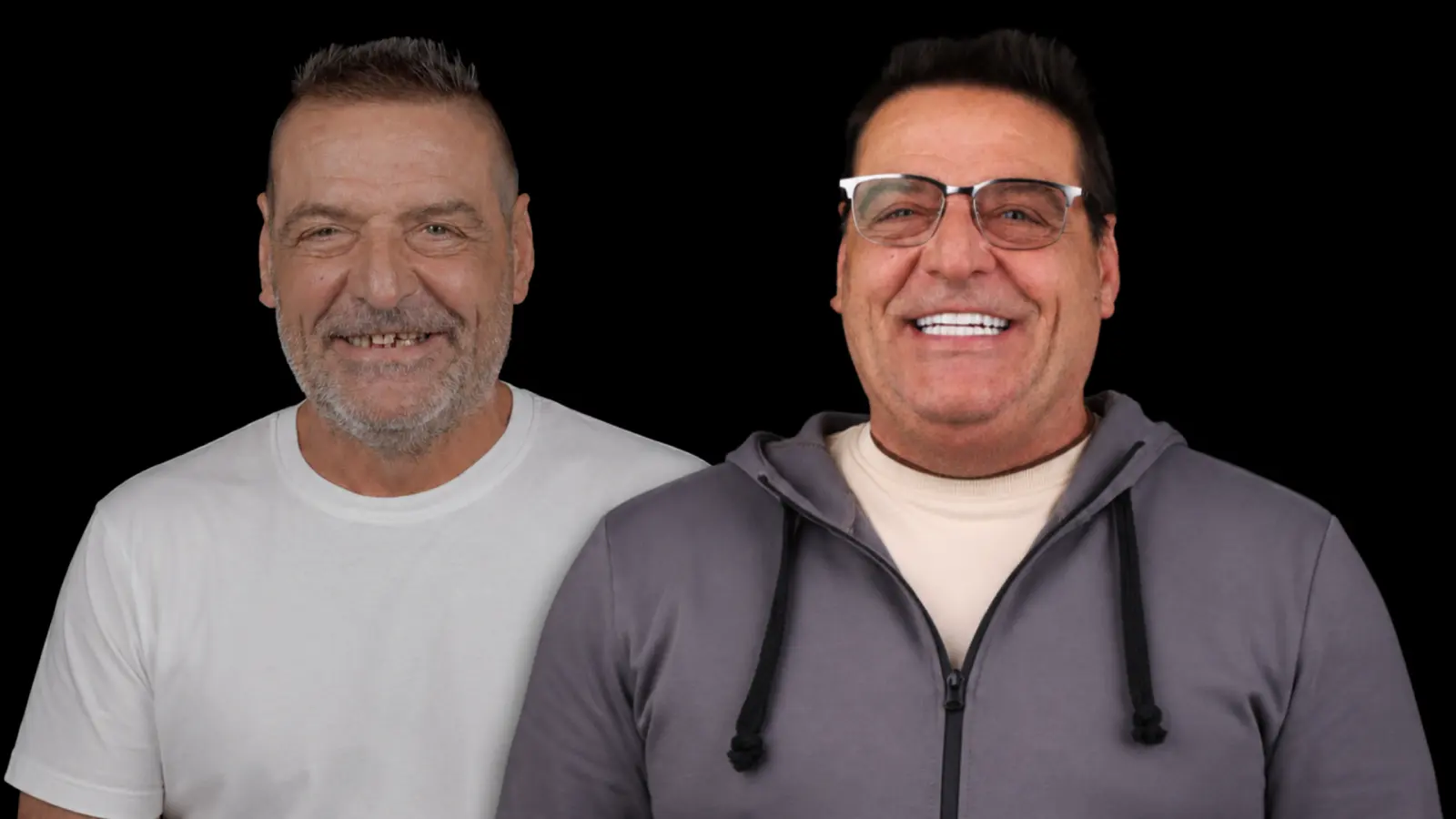
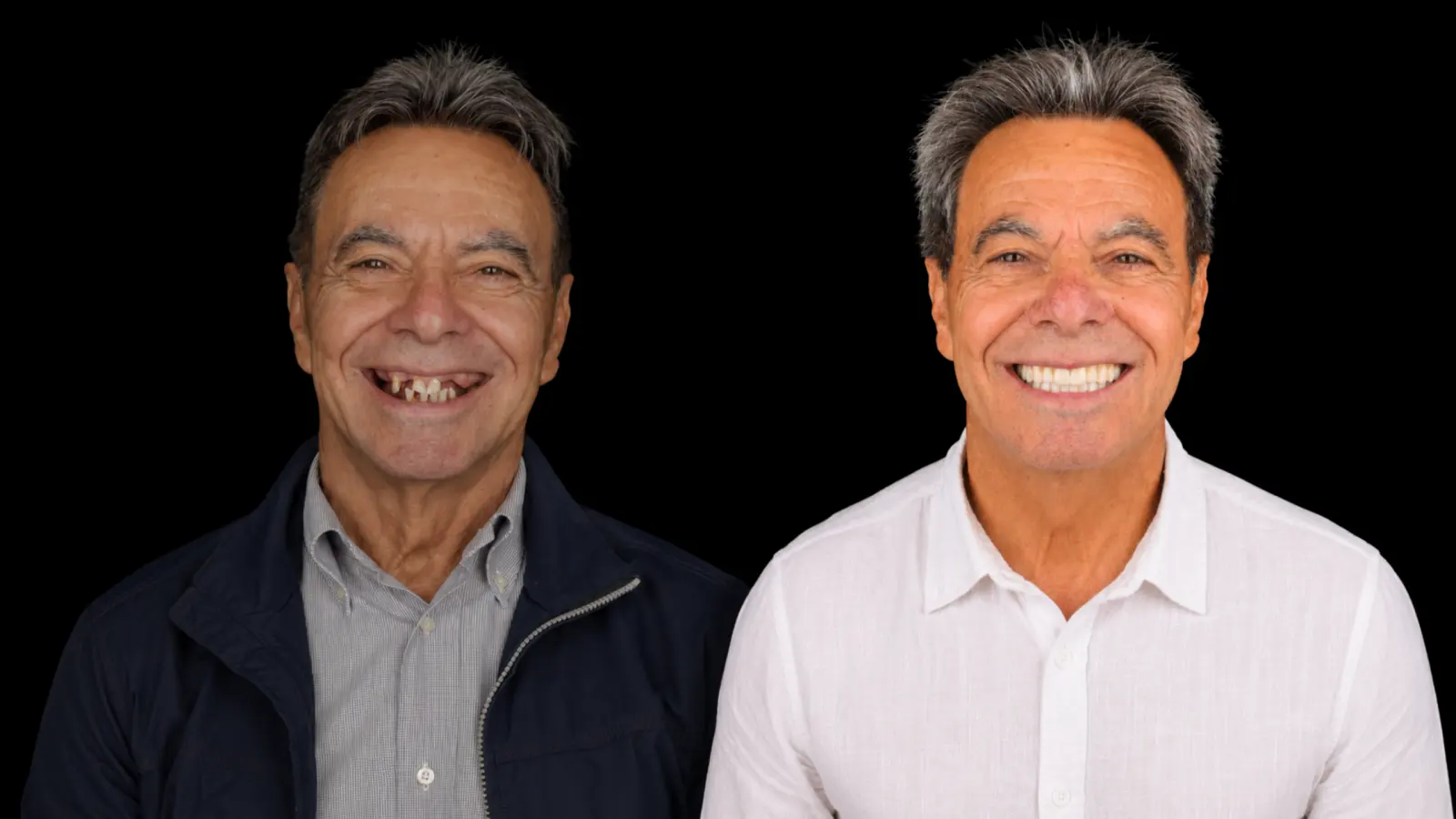
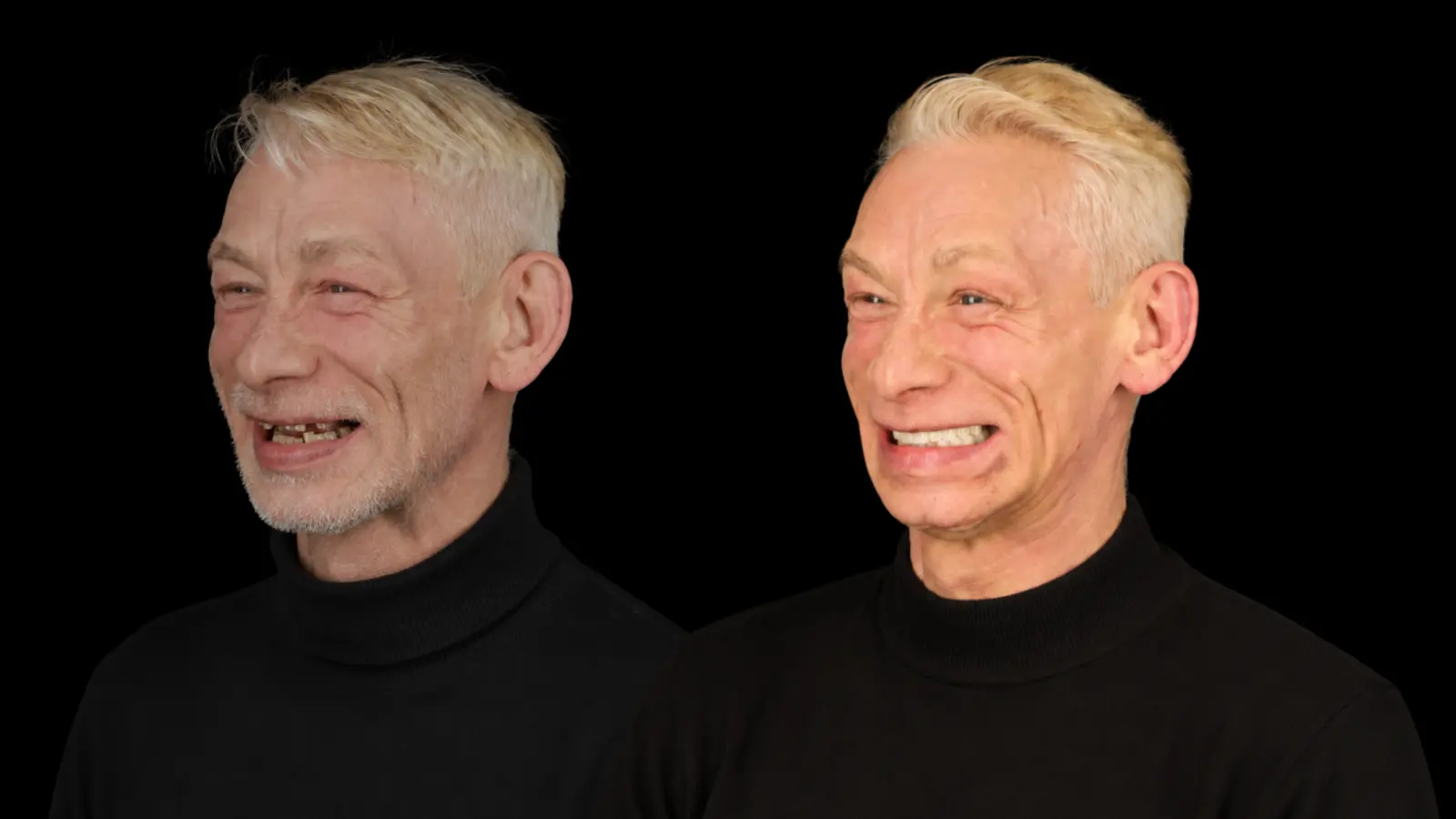
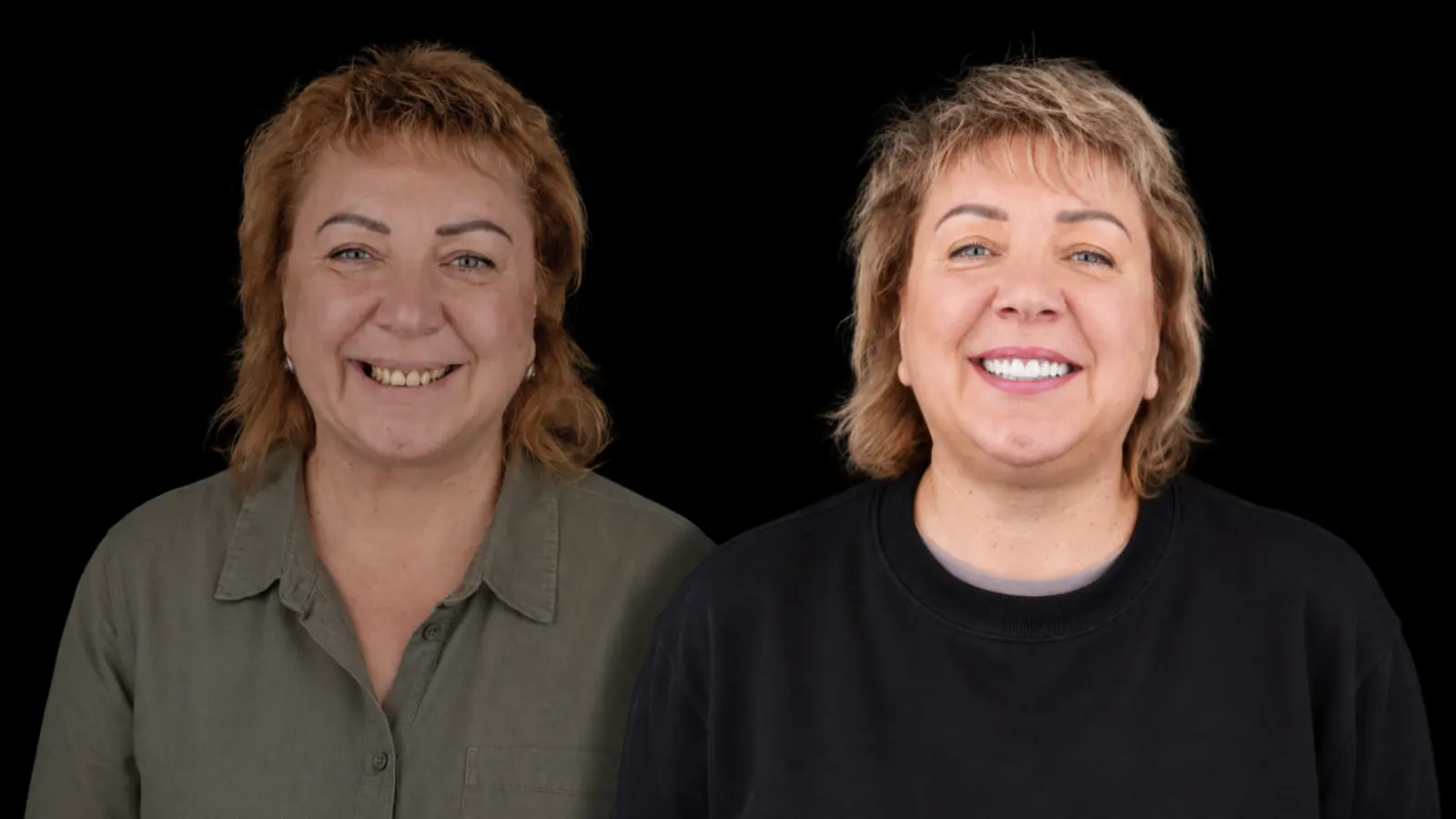
Our patients’ results

Case Study 4: Comprehensive dental restoration using crowns and veneers

Diagnosis:

Complete loss of dental function due to teeth that could not be saved. The patient required comprehensive rehabilitation of both jaws, restoring both chewing function and aesthetics.

Treatments:

All teeth that could not be saved were extracted. In the first stage, 4 implants were placed in the upper jaw and 6 in the lower jaw. During the next stage of treatment, a further 2 implants were placed in the upper jaw. As a result, the permanent prosthetic restoration will be anchored to six implants in the upper jaw and six implants in the lower jaw, providing a secure foundation for the future prosthesis.

Result:

The patient has successfully completed the surgical stages of treatment and is preparing for the final prosthetic restoration. The chosen rehabilitation approach ensures maximum stability of the restoration, even distribution of the chewing load, long-lasting results and a high level of comfort.

Case 2: Implantology. Prosthetics

Diagnosis:

The patient presented with complaints of discomfort whilst chewing, increased tooth sensitivity and dissatisfaction with the appearance of her smile.

Treatments:

The first stage involved professional hygiene, comprehensive oral rehabilitation, therapeutic and endodontic treatment, the extraction of teeth that could not be restored, and implant placement.

Immediately following the surgical stage, temporary prosthetic restorations were fitted.
Six months
later, a prototype of the future smile was fabricated in the clinic’s own dental laboratory, FrankoLab.

The final stage involved the fitting of 24 fully anatomical zirconia crowns onto the patient’s natural teeth and implants in the upper and lower jaws.

Result:

Full functional and aesthetic rehabilitation has been achieved. Tooth sensitivity has been eliminated, chewing efficiency has been fully restored, and a stable prosthetic structure and a natural, harmonious smile have been created.

Case 1: Partial tooth loss.

Diagnosis:

A patient from Italy presented with complaints of multiple missing teeth, generalised periodontitis, impaired chewing function and an unsatisfactory smile.

Treatments:

In the first stage, a full diagnosis and oral rehabilitation were carried out, followed by a sinus lift.

Straumann implants were fitted using the ‘All-on-6’ concept. The surgical procedure was carried out under medical sedation, ensuring a comfortable experience for the patient, who suffered from severe dental phobia.

The very next day, provisional restorations were fitted, allowing the patient to smile comfortably, speak and lead a normal lifestyle. These were subsequently replaced with reinforced temporary restorations.
Six months
after the completion of the osseointegration period, the permanent zirconia restorations were cemented in place.

Result:

Within a short period of time, the patient regained their ability to chew, a natural-looking smile and the chance to return to everyday life without discomfort.

Clinical Case 5

Diagnosis:

Partial edentulism, mobility of remaining teeth, severe bone atrophy and chronic periodontal inflammation. The patient complained of difficulty chewing food, discomfort whilst chewing and an unsatisfactory appearance of their smile.

Treatments:

Digital treatment planning was carried out, along with the fabrication of surgical guides, the extraction of teeth that could not be saved, the placement of six implants in each jaw, and the fixation of fixed temporary restorations reinforced with titanium bars. Following the completion of the osseointegration period, the second stage of treatment was carried out — the fabrication and fixation of permanent prosthetic restorations.

Result:

The patient has had their upper and lower dentition fully restored, regaining stable chewing function and a natural-looking smile. Discomfort whilst eating has disappeared, and their self-confidence and quality of life have been restored.

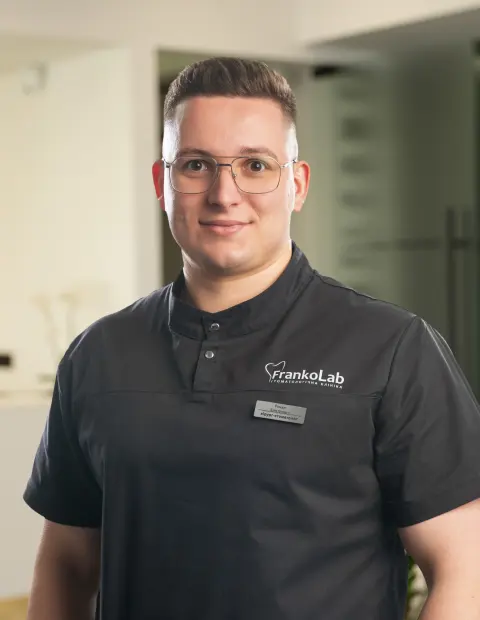
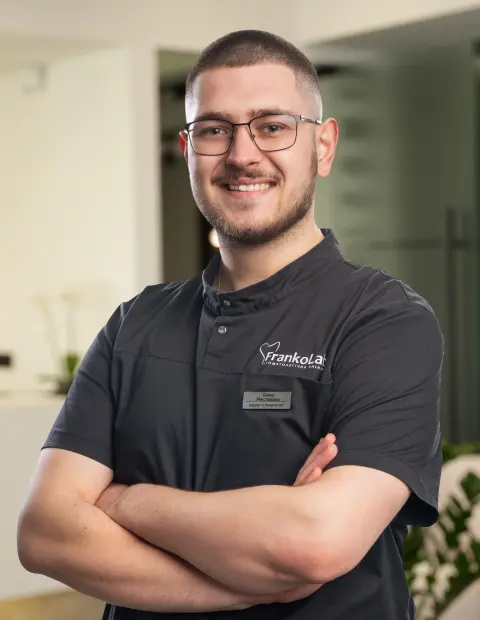
Doctors providing treatment

Patient reviews

4,9 Google rating All reviews on Google

Diana Kruk

08.07.2026

The clinic and service are of the highest standard – keep up the good work!

Ksenia Savenko

23.06.2026

I am very grateful to the whole FrankoLab team for the experience I’ve had with you. You are incredible! I wish you continued growth and prosperity, because the smiles you create are not only beautiful but also genuine, as seen on the faces of your grateful clients.

FrankoLab Dental Laboratory

The correct gum line is the foundation of the aesthetics and longevity of prosthetic results. Book a consultation to find out whether a gum contouring procedure is necessary in your case.

Why people choose FrankoLab Clinic for Straumann healing abutments in Ivano-Frankivsk

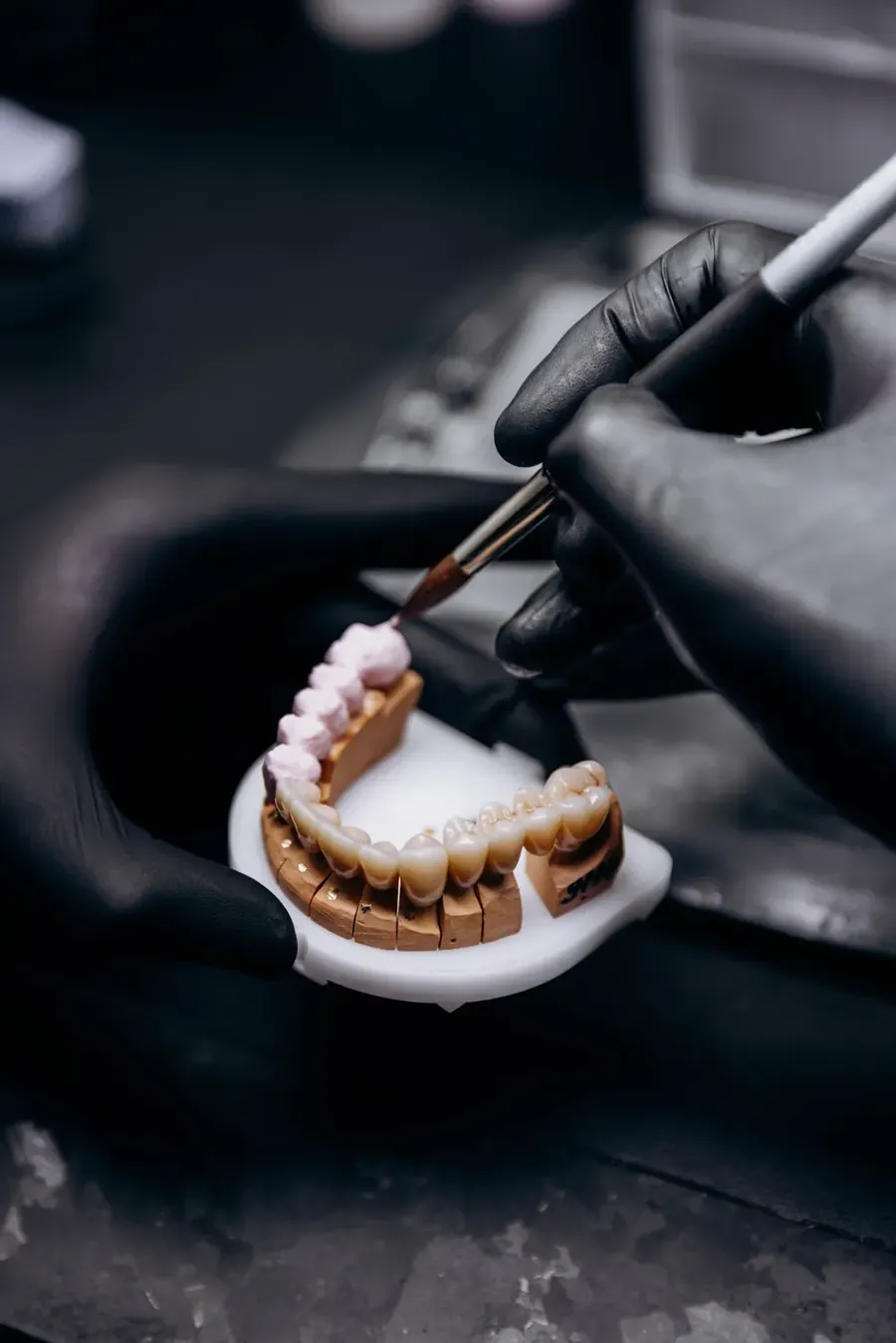
A FrankoLab dental technician is putting the finishing touches to a denture on implants in the clinic’s own laboratory
01

Official partnership with the Straumann premium system

We use only genuine Straumann implants and components. Furthermore, our experts have extensive experience in placing Straumann implants, healing abutments and abutments, and fitting prostheses onto them. Our dentists undergo specialised training, which ensures they work correctly with this system.

02

Our own state-of-the-art digital dental laboratory

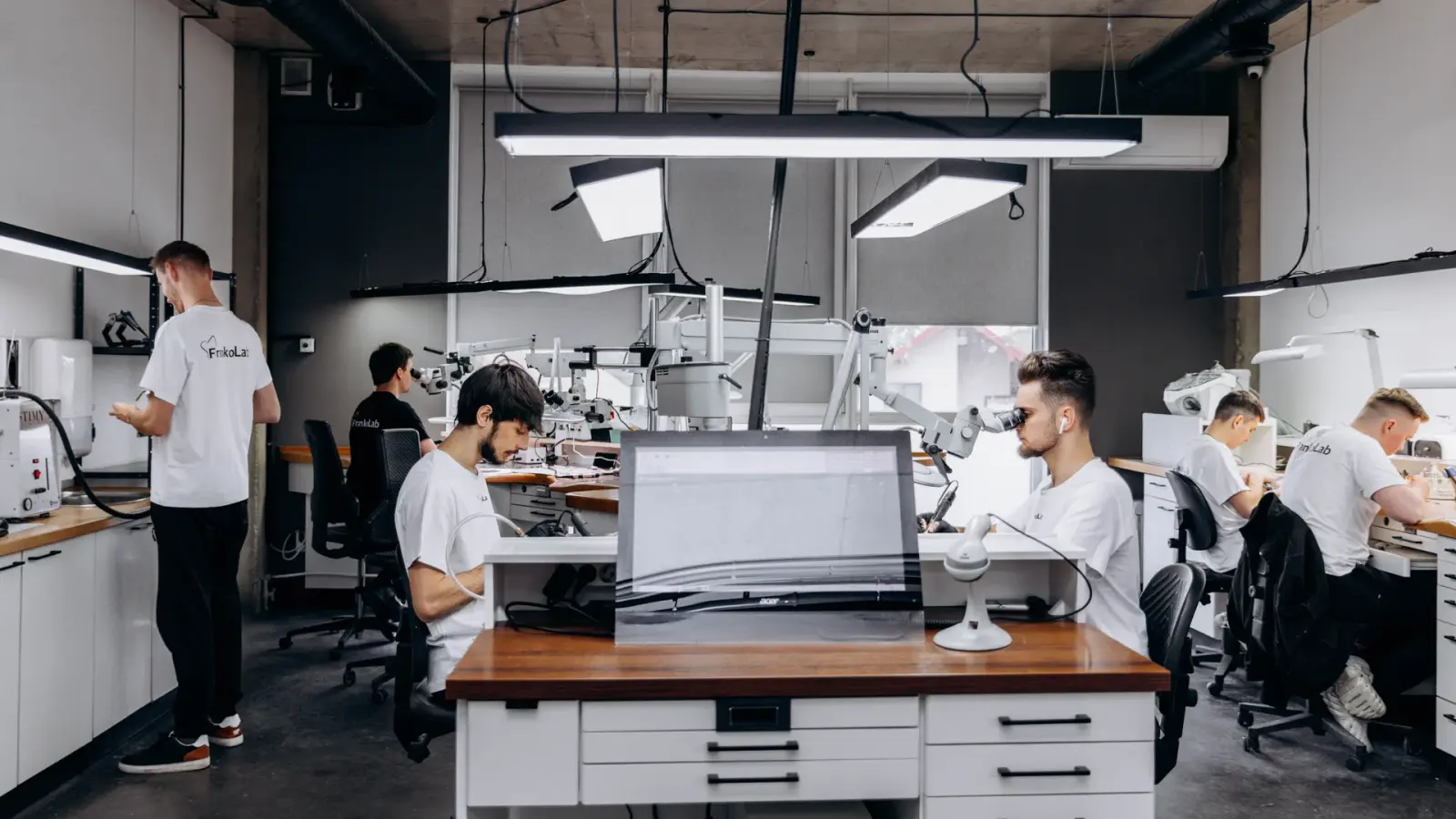
FrankoLab has one of the largest digital laboratories in Western Ukraine (producing over 25,000 restorations annually) — a full cycle ‘under one roof’, precise CAD/CAM modelling of the gum line for perfect aesthetics, rapid prosthesis fabrication (often within 1–3 days), superior quality and predictable results.

03

Digital workflow and state-of-the-art equipment

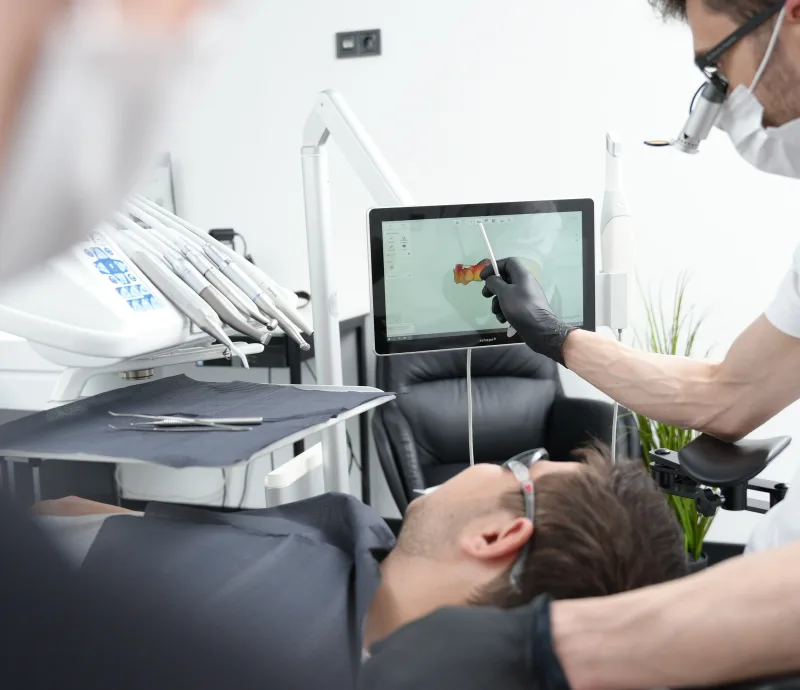
We offer comprehensive digital diagnostics (CT scans, Primescan intraoral scanning, navigated surgery — implant positioning accuracy to within 0.1 mm), surgical guides for precise implant placement and gum contouring, and high-quality anaesthesia. This is particularly important where precision affects rapid healing and aesthetics.

04

Transparent, fixed pricing

Following your consultation, you will receive a full quote with a fixed price that will not change without your consent; there are no hidden charges at any stage. If there are alternatives that allow you to save money without compromising the quality or aesthetics of the final result, we will certainly let you know.

05

Comfortable transfers and services for visitors

We care about you, so we offer a free transfer within Ivano-Frankivsk, assistance with accommodation, and a convenient schedule to minimise the number of visits (diagnosis and preparation → implantation → osseointegration → placement of the healing abutment → prosthetics).

06

Experience, guarantee and reputation

We are one of the largest implant centres in western Ukraine, specialising in complex cases. Thanks to our experience, we offer a high success rate for Straumann implants (approximately 98 per cent), a guarantee of up to 15 years (depending on the design), a gentle approach from our dentists, natural-looking results and no pain.

Frequently asked questions about the Straumann healing abutment

The procedure takes between 15 and 30 minutes, depending on the clinical situation. Afterwards, the patient can go home straight away; hospitalisation is not required.
Most patients experience slight pressure or discomfort during the first 1–3 days. Swelling and sensitivity of the gums are normal and usually subside on their own. If the pain worsens or there are signs of inflammation, you should contact the clinic.
Complications are rare and are most often linked to poor oral hygiene or the loss of a temporary restoration. Timely treatment of inflammation and adherence to the dentist’s recommendations almost entirely rule out serious consequences.
Usually between 2 and 6 weeks. The duration depends on how quickly the gum line forms and the patient’s individual circumstances. In some cases, this period may be longer; the dentist will make the decision and explain it to you.
There are few absolute contraindications — severe blood disorders and coagulation disorders, uncontrolled cancer (particularly in the active phase or during chemotherapy or radiotherapy), severe mental disorders, systemic connective tissue diseases (e.g. active systemic lupus erythematosus), allergy to titanium or other materials used in Straumann components, acute infectious diseases in the surgical area or systemic infections. Relative contraindications include uncontrolled diabetes mellitus, osteoporosis or the use of bisphosphonates (medical approval required), smoking, pregnancy and the breastfeeding period, active inflammatory processes in the oral cavity, poor oral hygiene, insufficient bone volume (bone grafting may be required), immunosuppression, bruxism, etc. Each case is assessed individually by a dentist.
Without a gum mould, the gums may recede and fail to form the correct contour around the future prosthesis. This will compromise the aesthetic result and may complicate the fitting of a crown. In some cases, gum surgery may be required.
Brush your teeth twice a day with a soft-bristled toothbrush, taking care not to apply excessive pressure to the gums around the implant. Use a water flosser to clean hard-to-reach areas. You will also need to avoid eating hard foods and smoking in the first few days after the procedure.
Keep the retainer and contact the clinic immediately — preferably on the same day. Do not attempt to put it back in yourself. Gums without support begin to recede quite quickly, so time is of the essence in this matter. In such cases, we always do our best to accommodate patients and try to see you straight away.

Book a consultation

Book a consultation and one of our managers will contact you shortly

+380 50 011 20 00

FrankoLab Clinic dental surgery

A healthy smile starts with the right decision

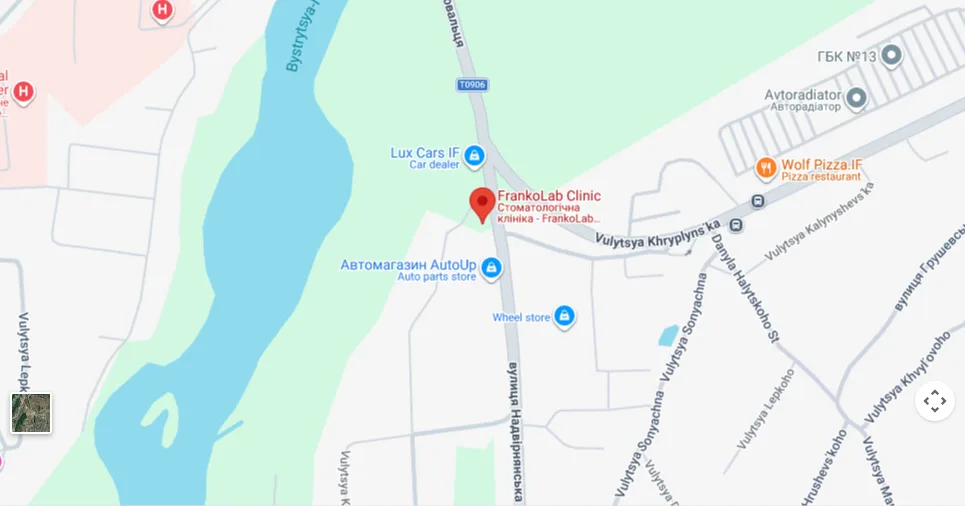
  • 77460, Ivano-Frankivsk, Cherniiv village, 2B Nadvirnianska Street
  • Mon–Sat 9.30 am–7.00 pm, Sun 10.00 am–7.00 pm
  • +380 50 011 20 00
Book a consultation
Map: 77460, Ivano-Frankivsk, village of Cherniiv, 2B Nadvirnianska Street