A sinus lift is a minor but important surgical procedure in dentistry, aimed at strengthening the bone and increasing its volume in the area of the floor of the maxillary sinus. This procedure is carried out during the preparation phase for implant placement in cases where the patient has a bone deficiency in the upper jaw. By raising (lifting) the floor of the maxillary sinus, the height and strength of the bone in the implant site are increased. This is necessary to ensure the secure fixation, stability and longevity of the implants.
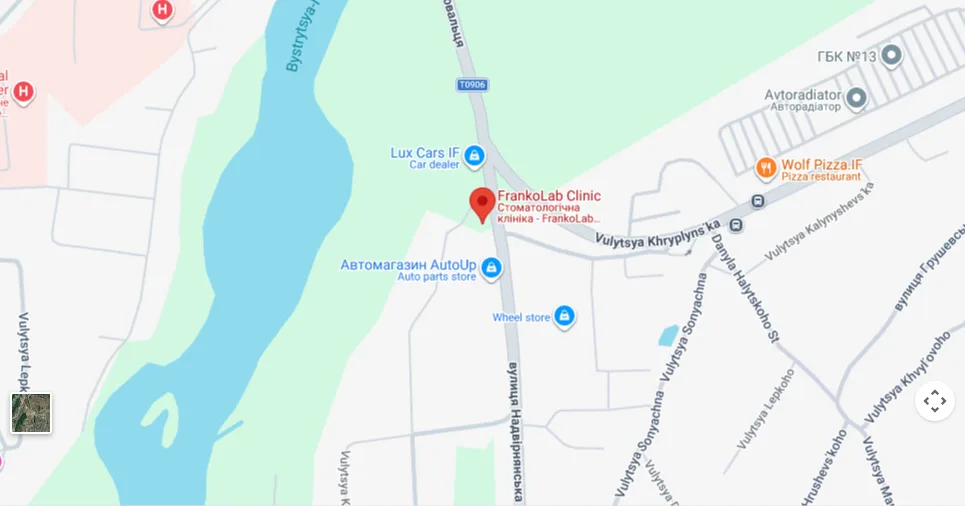
If you are planning to have a turnkey implant procedure, we invite you to a consultation at FrankoLab Clinic in Ivano-Frankivsk. Our specialists will thoroughly examine your mouth, carry out a CT scan of your jaws and let you know if you need bone grafting.
What is a sinus lift?
Sinus lift surgery has only recently become popular. Without bone augmentation, many people cannot have an implant fitted, because
To ensure patients do not have to forego having implants fitted, it is sufficient to prepare them properly – by carrying out a sinus floor elevation and bone augmentation.
Main indications for bone grafting in dentistry:
- Bone atrophy following tooth loss. Bone resorption in the upper jaw begins 2–3 months after tooth extraction.
- A thin layer of bone in the upper jaw. Bone loss is observed in certain diseases, specific dietary habits and hormonal imbalances.
- Long-term tooth loss. The longer a tooth is missing, the more pronounced the process of atrophy of the hard tissues of the jaw becomes.
- Congenital abnormalities of the jaw structure.
- Dental problems – dental cysts, periodontitis, jaw injuries during tooth extraction.
Types of sinus lift
There are two main types of osteoplasty procedure performed during sinus lift surgery in dentistry:
- Open sinus lift. This procedure can correct a significant bone deficiency, with a bone height of 5–8 mm. The dentist administers anaesthesia and makes an incision on the side of the oral vestibule. The gum tissue is incised along with the periosteum, and this flap is carefully separated from the bone. The surgeon then uses instruments to access the maxillary sinus at the level of its floor. The mucosa at the base of the sinus is pushed upwards, and bone graft material is placed into the cavity thus created. At the end of the operation, the surgical site is closed with sutures.
- Closed sinus lift. This is a minimally invasive procedure, possible where bone height is 7–8 mm, and does not require any incisions in the tissues at all. The dentist places the bone graft material through the tooth socket and a small puncture in the bone, and lifts the sinus floor using a probe. Closed sinus lift is often performed in conjunction with immediate implant placement. In this procedure, the tooth is extracted, osteoplastic material is inserted through the socket, the implant is placed and secured. Recovery after a closed sinus lift is quicker, and the cost is lower. Therefore, this technique has certain advantages over open bone grafting, but it cannot address a significant deficit of hard tissue.
How is a sinus lift procedure carried out at FrankoLab Clinic?
Stages of treatment if a patient is recommended to undergo a sinus lift procedure:
- Preparation for surgery. This involves a consultation with the dentist, diagnosis using a CT scan and a 3D dental scanner. Following a thorough assessment of the condition of the bone tissue, the dentist plans the type and technique of the sinus lift, selects the optimal material for bone grafting, and calculates the exact amount required. The dentist then informs the patient of the cost of the procedure.
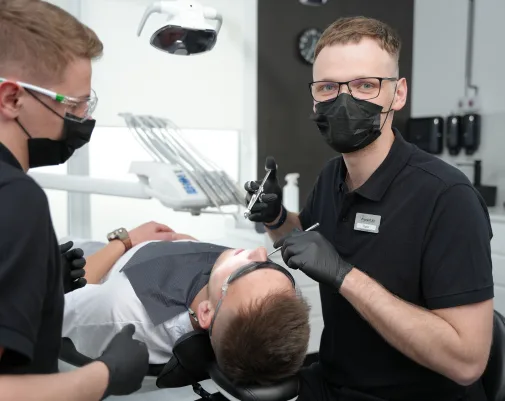
- Surgical procedure. The treatment is pain-free, as the sinus lift operation is carried out under local or general anaesthesia (whilst the patient is asleep). The dentist performs the procedure using the chosen technique – open or closed sinus lift. The open technique takes slightly longer; the procedure begins with an incision in the soft tissues of the gums and ends with the application of stitches. Closed sinus lift surgery is often preceded by a tooth extraction, immediately after which a hole is made in the socket, bone graft material is inserted, and the implant is placed and secured.
- Post-operative period. Once the anaesthetic has worn off, the patient may experience some pain for a short time. Following a sinus lift operation, it is advisable to limit the consumption of hard foods and avoid anything that might cause blood vessels to dilate in the area of the procedure (do not use hot water bottles, do not spend long periods in the sun, and do not go to the sauna).
The benefits of sinus lift surgery at FrankoLab Clinic
A sinus lift is one of the key stages in preparation for dental implant surgery. The benefits of bone augmentation at FrankoLab Clinic:
- Use of certified materials for bone grafting in the upper jaw.
- The highest standards and protocols for the sterilisation of instruments and surfaces.
- Experienced dental surgeons who perform this type of procedure on a daily basis.
- Pain-free sinus lift procedures with a guarantee.
- A personalised plan for preparation, treatment and rehabilitation for each patient.
Book a consultation today!
Please call +380500112000 or fill in the form on the clinic’s website.
In the ‘Prices’ section, you can see how much a sinus lift and dental implant procedures cost.