EN
Full-mouth dental implants

Why choose FrankoLab:

  1. 01 Full restoration of the dentition using implants
  2. 02 Fixed dentures — comfort just like your own teeth
  3. 03 All-on-4 and All-on-6 turnkey solutions

Full-mouth dental implants in Ivano-Frankivsk

If you have no teeth at all, this is not just an aesthetic problem but also a serious health challenge: chewing function is impaired, speech is affected, bone tissue atrophies and the digestive system suffers. Traditional removable dentures do not always solve these problems. They are uncomfortable, unstable, require constant care and often cause psychological distress.

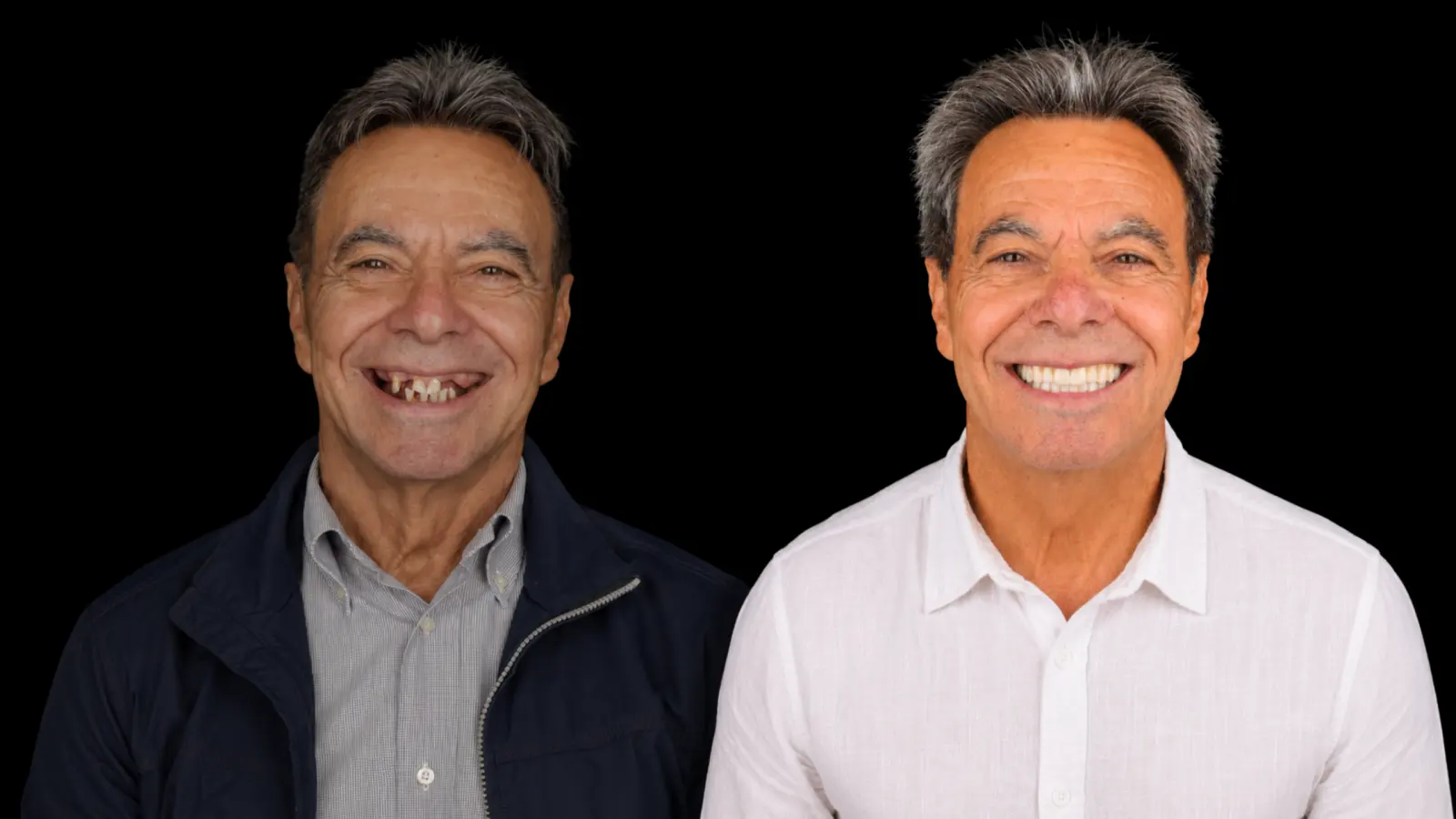
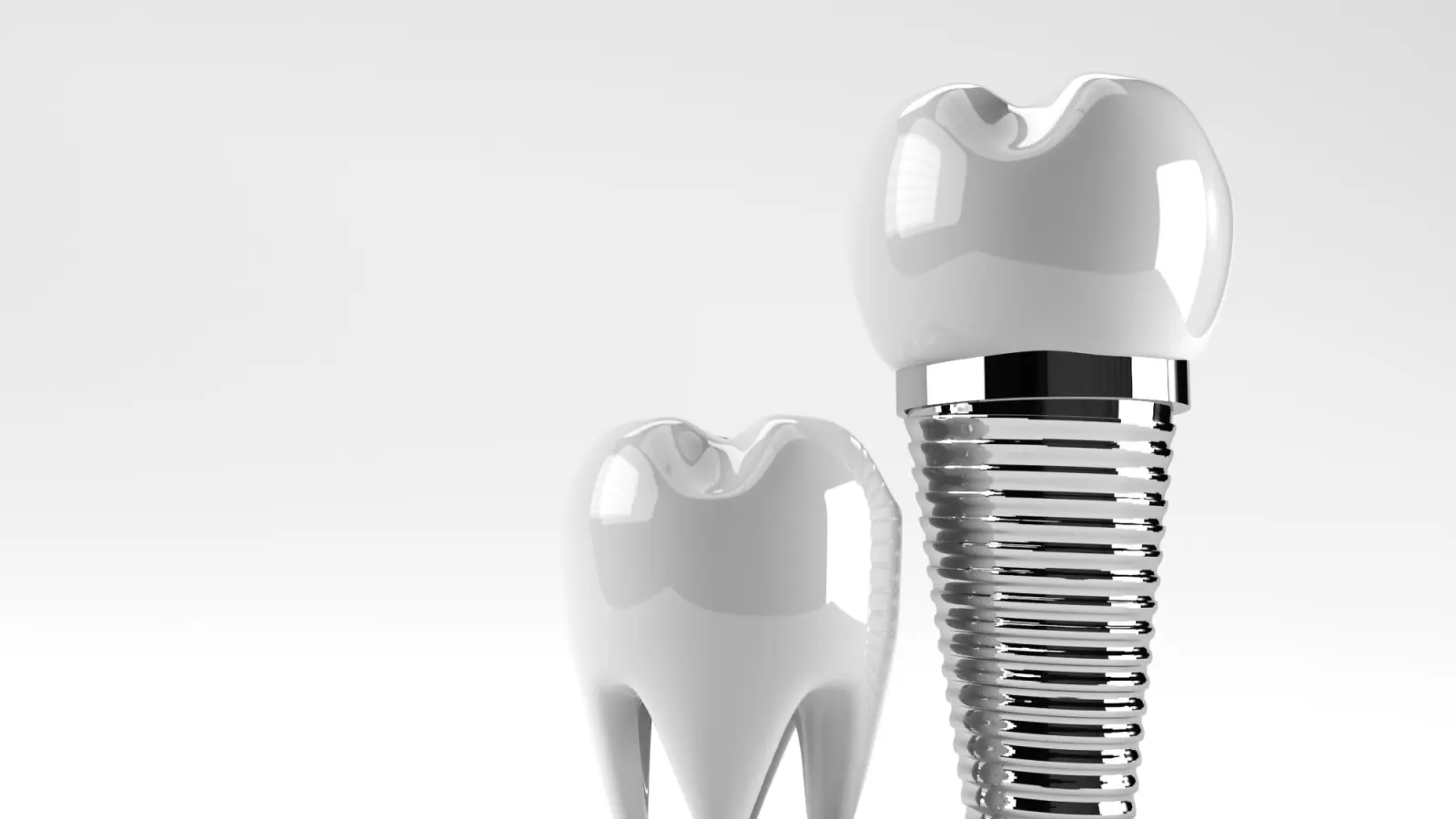
Full-mouth dental implantation is a modern method of restoring the entire set of teeth on one or both jaws using dental implants, onto which fixed dentures are secured. The result is full chewing function, a natural appearance and lifelong comfort, without the need to remove the prosthesis at night or use adhesive creams.

The benefits of full-mouth implant treatment at FrankoLab Clinic

In-house dental laboratory

Dental prostheses are manufactured directly at our dental clinic, without the involvement of external laboratories. This speeds up treatment times and allows us to precisely control the quality of implant placement for all teeth.

Using tried-and-tested implant techniques

Our dentists use only modern, proven protocols such as All-on-4, All-on-6 and classic full-mouth implantation. The method of full-mouth implantation is chosen on an individual basis, depending on the volume of bone tissue and the clinical situation.

Precise 3D treatment planning

The positions of the implants are determined in advance based on CT scans and digital dental modelling. This enhances the safety of the procedure and makes it possible to accurately predict the future result (in particular, the aesthetic appearance of the smile).

Teeth on the day of the operation

In most cases of full-mouth dental implantation, it is possible to fit a temporary prosthesis immediately after the operation. The patient is not left without teeth during the healing period.

Restoring chewing function and quality of life

Full-mouth implant treatment enables patients to fully regain their ability to chew, speak clearly and enjoy the natural aesthetics of their smile within the first few months following treatment. This is important not only for aesthetic reasons, but also for normal digestion and general well-being.

Comprehensive treatment support

Patients are guided through every stage, from preparation for full-mouth dental implant treatment to regular monitoring of the results and long-term outcomes following prosthetic treatment. This is essential for the long-term stability of the implants.

When full dental implants are required

Complete edentulism

Not all teeth are present in one or both jaws. Full-mouth implantation offers the opportunity to replace removable dentures with fixed teeth.

Significant tooth loss

There are only a few remaining teeth left, which cannot be saved or used as anchors. Such cases are a sound indication for full-mouth dental implantation, as complete implant-supported restoration yields better results.

The inconvenience of removable dentures

The restoration does not fit securely, rubs against the gum tissue or shifts whilst talking or chewing. This significantly reduces the patient’s quality of life and causes psychological discomfort.

Progressive bone atrophy

After tooth loss, the bone gradually recedes. Up to 25 per cent of bone volume is lost within the first year. Dental implants transfer the chewing load and slow down this process.

The need for a fixed restoration

Patients want stable teeth that do not need to be removed, cleaned and refitted every day. Fixed dentures provide a natural feel when chewing and speaking.

Inability to use removable dentures

Possible causes include an allergy to the materials, a pronounced gag reflex or psychological discomfort whilst wearing the appliance, interacting with others, etc.

Planned full denture fitting following tooth extraction

Full-mouth dental implants can be scheduled immediately after tooth extraction. This makes it possible to avoid having to wear temporary removable restorations for an extended period.

How much does a full set of dental implants cost?

The cost of full-mouth dental implants depends on the technique used, the quality of the implants, the material of the prosthesis and the need for additional procedures (tooth extraction, bone grafting, professional cleaning, etc.). Approximate price range: • All-on-4 — the most cost-effective option • All-on-6 — average cost The exact price will be quoted by the dentist following a diagnosis and the creation of a personalised treatment plan tailored to your needs. You can find a detailed price list for our services on our website.

The dentist will quote the final cost following an examination and diagnosis. Payment in instalments is available. Full price list for the clinic

Payment in instalments

Full-mouth implant treatment is a significant investment in your health and quality of life. At FrankoLab Clinic, we offer flexible payment options: we work with partner banks and provide instalment plans with no extra charges or at minimal interest rates. You can pay in instalments — first for the implants and surgery, then for the temporary prosthesis, and finally for the permanent one. Our administrator will explain the terms of payment in instalments in more detail when you book your appointment.

Stages of full-mouth dental implantation

01

01 Diagnosis and treatment planning

The dentist carries out an examination, takes a medical history, refers the patient for a CT scan to assess the condition of the bone tissue, sinuses and nerves, and creates a 3D smile design. Based on the diagnosis, the implantation technique, number and positions of the implants are determined. If there are teeth that cannot be saved, their removal is planned.

02

02 Preparation

Oral rehabilitation — treatment of inflammatory conditions and professional hygiene, and, if necessary, extraction of teeth that cannot be saved. If bone atrophy is significant, bone grafting is sometimes recommended (although the All-on-4 / All-on-6 methods often make it possible to avoid this thanks to the angled placement of the implants).

03

03 Implant placement

The first stage of full-mouth dental implantation is carried out under local anaesthesia (or under sedation/general anaesthesia, depending on the patient’s preference and medical indications). Our surgeon places the implants in pre-planned positions. With the All-on-4 and All-on-6 methods, the lateral implants are placed at an angle of 30–45° to avoid areas of atrophy and important anatomical structures (nerves, maxillary sinuses, etc.).

04

04 Fixing a temporary prosthesis

On the same day or within 2–3 days, a temporary prosthesis is fitted onto the implants — a lightweight acrylic structure that restores aesthetics and basic chewing function. The patient is not left without teeth and can return to their normal life, albeit with some restrictions on eating hard foods.

05

05 Osseointegration (temporary prosthetics)

Over the course of 4–6 months following the first stage of full-mouth dental implantation, the implants integrate with the bone tissue. During this period, the patient wears a temporary prosthesis.

06

06 Fabrication of permanent crowns on implants

Once full osseointegration has been achieved, a digital scan is taken to fabricate permanent crowns. Crowns can be metal-ceramic, zirconia or composite — depending on budget and aesthetic requirements. Fabrication in our in-house laboratory takes 1–2 weeks.

07

07 Fitting of permanent crowns

Permanent crowns are secured to implants using screw retention (the most reliable option) or cementation. The patient receives a complete set of teeth with a natural appearance and lifelong functionality.

08

08 Long-term follow-up

Following treatment, a personalised implant care plan is drawn up. The dentist monitors the condition of the gums, the load on the implant structure and oral hygiene. If necessary, denture maintenance and bite correction are carried out. Regular check-ups help to maintain the stability of the implants for years. With proper care, over 90–95 per cent of implants remain functional for more than 15 years.

09

09 Follow-up appointments

Every six months — professional cleaning and a check-up on the condition of implants and dentures. Once a year — a follow-up X-ray to assess the bone tissue around the implants.

Methods of full-mouth dental implantation

There are several approaches to full restoration of the dentition using implants. The choice depends on the condition of the bone tissue, the patient’s budget and their preferences.

01

All-on-4

The prosthesis is secured to four implants. The two front implants are placed vertically, whilst the two side implants are placed at an angle of 30–45° to avoid areas of bone atrophy and anatomical structures (nerves, sinuses). This technique is suitable for cases of moderate bone atrophy and does not require bone grafting. It is the most cost-effective option.
Advantages: minimal number of implants, speed, affordable price.
Disadvantages: lower stability compared to All-on-6; not suitable for everyone.

02

All-on-6

The prosthesis is secured to 6 implants. The load is distributed more evenly, which improves the long-term prognosis. Suitable for cases of more significant bone atrophy or where higher stability requirements apply.
Advantages: better stability, higher success rate, suitable for almost everyone.
Disadvantages: more expensive than All-on-4.

03

Zygoma implants

These are used in severe cases of complete atrophy of the upper jaw, where standard implantation is not possible. The implants are fixed in the zygomatic bone, which is not prone to destruction. This is a complex but highly effective technique.
Advantages: the possibility of implantation in cases of severe atrophy without the need for bone grafting.
Disadvantages: a complex operation, higher cost, and requires a highly skilled surgeon.

Contraindications to full-mouth implant treatment

Although full-mouth dental implants are generally suitable for patients, there are situations where the procedure is not possible or requires prior preparation.

01

Absolute contraindications to full-mouth implant treatment

• Severe decompensated systemic diseases (heart, kidney or liver failure).
• Cancer in the active phase or within one year of chemotherapy or radiotherapy.
• Blood clotting disorders that cannot be corrected.
• Severe mental disorders that make it impossible to cooperate with the doctor.

02

Relative contraindications (requiring adjustment or postponement)

• Uncontrolled diabetes (glucose levels must be brought under control).
• Acute infectious diseases (implantation is postponed until recovery).
• Smoking — significantly reduces implant success rates (it is recommended to stop at least 2 weeks before surgery).
• Pregnancy — it is better to postpone surgery until after childbirth.
• Acute inflammatory conditions in the oral cavity (treatment of these conditions is required first).
In most cases, contraindications can be resolved or managed. Our dentist assesses the risks on a case-by-case basis, sometimes in consultation with the doctor treating you.

Our patients’ results

Case Study 4: Comprehensive dental restoration using crowns and veneers

Diagnosis:

Complete loss of dental function due to teeth that could not be saved. The patient required comprehensive rehabilitation of both jaws, restoring both chewing function and aesthetics.

Treatments:

All teeth that could not be saved were extracted. In the first stage, 4 implants were placed in the upper jaw and 6 in the lower jaw. During the next stage of treatment, a further 2 implants were placed in the upper jaw. As a result, the permanent prosthetic restoration will be anchored to six implants in the upper jaw and six implants in the lower jaw, providing a secure foundation for the future prosthesis.

Result:

The patient has successfully completed the surgical stages of treatment and is preparing for the final prosthetic restoration. The chosen rehabilitation approach ensures maximum stability of the restoration, even distribution of the chewing load, long-lasting results and a high level of comfort.

Clinical Case 5

Diagnosis:

Partial edentulism, mobility of remaining teeth, severe bone atrophy and chronic periodontal inflammation. The patient complained of difficulty chewing food, discomfort whilst chewing and an unsatisfactory appearance of their smile.

Treatments:

Digital treatment planning was carried out, along with the fabrication of surgical guides, the extraction of teeth that could not be saved, the placement of six implants in each jaw, and the fixation of fixed temporary restorations reinforced with titanium bars. Following the completion of the osseointegration period, the second stage of treatment was carried out — the fabrication and fixation of permanent prosthetic restorations.

Result:

The patient has had their upper and lower dentition fully restored, regaining stable chewing function and a natural-looking smile. Discomfort whilst eating has disappeared, and their self-confidence and quality of life have been restored.

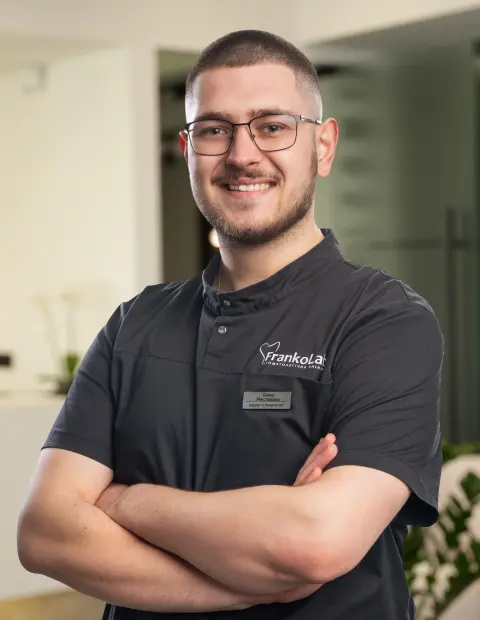
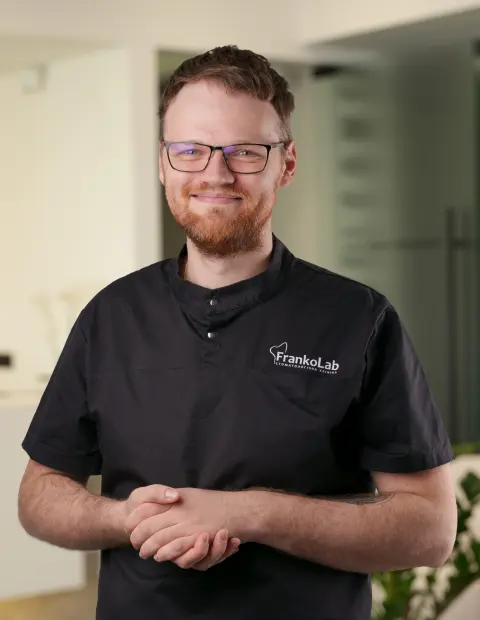
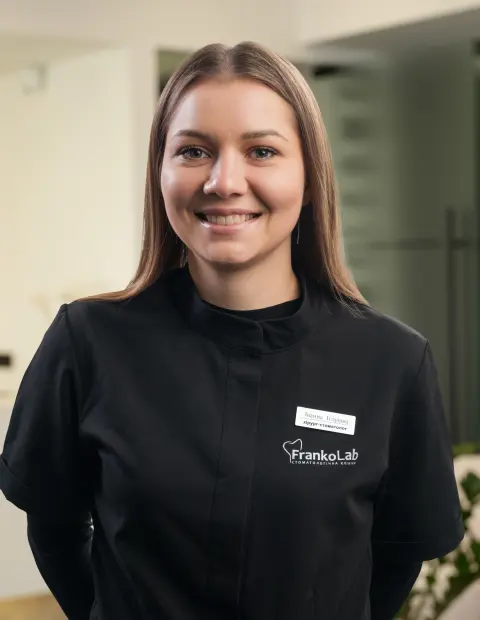
Doctors providing treatment

Patient reviews

4,9 Google rating All reviews on Google

Diana Kruk

08.07.2026

The clinic and service are of the highest standard – keep up the good work!

Ksenia Savenko

23.06.2026

I am very grateful to the whole FrankoLab team for the experience I’ve had with you. You are incredible! I wish you continued growth and prosperity, because the smiles you create are not only beautiful but also genuine, as seen on the faces of your grateful clients.

FrankoLab Dental Laboratory

Book a free consultation — find out if full-mouth implants are right for you. Our specialists will find the best solution tailored to your specific situation.

In-house laboratory

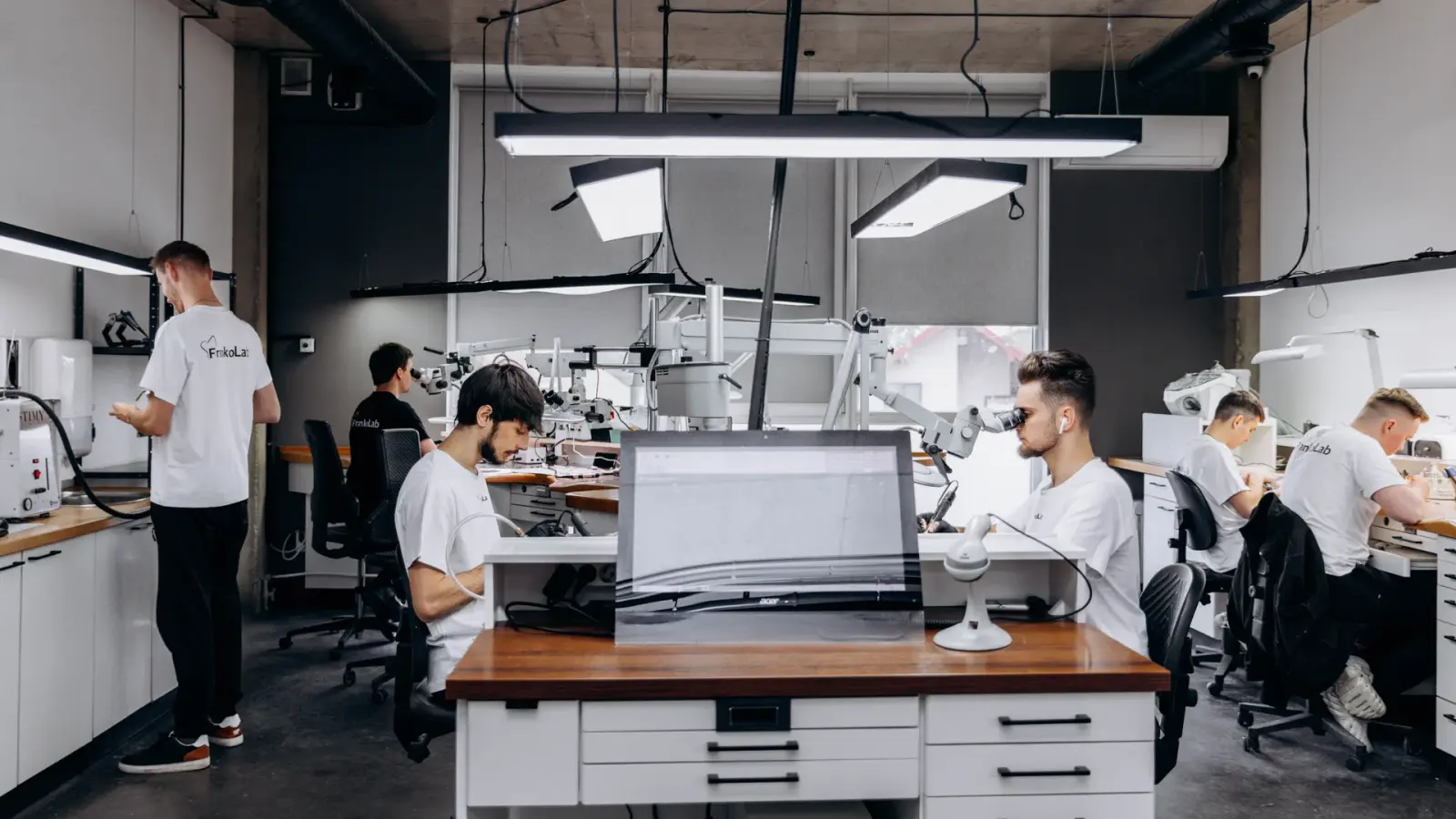
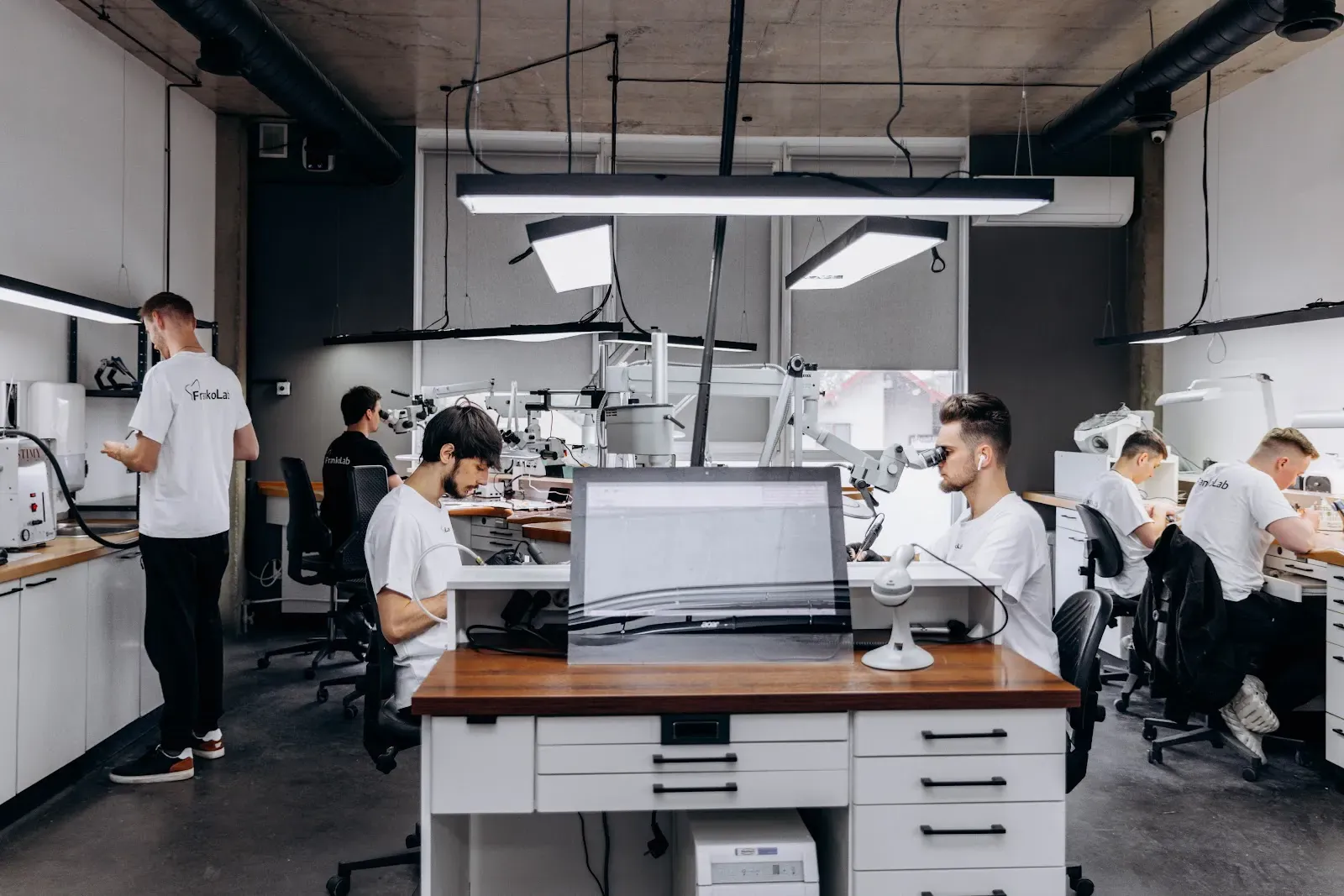
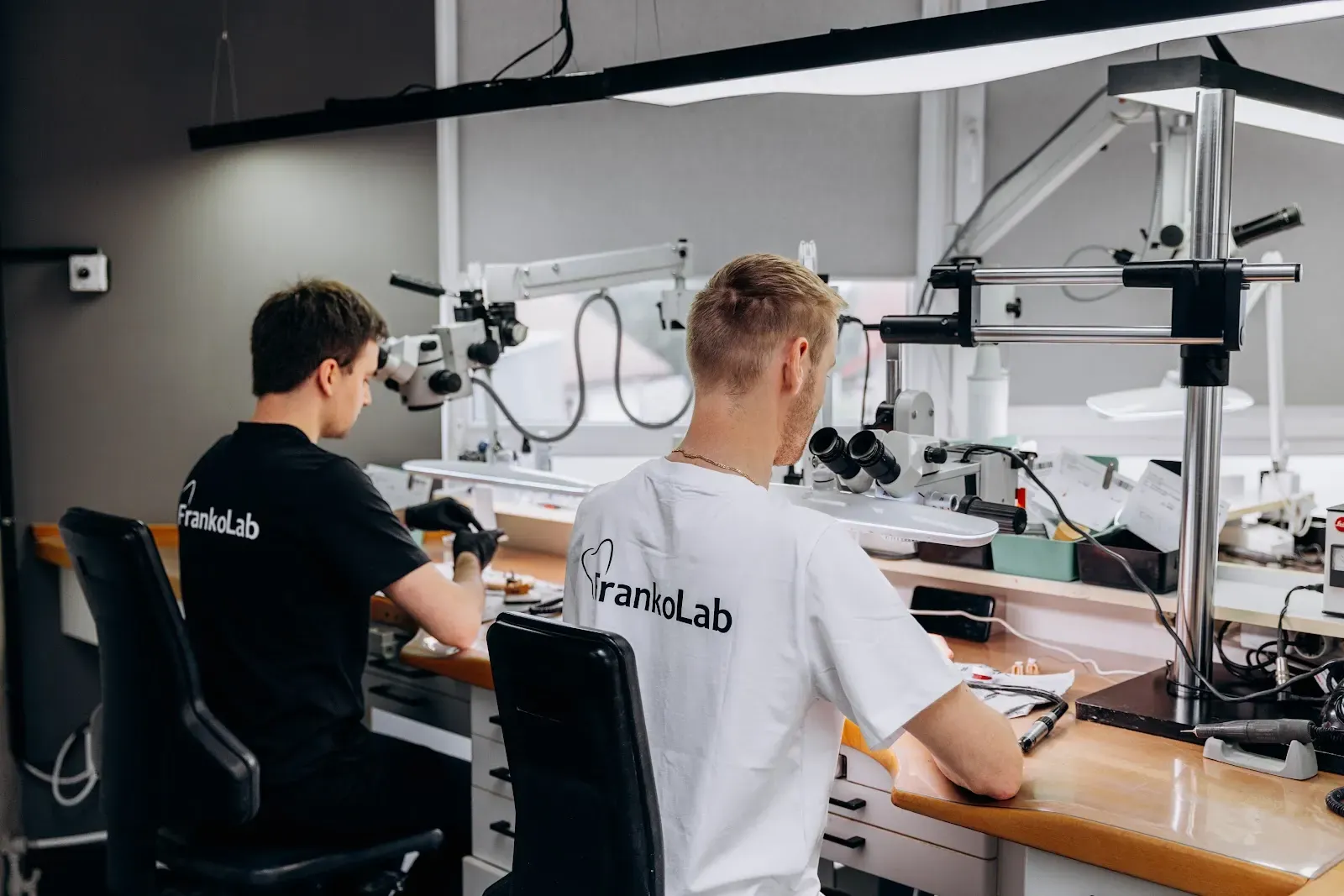
FrankoLab’s main advantage is its own in-house dental laboratory.

As all our production facilities are located on-site, we can fully control the manufacturing process for restorations of any complexity, develop solutions quickly and guarantee long-term results.

In our digital dental laboratory, metal-free prosthetic restorations are manufactured using leading CAD/CAM technologies and the highest-quality European materials.

FrankoLab Dental Laboratory

Why people choose FrankoLab Clinic for full-mouth dental implants

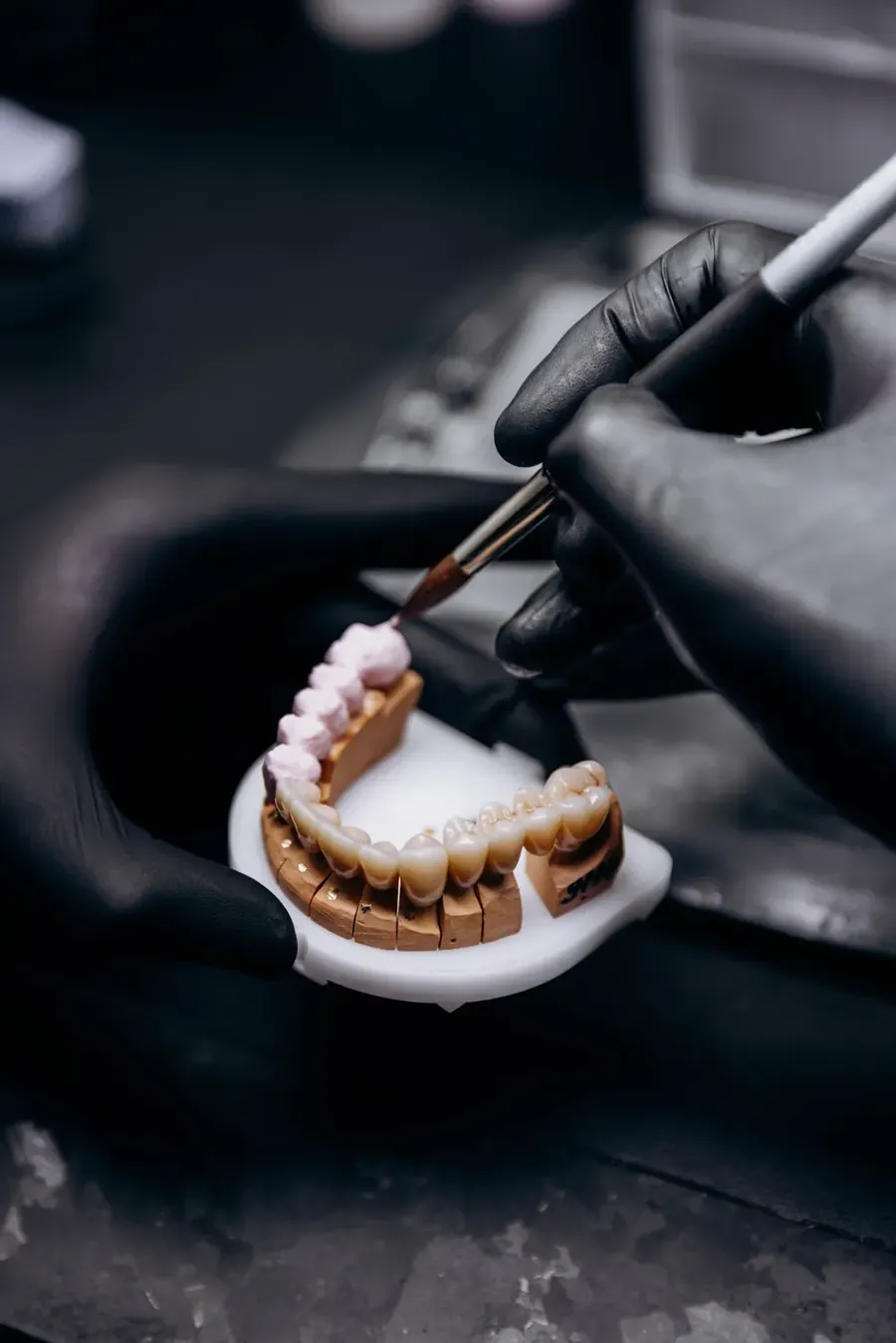
A FrankoLab dental technician is putting the finishing touches to a denture on implants in the clinic’s own laboratory
01

Implant specialists

FrankoLab Clinic has specialised in full and partial dental implant procedures for over 8 years. Our team has experience in handling both standard and complex clinical cases.

02

A comprehensive, team-based approach

The surgeon, prosthodontist and dental technician work together from the planning stage right through to the fitting of the prosthesis. This makes it possible to predict the final result even before the operation and ensures a smooth process for the fabrication of the implant.

03

Implant placement in 30 minutes

We are able to achieve such speed in implant placement thanks to our in-house dental laboratory, state-of-the-art equipment, digital planning and highly qualified specialists.

04

State-of-the-art digital equipment

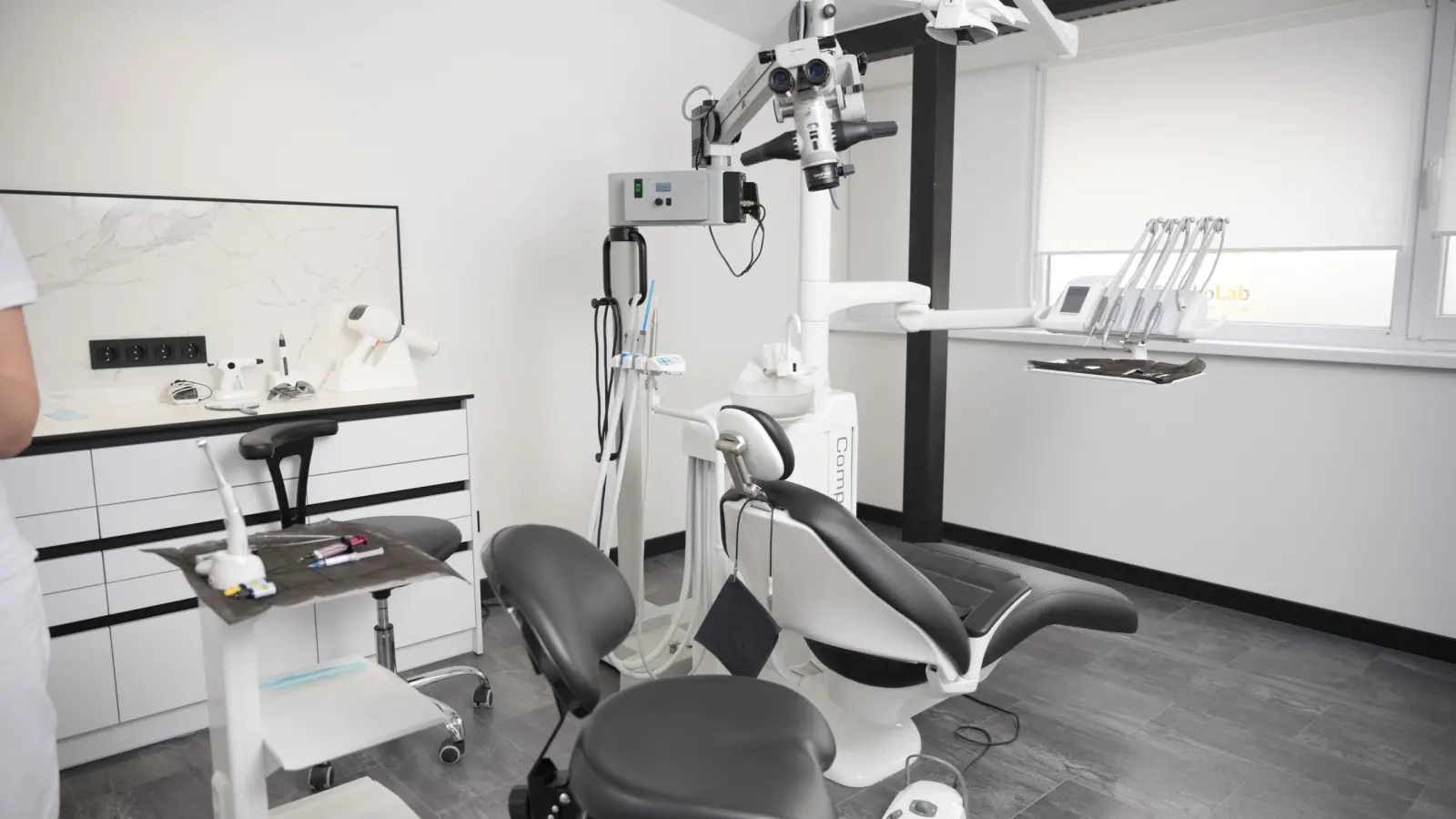
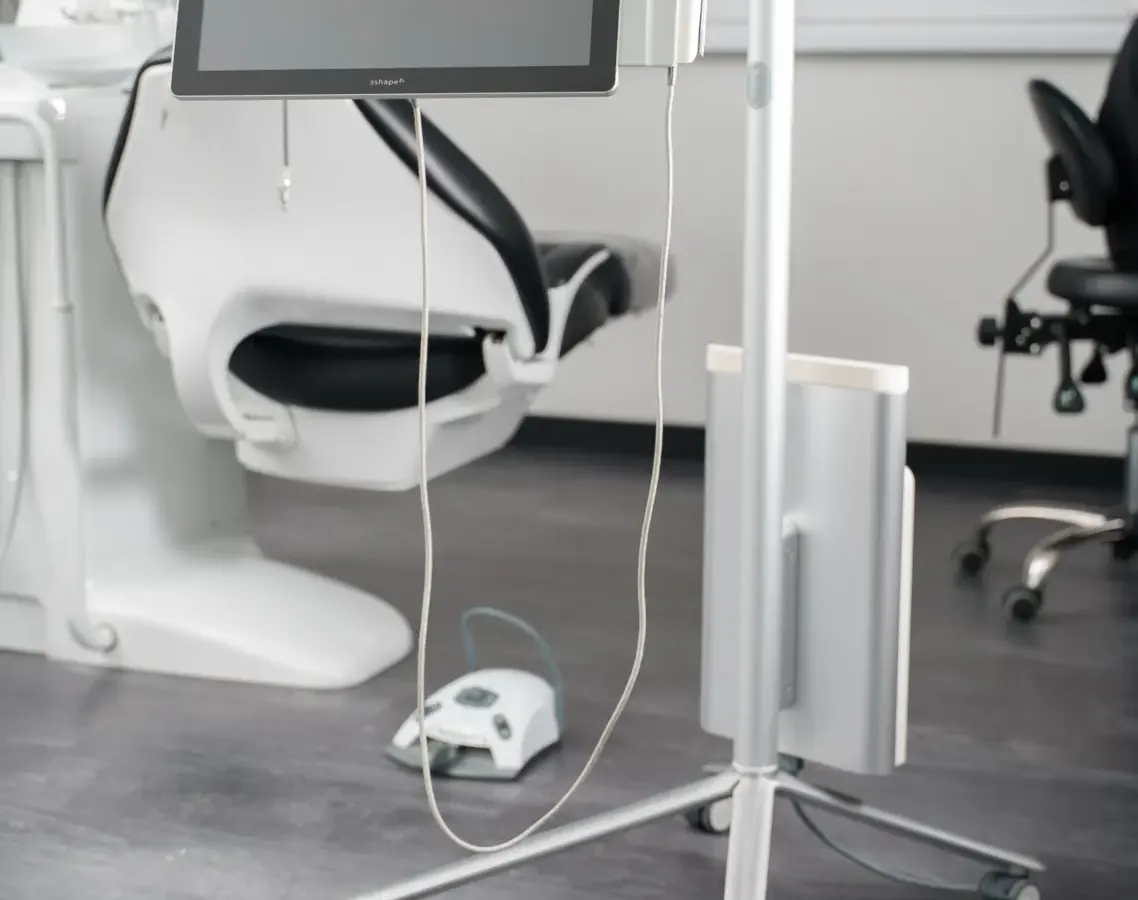
We use a CT scanner, an intraoral 3D scanner and a dental microscope. This ensures high precision at every stage of treatment and guarantees the best aesthetic result.

05

Precise 3D implant planning

The positioning of implants is determined based on CT scan results and digital smile modelling prior to treatment. This approach reduces the risk of complications and improves the predictability of the outcome. All preparatory procedures can be carried out at our dental clinic. This ensures greater precision.

06

High success rate

Personalised selection of implants and meticulous planning enable us to achieve a success rate of 98.5 per cent. Our specialists take into account even the slightest anatomical variations in the jaw. We use Straumann, Nobel Biocare and Osstem systems, all covered by the manufacturer’s warranty.

07

A comfortable service and support

Our dental clinic offers online consultations, payment plans and a transfer service within the city. Patients receive support at every stage of their communication with the clinic and throughout their treatment.

08

Transparent treatment costs

The final treatment plan and the total cost of your new smile are agreed upon before the implant procedure begins. This ensures there are no hidden costs.

Frequently asked questions about full-mouth dental implants

Caring for implant-supported dentures is simpler than caring for removable dentures, but it requires regular maintenance. Daily oral hygiene:
  • Brush your teeth twice a day with a manual or electric toothbrush.
  • Use interdental brushes or superfloss to clean under dentures and around implants.
  • Rinse your mouth after every meal.
Additional resources:
  • A water flosser — perfectly cleans hard-to-reach areas around implants.
  • Antiseptic mouthwashes (as recommended by a dentist).
Professional dental hygiene:
  • Every six months — professional cleaning of implants and dentures at the clinic.
  • A check-up and X-ray once every 12 months.
You do not need to remove the denture at night; it does not require any special solutions or fixing creams. You look after it in much the same way as you would your own teeth.
It takes 1–2 weeks from the initial consultation to the fitting of a temporary prosthesis, and 4–6 months from implant placement to the fitting of a permanent prosthesis (the osseointegration period). For 4–6 months, you will wear a temporary prosthesis and carry on with your normal life with minimal restrictions. The temporary prosthesis is then replaced with a permanent one, and the treatment is complete.
Fixed dentures on implants do not come loose, do not wobble whilst eating or speaking, do not require adhesive creams, do not need to be removed at night, prevent bone atrophy (implants transfer chewing pressure to the bone, just like tooth roots), feel like your own teeth (there is no bulky palate covering the taste buds), have a lifetime of service (provided they are properly cared for) and offer better aesthetics (they look natural). Removable dentures sometimes shift or slip out of place, require adhesive creams, must be removed at night and soaked in a solution, accelerate bone atrophy, cover the palate, reduce the sense of taste, have a lifespan of 3–5 years, and often cause psychological discomfort. Full-mouth implantation is a significant investment, but it restores quality of life for years to come.
The minimum age is 18–20 years (once the jaws have finished developing). There is no maximum age. Implant surgery is successfully carried out on patients aged 70, 80 and even 90, provided their general state of health allows them to undergo the procedure. Age in itself is not a contraindication. What matters is general health, bone density and the presence of decompensated systemic diseases. The dentist assesses the risks on a case-by-case basis, based on diagnostic tests and consultation with relevant specialists (such as an endocrinologist and a cardiologist), and then determines whether full-mouth dental implants are suitable for you and whether the procedure is safe.
The procedure is carried out under anaesthesia (local, sedation or general anaesthesia). You will not feel any pain during the procedure, but you may experience slight pressure or vibration. Once the anaesthesia has worn off, you may experience moderate discomfort, swelling or pain (which can be managed with painkillers). The discomfort is most intense during the first 3–5 days, after which it gradually subsides. In most cases, by the 7th–10th day, patients no longer require painkillers. Wearing a temporary prosthesis can sometimes cause an unusual sensation during the first few weeks, but you’ll quickly get used to it.
The first year after surgery due to:
  • Week 1 — removal of stitches (if they are not self-dissolving) and a follow-up check-up;
  • 1 month — assessment of healing;
  • 3 months — osseointegration check-up;
  • 6 months — preparation for permanent prosthetics or a follow-up check-up.
After prosthetic treatment:
  • Once every six months — professional cleaning of implants and dentures;
  • Once a year — a follow-up X-ray to assess the condition of the bone tissue around the implants.
Regular check-ups are vital for long-term success. They enable potential problems (such as inflammation, loose screws or chips in dentures) to be spotted and resolved in good time.
In the first few days after a temporary denture has been fitted, you may experience a slight change in your speech: it may be difficult to pronounce certain sounds, and you may feel as though your mouth is ‘full’. This is normal and is due to your body adapting to the new denture. Speech will return to normal within 1–2 weeks. A fixed implant-supported denture is thinner and does not cover the palate (unlike a removable one), so adaptation happens more quickly. If your speech does not improve within a month, the denture will need to be adjusted by a dentist.
High-quality implants from leading brands (Osstem, MegaGen, Straumann) come with a lifetime manufacturer’s warranty on the implant itself. This means that, provided the care instructions are followed and regular check-ups are carried out, the implants can last all my life. Implant-supported prostheses have a service life of:
  • metal-ceramic prosthesis — 10–15 years;
  • Zirconia dentures — 15–20 years or more;
  • Composite restoration — 5–10 years.
Once a prosthesis has reached the end of its service life, it can be replaced — the implants remain in place during this process; only the upper structure is replaced.
The success rate for modern implants is 95–98.5 per cent. However, in 1.5–5 per cent of cases, the implant fails to integrate. There are various reasons for this, for example:
  • infection in the early post-operative period;
  • smoking (significantly reduces the success rate of implant integration);
  • excessive stress on the implant during the first few months;
  • uncontrolled diabetes;
  • individual physiological characteristics (poor regeneration).
If an implant has failed to integrate, it must be removed, the site allowed to heal (this usually takes 2–3 months), and a re-implantation carried out (free of charge if the implant was under warranty). In most cases, the second attempt is successful. Early signs of failure (pain, swelling, implant mobility) should be reported to the dentist immediately. The sooner the problem is detected, the easier it is to resolve.

Book a consultation

Book a consultation and one of our managers will contact you shortly

+380 50 011 20 00

FrankoLab Clinic dental surgery

A healthy smile starts with the right decision

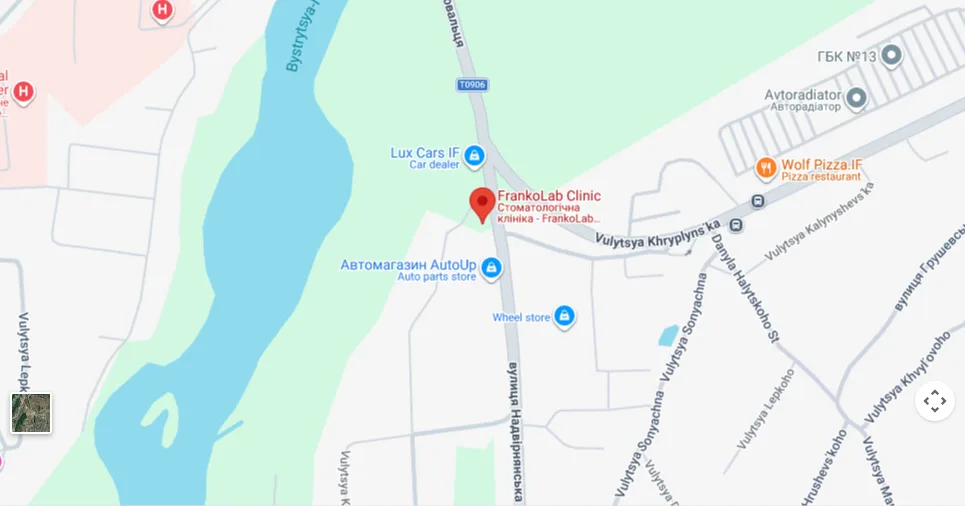
  • 77460, Ivano-Frankivsk, Cherniiv village, 2B Nadvirnianska Street
  • Mon–Sat 9.30 am–7.00 pm, Sun 10.00 am–7.00 pm
  • +380 50 011 20 00
Book a consultation
Map: 77460, Ivano-Frankivsk, village of Cherniiv, 2B Nadvirnianska Street