EN
Closed sinus lift

Why choose FrankoLab:

  1. 01 Minimally invasive upper jaw bone augmentation
  2. 02 Implant placement combined with sinus floor elevation
  3. 03 Rapid rehabilitation without complicated restrictions

Closed sinus lift in Ivano-Frankivsk: Gentle bone augmentation without pain or incisions

Closed sinus lift (or transcrestal, vertical sinus lift) is a minimally invasive procedure for augmenting bone tissue in the lateral regions of the upper jaw, performed through an opening beneath the future implant site without creating lateral access to the maxillary sinus. Closed sinus lift surgery is indicated when the bone height is 4–7 mm — which is insufficient for standard implantation, but is sufficient for primary implant stability and for carrying out a minimally invasive bone augmentation procedure in the maxillary sinus region.

Closed sinus lift surgery allows the floor of the maxillary sinus to be raised by 2–4 mm and an implant to be placed in a single visit, which significantly reduces the overall treatment time and makes the procedure less invasive compared to the open method.

The benefits of closed sinus lift surgery at FrankoLab Clinic

Faster recovery

This technique does not require a large lateral incision or the creation of a ‘window’ in the bone. The bone graft material is inserted through a hole beneath the future implant, which significantly reduces tissue damage. And less trauma means less post-operative swelling and pain. Thanks to this, you can return to your normal routine more quickly.

Same-day implant placement available

Implants are often fitted immediately after a sinus floor elevation (on the same day), which reduces the overall treatment and recovery time.

Experience working with various techniques

Our dentists have extensive skills and practical experience in using osteotomes and balloon techniques. This enables us to select the best method for raising the floor of the maxillary sinus, taking into account bone height, bone density and the clinical situation. This approach reduces the risk of complications and improves the predictability of the implant procedure.

Shortened surgical stage

Compared to open sinus lift surgery, the procedure takes less time. This reduces the physical strain on the body, and you feel better.

Ideal conditions for dental implants

A closed sinus lift makes it possible to create sufficient bone volume for reliable implant fixation in areas where bone tissue was insufficient. This improves the initial stability of the implant. The risk of complications is reduced.

Use of modern technologies

At FrankoLab Clinic, diagnostic systems and digital smile planning enable us to assess the condition of the bone and select the most effective treatment option, taking into account the specific characteristics of your jaw and gums.

When is a closed sinus lift required in dentistry?

Moderate bone deficiency in the lateral regions of the upper jaw

The natural bone height is approximately 5–7 mm. This is insufficient for the stable fixation of a standard implant, but sufficient for a less invasive approach. Using the closed technique, only 2–4 mm of bone height can be added.

Planning for simultaneous implant placement

If primary stability of the implant can be achieved, a closed sinus lift is performed at the same time as the implant is placed. This reduces the overall treatment time.

Re-implantation with preserved bone volume

If at least 5 mm of bone tissue remains after the loss of an implant, a closed-technique bone augmentation procedure can be performed on the upper jaw.

The need for less invasive treatment

Closed sinus lift surgery does not require the creation of a lateral ‘window’ in the bone. This reduces trauma (particularly to the mucosa) and speeds up post-operative recovery.

Anatomically low position of the floor of the maxillary sinus

The sinus is located close to the tooth roots, but the bone height is maintained at 5–7 mm. This makes it possible to elevate the sinus floor via the implant site without the need for lateral access.

Implantation of 1–2 teeth in the lateral regions of the upper jaw

In cases of local bone deficiency, a less invasive method is advisable. A closed sinus lift makes it possible to increase bone height precisely in the area where the implant is to be placed.

How much does bone augmentation using the vertical sinus lift technique cost?

The cost of a closed sinus lift depends on the number of treatment sites, the type and volume of bone grafting material, the cost of the implant (which is placed at the same time) and the complexity of the clinical case. The exact price will be quoted by the dentist following diagnosis and the drawing up of a treatment plan. You will find an indicative price list below.

The dentist will quote the final cost following an examination and diagnosis. Payment in instalments is available. Full price list for the clinic

Stages of the closed sinus lift procedure

01

01 Diagnosis and consultation

Our dentist will always arrange a CT scan to accurately assess the height of the remaining bone, the condition and shape of the maxillary sinus, the thickness of the mucous membrane and the presence of any contraindications. The surgeon determines whether a closed technique is possible (the main criterion being at least 5–7 mm of native bone) or whether an open sinus lift is required.

02

02 Assessment of indications and choice of technique

Based on the diagnostic results, our specialist decides whether to use the osteotome or balloon method. This takes into account the patient’s anatomy and the planned implant length. The aim is to achieve primary stability. In addition, the patient is briefed on the procedure, post-operative restrictions and, if necessary, prescribed prophylactic antibiotic therapy, oral hygiene treatment, etc.

03

03 Anaesthesia

At FrankoLab Clinic, upper jaw bone augmentation surgery is usually performed under local anaesthesia, but sedation is available at the patient’s request. The anaesthesia ensures complete comfort — the patient feels no pain.

04

04 Preparing the socket for the implant

The surgeon makes a small incision in the gums and, using a drill, creates a hole in the bone for the future implant, but does not drill all the way through. A thin layer of bone (around 1 mm) remains in front of the floor of the maxillary sinus. The depth is monitored using a CT scan.

05

05 Sinus floor elevation

Through the opening created, the surgeon carefully lifts the floor of the maxillary sinus (Schneider’s membrane) by 2–4 mm using one of the following methods:

• Osteotomes — specialised instruments that gently push the bone upwards along with the membrane.

• The balloon method — a special balloon is inserted into the opening, which is then inflated to gently lift the floor of the sinus.

The mucous membrane is not incised. This reduces the risk of complications.

06

06 Placement of osteoplastic material

The space formed between the floor of the sinus and the bone is filled with an osteoplastic material (bone chips or a synthetic material). The material for forming additional bone is inserted through the same opening beneath the implant.

07

07 Implant placement

Immediately after the osteoplastic material has been placed into the same socket, the implant is inserted. It is anchored in the existing bone, which provides initial stability. The osteoplastic material is gradually replaced by the patient’s own bone.

08

08 Wound suturing

The incision in the gums is sutured. The stitches are removed after 7–10 days.

09

09 Rehabilitation and follow-up care

Patients receive clear advice on aftercare and restrictions. A follow-up examination takes place after 1–2 weeks, and a follow-up CT scan after 4–6 months to assess osseointegration of the implant and bone formation.

Closed sinus lift in a single appointment for upper jaw implants

Do you need an implant in your upper jaw? Would you like a quick recovery? Closed sinus lift surgery offers the opportunity to build up bone and place an implant in a single visit, without complex operations or lengthy rehabilitation.

Book a consultation for closed sinus lift treatment in Ivano-Frankivsk at FrankoLab Clinic— we will carry out precise 3D diagnostics, assess whether closed sinus lift surgery is suitable for your specific dental implant case, select the appropriate treatment plan and perform the procedure in accordance with modern standards.

Contraindications to bone augmentation using the closed sinus lift technique

01

Bone height less than 4 mm

This is not sufficient to ensure the initial stability of the implant. An open sinus lift procedure is indicated.

02

Acute sinusitis or chronic sinusitis in the acute phase

Inflammation of the sinus mucosa increases the risk of infectious complications following treatment.

03

Cysts, polyps or tumours in the maxillary sinus

Large growths require prior treatment by an ENT specialist.

04

Severe bone atrophy or very loose bone

Low bone density reduces the chances of the implant being securely fixed, whilst severe atrophy makes a good result impossible.

05

Blood clotting disorders or the use of anticoagulants without adjustment of treatment

If the coagulation system is not functioning properly, even minor surgical procedures carry a high risk of prolonged or uncontrolled bleeding. The risk group includes patients with congenital coagulopathies, low platelet counts, liver disease, as well as those taking blood-thinning medication: warfarin, direct oral anticoagulants, etc.

06

Systemic pathological processes

For example, uncontrolled diabetes mellitus, cancer in the active phase or during chemotherapyand radiotherapy, immunodeficiency conditions, and severe systemic diseases in the decompensated stage (heart failure, uncontrolled hypertension, etc.). Anything that weakens the immune response, increases the risk of inflammation and impedes healing poses a risk not only to the outcome of a sinus lift with implant placement.

07

Smoking

Nicotine impairs blood supply to tissues. According to our experts, smokers are 1.5–2 times more likely to lose their implants.

Payment in instalments

Implant surgery with sinus lifting restores chewing function for years to come. This solution affects not only comfort but also the condition of the bone tissue and neighbouring teeth. FrankoLab Clinic offers flexible payment terms. The clinic works with partner banks and offers the option of paying in instalments.

Payment plans are available with no extra charges or at a minimal interest rate, depending on the chosen bank. The administrator will clarify the current terms, conditions and requirements when you book a consultation.

When closed sinus lift surgery is not possible: key limitations

Patients often ask whether it is always possible to opt for a closed sinus lift. No — the choice of technique depends on the bone height.

If the bone height is less than 4 mm, the closed technique is technically impossible. The implant will not have sufficient initial stability. In such a situation, an open sinus lift with delayed implantation after 4–6 months is indicated.

Another key factor for the success of a closed sinus lift is the initial stability of the implant. If the implant is loose, there is a risk that osseointegration will not occur and the implant will be lost. This is precisely why, during the diagnostic phase, the surgeon carefully assesses the indications for a closed sinus lift: not only the height of the bone, but also its density — if the bone is too spongy, the closed method is not suitable.

It is also worth noting that a closed sinus lift does not mean there are no restrictions at all. For the first two weeks after the operation, it is important not to blow your nose, not to sneeze forcefully, and not to travel by air. Although the restrictions are less stringent than with the open method, they are nonetheless very important for a successful outcome.

Our patients’ results

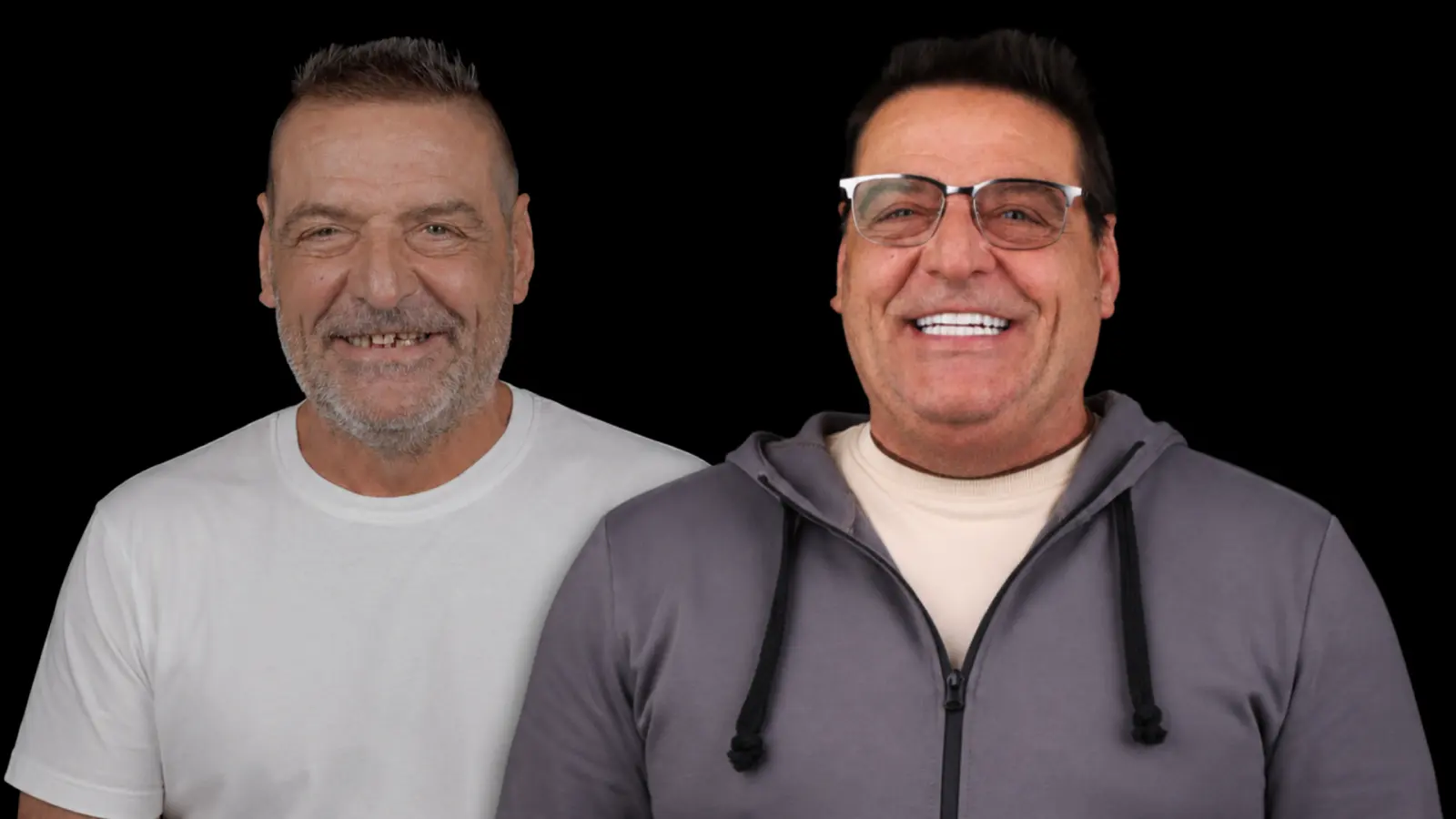
Case Study 4: Comprehensive dental restoration using crowns and veneers

Diagnosis:

Complete loss of dental function due to teeth that could not be saved. The patient required comprehensive rehabilitation of both jaws, restoring both chewing function and aesthetics.

Treatments:

All teeth that could not be saved were extracted. In the first stage, 4 implants were placed in the upper jaw and 6 in the lower jaw. During the next stage of treatment, a further 2 implants were placed in the upper jaw. As a result, the permanent prosthetic restoration will be anchored to six implants in the upper jaw and six implants in the lower jaw, providing a secure foundation for the future prosthesis.

Result:

The patient has successfully completed the surgical stages of treatment and is preparing for the final prosthetic restoration. The chosen rehabilitation approach ensures maximum stability of the restoration, even distribution of the chewing load, long-lasting results and a high level of comfort.

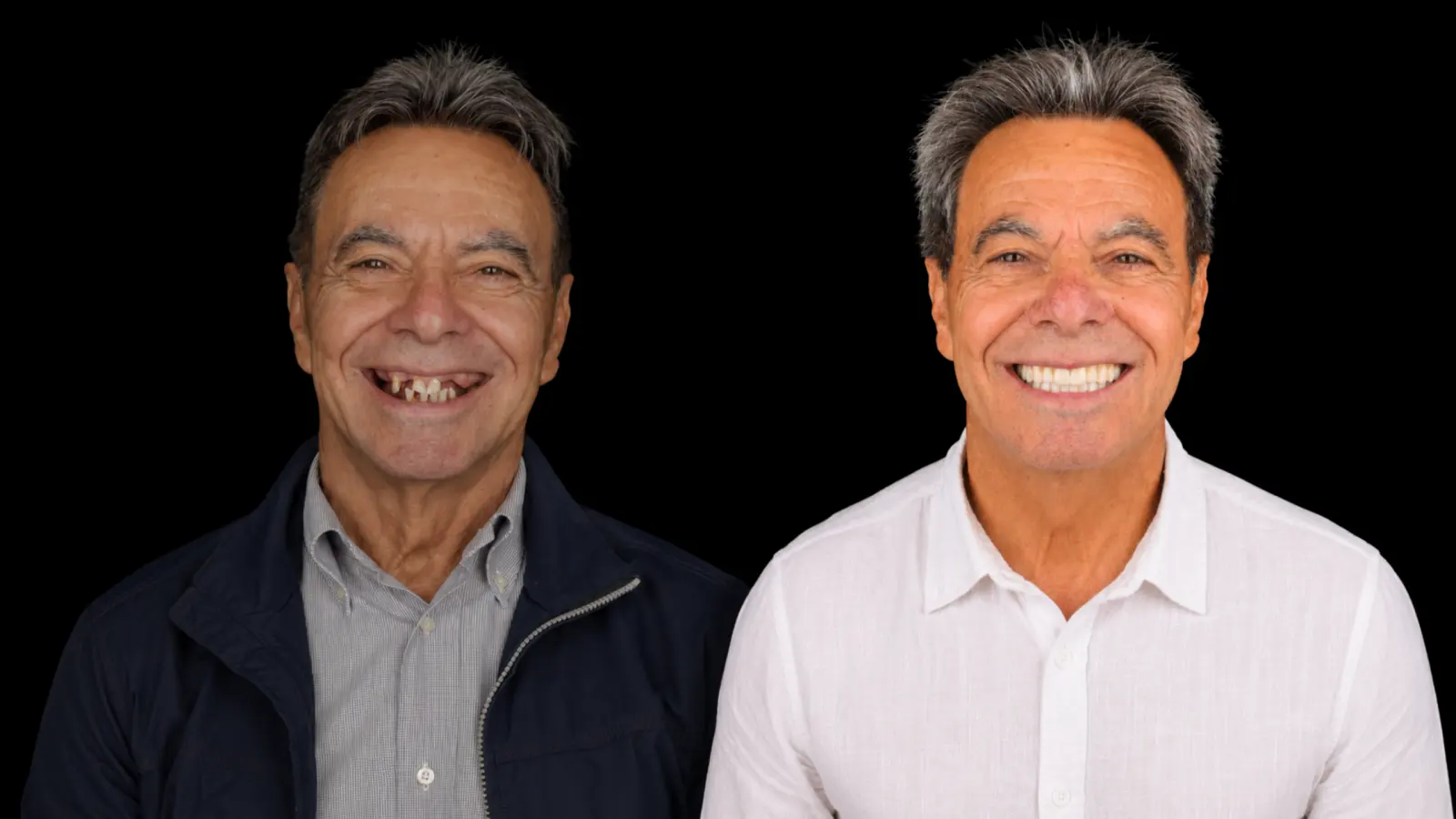
Case 2: Implantology. Prosthetics

Diagnosis:

The patient presented with complaints of discomfort whilst chewing, increased tooth sensitivity and dissatisfaction with the appearance of her smile.

Treatments:

The first stage involved professional hygiene, comprehensive oral rehabilitation, therapeutic and endodontic treatment, the extraction of teeth that could not be restored, and implant placement.

Immediately following the surgical stage, temporary prosthetic restorations were fitted.
Six months
later, a prototype of the future smile was fabricated in the clinic’s own dental laboratory, FrankoLab.

The final stage involved the fitting of 24 fully anatomical zirconia crowns onto the patient’s natural teeth and implants in the upper and lower jaws.

Result:

Full functional and aesthetic rehabilitation has been achieved. Tooth sensitivity has been eliminated, chewing efficiency has been fully restored, and a stable prosthetic structure and a natural, harmonious smile have been created.

Case 1: Partial tooth loss.

Diagnosis:

A patient from Italy presented with complaints of multiple missing teeth, generalised periodontitis, impaired chewing function and an unsatisfactory smile.

Treatments:

In the first stage, a full diagnosis and oral rehabilitation were carried out, followed by a sinus lift.

Straumann implants were fitted using the ‘All-on-6’ concept. The surgical procedure was carried out under medical sedation, ensuring a comfortable experience for the patient, who suffered from severe dental phobia.

The very next day, provisional restorations were fitted, allowing the patient to smile comfortably, speak and lead a normal lifestyle. These were subsequently replaced with reinforced temporary restorations.
Six months
after the completion of the osseointegration period, the permanent zirconia restorations were cemented in place.

Result:

Within a short period of time, the patient regained their ability to chew, a natural-looking smile and the chance to return to everyday life without discomfort.

Clinical Case 5

Diagnosis:

Partial edentulism, mobility of remaining teeth, severe bone atrophy and chronic periodontal inflammation. The patient complained of difficulty chewing food, discomfort whilst chewing and an unsatisfactory appearance of their smile.

Treatments:

Digital treatment planning was carried out, along with the fabrication of surgical guides, the extraction of teeth that could not be saved, the placement of six implants in each jaw, and the fixation of fixed temporary restorations reinforced with titanium bars. Following the completion of the osseointegration period, the second stage of treatment was carried out — the fabrication and fixation of permanent prosthetic restorations.

Result:

The patient has had their upper and lower dentition fully restored, regaining stable chewing function and a natural-looking smile. Discomfort whilst eating has disappeared, and their self-confidence and quality of life have been restored.

Doctors providing treatment

Patient reviews

4,9 Google rating All reviews on Google

Diana Kruk

08.07.2026

The clinic and service are of the highest standard – keep up the good work!

Ksenia Savenko

23.06.2026

I am very grateful to the whole FrankoLab team for the experience I’ve had with you. You are incredible! I wish you continued growth and prosperity, because the smiles you create are not only beautiful but also genuine, as seen on the faces of your grateful clients.

FrankoLab Dental Laboratory

Would you like an implant without surgery? Book a closed sinus lift and see for yourself!

In-house laboratory

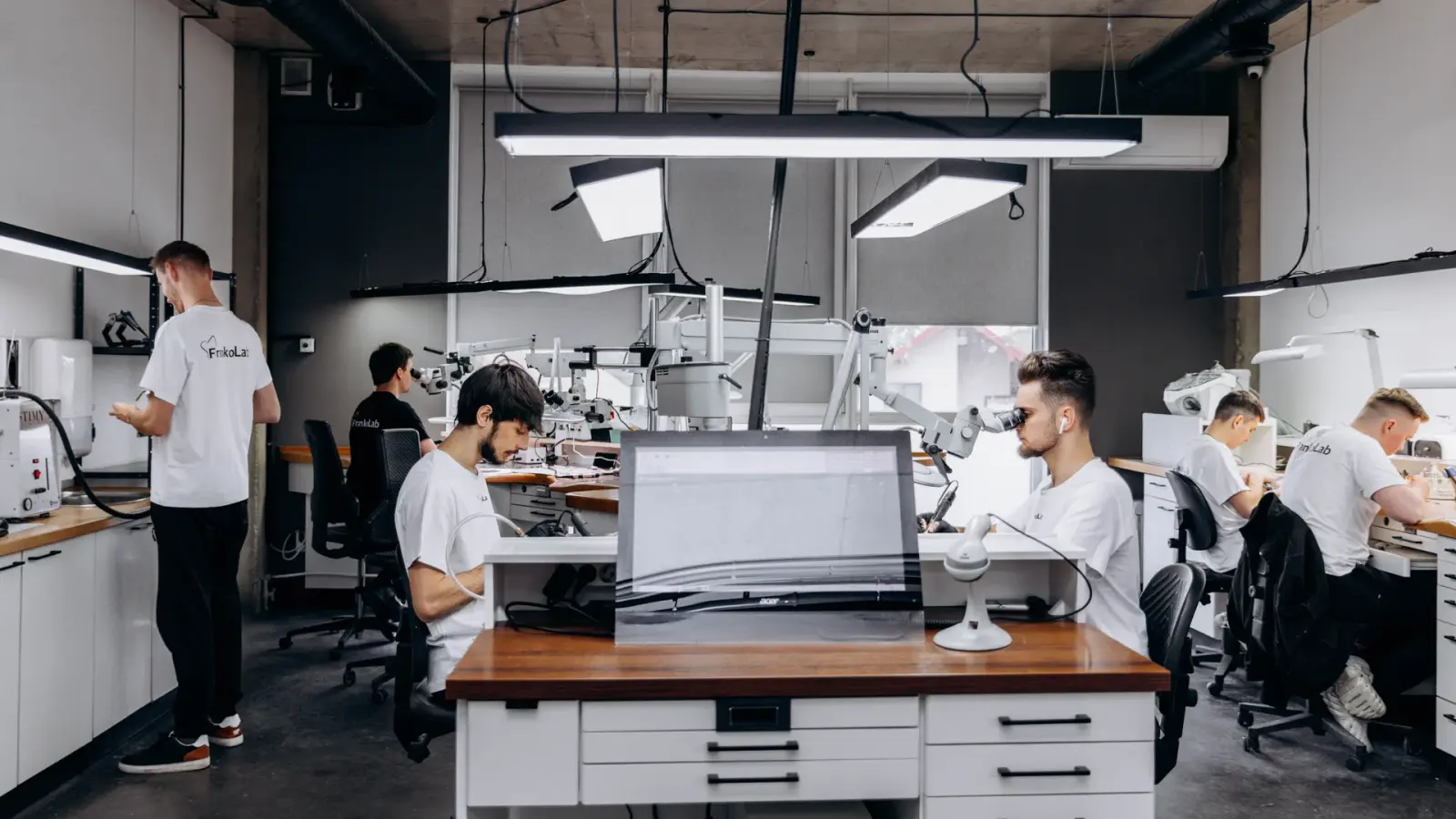
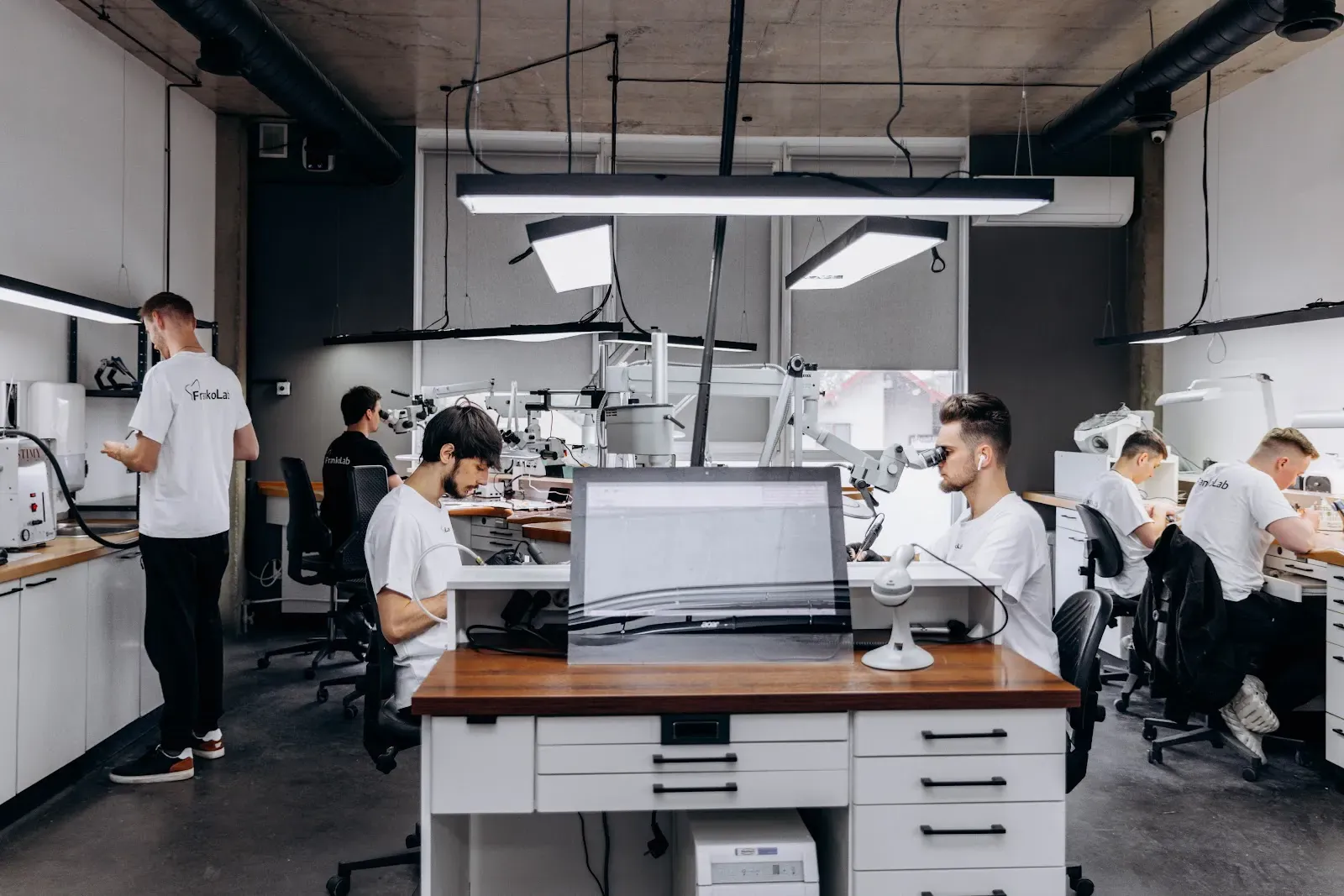
FrankoLab’s main advantage is its own in-house dental laboratory.

As all our production facilities are located on-site, we can fully control the manufacturing process for restorations of any complexity, develop solutions quickly and guarantee long-term results.

In our digital dental laboratory, metal-free prosthetic restorations are manufactured using leading CAD/CAM technologies and the highest-quality European materials.

FrankoLab Dental Laboratory

Why choose FrankoLab Clinic for closed sinus lift surgery

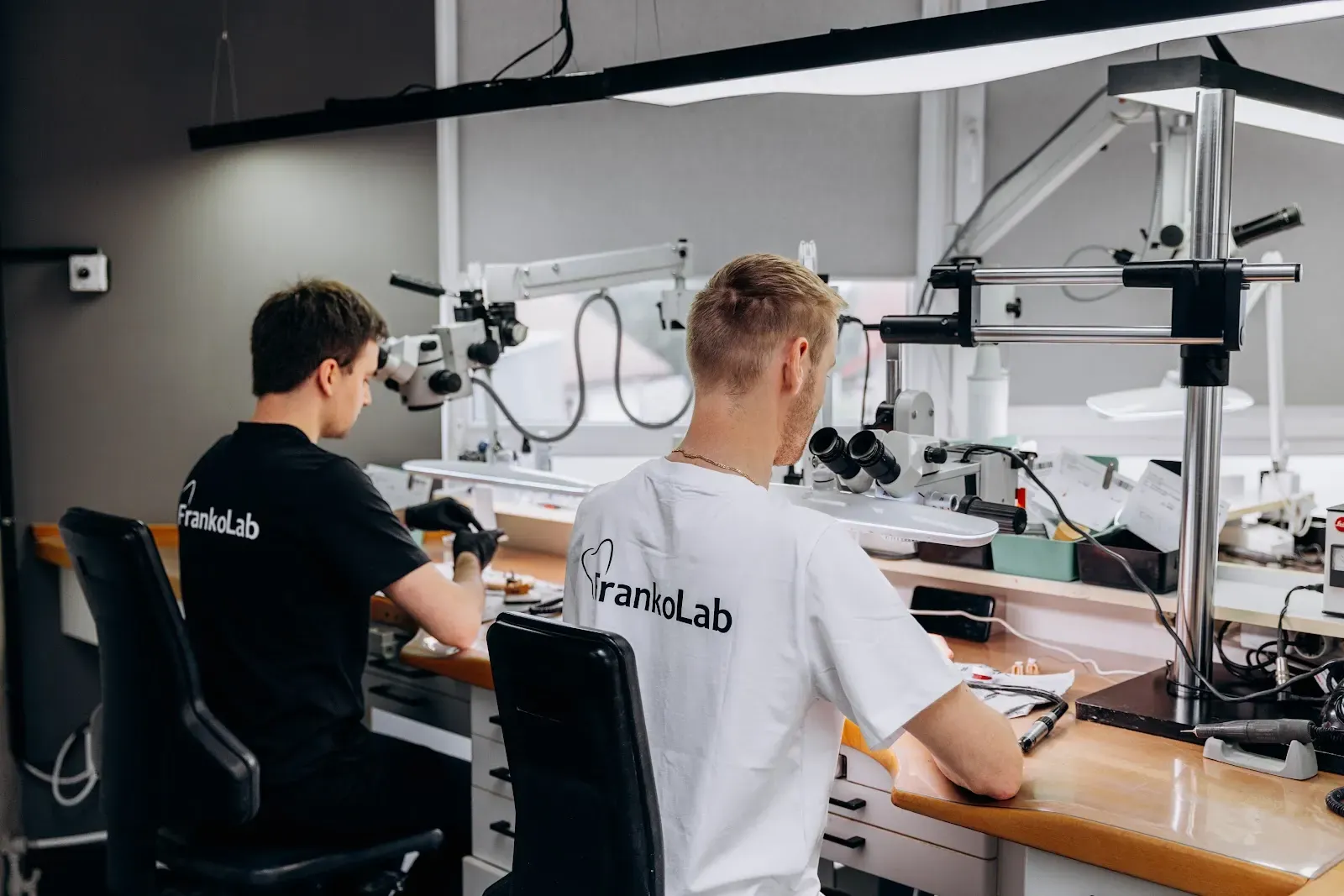
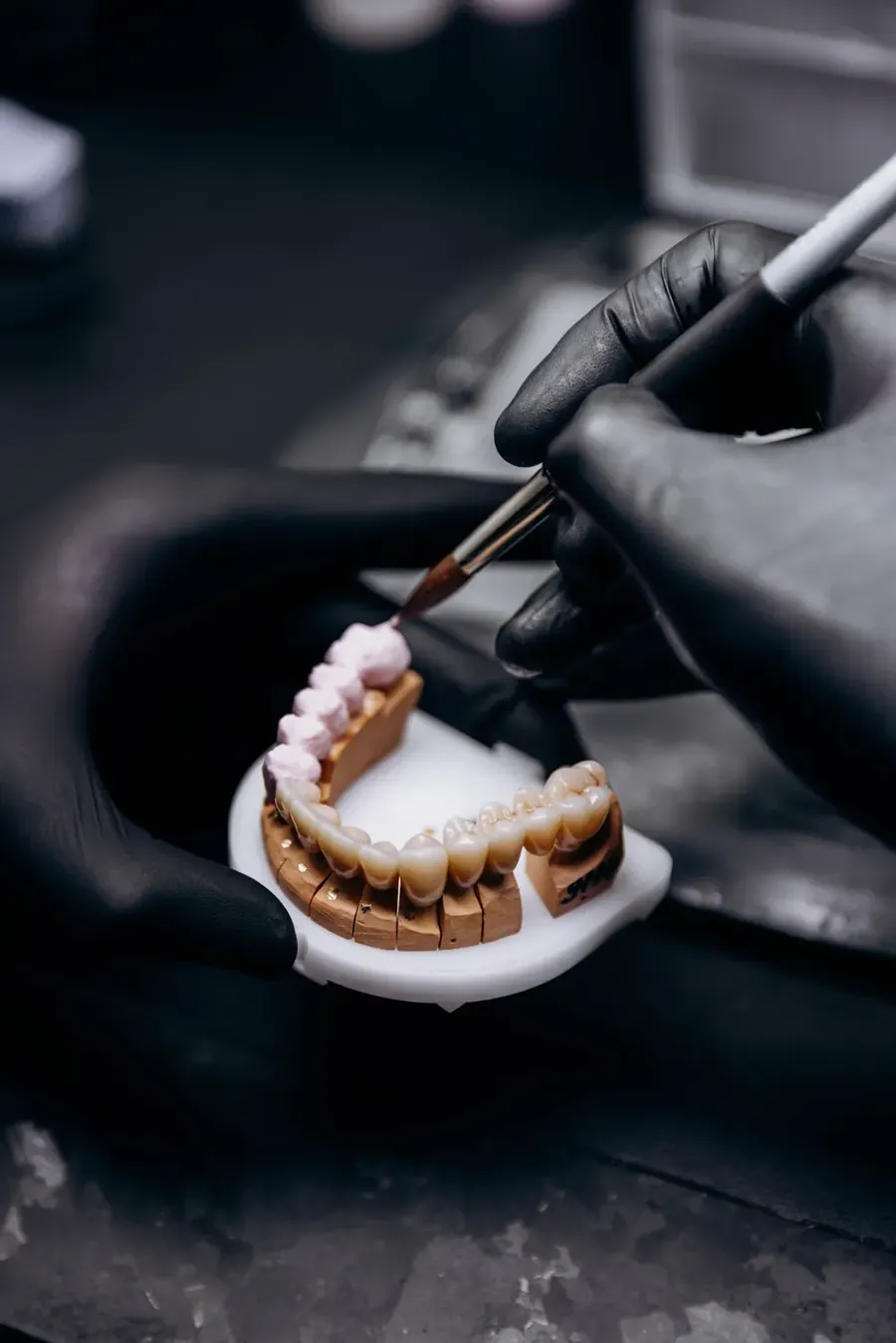
A FrankoLab dental technician is putting the finishing touches to a denture on implants in the clinic’s own laboratory
01

01 Experience and quality

Our team consists of dentists with experience in sinus lifts and bone grafting. We work in accordance with modern clinical protocols and use certified osteoplastic materials. Having our own dental laboratory enables us to produce bespoke restorations without delay and to monitor quality at every stage.

02

02 Precise 3D planning

Before any procedure, we carry out CT scans at our own dental clinic. This enables us to assess bone height, as well as the position and anatomical features of the maxillary sinus. Our dentists work exclusively with precise anatomical landmarks.

03

03 Careful patient selection

The closed technique is only used when it is safe and predictable. If there is insufficient bone, we recommend a different approach.

04

04 Compliance with international safety protocols

We carry out procedures using modern anaesthesia, so treatment with us is not just about ensuring a comfortable experience for the patient, but also about safety. Furthermore, every stage – from the initial consultation to full recovery – is supervised by our specialists.

05

05 Transparency of treatment costs

Patients receive a detailed financial plan before treatment begins. The quote specifies the diagnostic phase, the surgical stage, materials and the implantation procedure separately. There are no hidden charges. All terms and conditions are discussed in advance so that you can make an informed decision.

Frequently asked questions about ‘closed sinus lift’ surgery in dentistry

There is no one-size-fits-all answer: the choice depends on bone height and density, as well as the anatomical features of the sinus and the aim of the procedure (whether 1–2 teeth are to be implanted or whether several teeth require implantation in the presence of bone deficiency). If it is possible to opt for the closed technique, this is more comfortable for the patient. If this is not an option, then stability of the result takes precedence – a more invasive open sinus lift, which takes longer to heal, is performed.
A closed sinus lift with simultaneous implantation on a single tooth takes 30–60 minutes. If 2–3 implants need to be placed in the lateral regions of the upper jaw, the procedure will take up to 1.5 hours. By comparison, an open sinus lift takes at least 1.5–2.5 hours, as the surgeon must create lateral access and close the ‘windows’ in the bone.
Yes, but it is much less severe than after an open sinus lift. For the first two weeks, you must not blow your nose, sneeze forcefully (sneeze with your mouth open), drink through a straw, smoke (this drastically reduces implant integration), engage in strenuous physical activity or overheat, travel by air (due to pressure changes during the flight), or eat solid food (especially during the first 3–5 days). The stitches are removed after 7–10 days; any discomfort can be managed with painkillers (for the first 2–3 days); a follow-up check-up is scheduled for 1–2 weeks later; and full osseointegration of the implant takes 4–6 months. The restrictions are less strict, but it is equally important to follow the recommendations.
Technically, this is possible, but it is rarely practised. A closed sinus lift requires a bone height of 4–7 mm and sufficient density to ensure primary implant stability. Immediately after tooth extraction, there is a fresh, thin-walled socket that has not yet healed or compacted. In most cases, surgeons wait 2–3 months for the socket to heal, and then perform a closed sinus lift followed by implantation.
Closed sinus lift surgery carries less risk than open sinus lift surgery, but complications can still arise. These include perforation (tearing) of Schneider’s membrane, insufficient initial implant stability, displacement of the bone graft material (for example, when the patient blows their nose or subjects the area to high pressure), infection (for example, in the case of sinusitis or where there is underlying inflammation), insufficient bone formation (due to smoking, diabetes or individual factors), and implant loss. Most complications can be avoided by strictly following all the dentist’s recommendations regarding recovery.
Modern osteoplastic materials (xenografts, synthetic bone) are biocompatible and do not cause an immune reaction or rejection. They are not ‘foreign bodies’ in the traditional sense — the body accepts them and gradually replaces them with its own bone. However, under certain conditions, the following may occur:
  • contamination of the material — if sterility has been compromised or the patient has not maintained good hygiene (in which case the material will need to be removed);
  • Insufficient integration — the material is not replaced by bone due to the body’s poor regenerative capacity (smoking, diabetes, age);
  • Displacement of the material — if the patient breaches the restrictions (for example, by blowing their nose or applying pressure to the area).
Rejection as an immune response to the biomaterial is an extremely rare occurrence. If you choose high-quality materials (Bio-Oss, Cerabone, Straumann BoneCeramic and other high-quality global brands), the risk is minimal.

Book a consultation

Book a consultation and one of our managers will contact you shortly

+380 50 011 20 00

FrankoLab Clinic dental surgery

A healthy smile starts with the right decision

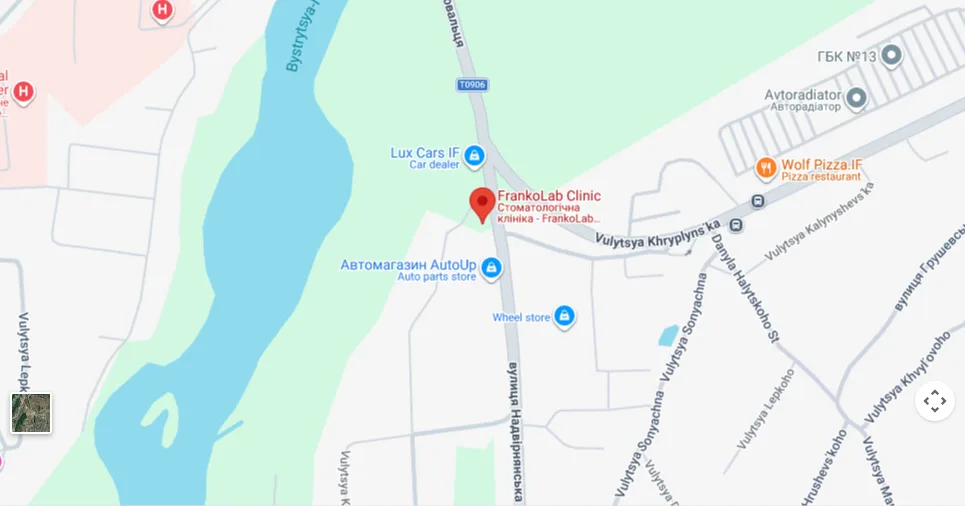
  • 77460, Ivano-Frankivsk, Cherniiv village, 2B Nadvirnianska Street
  • Mon–Sat 9.30 am–7.00 pm, Sun 10.00 am–7.00 pm
  • +380 50 011 20 00
Book a consultation
Map: 77460, Ivano-Frankivsk, village of Cherniiv, 2B Nadvirnianska Street