EN
Open sinus lift

Why choose FrankoLab:

  1. 01 Upper jaw bone augmentation for dental implants
  2. 02 Stable results despite bone loss
  3. 03 Modern osteoplastic materials and safe anaesthesia

Open sinus lift in Ivano-Frankivsk: Safe preparation for upper jaw implant surgery

Open sinus lift (or lateral sinus lift) is a surgical procedure to augment bone tissue in the lateral regions of the upper jaw, performed via a lateral (side) approach to the maxillary sinus. Upper jaw bone augmentation surgery is required when the bone height is insufficient for stable implant placement — typically less than 4–5 mm.

Open sinus lift surgery allows for bone augmentation of up to 10–15 mm, providing a reliable foundation for implant placement, even in complex cases involving severe tissue atrophy.

The benefits of open sinus lift surgery at FrankoLab Clinic

The ability to restore significant bone loss

This method is used when the natural bone height is less than 4–5 mm. This makes it possible to create sufficient tissue volume, even in complex clinical cases. We also cater for the need to restore large volumes of bone material. This is important in cases of severe bone atrophy following tooth loss.
Controlled access to the maxillary sinus

During an open sinus lift procedure, the dentist creates a lateral ‘window’ in the bone. This allows for visual control and precise elevation of the sinus membrane. It also enables the dentist to take into account the anatomical features of the sinus — such as the presence of septa, thickening of the mucosa or residual bone. The approach is tailored to each individual case.

Highly predictable results

Prior to open sinus lift surgery for upper jaw dental implants at our clinic, you will undergo precise CT diagnostics to assess sinus anatomy, bone thickness and any contraindications, as well as digital planning. Consequently, the success rate of implant placement following a sinus lift in our patients exceeds 90–95 per cent.

Option for combined augmentation

If necessary, our specialists can combine open sinus lift surgery with guided bone regeneration. This is particularly relevant in cases of defects in the lateral walls.

Use of certified materials

The specialists at our dental clinic use only modern osteoplastic materials that stimulate the formation of the patient’s own bone.

Comfort and safety

The upper jaw bone augmentation procedure is carried out under modern anaesthesia and with minimal discomfort for the patient. Afterwards, you will receive detailed recommendations and undergo follow-up examinations.

When is an open sinus lift required in dentistry?

Severe bone deficiency

The bone height is less than 4–5 mm in the lateral regions of the upper jaw. In such a situation, the closed technique is insufficient.

Bone atrophy following tooth extraction

After a tooth is extracted, the bone gradually recedes. Over the first 6–12 months, bone volume can decrease by 30–50 per cent.

Planning for implant placement in the lateral regions of the upper jaw

In this area, the maxillary sinus is anatomically situated very close to the surface in many people from birth, so there is often insufficient bone height for stable implant placement.

Maxillary sinus

The larger the air cavity above the upper teeth, the thinner the bone beneath it becomes. In such a situation, there is simply not enough bone height to place an implant.

Replacement implant following implant loss

If an implant has been removed, the bone tissue in that area often recedes even further. Sometimes its height is less than 4–5 mm. In such a situation, it is impossible to create sufficient bone volume for the secure fixation of a new implant without an open sinus lift.

Complex anatomy

Partitions in the nasal cavity or uneven atrophy require open access for monitoring.

A history of periodontitis

Chronic inflammation leads to bone loss around the teeth. In the lateral regions of the upper jaw, this is often accompanied by a reduction in bone height beneath the maxillary sinus.

How much does a bone augmentation procedure using the lateral sinus lift technique cost?

The cost of an open sinus lift depends on the extent of the procedure (one or both sides), the type and quantity of bone grafting material, the need for simultaneous implant placement, and the complexity of the clinical case. The exact price will be quoted by the dentist following 3D diagnostics and the drawing up of a treatment plan. You will find an indicative price list below.

The dentist will quote the final cost following an examination and diagnosis. Payment in instalments is available. Full price list for the clinic

Stages of the open sinus lift procedure

01

Diagnosis and treatment planning

A clinic specialist will always arrange a CT scan to assess bone height, the condition of the maxillary sinuses, the thickness of the mucous membrane and the presence of any contraindications. Based on the diagnosis, the surgeon determines the extent of bone augmentation required and selects the appropriate bone grafting material. Examinations (including 3D modelling) can be carried out at FrankoLab Clinic.

02

Anaesthesia

The procedure is usually carried out under local anaesthesia. Sedation is available at the patient’s request to ensure maximum psychological comfort.

03

Access to the maxillary sinus

Our surgeon makes an incision in the gums at the lateral wall of the upper jaw and gains access to the bone. Using specialised instruments, he creates a small ‘window’ in the lateral wall of the maxillary sinus.

04

Schneider membrane elevation

Through the opening created, the dentist carefully peels back the mucous membrane at the base of the maxillary sinus, lifting it upwards. It is important not to damage the membrane, as a tear carries a risk of infection and/or leakage of the osteoplastic material.

05

Placement of osteoplastic material

The space formed between the floor of the sinus and the raised membrane is filled with the selected osteoplastic material. It is firmly compacted, creating a foundation for the formation of new bone tissue.

06

Close window

The lateral window is closed with a resorbable membrane or a bone graft to retain the osteoplastic material and protect the surgical site.

07

Dental implant placement (where indicated)

If the initial bone height was 3–4 mm or more, the surgeon sometimes places implants at the same time as a sinus lift. If the bone height was less than 3 mm, implantation is postponed for 4–6 months until the new bone has fully formed.

08

Wound suturing

The incision is sutured. The stitches are removed after 10–14 days.

09

Rehabilitation and follow-up care

Patients receive clear advice on aftercare, medication and restrictions from our expert. A follow-up examination takes place in 1–2 weeks, and a follow-up CT scan in 4–6 months to assess bone formation.

Open sinus lift: a chance for implant treatment even with insufficient bone

Do you need an implant in your upper jaw? Are you a candidate for an open sinus lift? Book a consultation at FrankoLab Clinic in Ivano-Frankivsk — we’ll carry out a precise CT scan, select the optimal treatment plan and perform the procedure in accordance with modern safety standards. Open sinus lift surgery is your chance of a successful implant procedure, even in complex cases where everyone tells you that there isn’t enough bone height for a successful and long-lasting result.

Contraindications to bone augmentation using the open sinus lift technique

01

Acute sinusitis or an exacerbation of chronic sinusitis

This increases the risk of implant infection and post-operative complications. Treatment by an ENT specialist is required.

02

Polyps, cysts, growths or severe swelling of the sinus mucosa

These interfere with ventilation and healing. Preliminary correction is recommended.

03

Uncontrolled diabetes mellitus

It impairs tissue regeneration and increases the risk of infection. Blood glucose levels must be stabilised.

04

Blood clotting disorders or the use of anticoagulants without appropriate management

In cases of coagulation disorders, even minor surgical procedures can lead to prolonged or uncontrolled bleeding. The risk group includes patients with congenital coagulopathies, thrombocytopenia, liver disease, as well as those taking anticoagulants. Prior to surgery, coagulation parameters must be assessed and any adjustments to treatment agreed with the doctor.

05

Cancer in the active phase

Dental surgery is postponed until the completion of specialised treatment.

06

Active periodontitis or other oral infections

These increase the risk of material rejection. A clean-up procedure is carried out first.

07

Severe systemic diseases in the decompensated stage

These factors impair healing and increase surgical risks. Stabilisation of the patient’s condition is required.

08

The proximity of the tooth roots to the floor of the maxillary sinus

If there is an infection, endodontic treatment must be carried out first. Without treating the source of the inflammation, there is an increased risk of the implant becoming infected.

09

Severe osteoporosis

Reduces the bone’s ability to regenerate and form a stable foundation for the implant.

10

Smoking (is a relative contraindication)

It impairs blood supply to the tissues and reduces the success rate of bone grafts. It is recommended that you stop smoking at least two weeks before the operation.

Payment in instalments

Bone grafting and dental implants are a significant investment in your health. At FrankoLab Clinic, we offer flexible payment options. We work with partner banks and provide instalment plans with no extra charges or at minimal interest rates. Our receptionist will provide further details on current promotions and terms and conditions when you book your appointment. Take care of the beauty and health of your smile on favourable terms with us!

Open sinus lift: a chance for implant treatment even with insufficient bone

Our patients often ask: is it possible to avoid a sinus lift and have implants fitted without bone augmentation? Technically, there are alternatives — short implants, zygomatic implants or basal implantation. However, each of these methods has its limitations: short implants do not always provide sufficient stability under masticatory loads; zygomatic implants are only indicated in cases of complete edentulism; and basal implantation is a controversial technique with an unpredictable long-term prognosis.

That is why the specialists at FrankoLab Clinic recommend open sinus lift surgery — this is the gold standard for implant placement in the lateral regions of the upper jaw where there is a lack of bone. It ensures long-term stability, as it allows standard-length implants to be placed.

Our patients’ results

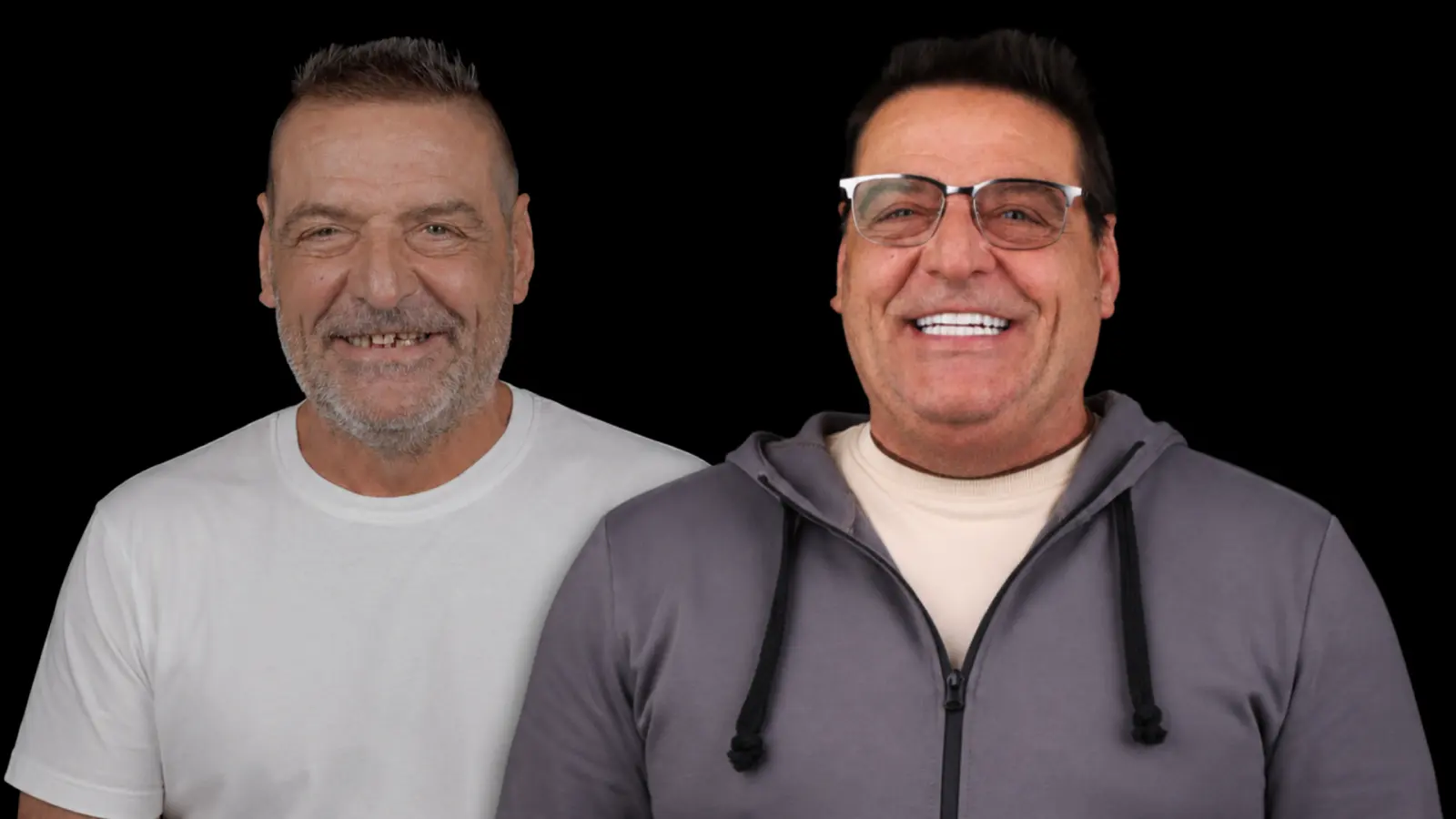
Case 1: Partial tooth loss.

Diagnosis:

A patient from Italy presented with complaints of multiple missing teeth, generalised periodontitis, impaired chewing function and an unsatisfactory smile.

Treatments:

In the first stage, a full diagnosis and oral rehabilitation were carried out, followed by a sinus lift.

Straumann implants were fitted using the ‘All-on-6’ concept. The surgical procedure was carried out under medical sedation, ensuring a comfortable experience for the patient, who suffered from severe dental phobia.

The very next day, provisional restorations were fitted, allowing the patient to smile comfortably, speak and lead a normal lifestyle. These were subsequently replaced with reinforced temporary restorations.
Six months
after the completion of the osseointegration period, the permanent zirconia restorations were cemented in place.

Result:

Within a short period of time, the patient regained their ability to chew, a natural-looking smile and the chance to return to everyday life without discomfort.

Doctors providing treatment

Patient reviews

4,9 Google rating All reviews on Google

Diana Kruk

08.07.2026

The clinic and service are of the highest standard – keep up the good work!

Ksenia Savenko

23.06.2026

I am very grateful to the whole FrankoLab team for the experience I’ve had with you. You are incredible! I wish you continued growth and prosperity, because the smiles you create are not only beautiful but also genuine, as seen on the faces of your grateful clients.

FrankoLab Dental Laboratory

Are you planning to have implants in your upper jaw? Discuss the possibility of a sinus lift with your dentist.

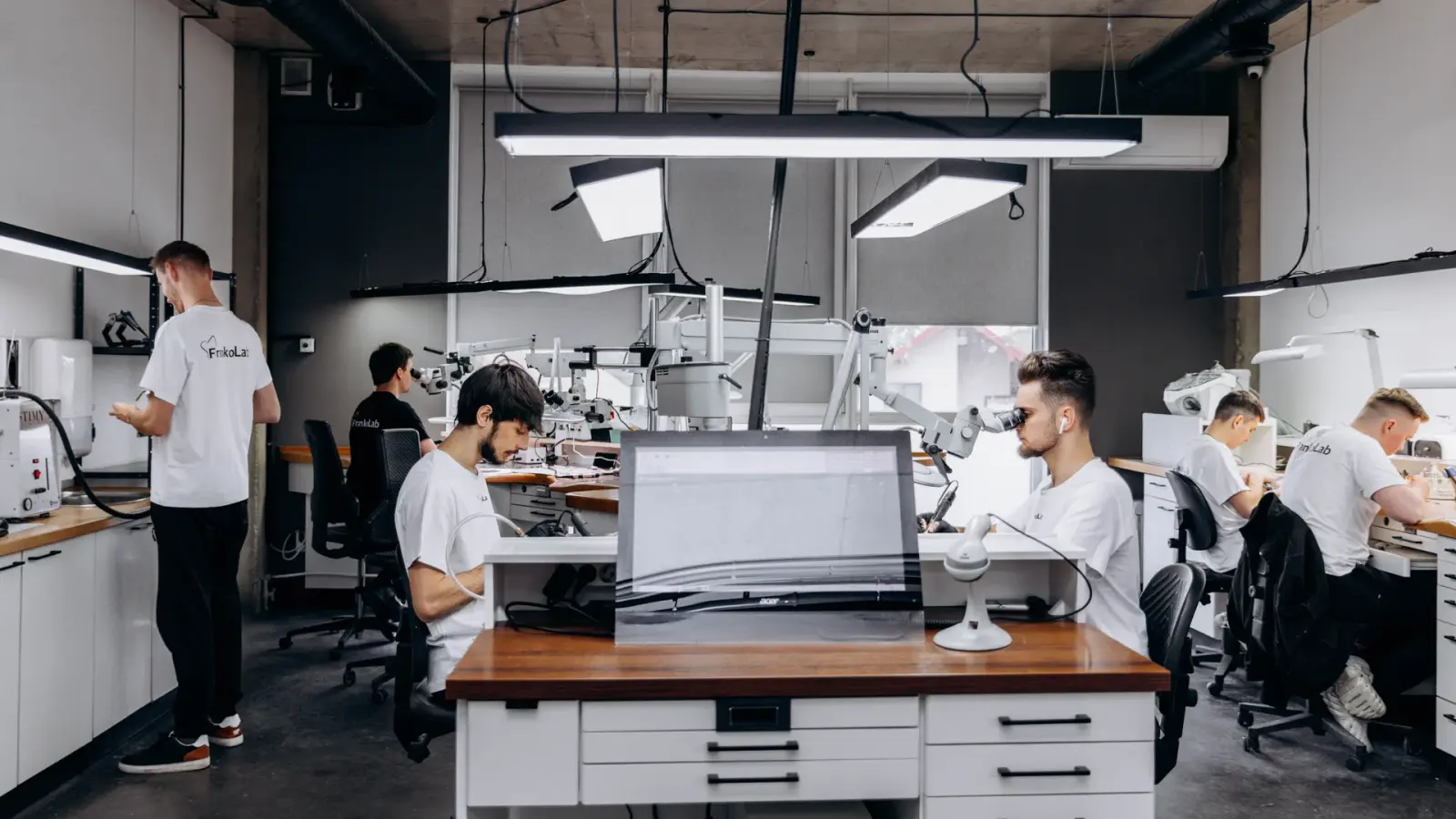
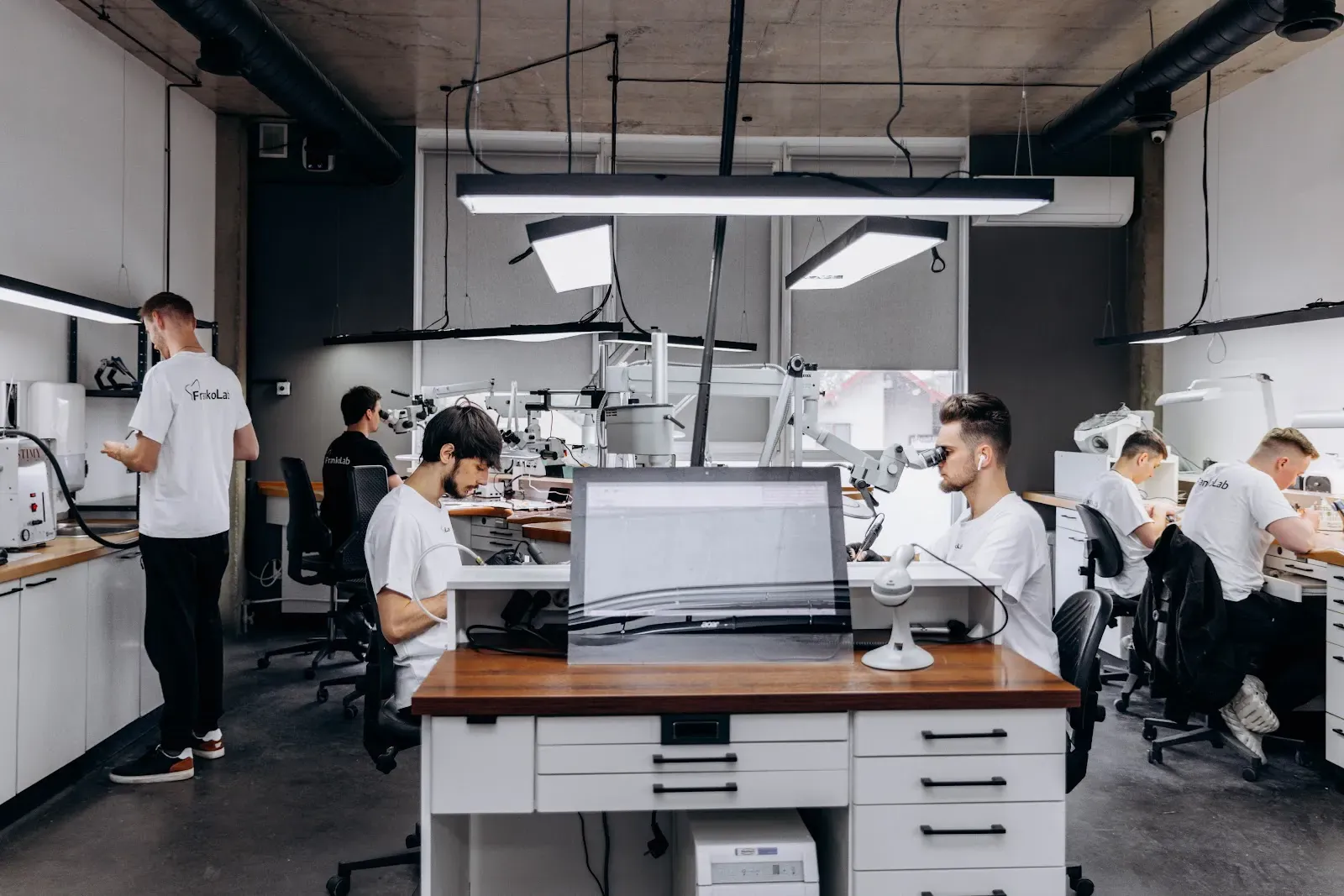
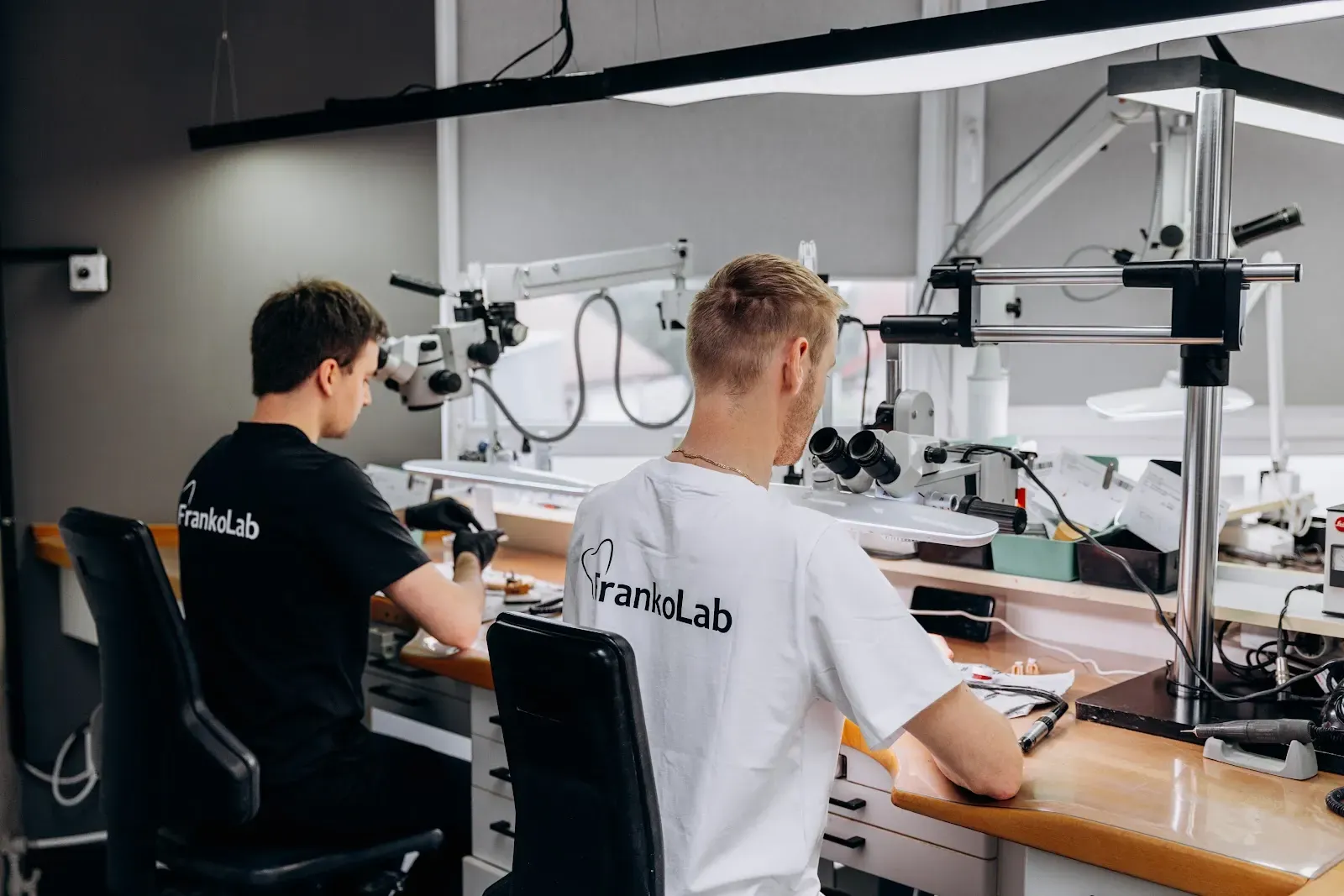
In-house laboratory

FrankoLab’s main advantage is its own in-house dental laboratory.

As all our production facilities are located on-site, we can fully control the manufacturing process for restorations of any complexity, develop solutions quickly and guarantee long-term results.

In our digital dental laboratory, metal-free prosthetic restorations are manufactured using leading CAD/CAM technologies and the highest-quality European materials.

FrankoLab Dental Laboratory

Why choose FrankoLab Clinic for open sinus lift surgery

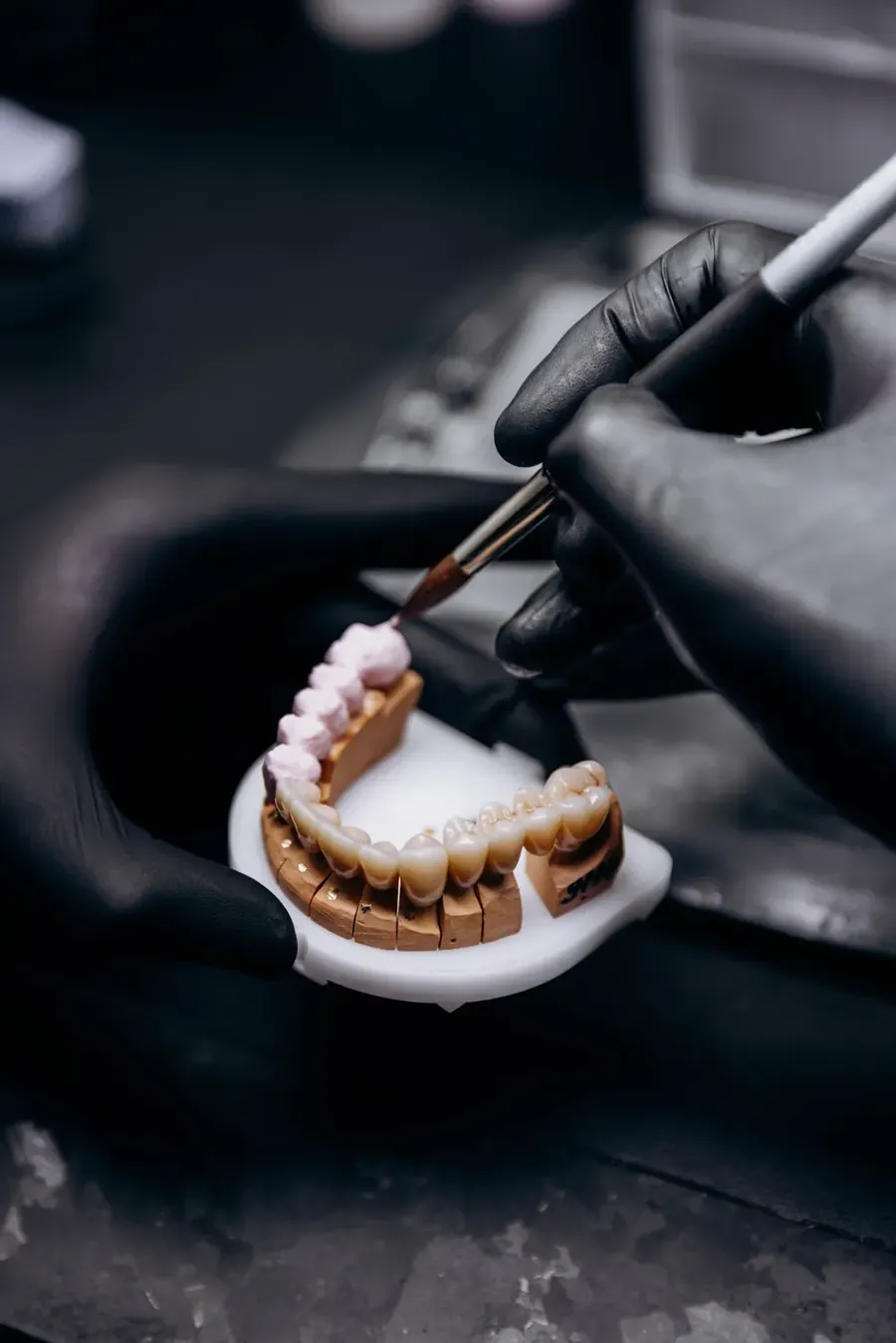
A FrankoLab dental technician is putting the finishing touches to a denture on implants in the clinic’s own laboratory
01

A high level of professionalism and experience

We specialise in complex surgical procedures. Open sinus lift surgery is a procedure carried out by dentists with extensive expertise in bone grafting and a comprehensive approach, which improves the prognosis for successful treatment.

02

State-of-the-art digital technologies and equipment

At FrankoLab Clinic, we use digital diagnostics (computed tomography and 3D planning) to accurately assess anatomy and safely plan sinus lifts. This digital approach helps to minimise risks and discomfort during the procedure.

03

Minimal discomfort during the procedure

The procedure is carried out under modern anaesthesia in accordance with safety standards. Patients are provided with comfortable conditions and their condition is monitored before each stage of treatment.

04

A personalised approach to treatment planning

Before the operation, we carry out a detailed assessment of the condition of the bone tissue and the characteristics of the sinuses. Our specialists will select the type of sinus lift that will give you the best result.

05

In-house dental laboratory and integrated service

Our dental practice is underpinned by a state-of-the-art digital laboratory, which enables us to monitor the entire treatment process and the subsequent fabrication of implants on-site. This reduces treatment times and enhances the precision of dental restoration.

06

Quality and long-lasting results

The open sinus lift technique ensures a reliable increase in bone volume, even in cases of significant bone deficiency. Our patients are provided with a solid foundation for stable implant placement.

Frequently asked questions about ‘open sinus lift’ surgery in dentistry

An open sinus lift is performed under local anaesthesia (or under sedation if preferred). The surgeon makes an incision in the gums, gains access to the lateral wall of the upper jaw and creates a small ‘window’ in the bone. Through this window, the mucous membrane lining the floor of the maxillary sinus (Schneider’s membrane) is carefully lifted, and the resulting space is filled with osteoplastic material. The window is closed with a membrane or a bone plate, and the incision is sutured. If the initial bone height permits, implants are placed at the same time. The operation takes 1–2 hours, depending on the extent and complexity of the procedure.
The two techniques differ in their capabilities and the clinical situations in which they can be applied. Open (lateral) sinus lift is recommended when bone height is less than 4–5 mm; it allows for bone augmentation of up to 10–15 mm. Access is gained via the lateral wall of the upper jaw; the procedure is invasive and requires a lengthy recovery period. Implant placement is usually postponed for 4–6 months (although simultaneous placement is sometimes possible if there is sufficient initial stability). A closed (vertical, transcrestal) sinus lift can be performed where bone height is 4–7 mm; it allows for an increase of only 2–4 mm in bone height. Access is provided through the socket for the future implant, which is usually placed at the same time as the sinus floor is raised. The closed technique is less traumatic, allowing the operated area to heal quickly.
If the initial bone height was 3–4 mm or more, implants can be placed at the same time as a sinus lift (single-stage procedure). If the bone height was less than 3 mm, implantation is postponed until new bone tissue has fully formed. This usually takes 4–6 months. A follow-up CT scan after this period will show whether sufficient bone has formed to ensure stable implant fixation. The single-stage protocol reduces treatment time, but is not always possible — the decision is made by the surgeon based on the diagnosis.
Provided that the protocol is followed and the correct technique is chosen for the patient, the risks are minimal. However, as this is a surgical procedure, there are risks involved. The most common complications include perforation of the maxillary sinus membrane, post-operative swelling and pain (an expected reaction that subsides within 3–7 days), bleeding or a haematoma, inflammation of the maxillary sinus (the risk is higher in cases of chronic rhinitis or a deviated nasal septum), infection of the bone graft material, and loss of the implant. Rare complications include numbness due to trauma to nerve branches, the formation of an oroantral fistula, and chronic pain or discomfort in the sinus area. For the most part, the surgeon’s experience helps to prevent complications, but this also depends to some extent on the patient (aftercare, giving up smoking, management of systemic conditions) and the condition of the mucous membrane.
Following an open sinus lift, healing takes 4–6 months (excessive strain on the surgical site should be avoided); after this period, a CT scan must be carried out to assess bone formation. Swelling and moderate pain may occur during the first 7–10 days. It is recommended to apply a cold compress to the cheek area for 10–15 minutes every hour, sleep with your head elevated, eat soft foods, and avoid hot, hard and spicy foods. For 2–3 weeks, you must not blow your nose, sneeze with your mouth closed, fly, drink through a straw, clean the surgical site with a toothbrush, smoke, etc. In addition, the doctor will prescribe painkillers, antibiotics, anti-inflammatory drugs and antihistamines (to reduce swelling of the mucous membrane). Follow-up appointments are mandatory (in particular, the stitches must be removed after 10–14 days).
There are several types of osteoplastic materials — autogenous bone (the patient’s own bone), xenografts of animal origin, allografts (donor bone from another person) and synthetic materials. Each has its own advantages. However, it is best to follow your dentist’s advice on this matter. Only they are in a position to objectively assess which material will be best for you. Our specialists always take into account the specifics of your clinical and financial situation. They often use a combination of materials (for example, autograft + xenograft) — this strikes a balance between the speed of healing and affordability.
The duration of the procedure depends on the extent of the treatment and the complexity of the case. On average, an open sinus lift on one side takes 1–1.5 hours. If simultaneous implant placement is carried out or a sinus lift is performed on both sides, the operation takes longer — up to 2–2.5 hours. Most of the time is spent carefully detaching the Schneiderian membrane — this is the most delicate stage.
Following open sinus lift surgery, you must not blow your nose, sneeze forcefully, drink through a straw, smoke, or travel by air (for at least 2 weeks after the operation), dive to depth, do physical labour or play sport, overheat (particularly in a bathhouse, sauna or under a hot shower), or bend over with your head down (as bending forward increases pressure in the sinus cavity, similar to during flights and diving). Furthermore, for 2–3 weeks, you must not eat solid food, sleep with your head not elevated, or put strain on the area where the dental surgery was performed.
Suture separation is a serious complication that can sometimes lead to infection or the loss of bone graft material. If you notice that your stitches have come apart (the wound surface is exposed, or you can feel a ‘hole’ in your gums), contact the dentist who performed the operation immediately. Do not wait for your scheduled check-up.
The surgeon
will assess the situation: you may need the stitches re-sutured or the area treated with antiseptics. Sometimes a slight separation of the stitches is not critical and healing continues through secondary tension, but only a doctor can determine this. Do not attempt to re-suture the area yourself, treat the area with alcohol or hydrogen peroxide, eat hard foods, or ignore the problem.
No, a sinus lift (raising the floor of the maxillary sinus) is technically only possible on the upper jaw, as that is where the maxillary sinuses are located. On the lower jaw, other bone grafting techniques are used for bone augmentation.

Book a consultation

Book a consultation and one of our managers will contact you shortly

+380 50 011 20 00

FrankoLab Clinic dental surgery

A healthy smile starts with the right decision

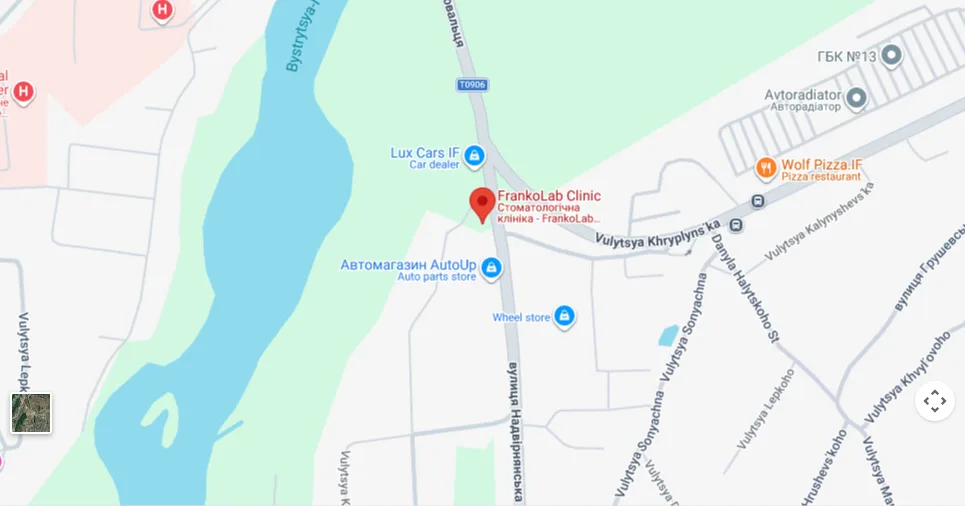
  • 77460, Ivano-Frankivsk, Cherniiv village, 2B Nadvirnianska Street
  • Mon–Sat 9.30 am–7.00 pm, Sun 10.00 am–7.00 pm
  • +380 50 011 20 00
Book a consultation
Map: 77460, Ivano-Frankivsk, village of Cherniiv, 2B Nadvirnianska Street