EN
Vestibuloplasty

Why choose FrankoLab:

  1. 01 Increasing the depth of the oral vestibule
  2. 02 Prevention of gum recession and periodontitis
  3. 03 Preparation for Implantation and Prosthetics

Vestibuloplasty in Ivano-Frankivsk

Vestibuloplasty is a surgical procedure aimed at increasing the depth of the oral vestibule (the space between the gums and the lips or cheeks). It is required in cases where insufficient vestibular depth causes the gums to be pulled taut when the lips move, leading to gum recession, exposure of the tooth roots, the development of periodontitis, or making it difficult to secure dentures.

Vestibuloplasty not only resolves these issues but also prepares the oral cavity for implant placement, prosthetic restoration or orthodontic treatment, creating optimal conditions for the long-term preservation of dental health and function.

The benefits of vestibuloplasty at FrankoLab Clinic

Minimally invasive techniques

Minimally invasive surgical techniques (including laser vestibuloplasty) are used during vestibule correction. This reduces tissue trauma, swelling and post-operative pain. Healing is faster and more comfortable for the patient.

The optimal choice of treatment technique

Our dentists choose either the closed or open technique for gum line correction, depending on the clinical situation and the patient’s individual circumstances. This approach enables us to achieve a stable functional and aesthetic result.

Experience in performing various types of vestibuloplasty

Our dental clinic employs tried-and-tested techniques: those of Edlan-Meicher, Clark, Glikman, Limberg and others. This enables us to find an effective solution, even in complex clinical cases.

Personalised treatment planning

The treatment plan for increasing the depth of the oral vestibule is drawn up taking into account the patient’s anatomy and any future prosthetic work or implant placement. This enhances the long-term stability of the result.

Comprehensive patient care

The FrankoLab Clinic team oversees every stage of treatment: from diagnosis to the completion of restoration. Patients receive ongoing professional supervision and advice on the restoration process, aftercare and so on.

Predicted healing

Following a vestibule correction procedure, the patient receives clear aftercare instructions. Adherence to the protocol reduces the risk of complications and promotes proper tissue healing following oral vestibule reconstruction. The use of microsurgical techniques minimises swelling and the risk of scarring.

Why is vestibuloplasty necessary?

Gum stabilisation

If the oral vestibule is too shallow (less than 5 mm), the mucosa is constantly stretched whilst talking and chewing. This leads to tissue damage and causes recession (exposure of the tooth roots). As a result, sensitivity increases, as does the risk of developing root caries.

Preventing tooth loss

Insufficient attachment of the gums increases the risk of inflammation and tooth mobility. Vestibuloplasty reduces this risk.

Preparing for dental implants

A sufficient volume of soft tissue is required for implant stability; a deficiency leads to the implant becoming exposed. Therefore, gum contouring reduces the risk of peri-implantitis — inflammation around the implant.

Improving the retention of dentures

A sufficient depth of the alveolar ridge is required for the secure retention of removable dentures. Once the design has been adjusted, they remain more stable.

Preparing for orthodontic treatment

Following oral mucosa grafting during tooth movement with braces or aligners, the risk of gum recession and soft tissue overload is reduced.

Improving treatment outcomes for gum inflammation

A shallow gingival sulcus complicates the treatment of gum inflammation, whilst correcting it improves access for oral hygiene and enhances the effectiveness of treatment.

Making home oral hygiene easier

When the gums are properly shaped, it is easier to clean teeth and implants. This reduces the risk of tooth decay and gum disease.

Reduces the risk of diastema

Low attachment causes tension in the gums and can lead to a diastema (a gap, usually 1–9 mm, between the front teeth, most commonly the upper central incisors). Vestibuloplasty addresses this issue.

Correction of speech impediments and discomfort whilst eating and speaking

Limited mobility of the lips or tongue can affect pronunciation, chewing and so on. Following a plastic surgery procedure on the oral vestibule, tension in the lips and cheeks is reduced, trauma to the mucous membrane is eliminated and articulation is improved.

How much does gum contouring cost?

The cost of vestibuloplasty depends on the extent of the procedure, the location of the problem (upper or lower jaw, front or side area), the chosen technique (open, closed, laser) and the need for additional procedures (for example, frenulum correction). The exact price will be quoted by the dentist following diagnosis and treatment planning.

The dentist will quote the final cost following an examination and diagnosis. Payment in instalments is available. Full price list for the clinic

Payment in instalments

Dental surgery can be a significant financial outlay. At FrankoLab Clinic, we have a flexible payment policy. We work with partner banks and offer convenient instalment plans with no extra charges or minimal interest. Our receptionist will provide further details on current promotions, discounts and terms and conditions when you book your appointment.

Stages of vestibuloplasty

01

01 Diagnosis and treatment planning

Our oral surgeon assesses the indications for vestibuloplasty — the depth of the oral vestibule, the condition of the gums, and the attachment points of the frenula and muscles. He determines the best vestibuloplasty technique depending on the location (upper or lower jaw), the extent of correction required and the specific features of the clinical situation.

02

02 Preparation of the surgical site and anaesthesia

The mucous membrane is treated with an antiseptic. The procedure is carried out under local anaesthesia, so the patient feels no pain during the procedure.

03

03 Incision and mobilisation of soft tissues

The surgeon makes an incision in the area to be treated and carefully detaches the mucosa and muscle fibres from the bone. This makes it possible to relieve pathological tension in the tissues.

04

04 Deepening of the vestibule

The soft tissues are displaced deepwards, forming a new sulcus of the required depth (usually 8–10 mm). For this, either an open technique (leaving the wound surface to heal by secondary intention) or a closed technique (with suturing) is used.

05

05 Tissue stabilisation and fixation

The mucosa is secured in its new position using sutures or protective materials. This prevents the tissues from shifting again during healing. The speed of healing depends on the technique used: closed — 7–14 days until the stitches are removed; open — up to 3–4 weeks until complete epithelialisation; laser — even faster than with the closed technique.

06

06 Rehabilitation and follow-up

Patients receive detailed advice on aftercare, restrictions (particularly regarding diet) and medication. Follow-up appointments are scheduled after 1–2 weeks and after 1–2 months to assess the stability of the results.

The consequences of gum recession and solutions

Are your gums receding? Are your dentures not staying in place? Are you planning to have implants fitted? Vestibuloplasty at FrankoLab Clinic in Ivano-Frankivsk will help to increase the depth of the oral vestibule, halt gum recession and prepare the tissues for prosthetics or implants.

Book a consultation for gum line correction — we will assess the condition of your gums, select the most suitable method and carry out the procedure in accordance with modern protocols.
Contraindications for vestibuloplasty

01

Acute inflammatory processes in the oral cavity

Acute inflammatory processes in the oral cavity. Stomatitis, gingivitis or periodontitis in the acute stage increase the risk of wound infection. The inflammatory process must first be completely resolved.

02

Poor oral hygiene

A large amount of plaque and tartar significantly increases the risk of post-operative complications and slows down healing.

03

Cancer in the active phase

Surgical procedures are contraindicated during chemotherapy or radiotherapy due to immunosuppression and impaired tissue regeneration.

04

Uncontrolled diabetes mellitus

Elevated glucose levels impair blood supply to tissues and significantly slow down the healing process.

05

Blood clotting disorders or the use of anticoagulants without appropriate management

There is a high risk of prolonged bleeding during the operation and in the post-operative period.

06

Systemic connective tissue disorders

Scleroderma or systemic lupus erythematosus can lead to impaired healing and the formation of coarse scars.

07

Mental health conditions that make it difficult to cooperate with a doctor

Failure to follow recommendations or to control one’s behaviour during treatment reduces the safety of the procedure.

08

Osteomyelitis of the jaw and other active infectious processes

Surgery may contribute to the spread of infection and a deterioration in the patient’s general condition.

09

Predisposition to keloid scarring

This is a relative contraindication, as there is a risk of excessive scarring and loss of the results achieved.

Why vestibuloplasty cannot be postponed

Our patients often ask: is it possible to avoid vestibuloplasty if the vestibule is not deep enough? Technically, this is possible, but it means that problems associated with gum retraction will remain. If:

  • If you are planning to have an implant fitted, insufficient alveolar socket depth is highly likely to result in the implant becoming exposed and subsequently lost;
  • If you wear a removable denture, it will not fit properly;
  • The gums are receding; this process will only worsen without correction of the gingival margin.

The outcome of vestibuloplasty depends not only on the surgeon’s skill, but also on the patient’s adherence to recommendations during the recovery phase. If restrictions are ignored (returning to solid foods too soon, poor oral hygiene, smoking), the tissues may revert to their previous position.

Our patients’ results

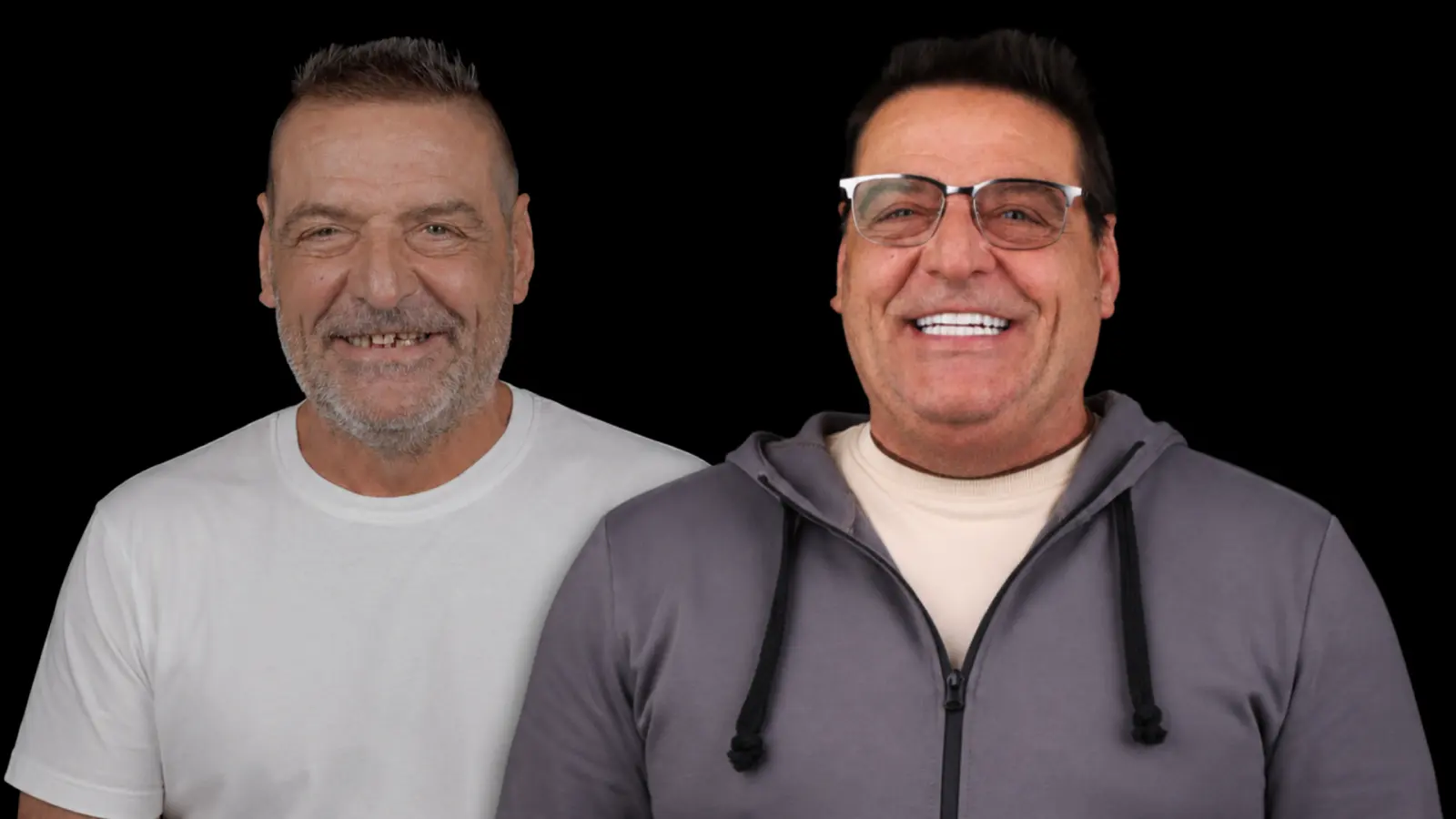
Case Study 4: Comprehensive dental restoration using crowns and veneers

Diagnosis:

Complete loss of dental function due to teeth that could not be saved. The patient required comprehensive rehabilitation of both jaws, restoring both chewing function and aesthetics.

Treatments:

All teeth that could not be saved were extracted. In the first stage, 4 implants were placed in the upper jaw and 6 in the lower jaw. During the next stage of treatment, a further 2 implants were placed in the upper jaw. As a result, the permanent prosthetic restoration will be anchored to six implants in the upper jaw and six implants in the lower jaw, providing a secure foundation for the future prosthesis.

Result:

The patient has successfully completed the surgical stages of treatment and is preparing for the final prosthetic restoration. The chosen rehabilitation approach ensures maximum stability of the restoration, even distribution of the chewing load, long-lasting results and a high level of comfort.

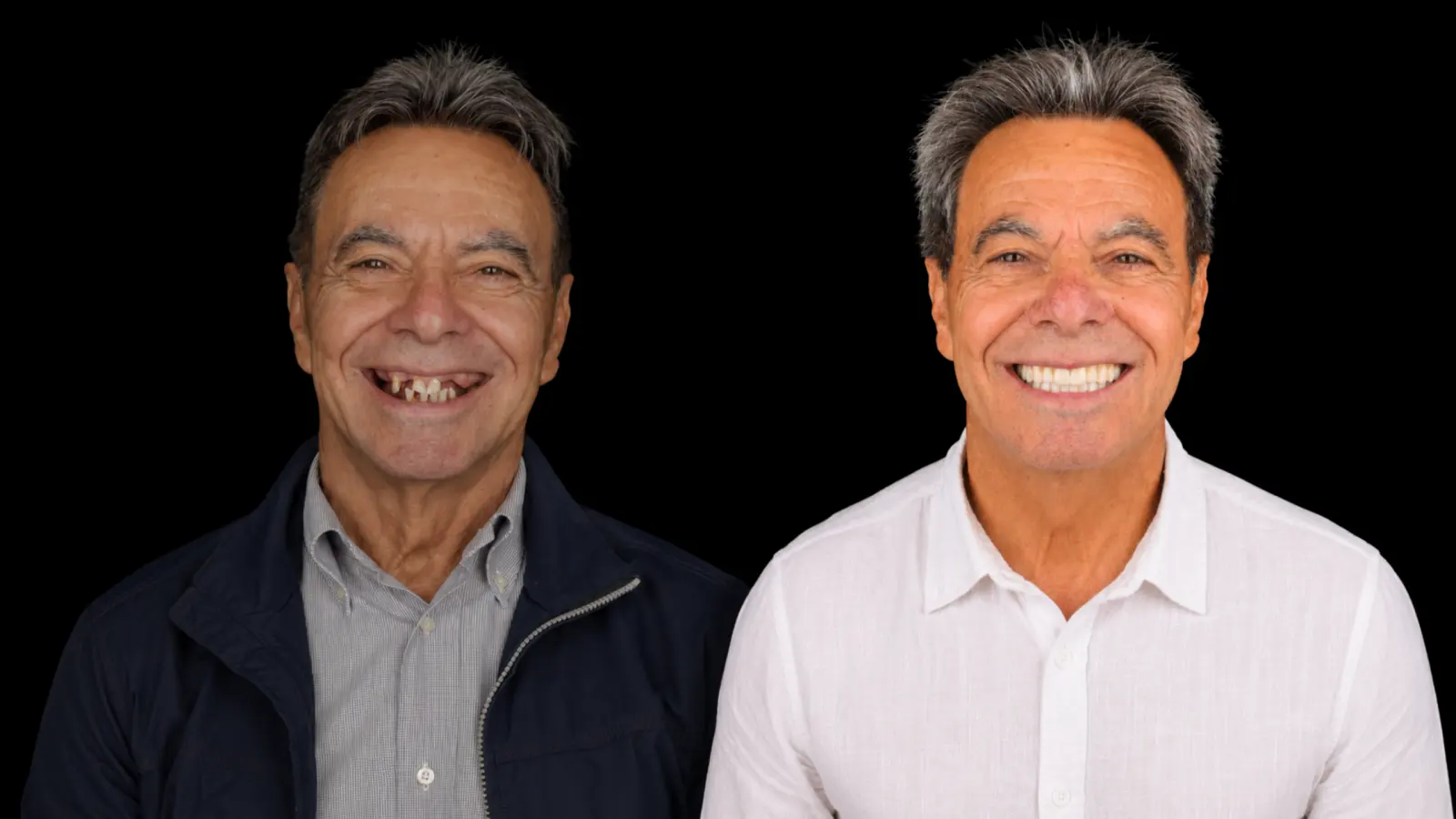
Case 2: Implantology. Prosthetics

Diagnosis:

The patient presented with complaints of discomfort whilst chewing, increased tooth sensitivity and dissatisfaction with the appearance of her smile.

Treatments:

The first stage involved professional hygiene, comprehensive oral rehabilitation, therapeutic and endodontic treatment, the extraction of teeth that could not be restored, and implant placement.

Immediately following the surgical stage, temporary prosthetic restorations were fitted.
Six months
later, a prototype of the future smile was fabricated in the clinic’s own dental laboratory, FrankoLab.

The final stage involved the fitting of 24 fully anatomical zirconia crowns onto the patient’s natural teeth and implants in the upper and lower jaws.

Result:

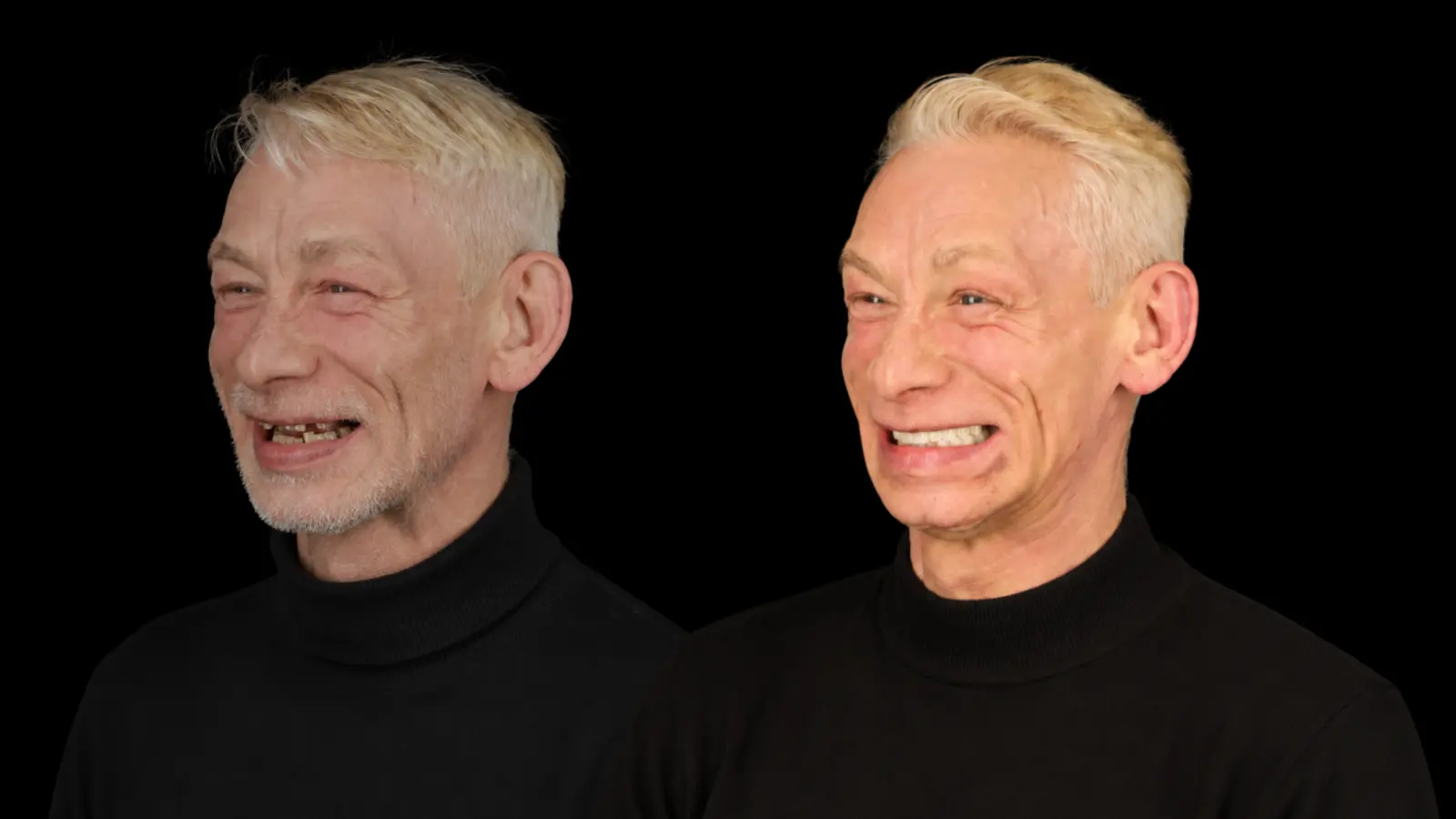
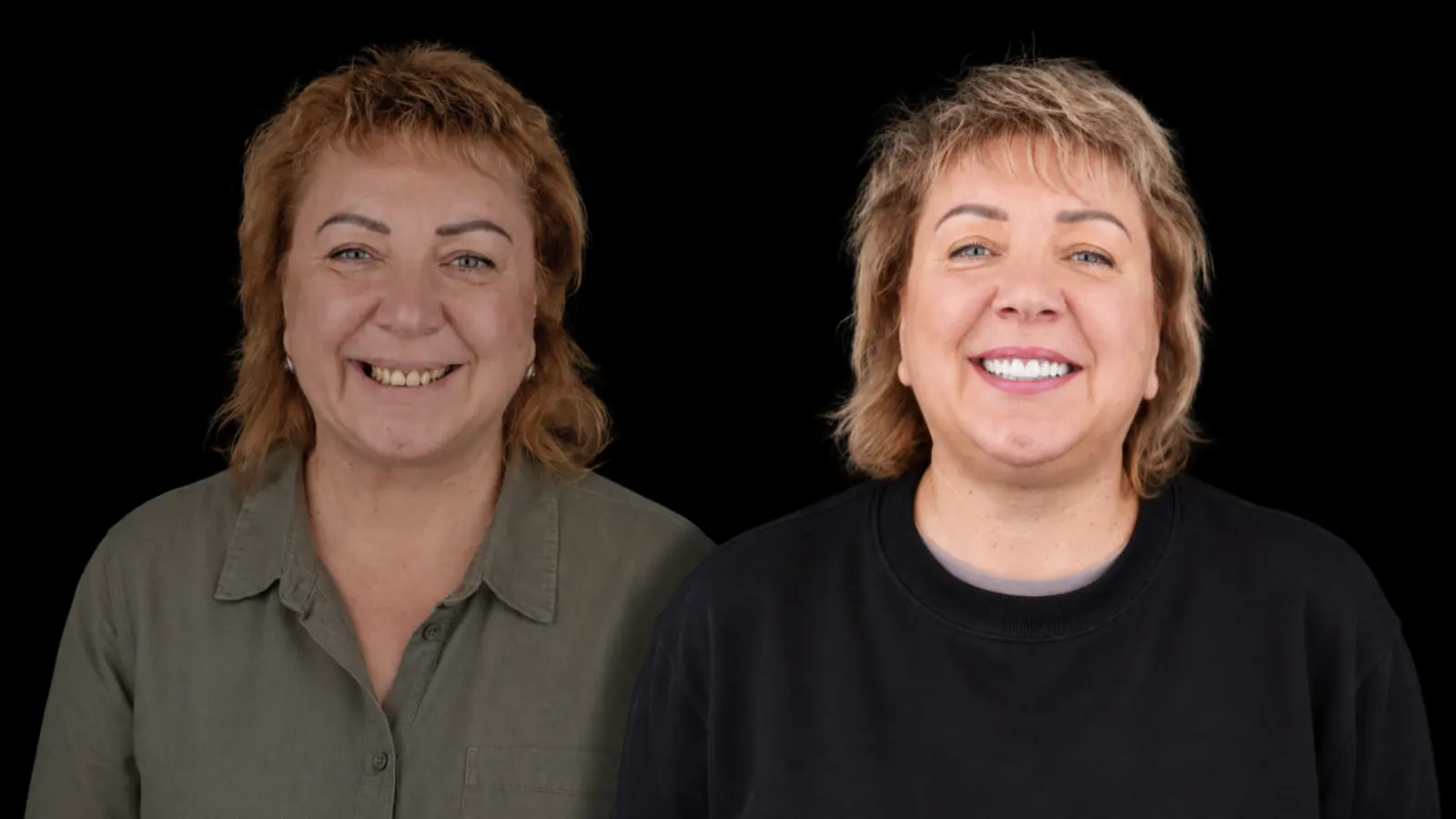
Full functional and aesthetic rehabilitation has been achieved. Tooth sensitivity has been eliminated, chewing efficiency has been fully restored, and a stable prosthetic structure and a natural, harmonious smile have been created.

Case 1: Partial tooth loss.

Diagnosis:

A patient from Italy presented with complaints of multiple missing teeth, generalised periodontitis, impaired chewing function and an unsatisfactory smile.

Treatments:

In the first stage, a full diagnosis and oral rehabilitation were carried out, followed by a sinus lift.

Straumann implants were fitted using the ‘All-on-6’ concept. The surgical procedure was carried out under medical sedation, ensuring a comfortable experience for the patient, who suffered from severe dental phobia.

The very next day, provisional restorations were fitted, allowing the patient to smile comfortably, speak and lead a normal lifestyle. These were subsequently replaced with reinforced temporary restorations.
Six months
after the completion of the osseointegration period, the permanent zirconia restorations were cemented in place.

Result:

Within a short period of time, the patient regained their ability to chew, a natural-looking smile and the chance to return to everyday life without discomfort.

Clinical Case 5

Diagnosis:

Partial edentulism, mobility of remaining teeth, severe bone atrophy and chronic periodontal inflammation. The patient complained of difficulty chewing food, discomfort whilst chewing and an unsatisfactory appearance of their smile.

Treatments:

Digital treatment planning was carried out, along with the fabrication of surgical guides, the extraction of teeth that could not be saved, the placement of six implants in each jaw, and the fixation of fixed temporary restorations reinforced with titanium bars. Following the completion of the osseointegration period, the second stage of treatment was carried out — the fabrication and fixation of permanent prosthetic restorations.

Result:

The patient has had their upper and lower dentition fully restored, regaining stable chewing function and a natural-looking smile. Discomfort whilst eating has disappeared, and their self-confidence and quality of life have been restored.

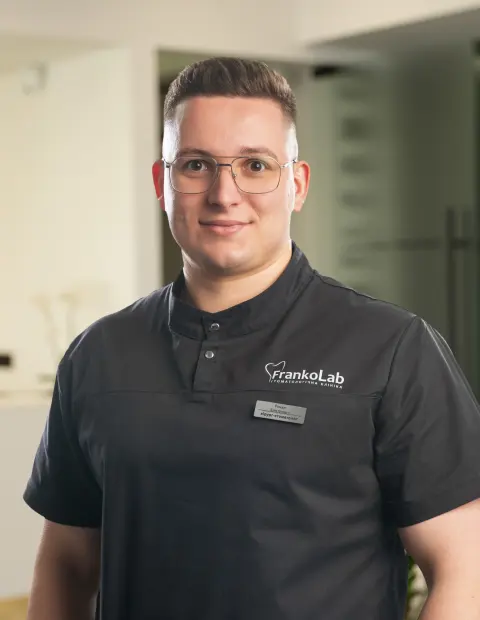
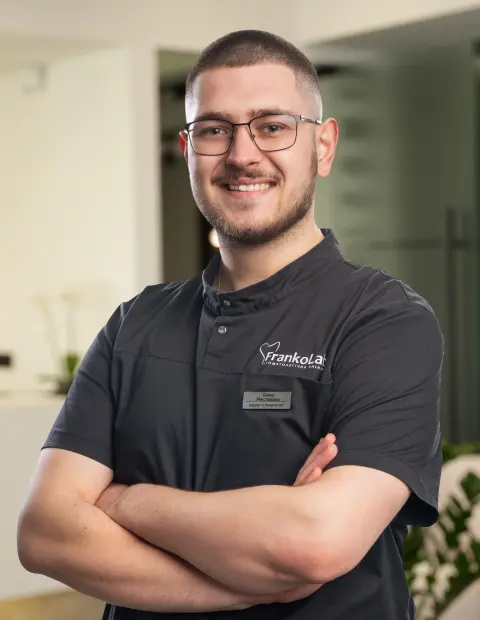
Doctors providing treatment

Patient reviews

4,9 Google rating All reviews on Google

Diana Kruk

08.07.2026

The clinic and service are of the highest standard – keep up the good work!

Ksenia Savenko

23.06.2026

I am very grateful to the whole FrankoLab team for the experience I’ve had with you. You are incredible! I wish you continued growth and prosperity, because the smiles you create are not only beautiful but also genuine, as seen on the faces of your grateful clients.

FrankoLab Dental Laboratory

Having problems with denture retention? Ensure a secure fit – book an appointment for vestibuloplasty in Ivano-Frankivsk.

In-house laboratory

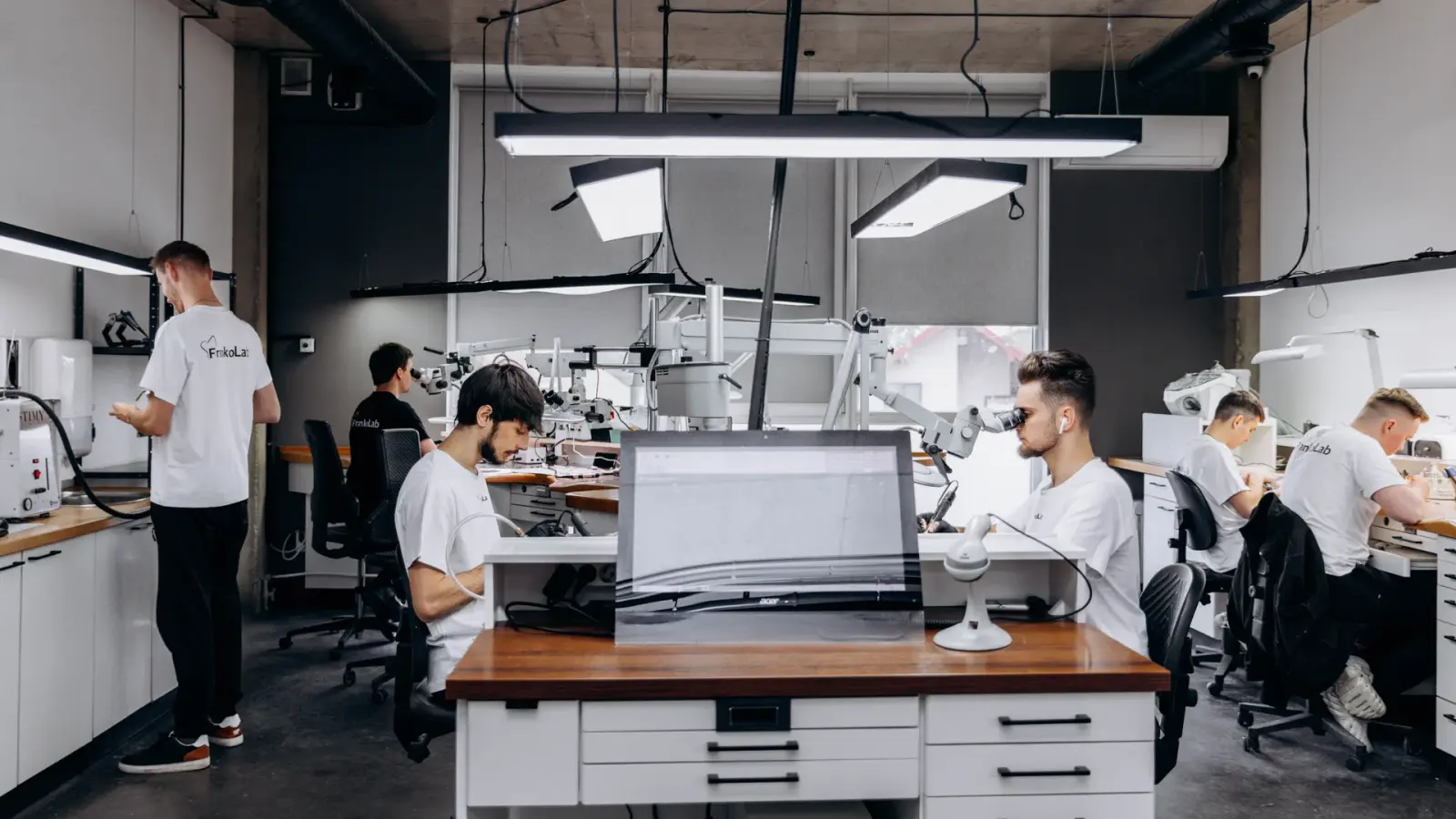
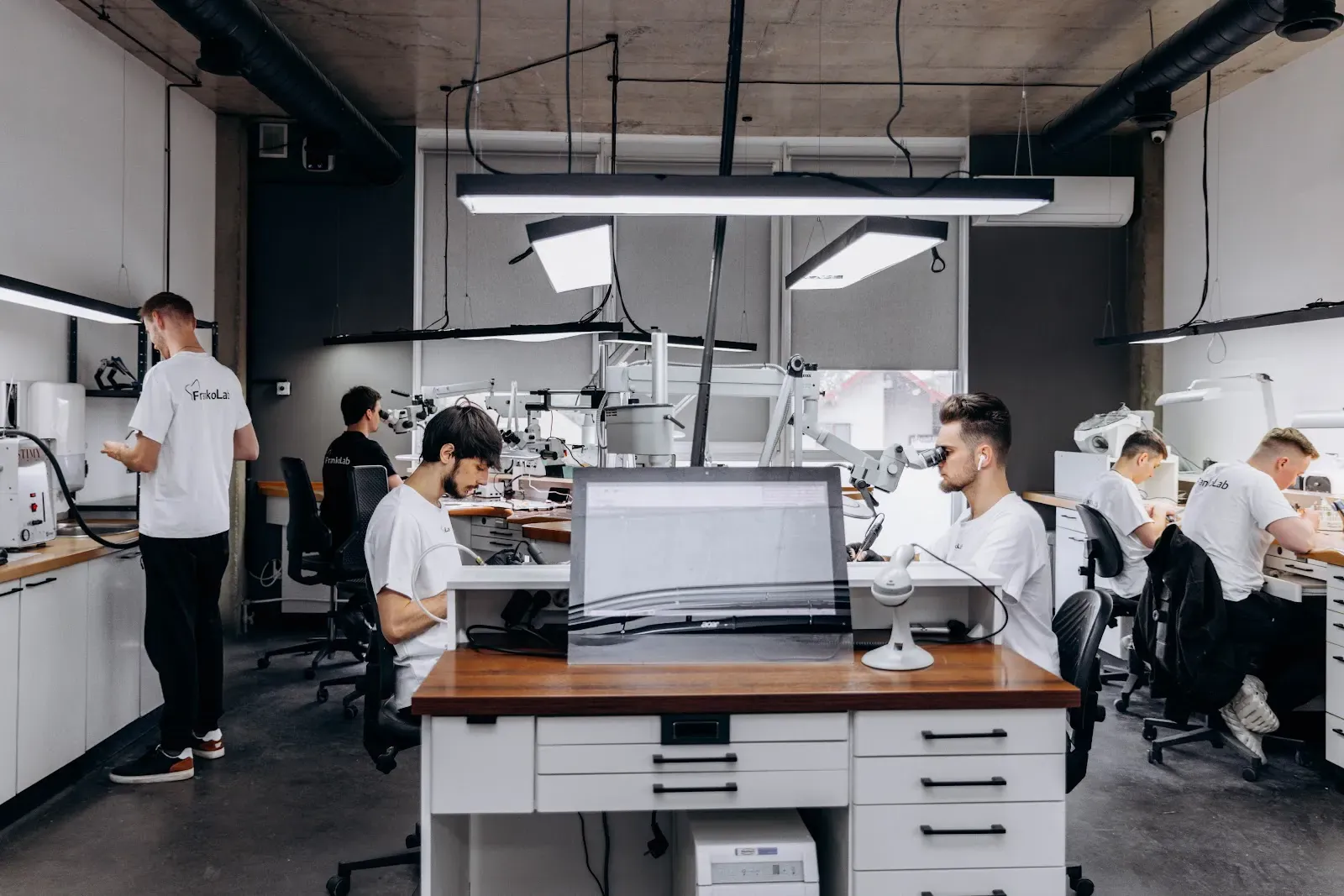
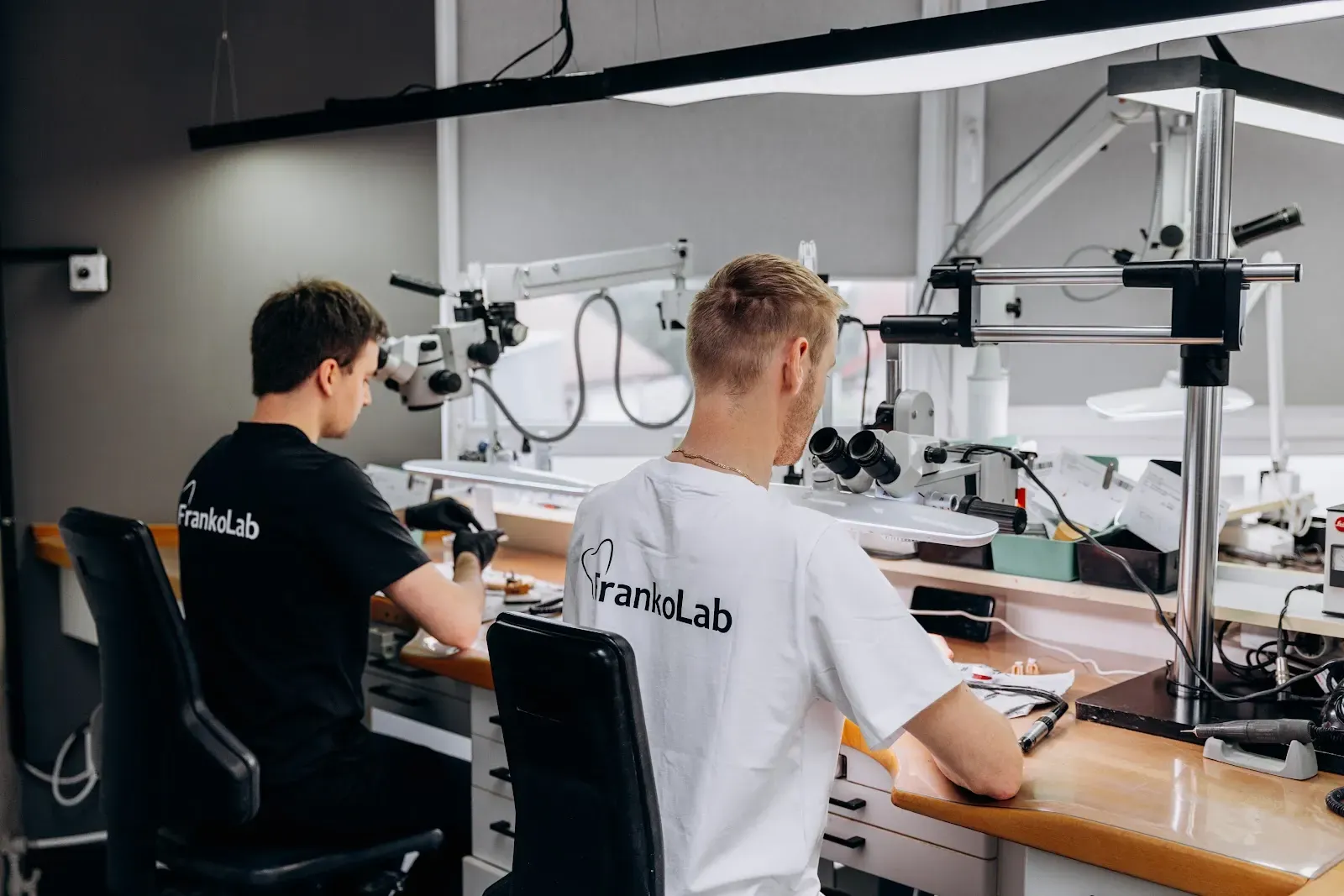
FrankoLab’s main advantage is its own in-house dental laboratory.

As all our production facilities are located on-site, we can fully control the manufacturing process for restorations of any complexity, develop solutions quickly and guarantee long-term results.

In our digital dental laboratory, metal-free prosthetic restorations are manufactured using leading CAD/CAM technologies and the highest-quality European materials.

FrankoLab Dental Laboratory

Why people choose FrankoLab Clinic for oral mucosa reconstruction

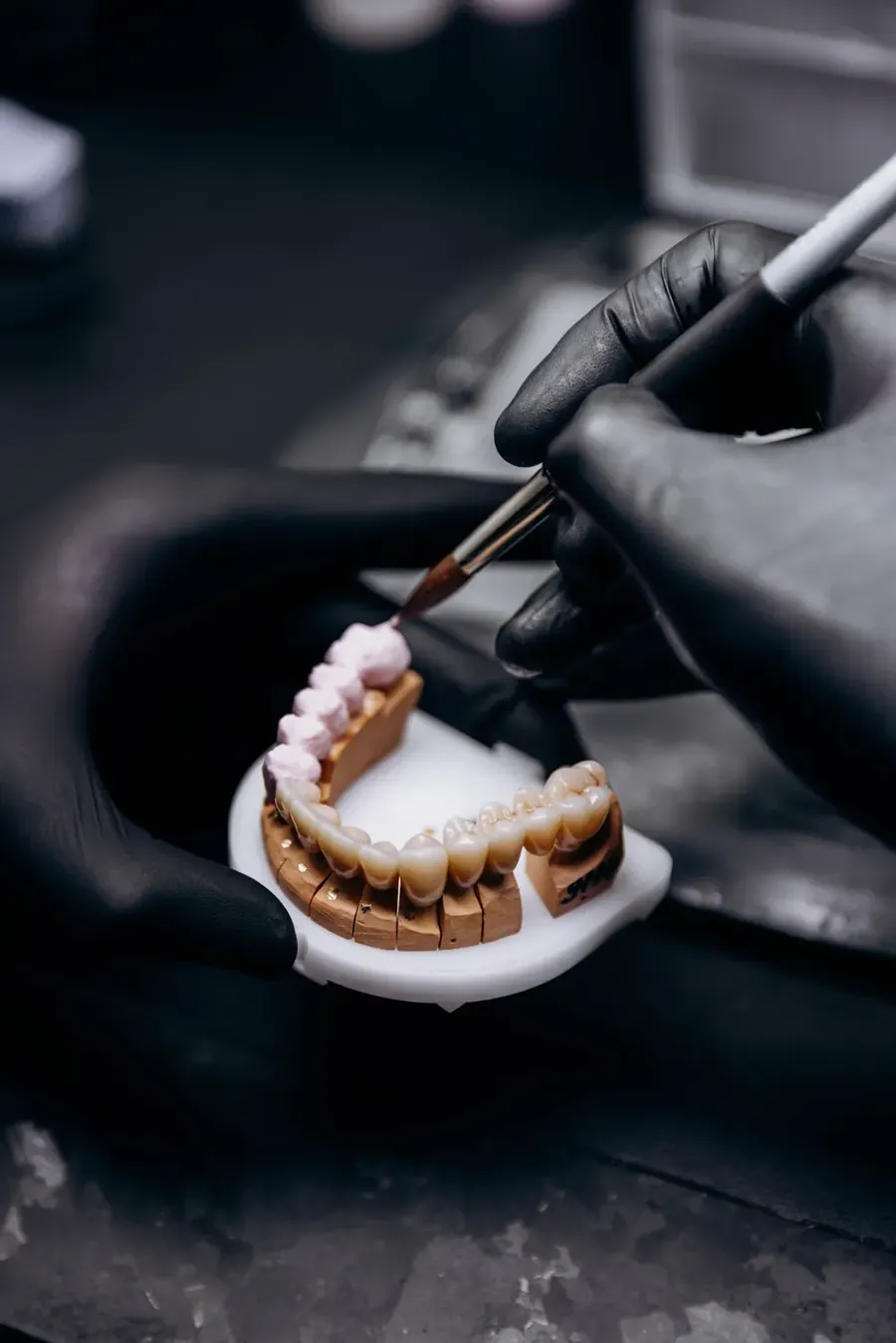
A FrankoLab dental technician is putting the finishing touches to a denture on implants in the clinic’s own laboratory
01

01 Experienced dental surgeons

The procedure is carried out by a dentist specialising in soft-tissue plastic surgery. This is important, as the work involves delicate tissues where precision determines the outcome.

02

02 Clear medical indications for treatment

Alveolar ridge augmentation is performed only where clinically indicated. These indications include gum recession, insufficient sulcus depth, or preparation for implant placement and other procedures. This approach is in line with international periodontal guidelines.

03

03 Photos and digital documentation of the results

The condition of the tissues is recorded before and after the procedure. This allows for an objective assessment of changes and monitoring of the healing process.

04

04 Can be combined with other procedures

Alveolar ridge augmentation can be performed in conjunction with implant placement or gum surgery. This approach reduces the overall treatment time and the number of surgical procedures.

05

05 State-of-the-art equipment and microsurgical instruments

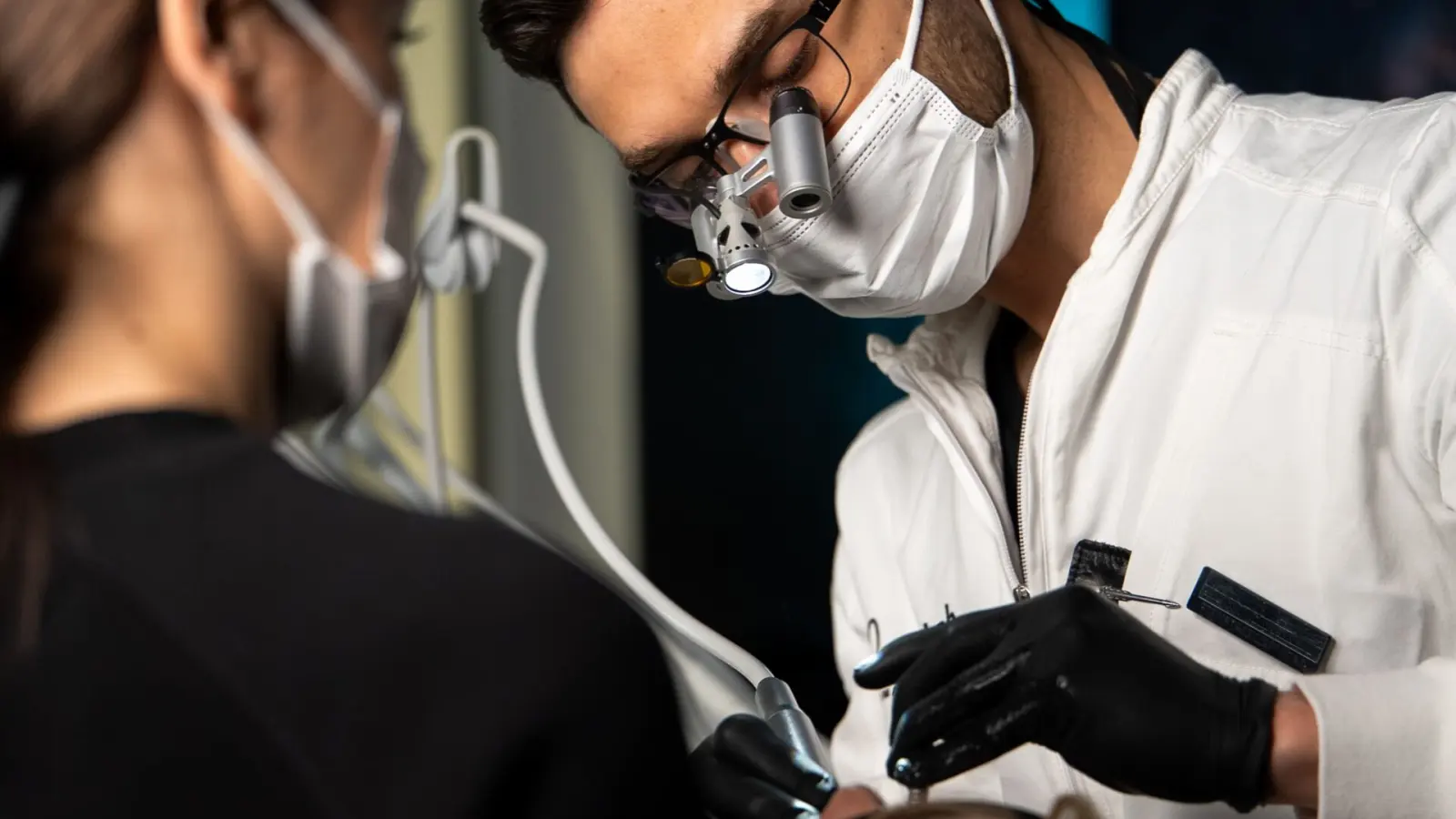
We use optical magnification, microsurgical techniques and precision instruments. This minimises tissue trauma, reduces swelling and the risk of scarring, and promotes faster healing.

06

06 Explanation of each stage of treatment

Our patients understand exactly what will be done and why. Clear communication reduces anxiety and builds trust.

07

07 Price transparency

The treatment plan and final price are agreed upon before the procedure begins. The patient understands the scope of the treatment and its stages. We also offer the option to pay for services in instalments. This helps ease the strain on your budget.

Frequently asked questions about ‘vestibuloplasty’ in dentistry

The procedure itself is carried out under local anaesthesia (or, at the patient’s request, under sedation or general anaesthesia), so you will not feel any pain during the procedure. Once the anaesthetic has worn off, you may experience mild discomfort or a dull ache in the area of the operation, particularly with the open technique. The dentist will prescribe painkillers, which effectively alleviate any discomfort. The most intense discomfort usually lasts for 2–4 days, after which it gradually subsides. In most cases, by the 7th–10th day, patients no longer require painkillers.
The duration of the procedure depends on the extent of the treatment (one jaw or both, the anterior region or the entire arch) and the chosen technique. On average, vestibuloplasty on a single area takes 30–60 minutes. If the procedure is extensive or combined with frenectomy, it can take up to 1.5 hours. Laser vestibuloplasty is usually quicker than the traditional method.
The duration of recovery following vestibuloplasty depends on the technique used: according to closed It takes 2–3 weeks for healing to take place, and 1–2 months for the result to stabilise; for a wound surface open to epithelialisation, it takes 3–4 weeks, and for the complete formation of the gingival margin, up to 2 months; with laser treatment, initial recovery takes approximately 10–14 days, whilst complete tissue regeneration takes up to 1 month. To ensure the process goes according to plan:
  • For the first 3–5 days, you should eat only soft or liquid foods and avoid hot, hard or spicy foods;
  • For the first few weeks, do not brush the area where the operation took place (you may only rinse with antiseptics);
  • Throughout the entire healing period, do not touch the area where the dental procedure was carried out with your tongue or fingers, smoke, engage in strenuous physical activity, overheat (particularly in a bathhouse or sauna), stop taking prescribed medication (painkillers, antibiotics, anti-inflammatories) without consulting your dentist, or miss follow-up appointments with your dentist.
Provided that the protocol and recommendations are followed, complications are rare. However, they are possible. For example, the following factors may arise:
  • Soft tissue swelling is a normal reaction and subsides within 5–7 days; pain and discomfort — particularly in the first few days — can be managed with painkillers;
  • Bleeding — rare, more common in patients with coagulation disorders or due to trauma to the area where the dental procedure was performed;
  • wound infection — due to failure to follow aftercare instructions;
  • gap between sutures — if the patient started chewing hard food too early;
  • partial return of tissues to their original position — due to failure to comply with rehabilitation restrictions or the formation of coarse scar tissue;
  • formation of keloid scars (predisposition to this type of healing);
  • Sensory disturbance — a temporary sensation of numbness in the area of the procedure, which usually subsides within a few weeks.
Most complications can be avoided if the patient follows all the recommendations provided, as we have no doubts about the qualifications of our dental surgeons.
Vestibuloplasty is a procedure to increase the depth of the oral vestibule (the space between the gums and the lips/cheeks) by repositioning the soft tissues. The aim is to relieve gum tension, prepare the tissues for dentures or implants, and halt recession.

Alveoloplasty is the correction of the shape of the alveolar ridge (bone crest) following tooth extraction. The aim is to smooth out the bone surface so that a removable denture fits snugly, or to create a level base for implantation.

These are different procedures, although they can be carried out at the same time. For example, prior to prosthetic restoration, the alveolar ridge is first reshaped (alveoloplasty), and then the vestibule is deepened (vestibuloplasty).
Yes, vestibuloplasty is performed on children, but usually after the jaws have finished growing — approximately at the age of 13–14. The main indications in children are:
  • A low attachment of the lip or tongue frenulum, causing a diastema (gap between the front teeth), gum recession or speech impediments.
  • Preparation for orthodontic treatment (if there is a possibility that insufficient pocket depth may cause gum recession whilst the teeth are being moved).
  • Congenital anomalies of the soft tissue structure that have already led to gum recession or functional impairments.
Vestibuloplasty is rarely performed on younger children — only where there are serious medical indications, as the tissues are still growing and the result is unstable.

Book a consultation

Book a consultation and one of our managers will contact you shortly

+380 50 011 20 00

FrankoLab Clinic dental surgery

A healthy smile starts with the right decision

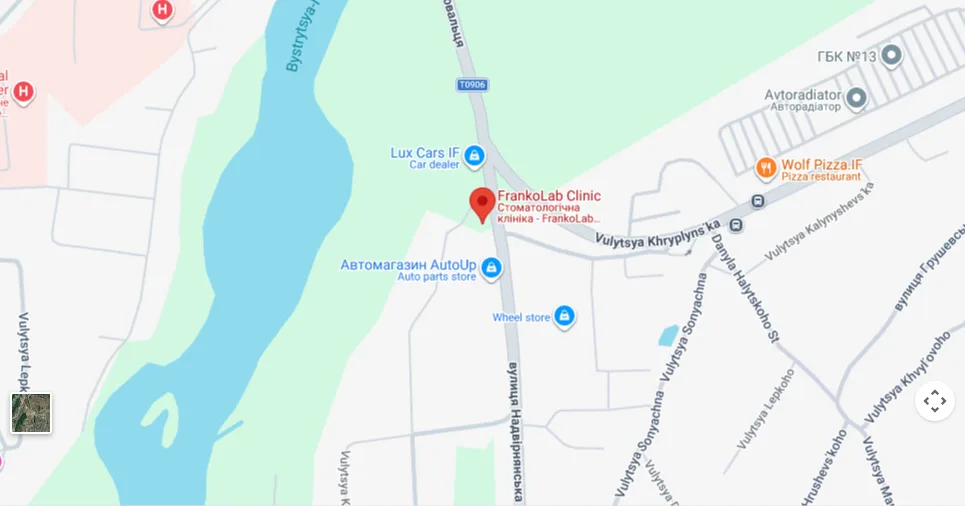
  • 77460, Ivano-Frankivsk, Cherniiv village, 2B Nadvirnianska Street
  • Mon–Sat 9.30 am–7.00 pm, Sun 10.00 am–7.00 pm
  • +380 50 011 20 00
Book a consultation
Map: 77460, Ivano-Frankivsk, village of Cherniiv, 2B Nadvirnianska Street