


EN
JD dental implant

Why choose FrankoLab:

  1. 01 Certified production in accordance with EU standards
  2. 02 Full digital protocol: CT scan, digital scan, 3D planning and fabrication of a surgical guide.
  3. 03 In-house dental laboratory: turnkey prosthetics

Fitting a JD dental implant in Ivano-Frankivsk

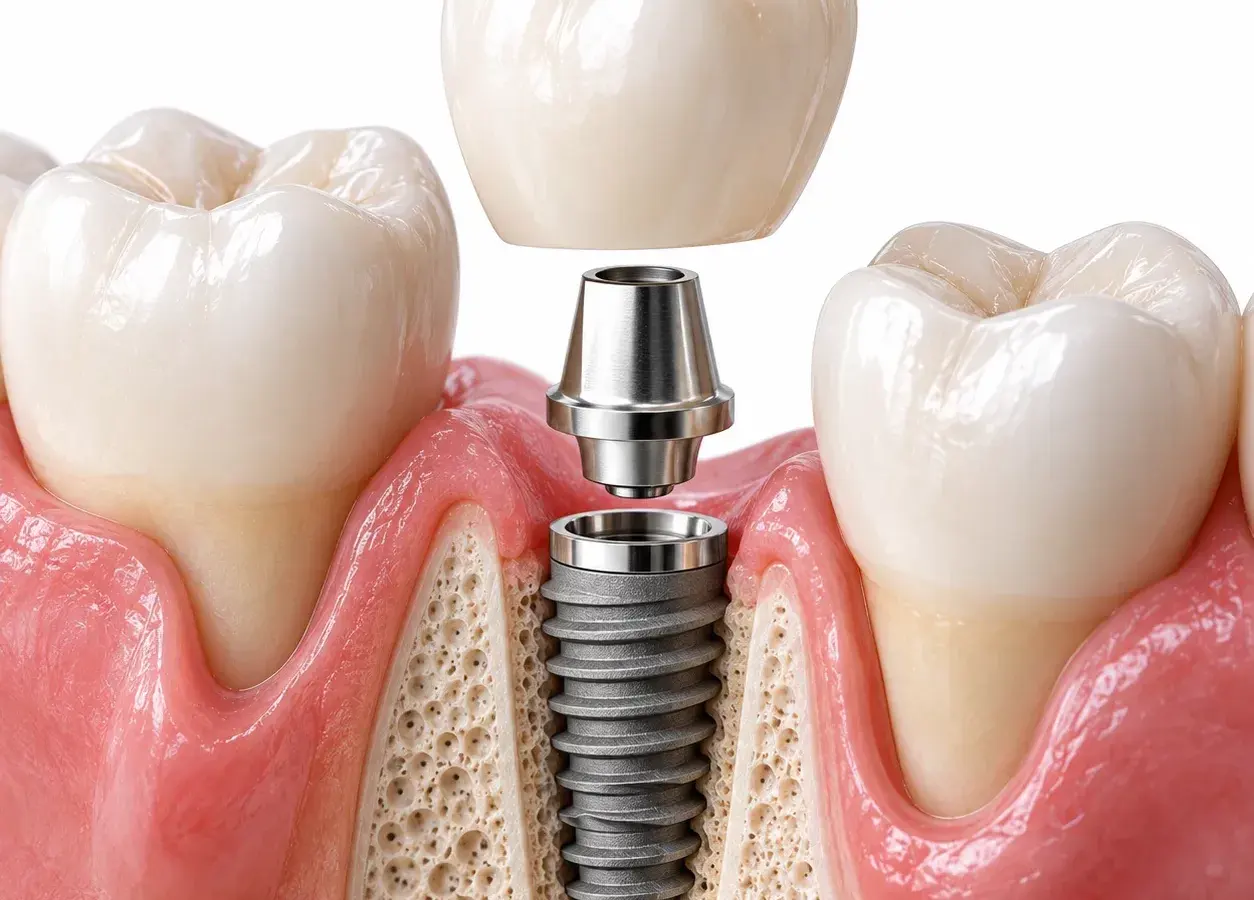
Tooth loss is not just an aesthetic problem. Without a tooth, the jawbone gradually loses volume, neighbouring teeth shift, and the bite load is redistributed. Dental implantation makes it possible to fully restore a tooth: complete with an artificial root that integrates into the bone and functions just like a natural one.

One of the options used by our implantologists at FrankoLab Clinic is the Italian JD dental implants: titanium alloy systems designed for a wide range of clinical situations with proven success rates. JD implants combine technical specifications with the flexibility of the product range.

Features and benefits of JDental dental implants

Materials and biocompatibility

JD implants are made from a medical-grade titanium alloy with proven biocompatibility. The material does not cause allergic reactions and is safe for long-term implantation in bone, as it adapts perfectly to the body and integrates seamlessly.
Excellent stability and initial fixation

The double progressive thread and the specific geometric shape of each series of Italian JD implants ensure an even distribution of the masticatory load and implant stability right from the early stages of osseointegration. Furthermore, the surface of JD implants is treated using a technology that promotes rapid osseointegration, thereby reducing the time required for final prosthetic restoration.

A wide range of systems and certification to EU standards

JDentalCare offers several ranges: Icon, Evolution Plus and Evolution S — for standard cases; Pterygo, Nasal and Zygoma — for complex anatomical situations, particularly where there is a significant lack of bone tissue. Depending on the clinical situation, some JD systems allow for early or even immediate loading — meaning a temporary crown can be fitted on the day of the operation. All JD Dental Implants systems come with the necessary documentation confirming their quality and safety.

How much does it cost to have JD dental implants fitted?

The cost of having a JD dental implant fitted in Ivano-Frankivsk depends on several factors, including the clinical situation (bone condition, the need for bone grafting or sinus lifting), the chosen JD Dental implant range (Icon, Evolution Plus, Evolution S or the specialised Pterygo / Nasal / Zygoma series), the type of anaesthesia, the type of temporary restoration, and the number of implants (single-tooth restoration or a complex restoration — for example, All-on-4/6). We draw up a precise quote following a consultation and a CT scan. It covers all stages — from the operation to the fabrication of the permanent crown — with no hidden extra charges.

The dentist will quote the final cost following an examination and diagnosis. Payment in instalments is available. Full price list for the clinic

Payment in instalments

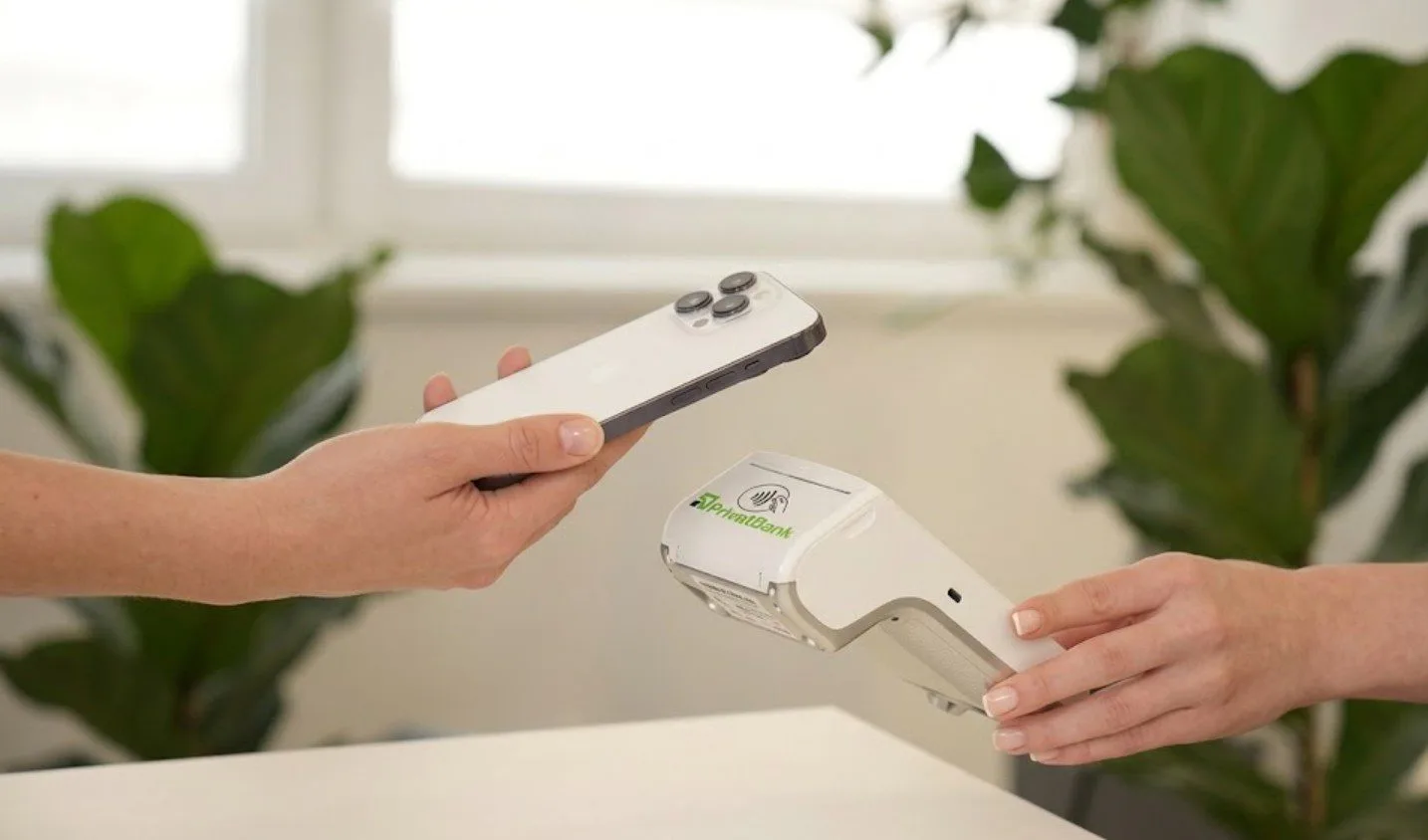
You can have JDental dental implants fitted at FrankoLab Clinic with payment in instalments — with no extra charges and no need for guarantors. Our clinic works with partner banks that offer instalment plans on favourable terms. Please check with our administrator for details of the schemes and available payment terms.

Stages of JDental implant placement

01

Consultation with an implantologist and diagnosis

Before fitting a JD dental implant, the dentist assesses the condition of the gums, teeth and jawbone. If necessary, we carry out a CT scan — we have a J. Morita 3D Accuitomo 170 (Japan) scanner, which provides three-dimensional images with an accuracy of 0.08 mm. This forms the basis for precise planning.

02

Digital treatment plan

Based on the results of the CT scan, we draw up a personalised treatment plan with 3D visualisation. AI helps to process the images quickly and provide a preliminary assessment of bone volume, but the final decision always rests with the dentist. The entire process takes approximately 40 minutes.

03

Choosing the JD Dental implant system

We select the type and size of the JDental dental implant to suit the specific anatomical situation: bone level, ridge width, nerve position and adjacent teeth. If there is insufficient bone tissue, we discuss bone grafting.

04

The surgical stage

JD dental implants are fitted under local anaesthesia. For patients with high anxiety, treatment whilst asleep is available — under the supervision of an anaesthetist using Dräger Perseus A500 equipment. The procedure is minimally invasive: in most cases, no incisions are required to fit a JD dental implant.

05

Osteointegration

Bone gradually grows around the surface of the JD Dental implant. During this time, the patient wears a temporary restoration or maintains the familiar appearance of their smile thanks to a provisional restoration.

06

Prosthetics and follow-up care

Once osseointegration of the JD dental implant has been confirmed, our dental technician fabricates the permanent crown — without outsourcing the work to third parties. We are equipped with state-of-the-art XTCERA milling machines and Sirona Primescan intraoral scanners — all this equipment ensures the precise fitting of future crowns onto the implants. The specialists at FrankoLab Clinic monitor the condition of the implant according to a strict schedule. This enables us to detect any deviations in good time and safeguard the result.

Our patients’ results

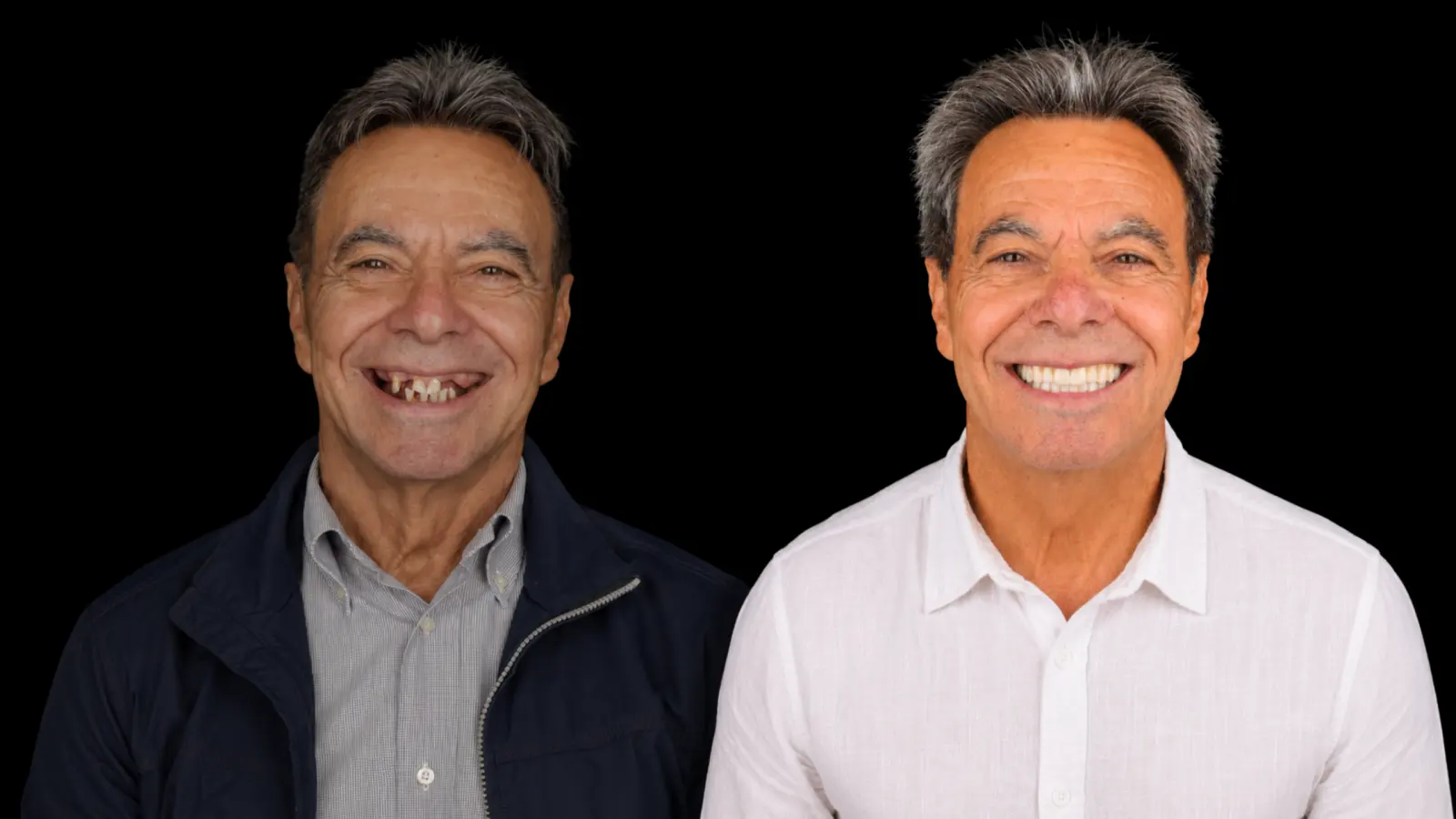
Case Study 4: Comprehensive dental restoration using crowns and veneers

Diagnosis:

Complete loss of dental function due to teeth that could not be saved. The patient required comprehensive rehabilitation of both jaws, restoring both chewing function and aesthetics.

Treatments:

All teeth that could not be saved were extracted. In the first stage, 4 implants were placed in the upper jaw and 6 in the lower jaw. During the next stage of treatment, a further 2 implants were placed in the upper jaw. As a result, the permanent prosthetic restoration will be anchored to six implants in the upper jaw and six implants in the lower jaw, providing a secure foundation for the future prosthesis.

Result:

The patient has successfully completed the surgical stages of treatment and is preparing for the final prosthetic restoration. The chosen rehabilitation approach ensures maximum stability of the restoration, even distribution of the chewing load, long-lasting results and a high level of comfort.

Case 2: Implantology. Prosthetics

Diagnosis:

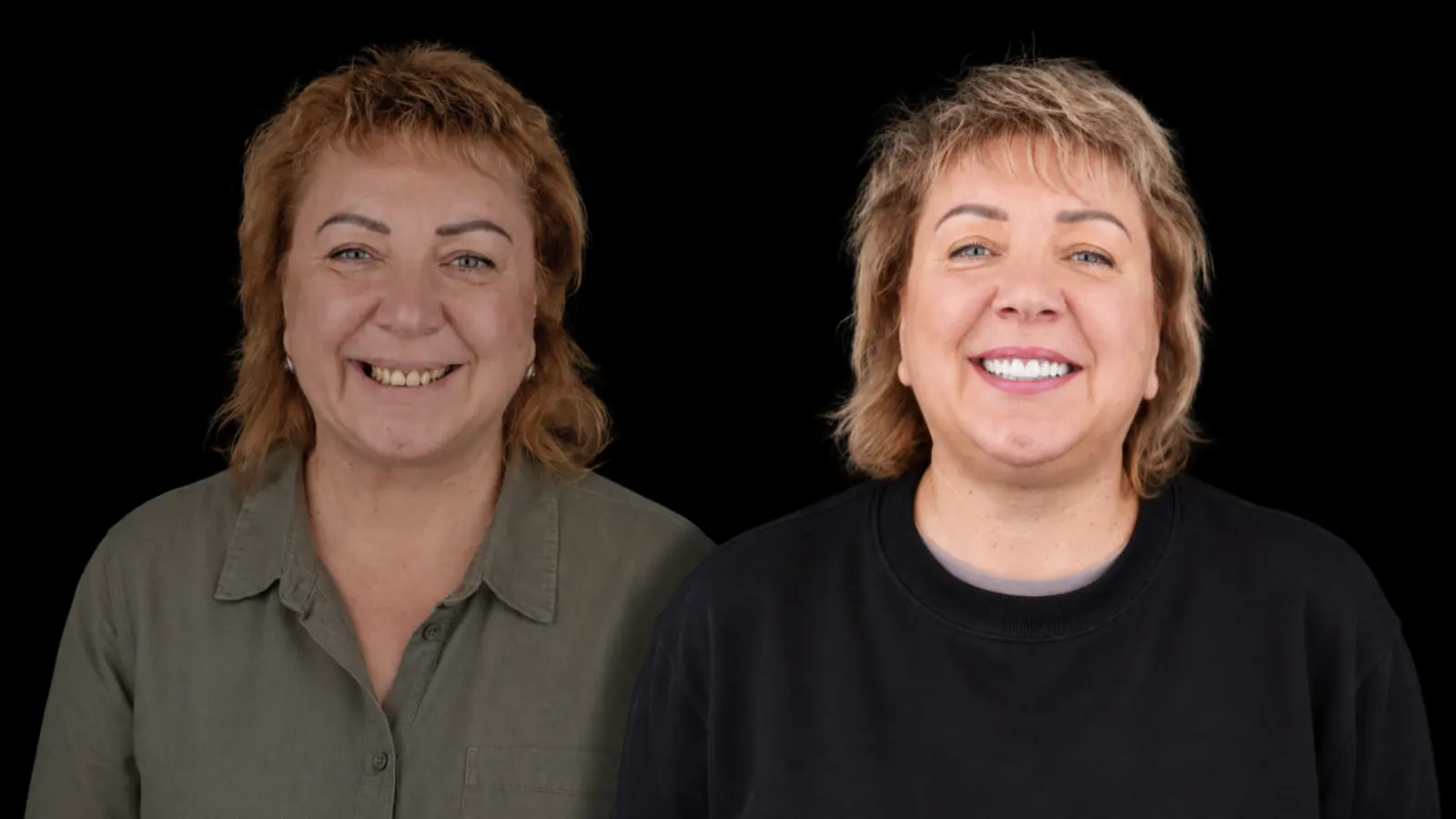
The patient presented with complaints of discomfort whilst chewing, increased tooth sensitivity and dissatisfaction with the appearance of her smile.

Treatments:

The first stage involved professional hygiene, comprehensive oral rehabilitation, therapeutic and endodontic treatment, the extraction of teeth that could not be restored, and implant placement.

Immediately following the surgical stage, temporary prosthetic restorations were fitted.
Six months
later, a prototype of the future smile was fabricated in the clinic’s own dental laboratory, FrankoLab.

The final stage involved the fitting of 24 fully anatomical zirconia crowns onto the patient’s natural teeth and implants in the upper and lower jaws.

Result:

Full functional and aesthetic rehabilitation has been achieved. Tooth sensitivity has been eliminated, chewing efficiency has been fully restored, and a stable prosthetic structure and a natural, harmonious smile have been created.

Case 1: Partial tooth loss.

Diagnosis:

A patient from Italy presented with complaints of multiple missing teeth, generalised periodontitis, impaired chewing function and an unsatisfactory smile.

Treatments:

In the first stage, a full diagnosis and oral rehabilitation were carried out, followed by a sinus lift.

Straumann implants were fitted using the ‘All-on-6’ concept. The surgical procedure was carried out under medical sedation, ensuring a comfortable experience for the patient, who suffered from severe dental phobia.

The very next day, provisional restorations were fitted, allowing the patient to smile comfortably, speak and lead a normal lifestyle. These were subsequently replaced with reinforced temporary restorations.
Six months
after the completion of the osseointegration period, the permanent zirconia restorations were cemented in place.

Result:

Within a short period of time, the patient regained their ability to chew, a natural-looking smile and the chance to return to everyday life without discomfort.

Clinical Case 5

Diagnosis:

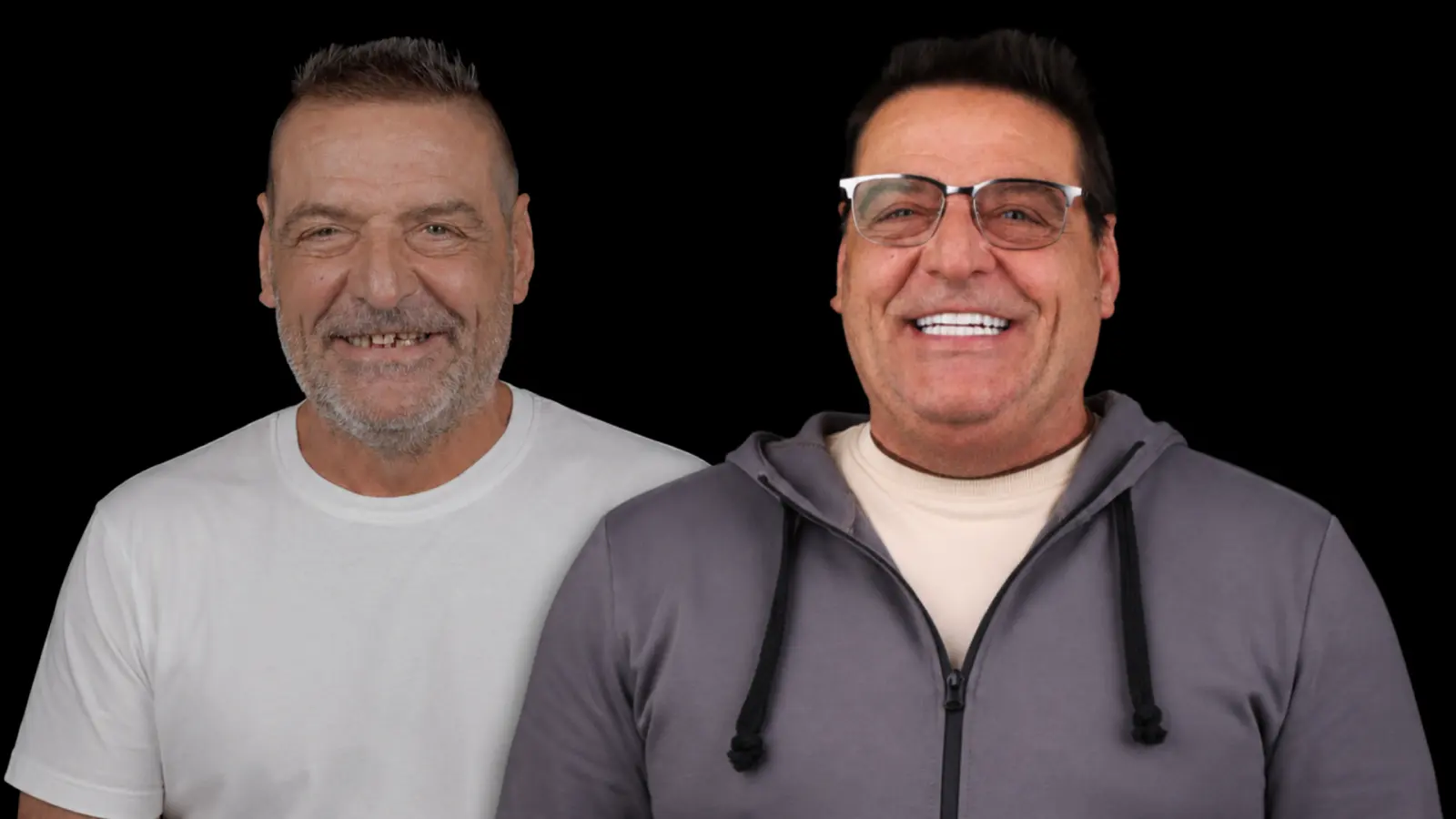
Partial edentulism, mobility of remaining teeth, severe bone atrophy and chronic periodontal inflammation. The patient complained of difficulty chewing food, discomfort whilst chewing and an unsatisfactory appearance of their smile.

Treatments:

Digital treatment planning was carried out, along with the fabrication of surgical guides, the extraction of teeth that could not be saved, the placement of six implants in each jaw, and the fixation of fixed temporary restorations reinforced with titanium bars. Following the completion of the osseointegration period, the second stage of treatment was carried out — the fabrication and fixation of permanent prosthetic restorations.

Result:

The patient has had their upper and lower dentition fully restored, regaining stable chewing function and a natural-looking smile. Discomfort whilst eating has disappeared, and their self-confidence and quality of life have been restored.

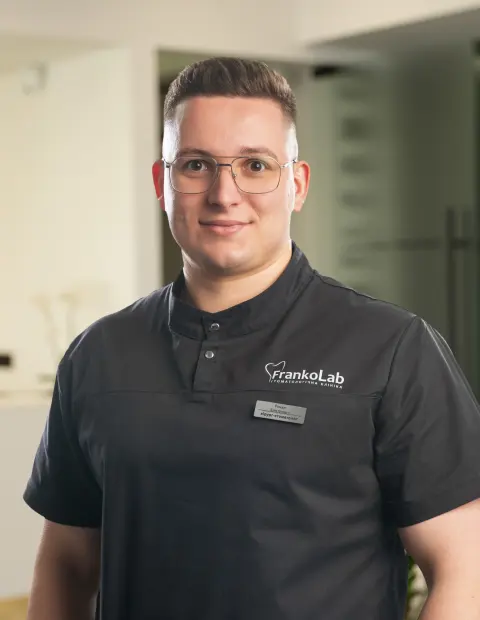
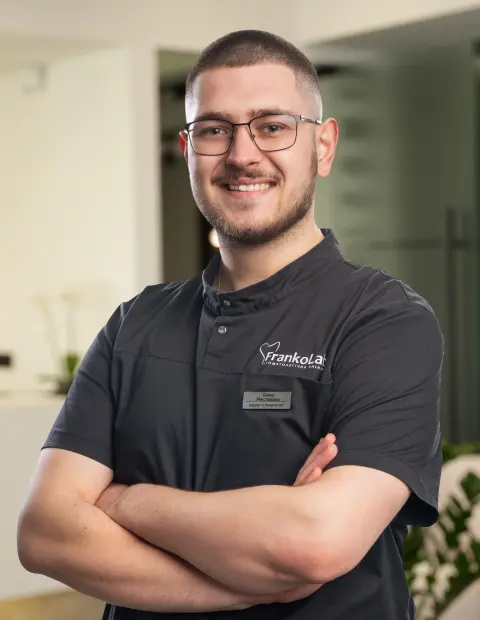
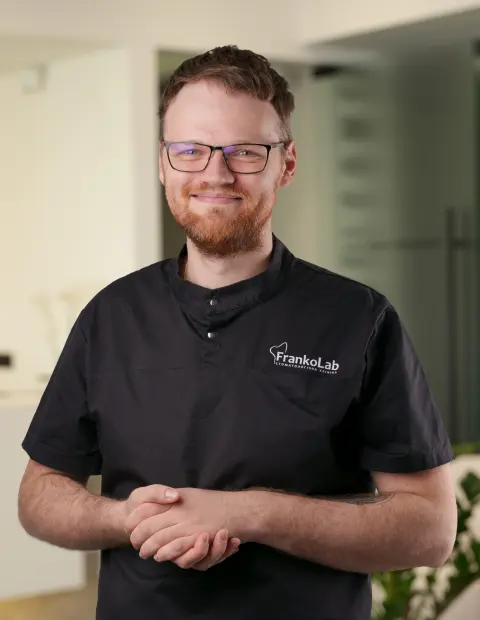
Doctors providing treatment

Patient reviews

4,9 Google rating All reviews on Google

Diana Kruk

08.07.2026

The clinic and service are of the highest standard – keep up the good work!

Ksenia Savenko

23.06.2026

I am very grateful to the whole FrankoLab team for the experience I’ve had with you. You are incredible! I wish you continued growth and prosperity, because the smiles you create are not only beautiful but also genuine, as seen on the faces of your grateful clients.

FrankoLab Dental Laboratory

Would you like to find out if dental implants are right for you? Book a consultation at FrankoLab Clinic — our implantologist will assess the condition of your bone and explain the available options for tooth restoration

Why people choose FrankoLab Clinic for JDental dental implants

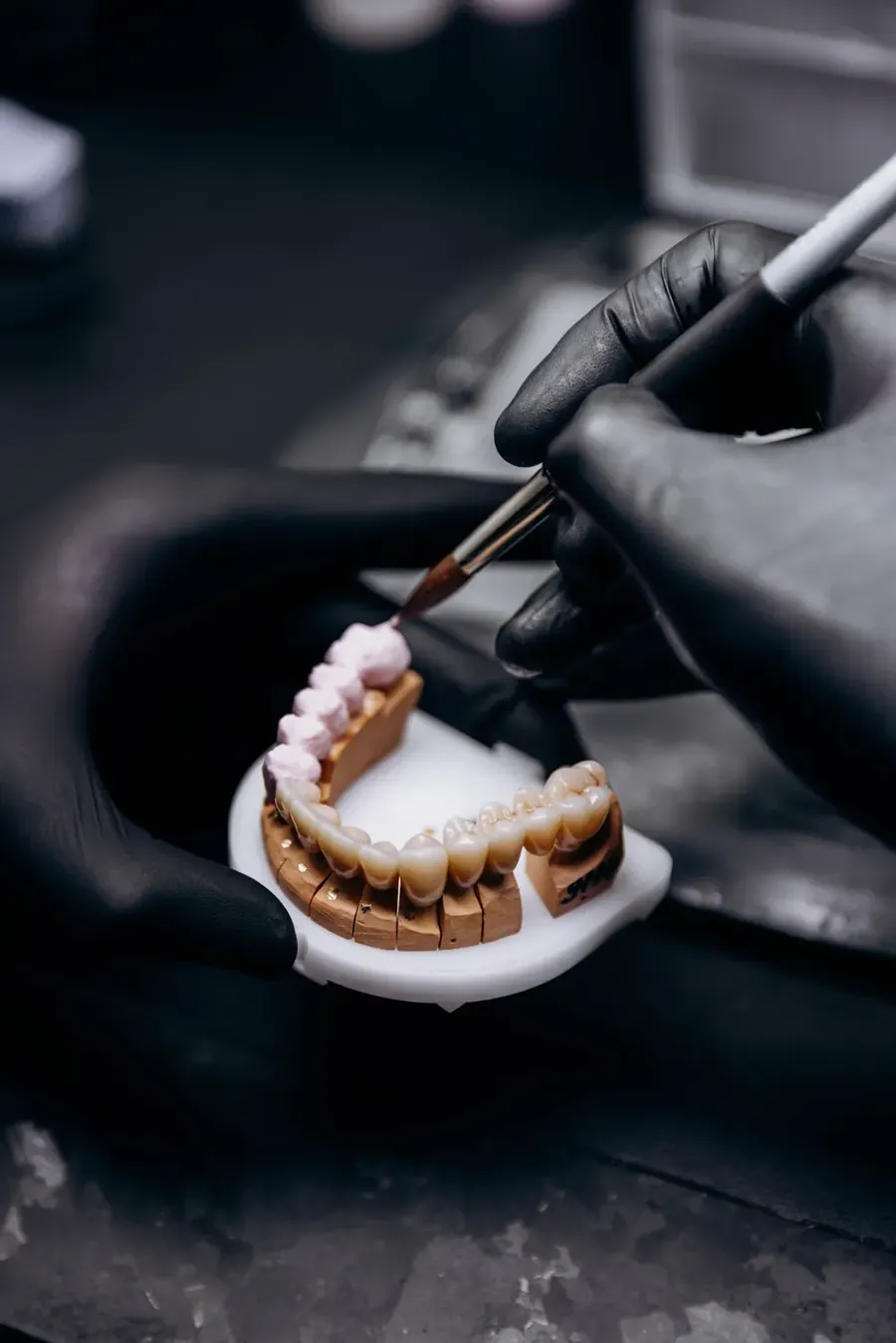
A FrankoLab dental technician is putting the finishing touches to a denture on implants in the clinic’s own laboratory
01

Original, certified JDental systems

Our dental clinic works exclusively with officially certified JD implants, as confirmed by a full set of documents and an individual serial number. There are no counterfeits — you can check for yourself.

02

In-house full-service digital dental laboratory

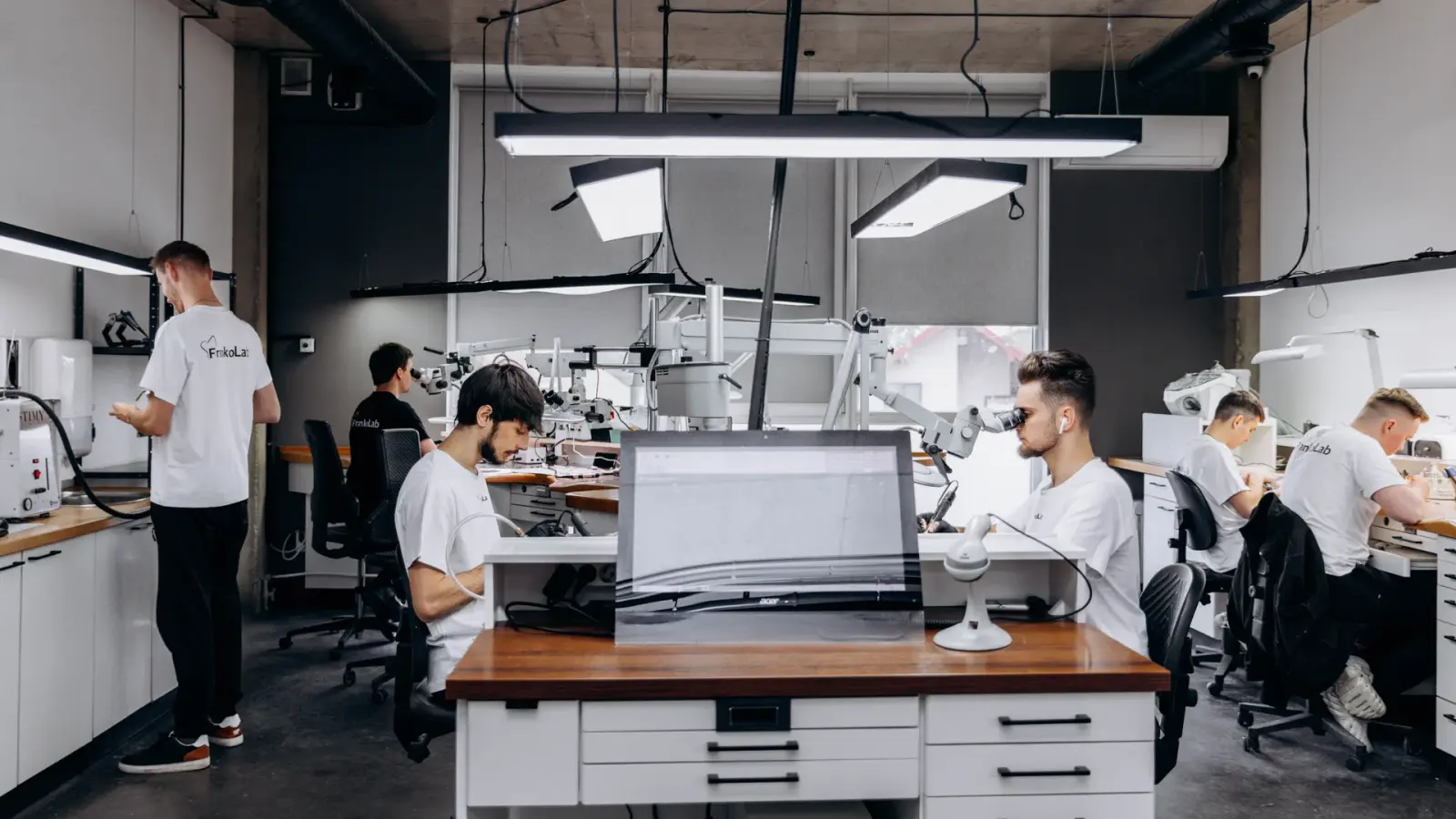
From the scan to the finished crown — we manufacture everything in-house. Dentsply Sirona milling machines, XTCERA X-Mill 600, XTCERA X-Mill 500, XTCERA X-Mill 300 and the Asiga MAX UV 3D printer (Australia) ensure a precise fit without any compromises.

03

100% digital diagnostic and treatment planning protocol

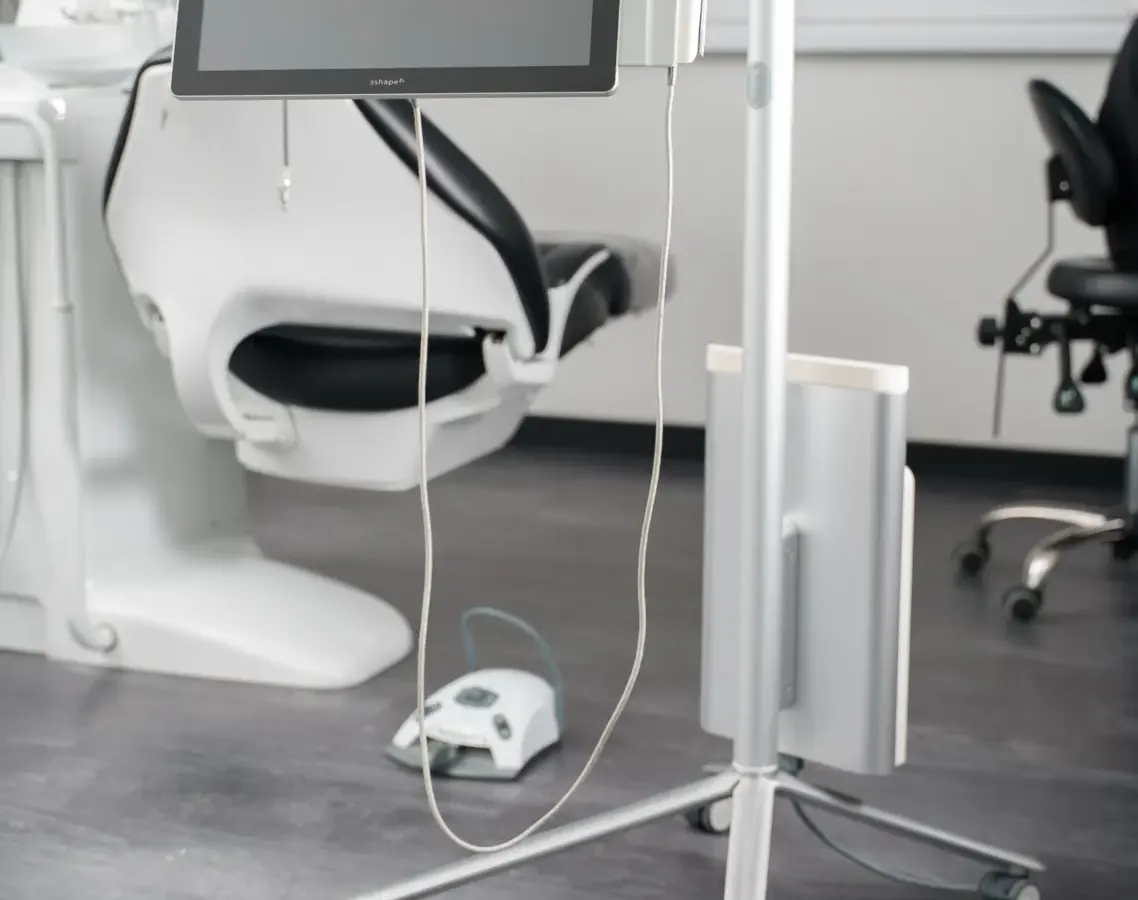
J. Morita 3D Accuitomo 170 CT scanner (Japan), 3Shape TRIOS 3 and Dentsply Sirona Primescan intraoral scanners, Palm photogrammetry system for the All-on-4/6 protocol — accurate data on your jaw, a predictable treatment plan.

04

Complex cases are our speciality

All-on-4/6, sinus lifts, navigated surgery, bone grafting, sleep apnoea treatment and more — we do not turn away patients with complex cases.

05

Dental tourism and convenient logistics

For patients from other cities — a free transfer from the centre of Ivano-Frankivsk, the option of online consultations and package deals including accommodation. Our dental clinic is located in the village of Cherniiv, practically on the outskirts of the city. Over 500 successful implant procedures every year. 99.8% success rate / 5-stage Class B sterilisation (Melag autoclave, Germany).

Frequently asked questions about JDental dental implants

The procedure is usually carried out under local anaesthetic, so there is no pain during the operation. The patient may occasionally feel pressure or vibration — this is normal. Once the anaesthetic has worn off, there may be some mild discomfort in the area where the procedure took place, which usually subsides within a few days. If you experience significant anxiety before the procedure, FrankoLab Clinic offers treatment under sedation with an anaesthetist.
The placement of a single JD dental implant usually takes between 30 and 60 minutes. The duration depends on the complexity of the case: the need for bone grafting, anatomical features and the type of access required. Your implantologist will advise you in advance.
Osseointegration — the process by which the implant fuses with the bone — takes between 6 and 12 weeks in the lower jaw and between 3 and 6 months in the upper jaw. The surface treatment of JDental implants helps to speed up this process. The exact duration depends on the condition of the bone, the patient’s general health and adherence to recommendations.
Provided that hygiene rules are followed and regular check-ups are carried out, JD implants can last for decades. Clinical observations confirm that a high-quality, well-integrated intraosseous implant with preserved bone volume has the potential to function for the patient’s entire lifetime. Service life is directly linked to care and general health.
This depends on the clinical situation and the initial stability of the implant. Some systems in the JDental range allow for early or immediate loading — a temporary restoration is fitted on the day of the operation. The decision is made by the implantologist after assessing bone density and the results of a CT scan. Our specialists explain all the options during the planning stage.
Rejection of a JD dental implant is a rare occurrence. According to our statistics, the success rate is 99.8 per cent. The main risk factors are uncontrolled diabetes, active smoking, bone diseases and poor oral hygiene. During the consultation, the implantologist assesses these factors and, if necessary, refers the patient to specialist doctors for preparatory treatment.
In the first few days after surgery, physical activity should be limited; only soft foods should be eaten; and a cold compress should be applied if there is any swelling. Throughout the osseointegration process, it is important to brush your teeth thoroughly and not to miss any follow-up appointments. Thereafter, caring for a JD dental implant is no different from caring for natural teeth: a toothbrush, dental floss, a water flosser and regular professional dental hygiene appointments every 3–12 months.
Yes, in most cases it is possible. Periodontitis is a degenerative process involving bone loss, but it is not an absolute contraindication. The key factors are sufficient bone volume (or the possibility of bone grafting), gums free from active inflammation, and good oral hygiene. In cases of severe atrophy, bone grafting or the All-on-4/6 protocols are used. JD implants offer high initial stability, though success depends on preparation and follow-up care. The decision on whether implantation is possible is made by the dentist following a CT scan.
Absolute contraindications for the placement of JD dental implants include uncontrolled systemic diseases (diabetes mellitus, cancer undergoing active treatment, blood clotting disorders), pregnancy, and being under 18 years of age (incomplete jaw development). Relative contraindications include smoking, periodontitis, bruxism and insufficient bone volume — these can be corrected or resolved during the preparatory stage. The final list of contraindications is determined by the dentist on a case-by-case basis.
If a considerable amount of time has passed since a tooth was lost, or if there is a congenital lack of bone tissue, there is sometimes insufficient bone volume to ensure the implant remains stable. In such cases, bone grafting (guided bone regeneration) or a sinus lift is performed for the upper jaw. An alternative is JDental’s specialised systems: Pterygo, Nasal and Zygoma — designed to work with minimal bone volume. The need for bone grafting is assessed and determined by the dentist based on the results of a CT scan.
It is not possible to choose the system yourself. This is a clinical decision. The implantologist assesses the CT scan, measures the volume and density of the bone, and analyses the condition of the adjacent teeth and gums. They then select the length and diameter of the JD implant to suit your specific anatomical situation. We always explain the reasoning behind the choice to each patient during the consultation.
The manufacturer — J DentalCare — provides a warranty on the implants themselves in accordance with the brand’s terms and conditions, which is usually a lifetime warranty. FrankoLab Clinic additionally guarantees the quality of the surgical procedure and prosthetic work. Please check the details and terms of the warranties with the receptionist or your dentist before starting treatment.
The permanent restoration is fitted once osseointegration has been confirmed, when X-ray monitoring and clinical examination show stable integration. This is usually 2–6 months after surgery, depending on the jaw and the system used. During this time, the patient wears a temporary restoration. The crown is fabricated in our laboratory, using digital scanning and milling to ensure a precise fit.

Find out more: jd dental implant

The fitting of JD dental implants in Ivano-Frankivsk at FrankoLab Clinic involves personalised system selection, digital planning and prosthetics carried out in our own dental laboratory. The treatment plan and exact cost are determined following a consultation with an implantologist and a CT scan; payment in instalments is available.

Book a consultation

Book a consultation and one of our managers will contact you shortly

+380 50 011 20 00

FrankoLab Clinic dental surgery

A healthy smile starts with the right decision

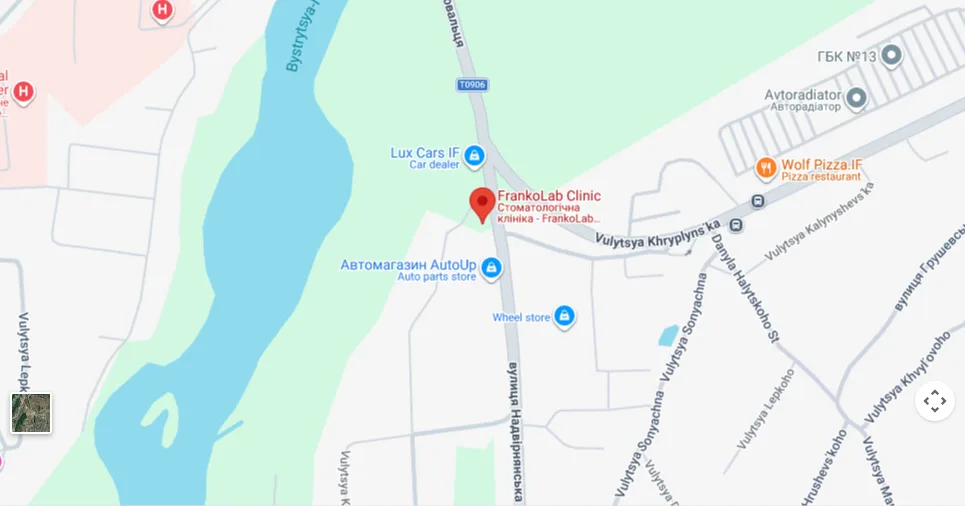
  • 77460, Ivano-Frankivsk, Cherniiv village, 2B Nadvirnianska Street
  • Mon–Sat 9.30 am–7.00 pm, Sun 10.00 am–7.00 pm
  • +380 50 011 20 00
Book a consultation
Map: 77460, Ivano-Frankivsk, village of Cherniiv, 2B Nadvirnianska Street