EN
Tooth spacing

Why choose FrankoLab Clinic:

  1. 01 Creating space between the teeth
  2. 02 No pain and no damage to the dentine or pulp
  3. 03 Quick — one appointment in 5–15 minutes

Tooth separation in Ivano-Frankivsk

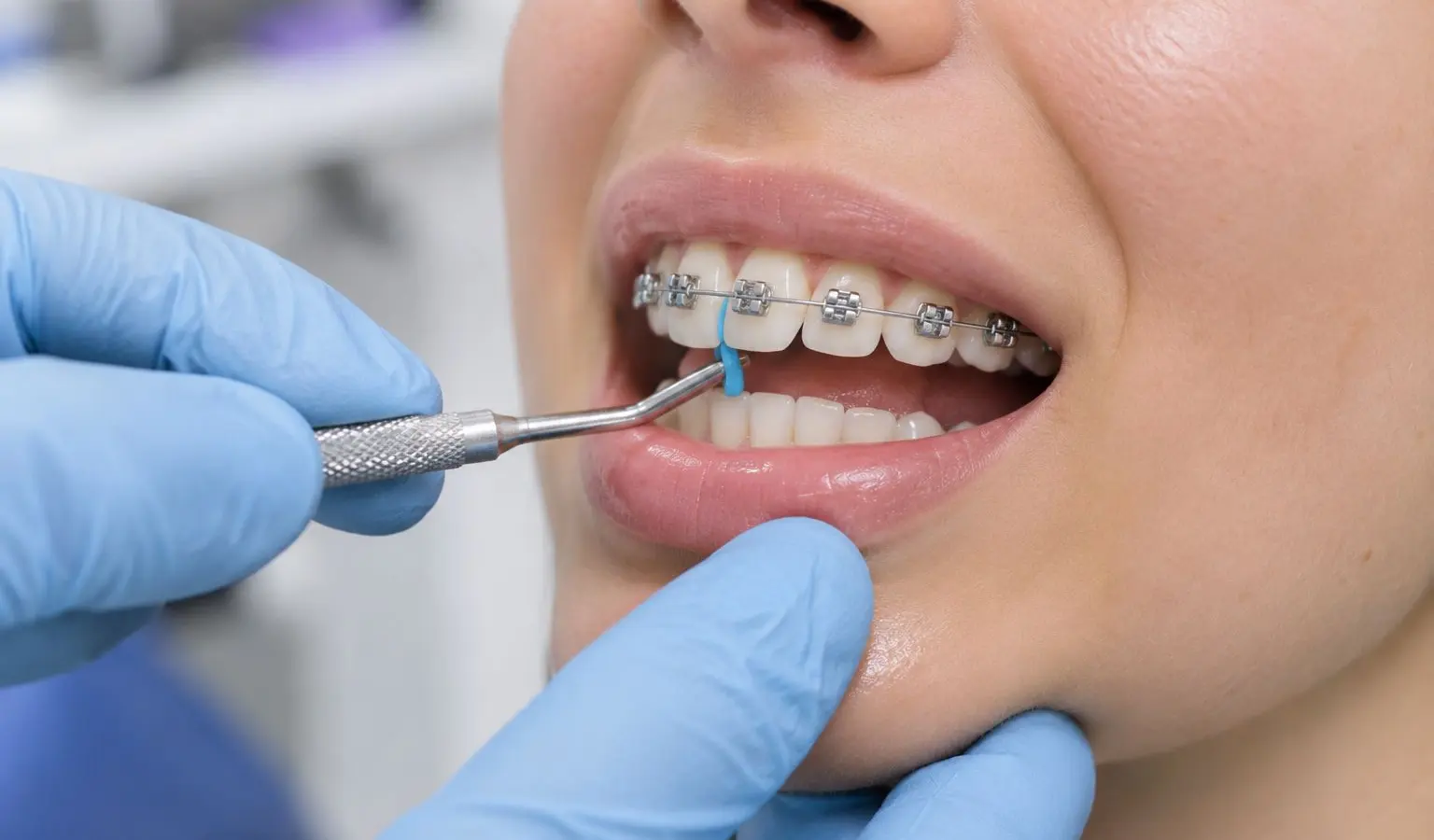
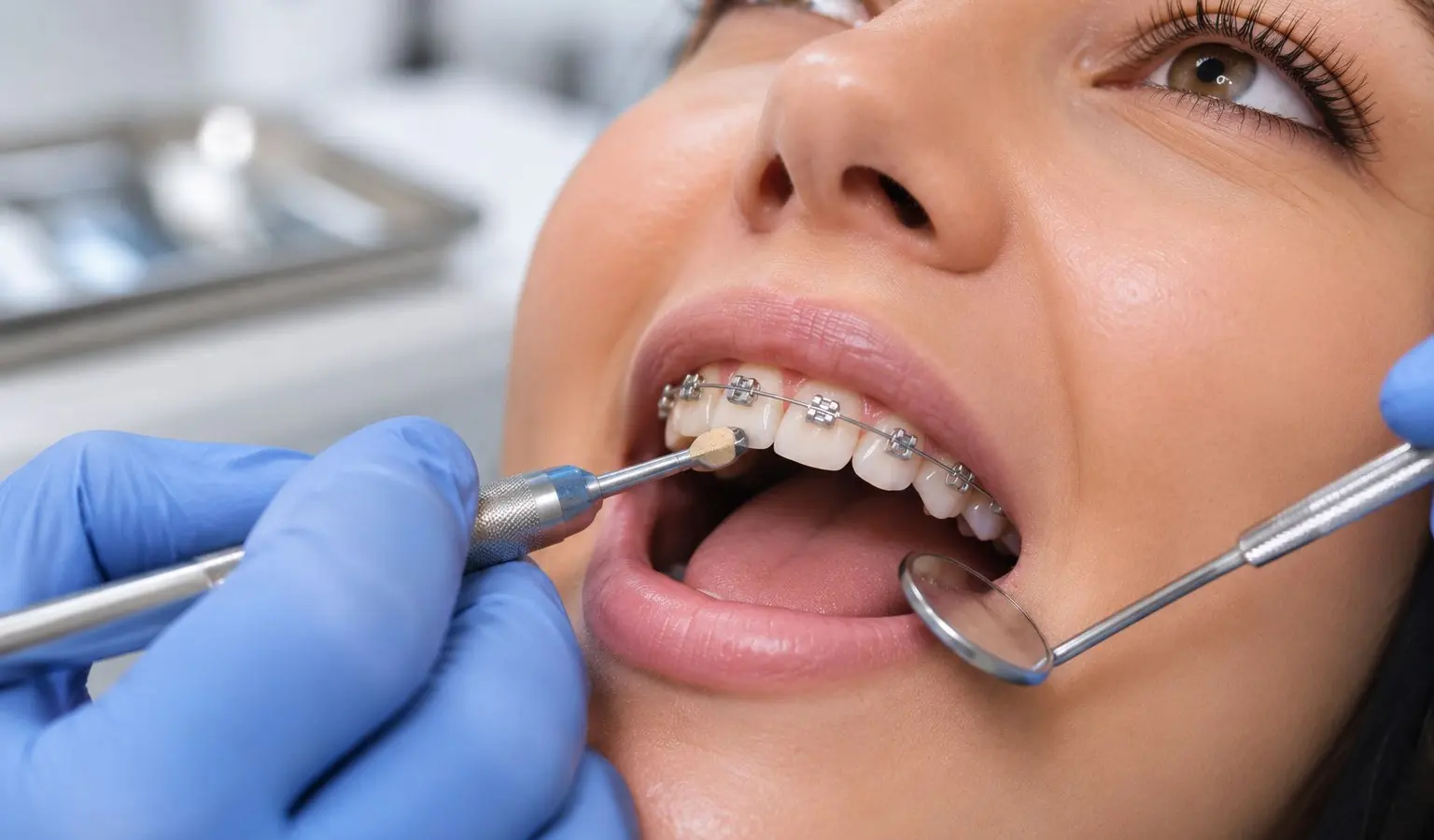
Tooth separation is a dental procedure that creates additional space between the teeth. Depending on the objective and clinical situation, it involves either the controlled removal of a small amount of outer enamel from the contact surfaces of the teeth (IPR — interproximal enamel reduction, interproximal grinding), or the temporary placement of special separating elements — separation rings.

IPR or rings: minimal intervention — maximum effect

At FrankoLab Clinic, we use tooth separation during treatment with braces and aligners, whilst preparing for prosthetics and implants, and following root canal treatment. The procedure is safe, quick and usually does not require anaesthesia (although this can be administered at the patient’s request).

Stages of tooth separation

When might tooth spacing (extra space between the teeth) be necessary?

Before orthodontic treatment

Spacing allows us to correct crowded teeth and a lack of space without removing healthy teeth. For example, separation rings are fitted for a few days before the braces are fitted to ‘spread’ the molars and facilitate the placement of orthodontic rings, whilst prior to treatment with aligners, interproximal grinding of the contact surfaces of the teeth is used to correct the shape and create space for movement.


Preparation for prosthetics and implants

Tooth separation helps to restore the correct spacing between teeth and create the optimal space for the future restoration.

After root canal treatment

When a tooth has expanded slightly following treatment and is pressing against neighbouring teeth, the interdental space needs to be widened to maintain the position of the teeth and the health of the gums.

For crowded teeth

Interdental separation is used as an alternative to extraction in cases of mild space deficiency in the dental arch.

To correct the shape of teeth

Enamel reduction makes it possible to correct the shape of teeth in cases of minor asymmetry or irregularities in the occlusal surfaces.

Cost of tooth separation

The cost of tooth separation in Ivano-Frankivsk depends on the method used, the number of surfaces to be treated and the scope of work involved. The exact cost will be confirmed by the dentist following a consultation, diagnosis and the drawing up of a treatment plan.

The dentist will quote the final cost following an examination and diagnosis. Payment in instalments is available. Full price list for the clinic

How tooth separation is carried out

01

Planning

We calculate how many millimetres of space are required and on which teeth (usually 0.1–0.3 mm on each side of the contact, totalling no more than 0.5 mm).

02

Preparation

We clean and isolate the teeth. Sometimes we use special wedges or separators for this, to spread the teeth apart slightly and make access easier.

03

Method 1: Enamel removal (reduction, stripping)

We use one of the following tools — abrasive strips (thin, flexible metal or plastic strips with a diamond or carborundum coating, which are moved between the teeth by hand — they are most commonly used to treat the front teeth), separation discs (thin diamond discs that we attach to a handpiece and use to polish the tooth surface in a rotary motion), special oscillating handpieces (for more precise and controlled enamel reduction).

04

Method 2: Separation rings (elastic or metal)Method 2: Separation rings (elastic or metal)

We place an elastic ring (separation band) or a metal separator in the interdental space before fixing the orthodontic bands onto the molars for temporary separation. Due to the elasticity of the material, the teeth gradually — usually within 3–7 days — move apart by 0.5–1 mm.

05

Check-ups and polishing

After removing the enamel, we polish the surfaces to make them smooth and apply a fluoride-containing or remineralising gel to restore the mineral layer of the teeth. When using both methods, the resulting interdental space is measured.

Patient reviews

4.9 Google rating All reviews on Google

Diana Kruk

08.07.2026

The clinic and service are of the highest standard – keep up the good work!

tania

19.11.2026

Brilliant, I’d highly recommend it. High-quality and comfortable. A lovely team 🥰

Kateryna

10.05.2026

Our whole family goes there for treatment. A brilliant team of professionals! Thank you 🙏

Section image

Would you like to find out which method of tooth separation is right for you? Book a consultation with an orthodontist at FrankoLab Clinic.

The benefits of tooth separation and how it is carried out at FrankoLab Clinic

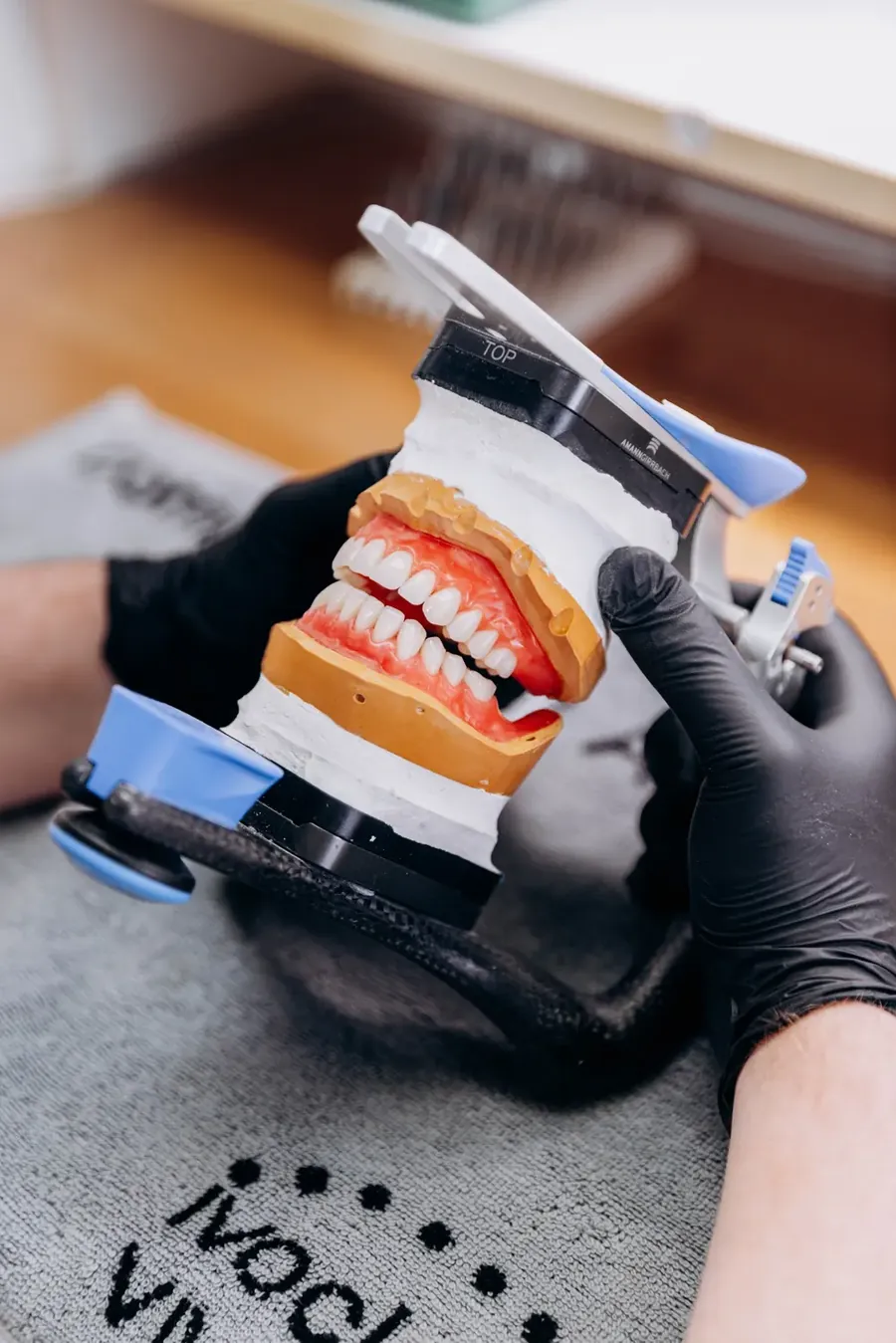
A model of the jaws in an articulator at the FrankoLab laboratory
01

Safe for your teeth

Interdental separation affects only the outer layer of enamel, within limits that do not exceed the normal rate of natural wear, and does not damage the dentine or pulp.

02

An alternative to the extraction of crowded teeth

In many cases, IPR makes it possible to avoid the extraction of healthy teeth due to crowding — the orthodontist will assess the suitability of this treatment during a consultation.

03

Speed of results and comfort

Tooth separation is usually painless and does not require anaesthesia. The speed of the result depends on the method used. The result can be assessed either immediately after the enamel has been thinned, or after 3–7 days (when using rings).

04

Precise planning

We use digital models and orthodontic software to calculate the precise amount of space required for each tooth.

05

In-house dental laboratory

If tooth separation is part of a comprehensive treatment plan (for example, in preparation for prosthetics), we carry out all dental laboratory work in our own in-house, full-cycle digital dental laboratory under one roof.

06

State-of-the-art equipment

To separate teeth, we use high-quality abrasive materials and instruments with controlled speed, which minimises the risk of damage to the enamel.

Frequently asked questions about tooth spacing

This is determined by the orthodontist during the planning stage. In cases of severe crowding and a lack of space in the dental arch, IPR is sometimes essential to create space without extracting teeth. In some cases — for example, where there are natural diastemas or only minor crowding — it is possible to manage without it. The decision is always supported by an analysis of digital models.
Enamel reduction (stripping) does not usually require anaesthesia: enamel has no nerve endings, so the procedure is painless or accompanied only by a slight vibrating sensation. Anaesthesia is sometimes required in isolated cases of heightened sensitivity or when working near the gum line. However, the placement of separation rings often causes a sensation of pressure and slight discomfort during the first 24 hours — this is a normal reaction of the tissues to stretching, but you can discuss the option of mild pain relief with your dentist.
During an IPR procedure, the dentist removes between 0.1 and 0.5 mm of enamel from each contact surface — in total, this is less than the natural wear and tear of teeth over several years. Unlike bone, enamel does not regenerate: the ‘removed’ part does not repair itself. This is precisely why enamel removal is carried out within strict limits and, at the end of the procedure, the surfaces are always coated with a remineralising or fluoride-containing agent to strengthen the remaining layer.
Treatment of a single interdental space due to enamel reduction takes 5–15 minutes, depending on the method and extent of removal. If several spaces need to be treated in a single appointment — for example, as part of an orthodontic treatment plan — the appointment will last 20–40 minutes or longer. Fitting a single separation ring takes 3–7 minutes.
When enamel is reduced by between 0.1 and 0.3 mm, there is usually no visible gap on the contact surface: the teeth fit tightly together and the gap is negligible. Where a greater amount of enamel is removed, the space gradually ‘closes up’ during orthodontic treatment — the teeth move and occupy the freed-up space.
These are two fundamentally different methods with different aims. Enamel reduction (IPR, stripping) is an irreversible procedure: the dentist directly alters the shape of the teeth by permanently removing a thin layer of enamel. It is used to create permanent space. Separation rings are a temporary measure: the insert placed between the teeth gradually ‘spreads’ them apart, but once the ring is removed, the teeth return to their original position within a few hours. The rings are mainly used to prepare for the fitting of orthodontic bands on the molars.
After enamel removal, it is recommended that you: avoid acidic drinks and foods for 24 hours (to allow the fluoride coating to set), brush your teeth with a soft-bristled brush and fluoride toothpaste, and temporarily avoid hard-to-chew foods. If separation rings have been fitted, avoid chewy and sticky foods (such as toffee and chewing gum) which may dislodge the ring, and do not attempt to remove it yourself using a toothpick.
Mild temporary sensitivity to cold or sweet foods following the removal of a layer of enamel is normal and usually subsides within 24–48 hours. If the sensitivity persists for longer or is very severe, consult your dentist: they will prescribe additional remineralising treatments or fluoride varnish; use toothpaste for sensitive teeth until the symptoms disappear.
Yes. Enamel removal is not recommended or requires particular caution in cases of: significant enamel thinning (hypoplasia, acid erosion, etc.), active caries on the contact surfaces of the teeth, periodontal disease in the acute stage, and in children — due to the thinner enamel layer of milk teeth and young permanent teeth. In such cases, the orthodontist will consider an alternative — for example, tooth extraction or adjusting the movement plan to avoid IPR.
FrankoLab Clinic dental surgery

A healthy smile starts with the right decision

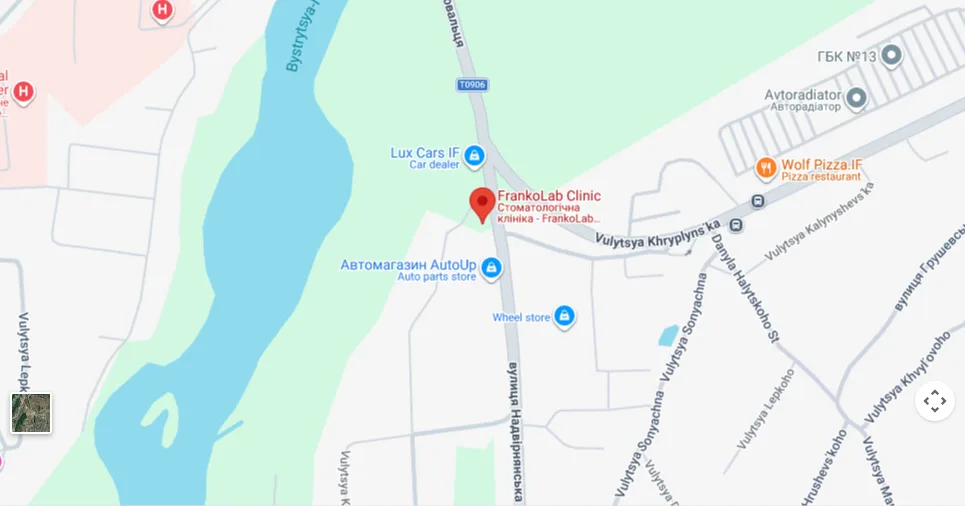
  • 77460, Ivano-Frankivsk, Cherniiv village, 2B Nadvirnianska Street
  • Mon–Sat 9.30 am–7.00 pm, Sun 10.00 am–7.00 pm
  • +380 50 011 20 00
Book a consultation
Map: 77460, Ivano-Frankivsk, village of Cherniiv, 2B Nadvirnianska Street

Book a consultation

Book a consultation and one of our managers will contact you shortly

+380 50 011 20 00